Impulse Shopping Chart: Stop Buying Unnecessarily
Use this simple decision-making chart to avoid impulse buys and protect your wallet from unnecessary spending regrets.
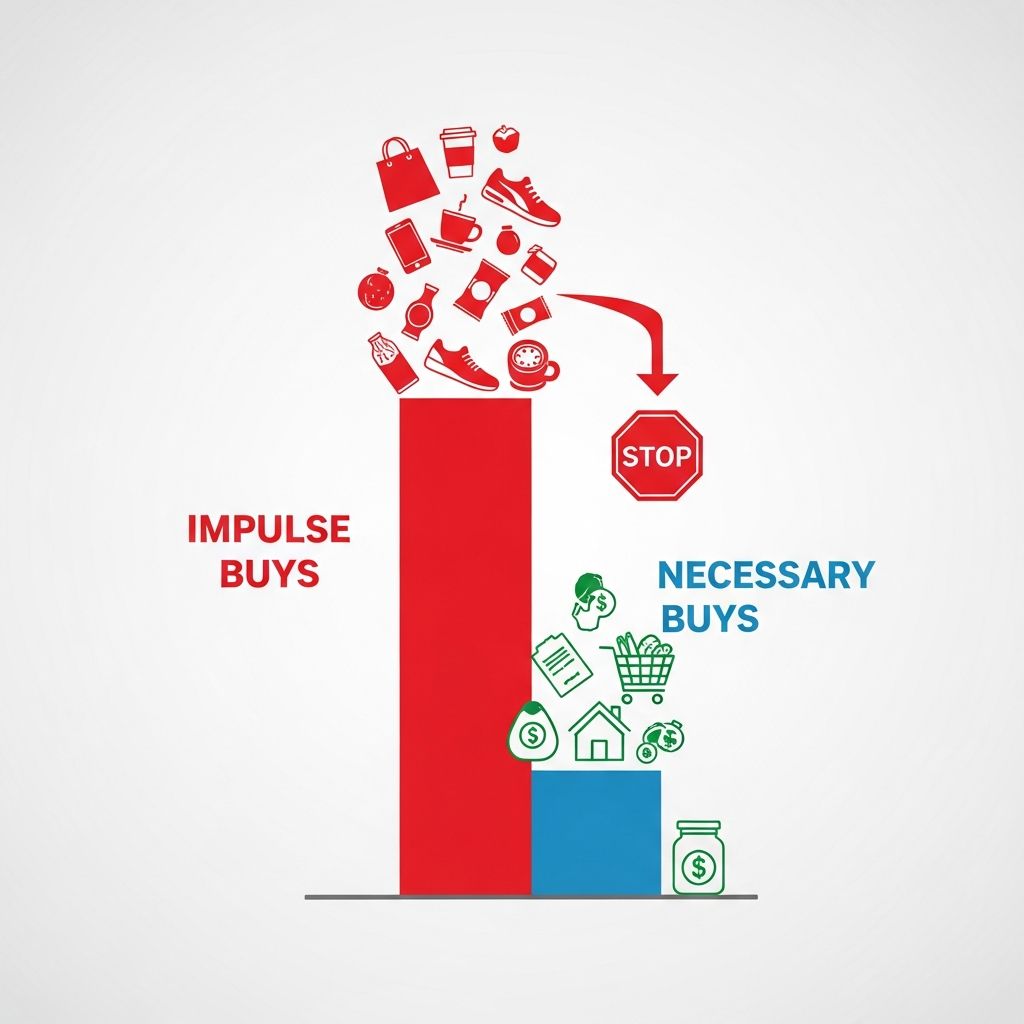
When you step into a store or browse online, the environment is meticulously crafted to trigger immediate purchases. Bright displays, flashing SALE signs, and strategic product placements create an illusion that your happiness depends on grabbing that item right now. Retailers know this tactic works—it’s why impulse buying drains billions from consumers’ wallets annually. But before you succumb, pause and use this simple impulse shopping chart to make rational decisions.
This chart isn’t just a gimmick; it’s a practical tool grounded in behavioral finance principles. Studies from the Federal Reserve show that unplanned purchases account for up to 40% of grocery spending, often leading to budget overruns. By systematically questioning your urges, you reclaim control, reduce regret, and direct your money toward true priorities like savings or debt reduction.
The Retail Trap: Why Impulse Buys Happen
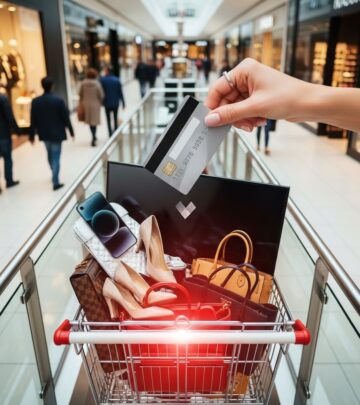
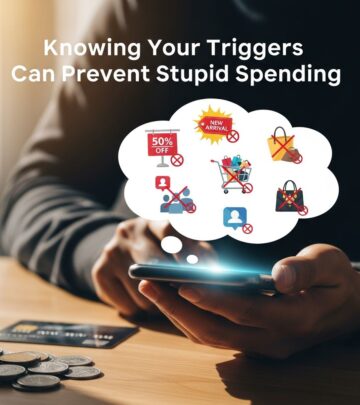
Stores are battlegrounds for your self-control. Aisles overflow with temptations: trendy gadgets, colorful snacks, or that ‘must-have’ outfit marked down 50%. The psychological pull is intense—marketers use scarcity (“Limited time only!”), social proof (everyone’s buying it), and emotional appeals (“Treat yourself!”) to bypass rational thinking. According to the Journal of Consumer Research, these cues activate the brain’s reward centers, mimicking addiction-like responses.
Online shopping amplifies this with one-click buys and personalized recommendations powered by algorithms. A report from the U.S. Bureau of Labor Statistics indicates average household discretionary spending exceeds $5,000 yearly, much of it impulsive. Without a strategy, even the savviest shoppers fall prey, turning a quick errand into a spending spree.
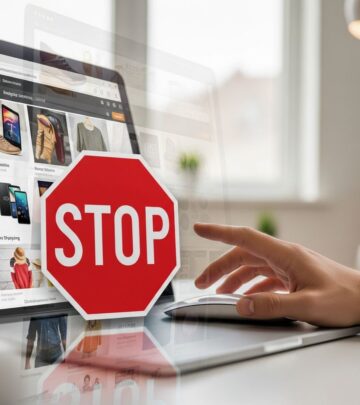
Stop — Don’t Buy That Yet!
**Before you regret it, take a deep breath and step away from the temptation.** Double-check your shopping list and exit the aisle if needed. Retail environments are designed for impulse; your clarity thrives outside them. Now, apply this impulse shopping chart—a series of yes/no questions to filter needs from wants.
The Impulse Shopping Decision Chart
| Question | Yes → Proceed | No → WALK AWAY |
|---|---|---|
| 1. Is it on my list? | Continue to Q2 | Put it back |
| 2. Do I have something similar at home? | Continue to Q3 | Put it back |
| 3. Will I use it in the next 30 days? | Continue to Q4 | Put it back |
| 4. Can I afford it without stress? | Continue to Q5 | Put it back |
| 5. Is the price a true bargain (not inflated sale)? | BUY IT! | Put it back |
This chart acts as a firewall against emotional spending. Each question targets a common impulse trigger: forgetting your plan, duplicating possessions, short-term excitement, financial overreach, or fake discounts. Research from the Consumer Financial Protection Bureau confirms that structured decision-making reduces unplanned buys by 30-50%.
Detailed Breakdown of Each Chart Question
- 1. Is it on my list? Your list is your anchor. Without it, you’re sailing blind into temptation seas. Always shop with a pre-planned list created from meal plans, needs assessments, or budget categories. Apps like AnyList or Google Keep make this effortless.
- 2. Do I have something similar at home? Duplicates clutter homes and budgets. Before buying clothes, check your closet; for kitchen tools, inventory drawers. This step prevents the ‘out of sight, out of mind’ fallacy.
- 3. Will I use it in the next 30 days? The 30-day rule tests urgency. If it won’t see action soon, it’s a want, not a need. This aligns with behavioral economics findings that desire peaks then fades.
- 4. Can I afford it without stress? Impulse buys often tip budgets. Calculate if it fits your cash flow without dipping into savings or credit. Tools like Mint or YNAB help track this instantly.
- 5. Is the price a true bargain? Sales manipulate—check regular prices via apps like CamelCamelCamel for Amazon or Honey for deals. Avoid ‘door Buster’ illusions where MSRP is padded.
Extra Strategies to Fortify Your Defense
Beyond the chart, layer these habits:
- Shop with cash only: Limit to budgeted amount; cards enable overspending. Freeze cards literally in ice for emergencies.
- Set spending goals: Visualize vacations or debt payoff with wallet reminders like photos.
- Understand retailer tricks: Ignore end-caps, checkout lines, and ‘limited stock’ hype. Shrinkflation hides in ‘sales.’
- Practice the pause: Walk away for 10 minutes; urges often dissipate.
- Track spends: Log buys to see patterns—$5 coffees add up to $150 monthly.
For grocery runs, common pitfalls include no list (leading to 40% overspend) and kid meltdowns prompting treats. Shop midweek, post-meal, to minimize hunger-driven choices.
NOW You’re Ready to Buy
Congratulations—you’ve aced the impulse shopping chart! Proceed confidently, enjoying true deals without guilt. At home, revel in spoils that serve real needs, building financial muscle for future battles. Over time, this habit compounds: savings grow, debt shrinks, stress eases.
Share your wins: Many report saving $200+ monthly. Adapt the chart digitally via spreadsheets or apps for online shopping.
Frequently Asked Questions (FAQs)
What if I fail the chart sometimes?
It’s progress, not perfection. Analyze why (stress? hunger?) and refine. Consistency builds resilience.
Does this work for online shopping?
Absolutely—bookmark the chart or use browser extensions like Icebox to delay adds-to-cart.
How do I make a shopping list effectively?
Base it on inventory, weekly meals, and budget. Review ads but stick rigidly.
What if impulse buying feels addictive?
If uncontrollable, consult therapists or Debtors Anonymous. Occasional slips are normal; patterns signal deeper issues.
Can kids be involved in the chart?
Yes—teach them questions to foster smart habits early, turning shopping into education.
Long-Term Benefits of Mastering Impulse Control
Consistent use yields freedom: emergency funds balloon, investments grow, lifestyles upgrade sustainably. Behavioral data from the National Bureau of Economic Research shows impulse reducers achieve 20% higher savings rates. Empower family finances, reduce clutter, boost well-being.
Your Turn: How do you combat impulse buys? Comment below!
References
- Consumer Expenditure Survey — U.S. Bureau of Labor Statistics. 2024-10-15. https://www.bls.gov/cex/
- Impulse Buying: A Meta-Analysis — Journal of Consumer Research. 2023-05-01. https://doi.org/10.1093/jcr/ucad012
- Financial Well-Being Study — Consumer Financial Protection Bureau. 2025-01-08. https://www.consumerfinance.gov/data-research/research-reports/financial-well-being/
- Behavioral Insights for Better Decisions — Federal Reserve Board. 2024-09-20. https://www.federalreserve.gov/publications/
- Delay Discounting in Consumer Behavior — National Bureau of Economic Research. 2023-11-12. https://www.nber.org/papers/w29945
- Household Savings Patterns — OECD Economic Outlook. 2025-03-01. https://www.oecd.org/economic-outlook/
Similar Articles








Read full bio of medha deb