How to Improve Credit Score With a Personal Loan
Strategically use personal loans to build credit history and improve your financial profile.
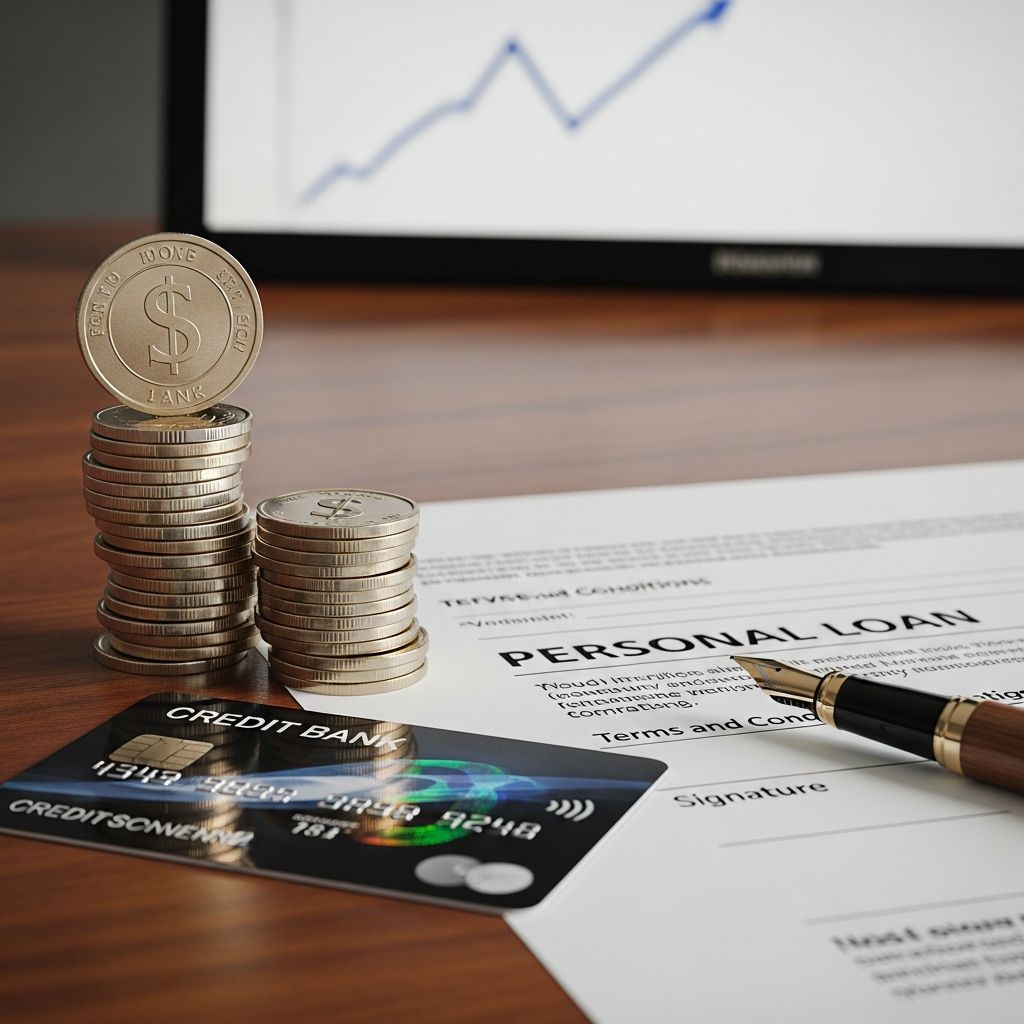
How to Improve Your Credit Score With a Personal Loan
Your credit score is a critical financial metric that influences your ability to secure loans, obtain favorable interest rates, and even rent an apartment. If you’re looking to boost your credit score, a personal loan might be a strategic tool worth considering. Personal loans can positively impact your credit profile when managed responsibly, offering opportunities to build a stronger financial foundation.
How Personal Loans Build Credit
Understanding the mechanics of how personal loans affect your credit score is essential before taking on any new debt. Your FICO Score is calculated based on five primary factors, each carrying different weight in determining your overall creditworthiness. The three main ways a personal loan can benefit your credit account for 75 percent of your score, making them particularly powerful tools for credit improvement when used strategically.
Building a Positive Repayment History
Payment history is the most influential factor in your credit score, accounting for 35 percent of your FICO Score. When you take out a personal loan, most lenders report your payment activity to the three major credit bureaus: Experian, TransUnion, and Equifax. Each on-time payment you make demonstrates financial responsibility and adds to your positive payment history.
This is particularly valuable because payment history has the greatest influence on your credit score compared to other factors. By consistently making on-time payments on your personal loan, you create a strong track record of reliability that creditworthiness evaluators value highly. Even payments made just 30 days late or more can cause serious harm to your credit score, so maintaining a perfect payment record is crucial.
Adding to Your Credit Mix
Lenders appreciate seeing evidence that you can manage multiple types of credit accounts responsibly. Credit mix, which accounts for 10 percent of your FICO Score, measures the variety of credit accounts in your portfolio. Having different types of credit 94such as revolving credit (credit cards and lines of credit) and installment loans (personal loans, auto loans, and mortgages) 94demonstrates your ability to handle various debt obligations.
By adding a personal loan to your credit report, you’re contributing to the diversification of your credit mix, especially if you previously only had credit cards. This variety signals to lenders that you have experience managing different kinds of debt responsibly, which can lead to credit score improvement.
Reducing Your Credit Utilization Ratio
If you use a personal loan to consolidate revolving debt, such as credit cards and lines of credit, you can significantly reduce your credit utilization ratio. This metric, which accounts for 30 percent of your FICO Score, measures how much credit you’ve used relative to your available limit. Utilization rates greater than about 30 percent tend to do more significant damage to your scores, so reducing balances that exceed this threshold could meaningfully help your credit.
When you use a personal loan to pay off credit card balances, you free up available credit and lower your overall credit utilization ratio. This reduction in revolving debt is one of the most impactful ways a personal loan can improve your credit score, as it directly addresses one of the largest factors in your credit calculation.
The Role of Debt Consolidation
Debt consolidation is one of the most popular and effective ways to use a personal loan to improve your credit score. By consolidating multiple high-interest debts into a single loan with one interest rate and monthly payment, you can achieve several credit-building benefits simultaneously.
How Debt Consolidation Works
A debt consolidation loan allows you to combine several debts into a single obligation. The loan proceeds pay off your other debts, and you then make payments to the consolidation loan instead. This strategy can help your credit in multiple ways:
- If you pay off your credit card balances, you’ll free up available credit and lower your credit utilization ratio
- It improves your credit mix, since credit-scoring models value a combination of revolving debt and installment loans
- Having one manageable payment instead of many reduces the risk of missing payments, which protects your payment history
Benefits of Consolidation
Beyond credit score improvement, debt consolidation through a personal loan offers practical advantages. Lower interest rates on personal loans compared to credit cards mean you’ll pay less in interest over time. Additionally, consolidating multiple payments into one simplifies your finances and makes budgeting more manageable.
Risks and Considerations
While personal loans can be powerful credit-building tools, there are important risks to understand before proceeding. Being aware of potential downsides will help you make an informed decision.
Hard Credit Inquiries
When you apply for a personal loan, the lender performs a hard credit inquiry to evaluate your creditworthiness. This inquiry temporarily causes a small decline in your credit score, typically recovering within a few months as long as you don’t apply for multiple loans in a short period.
New Account Impact
If your application is approved and you receive the loan, your credit score could drop a few more points initially. This occurs because a new credit line decreases the overall average age of your accounts, and credit scoring models prefer longer account histories. However, this negative impact is usually temporary and diminishes over time as your account matures.
Additional Debt
Taking on a personal loan means taking on additional debt, which increases your overall debt obligations. If you’re not disciplined about the money from the loan—and especially if you continue running up balances on the credit cards you’ve consolidated—you could end up in a worse financial position than before.
Lender Fees
Some personal loans come with origination fees, prepayment penalties, or other charges that can increase the total cost of borrowing. It’s essential to compare loan terms carefully and understand all associated fees before committing to a loan.
Strategic Uses for Personal Loans
If your primary goal is to establish a positive payment history and build your credit score, using the loan proceeds strategically is important. Consider these good-use examples:
- Building an emergency fund to avoid future debt
- Paying down other debts, particularly high-interest credit card balances
- Contributing to retirement accounts
- Making a down payment on a home
- Making a necessary large purchase
- Investing in your future
The primary goal of using a personal loan for credit building is not necessarily to get access to the money you need right away. Instead, it’s to establish a positive payment history that builds your credit score, since those payments are reported to the credit bureaus.
Alternative Credit-Building Strategies
While personal loans can be effective, they’re not the only way to build credit. Consider these alternatives:
Secured Credit Cards
A secured credit card requires a cash deposit that serves as your credit limit. By using the card responsibly and paying your balance in full each month, you can build credit history with lower risk than an unsecured card.
Becoming an Authorized User
You can build credit by becoming an authorized user on someone else’s credit account, particularly if the account holder has excellent credit and a strong payment history.
Reporting Alternate Payments
Some credit-building services allow you to report alternative payments—such as utility bills, rent, or insurance premiums—to credit bureaus, helping you build credit history beyond traditional credit accounts.
Buy Now, Pay Later Services
Buy now, pay later (BNPL) services allow you to break purchases into smaller payments over time. Historically, BNPL services haven’t had much impact on credit scores, but this is changing as some BNPL lenders are starting to report to credit bureaus. Soon, you may be able to build credit by using BNPL responsibly, and it’s often easier to qualify for than other loan or credit types.
Tips for Successfully Using a Personal Loan for Credit Building
If you decide to use a personal loan to improve your credit score, follow these strategies to maximize benefits and minimize risks:
Make On-Time Payments
This is the most critical factor. Set up automatic payments if possible to ensure you never miss a deadline. Even one late payment can significantly damage your credit score and undermine your credit-building efforts.
Don’t Accumulate New Debt
If you consolidate credit card debt with a personal loan, resist the temptation to run up new balances on those credit cards. This would defeat the purpose of improving your credit utilization ratio.
Choose an Appropriate Loan Term
A longer-term loan means more payments and a longer opportunity to demonstrate financial responsibility, though you’ll pay more interest overall. A shorter-term loan costs less in interest but requires higher monthly payments. Balance both factors based on your financial situation.
Compare Lender Options
Different lenders offer different rates, terms, and fees. Shop around to find the best option for your circumstances. Having a cosigner with good credit can help you secure better rates.
Monitor Your Credit Progress
Check your credit reports regularly to ensure payments are being reported correctly and your score is improving as expected. You can get free credit reports annually from AnnualCreditReport.com.
Frequently Asked Questions
Q: How long does it take for a personal loan to improve my credit score?
A: Credit score improvements typically take several months to become noticeable. You should see positive changes within 3-6 months of consistent on-time payments, though the full benefits may take longer to materialize as payment history accumulates.
Q: Will applying for a personal loan hurt my credit score immediately?
A: Yes, the hard inquiry triggered by your application will cause a small, temporary decline in your credit score. Additionally, opening a new account may lower your score slightly by reducing the average age of your accounts. However, these effects are typically temporary.
Q: Can I pay off my personal loan early without hurting my credit?
A: Paying off a loan early can help reduce your debt-to-income ratio and may qualify you for better terms on other loans. However, it could drop your credit score a few points, as you’ll have fewer active accounts. Consider your overall financial goals when deciding whether to pay off early.
Q: Is a personal loan better than a credit card for building credit?
A: Both can build credit effectively, but they work differently. A personal loan requires less active management than a credit card and is harder to misuse. A credit card gives you more control and flexibility but requires greater discipline to avoid overspending.
Q: What credit score do I need to qualify for a personal loan?
A: Requirements vary by lender, but most prefer a minimum credit score of 600. However, you may qualify for better rates with a score of 660 or higher. Having a cosigner can help you qualify even with a lower score.
Q: What should I do with the money from my personal loan?
A: If your goal is credit building, use the money strategically—pay off high-interest debt, build an emergency fund, or make necessary purchases. Avoid frivolous spending that increases your financial burden.
References
- How to improve your credit score with a personal loan — Bankrate. 2024. https://www.bankrate.com/loans/personal-loans/improve-credit-score-with-personal-loan/
- How Does a Personal Loan Affect Your Credit Score? — Experian. 2024. https://www.experian.com/blogs/ask-experian/how-does-a-personal-loan-impact-your-credit/
- How Will a Personal Loan Affect My Credit? — The Vanguard Federal Credit Union. 2024. https://tvfcubatavia.com/how-will-a-personal-loan-affect-my-credit/
- Understand, get, and improve your credit score — USA.gov. 2024. https://www.usa.gov/credit-score
Similar Articles








Read full bio of medha deb