Immediate Resignation for Personal Reasons
Navigate immediate resignation for personal reasons with professional guidance and sample letters.

Immediate Resignation for Personal Reasons: A Comprehensive Guide
There are times when circumstances in your personal life become so pressing that continuing your current job is no longer feasible. Whether it’s a family emergency, health crisis, unexpected relocation, or other unforeseen life events, immediate resignation for personal reasons may be your only viable option. While resigning without notice can be challenging and potentially impact your professional reputation, understanding how to handle this situation professionally is essential.
This guide provides you with the knowledge, templates, and strategies you need to resign immediately for personal reasons while maintaining your professional integrity and minimizing potential fallout.
Understanding Valid Reasons for Immediate Resignation
Not all reasons justify an immediate resignation without notice. However, certain circumstances are widely recognized as legitimate grounds for leaving a job effective immediately. Understanding which situations qualify can help you make an informed decision and communicate your departure professionally.
Personal and Family Emergencies
The most compelling reasons for immediate resignation typically fall within the realm of personal and family crises. These situations are urgent, unexpected, and demand your immediate attention, making it impossible to fulfill your work responsibilities.
Health emergencies affecting you or a close family member represent a primary category. This includes serious illnesses requiring hospitalization, major injuries, or unexpected medical procedures that demand your presence and care. When a loved one faces a life-threatening condition or requires emergency surgery, your professional obligations naturally take a back seat.
The death of a family member also constitutes a valid reason for immediate resignation. Beyond the emotional toll, funeral arrangements, estate matters, and family support obligations often require immediate and sustained attention.
Situations involving dependent care crises also warrant immediate departure. If your child’s school closes unexpectedly, your primary caregiver becomes unavailable, or a family member requires immediate care, these circumstances can make maintaining employment impossible.
Relocation and Housing Emergencies
An unexpected, urgent relocation to a distant location due to personal circumstances may necessitate immediate resignation. While planned relocations typically allow for notice, emergencies such as a family member requiring care in another city or unexpected housing loss can demand immediate departure.
Housing instability, including eviction notices or loss of housing due to natural disasters or other emergencies, can also make continued employment untenable, especially if your job location becomes inaccessible.
Other Pressing Personal Matters
Beyond the categories above, other personal circumstances may justify immediate resignation. These might include legal matters requiring your urgent attention, visa or immigration issues that affect your ability to work, or other unforeseen personal crises that genuinely prevent you from continuing employment.
Before You Resign Immediately: Important Considerations
While immediate resignation for personal reasons may seem necessary, taking a moment to consider your options and the potential consequences is prudent.
Review Your Employment Contract
Before resigning, carefully review your employment contract and employee handbook. Look for specific language regarding resignation procedures, required notice periods, and the company’s policy on immediate departure. Many contracts specify a minimum notice requirement, often one to two weeks, even in emergency situations.
Understanding these terms helps you anticipate potential pushback and know what you’re contractually entitled to do. Some contracts include clauses allowing immediate resignation under specific circumstances, while others may have consequences for early departure without notice.
Explore Alternative Options
Before pursuing immediate resignation, consider whether other options might address your situation while preserving your job. Can you take emergency family leave under FMLA or your company’s policies? Would an extended leave of absence suffice? Could you transition to remote work temporarily? Could you negotiate a temporary schedule reduction?
Many employers offer flexibility options that employees don’t initially consider. A brief conversation with your HR department might reveal solutions that address your personal crisis without requiring immediate resignation.
Consider the Financial Implications
Resigning immediately without notice may have financial consequences beyond losing your income. Depending on your employment arrangement, you might forfeit unused vacation time, bonuses, severance packages, or other benefits. Some companies include forfeiture clauses for employees who resign without proper notice.
Additionally, leaving without notice could affect your eligibility for unemployment benefits in some jurisdictions. It’s worth checking your state’s unemployment insurance requirements before taking this step.
How to Write an Immediate Resignation Letter for Personal Reasons
When you’ve determined that immediate resignation is necessary, a professional resignation letter is essential. This document becomes part of your permanent employment record and should reflect your professionalism despite the difficult circumstances.
Step 1: Clearly State Your Intention to Resign Immediately
Begin your letter by unambiguously stating that you are resigning from your position effective immediately. Avoid vague language or phrases that create confusion about your departure date. Clearly state the effective date as “immediately” or today’s date.
This clarity ensures there’s no misunderstanding about your intent and timeline. Your employer needs to know definitively that you will not be returning to work.
Step 2: Provide a Brief Explanation
While not mandatory, providing a brief explanation for your immediate resignation adds context and demonstrates professionalism. Your explanation should be concise, factual, and respectful—without oversharing personal details.
For health-related reasons, you might write: “Due to unexpected health issues requiring immediate attention, I am unable to continue in my current role.” For family emergencies: “Due to an urgent family matter requiring my immediate attention, I find it necessary to resign effective immediately.”
Avoid criticism of the company, colleagues, or management. Even if personal problems were compounded by workplace issues, your resignation letter should focus on your situation rather than complaints about the employer.
Step 3: Express Gratitude and Professionalism
Acknowledge the opportunities you’ve had and express gratitude for your time with the company. This maintains the professional relationship and demonstrates maturity despite difficult circumstances.
You might write: “I appreciate the opportunities I’ve had to contribute to the team and am grateful for the experiences I’ve gained during my employment.”
Include an apology for any inconvenience your immediate departure may cause. This shows understanding of the burden your sudden departure places on the organization, even though your personal circumstances necessitate it.
Step 4: Offer Limited Assistance
If your personal situation allows, offer to assist with the transition in whatever capacity possible—perhaps answering questions via email or phone, documenting your current projects, or providing essential information remotely. This demonstrates your commitment to minimizing disruption despite your urgent departure.
However, be realistic about what you can offer. If your situation is truly a crisis, acknowledging this limitation is acceptable.
Sample Resignation Letters for Personal Reasons
Sample 1: General Personal Reasons
[Your Name]
[Your Address]
[Your Email]
[Today’s Date]
[Manager’s Name]
[Manager’s Title]
[Company Name]
[Company Address]
Dear [Manager’s Name],
I am writing to formally notify you of my resignation from my position as [Your Job Title] at [Company Name], effective immediately.
Due to unforeseen personal circumstances that require my immediate attention, I am unable to continue fulfilling my duties at this time. This decision was not made lightly, but given the urgency of my situation, immediate departure is necessary.
I am grateful for the opportunities I have had during my tenure with [Company Name] and appreciate the professional growth I’ve experienced. I regret any inconvenience my sudden departure may cause and apologize for the disruption to the team.
If possible, I would be happy to assist with the transition of my responsibilities remotely, should my circumstances permit.
Thank you for your understanding during this challenging time.
Sincerely,
[Your Name]
Sample 2: Family Emergency
[Your Name]
[Your Address]
[Your Email]
[Today’s Date]
[Manager’s Name]
[Manager’s Title]
[Company Name]
[Company Address]
Dear [Manager’s Name],
I am writing to inform you of my immediate resignation from my position at [Company Name], effective immediately.
An urgent family matter has arisen that requires my immediate presence and attention. While I value my position and have enjoyed contributing to the team, my family’s needs must take priority at this time.
I appreciate the support and opportunities provided during my employment. I regret the short notice and any challenges this may create for the team. Please know that this decision reflects the extraordinary nature of my personal circumstances, not any dissatisfaction with my role or the company.
I wish you and the team continued success.
Sincerely,
[Your Name]
Sample 3: Health-Related Resignation
[Your Name]
[Your Address]
[Your Email]
[Today’s Date]
[Manager’s Name]
[Manager’s Title]
[Company Name]
[Company Address]
Dear [Manager’s Name],
It is with sincere regret that I must inform you of my resignation from [Company Name], effective immediately.
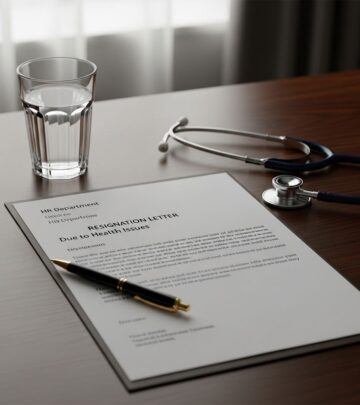
Due to unexpected health issues requiring immediate medical attention, I find it necessary to step down from my position to focus on my recovery and well-being. This decision was made after careful consideration of my circumstances and limitations.
I am grateful for the professional relationships I’ve built and the valuable experiences I’ve gained at [Company Name]. I apologize for the inconvenience this sudden departure may cause and appreciate your understanding during this difficult period.
Sincerely,
[Your Name]
Sample 4: Relocation Due to Personal Circumstances
[Your Name]
[Your Address]
[Your Email]
[Today’s Date]
[Manager’s Name]
[Manager’s Title]
[Company Name]
[Company Address]
Dear [Manager’s Name],
Please accept this letter as notice of my immediate resignation from my position as [Your Job Title] at [Company Name], effective today.
Unexpected personal circumstances have necessitated an immediate relocation, making it impossible for me to continue in my current role. While I have valued my time at [Company Name] and the professional development opportunities provided, my personal obligations require my full attention and presence elsewhere.
I appreciate your understanding and wish the company and my colleagues continued success.
Sincerely,
[Your Name]
Delivering Your Resignation
Timing and Method
Whenever possible, inform your manager in person before submitting your written resignation. This demonstrates respect and allows for a direct conversation about your situation. If an in-person meeting is impossible due to your circumstances, a phone call is the next best option.
Submit your written resignation letter immediately after this conversation. Use email as your delivery method and request a read receipt to confirm receipt. Keep a copy for your records.
Be Prepared for Different Reactions
Your manager’s reaction may vary significantly based on your industry, company culture, and personal relationship. They might be understanding and supportive, or they might express frustration about the disruption. Remain calm, professional, and firm in your decision regardless of their reaction.
You are not obligated to justify your personal circumstances beyond what you’ve shared in your resignation letter. Polite but firm responses such as, “I understand this creates challenges, and I’m sorry for that, but my circumstances require immediate departure,” are appropriate.
Documentation and Records
Keep detailed records of your resignation, including the date and time you informed your manager, copies of your resignation letter, any email confirmations, and records of any transition assistance you provided. These documents protect you if disputes arise regarding your departure or benefits later.
Understanding Potential Consequences
While resigning immediately for valid personal reasons is sometimes necessary, understanding potential consequences helps you prepare:
Loss of Benefits: Your health insurance, retirement contributions, and other benefits may end immediately upon resignation. Some employers allow continuation of health coverage under COBRA, though you’ll pay the full premium.
Forfeiture of Bonuses or Severance: Depending on your employment agreement, you may lose upcoming bonuses or severance packages designed for standard notice-period resignations.
Unused PTO: Some states require employers to pay unused vacation time; others do not. Check your state’s employment laws and your company’s policy.
Reference Concerns: While an immediate resignation shouldn’t permanently damage your professional reputation if communicated professionally, some employers are less willing to provide strong references for employees who leave without notice.
Rehire Status: Some companies mark employees who quit without notice as ineligible for rehire. This may or may not matter depending on your career goals.
Maintaining Your Professional Reputation
Despite the urgent nature of your departure, protecting your professional reputation is important for your future career. Here’s how:
Stay Professional in All Communications: Your resignation letter, emails, and any conversations should remain professional and respectful, regardless of your personal stress level.
Avoid Negative Comments: Don’t criticize the company, management, or colleagues, even if workplace issues contributed to your decision. Your personal reasons, not workplace complaints, should be your focus.
Follow Through on Promises: If you offer to help with transition, follow through to the extent your circumstances allow.
Respond Professionally to Outreach: After resignation, respond professionally to any contact from the company regarding final paychecks, benefits continuation, or information requests.
Be Honest with Future Employers: When explaining your departure in future job interviews, be truthful but concise. “I faced unexpected personal circumstances requiring immediate departure” is honest and doesn’t overshare.
Frequently Asked Questions
Q: Will I lose my job if I resign immediately?
A: If you resign, you are voluntarily terminating your employment. This means you won’t be fired, but you will no longer have a job. The difference is important for unemployment benefits and future employment references.
Q: Can my employer force me to work my notice period?
A: In most at-will employment situations, your employer cannot legally force you to work after you’ve resigned. However, they may pursue legal action if your employment contract specifies consequences for leaving without notice. Consult your contract or an employment attorney for clarification.
Q: Will I be eligible for unemployment benefits if I resign immediately?
A: Generally, you’re not eligible for unemployment benefits if you quit voluntarily. However, some states allow unemployment benefits if you resign due to personal circumstances beyond your control. Check your state’s specific requirements.
Q: Should I tell my employer the specific details of my personal emergency?
A: No. Share enough information to explain that your situation is urgent and requires immediate departure, but you’re not obligated to divulge personal details. A brief, general explanation is appropriate and professional.
Q: How will this affect my professional references?
A: If you resign professionally despite the circumstances, most employers will provide neutral references stating only your employment dates and position. Some may provide positive references if you maintained professionalism. Avoid burning bridges by communicating respectfully.
Q: What if my employer is upset about my resignation?
A: Remain calm and professional. Express understanding about the difficulties your departure creates, but remain firm in your decision. You are not responsible for managing their reaction to your personal circumstances.
Q: Should I resign by email or in person?
A: Whenever possible, inform your manager in person or by phone first, then submit written resignation via email. If your circumstances prevent this, email with a phone call is acceptable. Always provide written documentation of your resignation.
Q: Can I ask my employer for emergency leave instead of resigning?
A: Yes, contact HR immediately about emergency leave options. Many employers offer personal leave, FMLA leave, or other accommodations for genuine emergencies. Explore these before resigning if your situation allows.
References
- How to Write an Immediate Resignation Letter (With Samples) — The Muse. 2024. https://www.themuse.com/advice/immediate-resignation-letter
- Rage Resignation? How to Write an Immediate Resignation Letter — Career Contessa. 2024. https://www.careercontessa.com/advice/immediate-resignation-letter/
- What Is a Valid Reason for an Immediate Resignation — Resume Trick. 2024. https://resumetrick.com/blog/valid-reason-for-immediate-resignation.html
- Crafting a Professional Resignation Letter: Templates and Guidance — LHH. 2024. https://www.lhh.com/en-us/insights/sample-resignation-letters
- How To Write a Resignation Letter Without a Notice Period — Indeed Career Guide. 2024. https://www.indeed.com/career-advice/starting-new-job/resignation-letter-without-notice-period
- Resignation With Immediate Effect: Advice For Employers — Davidson Morris. 2024. https://www.davidsonmorris.com/resignation-with-immediate-effect/
Similar Articles








Read full bio of Sneha Tete