Identity Theft Vulnerabilities
Discover the personal data most targeted by thieves and learn proven strategies to shield your identity from fraud in today's digital world.
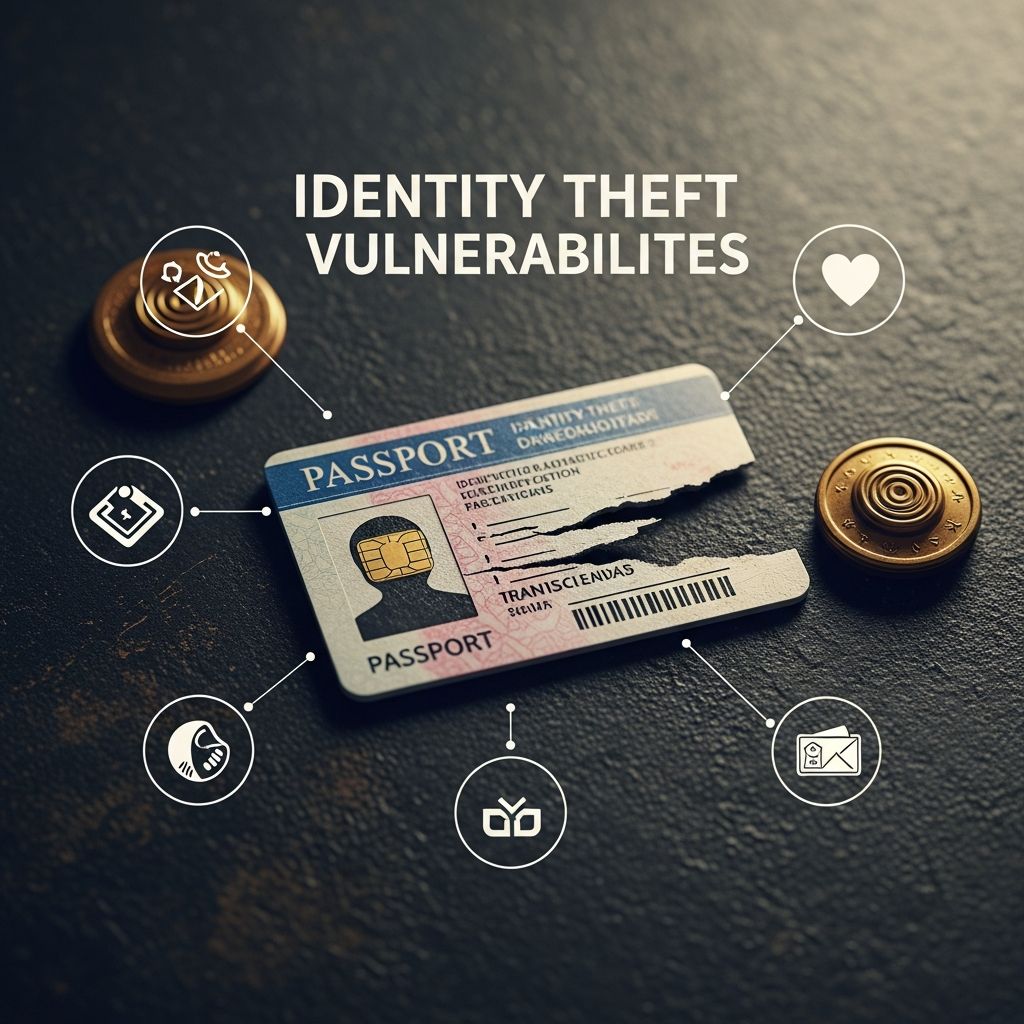
Identity theft remains one of the most pervasive cyber threats, where criminals exploit personal details to commit fraud, drain accounts, or ruin reputations. In 2026, with data breaches hitting record highs, understanding which information thieves target is crucial for protection. This guide breaks down vulnerable data types, at-risk populations, theft tactics, and defense strategies, drawing from official statistics and research.
Core Personal Data Thieves Crave
Thieves prioritize information that unlocks financial accounts, government benefits, or new credit lines. Social Security numbers (SSNs) top the list, enabling everything from fake tax filings to medical service scams. Bank account and credit card numbers follow closely, allowing direct unauthorized transactions. Full names, addresses, and birth dates provide the foundation for impersonation, while driver’s license numbers and passport details facilitate fake IDs.
- Social Security Number (SSN): The golden key for opening accounts or claiming benefits.
- Financial Account Details: Routing numbers, card numbers, and PINs for immediate fund access.
- Government IDs: Passports, driver’s licenses for forging documents.
- Personal Identifiers: Full name, DOB, address for building complete profiles.
- Medical Records: Insurance numbers for fraudulent healthcare claims.
These elements often surface in large-scale breaches at retailers or healthcare providers, amplifying exposure.
Who Faces the Greatest Danger?
Not everyone shares equal risk; demographics and lifestyles dictate vulnerability. Higher-income individuals earning over $75,000 annually face elevated odds, as their profiles promise bigger payouts for thieves—comprising 60% of victims in recent Bureau of Justice Statistics data. College-educated people are 10% more likely to be targeted than those without degrees, possibly due to greater online activity.
Age plays a pivotal role: children under 18 are over 50 times more susceptible than adults, often undiscovered until credit checks years later. Seniors share sensitive data with caregivers, heightening risks. Young adults aged 18-39, frequent online shoppers, report the highest victimization rates.
| Group | Risk Multiplier | Key Reasons |
|---|---|---|
| Children | 50x adults | Unmonitored credit files |
| Seniors | High | Caregiver access to PII |
| High-Income ($75k+) | 60% of cases | Lucrative targets |
| College-Educated | 10% higher | Digital lifestyles |
| Online Shoppers (Daily) | 5.7x non-shoppers | Frequent data exposure |
Geographic hotspots like Florida, California, and Texas see disproportionate cases due to population density and breach incidents. Prior victimization raises recurrence risk by 28%.
How Thieves Steal Your Identity
Criminals employ diverse methods, from low-tech wallet grabs to sophisticated hacks. Physical theft of wallets or devices yields direct access to cards and IDs. Digital avenues dominate: phishing emails trick users into revealing details, while malware infects devices during online shopping. Data breaches at companies expose millions, with SSN leaks doubling victimization odds.
Other crimes like burglary indirectly feed identity theft by stealing laptops or mail containing statements. Routine activities—daily e-commerce, banking apps—increase exposure fivefold for frequent users. Instrumental fraud, like fake tax returns or benefit claims, relies on combined personal data.
Common Attack Vectors
- Phishing and social engineering
- Massive corporate data leaks
- Device theft or malware infection
- Public Wi-Fi interception
- Insider access in healthcare or retail
Warning Signs of Compromise
Early detection hinges on spotting anomalies. Unexpected credit inquiries, unfamiliar accounts on reports, or denied loans signal trouble. Monitor for missing mail (stolen statements), strange charges, or IRS notices about duplicate filings. Credit freezes or fraud alerts from agencies like Equifax can flag issues swiftly.
Businesses watch for “red flags” like address changes or unusual activity under FTC guidelines. Personal vigilance includes weekly account checks and annual credit reviews.
Fortifying Your Defenses
Proactive habits slash risks. Limit online sharing: use virtual cards for shopping, enable two-factor authentication (2FA), and avoid public Wi-Fi for banking. Freeze credit files at Equifax, Experian, and TransUnion to block new accounts. Shred documents, secure mail, and use password managers.
Post-breach, notify banks, place fraud alerts, and file FTC reports. Lifestyle adjustments matter: reduce daily online purchases if possible, as they correlate with 5x higher risk.
Top Protection Steps
- Regularly review credit reports via AnnualCreditReport.com.
- Enroll in identity monitoring services.
- Use unique, strong passwords with 2FA.
- Opt for paperless billing with digital locks.
- Report suspicious activity immediately to authorities.
Impacts and Recovery Roadmap
Victims endure financial losses averaging thousands, plus 100+ hours resolving issues. Psychosocial tolls include stress and eroded trust. Recovery starts with contacting affected institutions, freezing credit, and disputing fraudulent entries. IRS guides aid tax-related fraud. Long-term, rebuild via monitored accounts and alerts.
Frequently Asked Questions (FAQs)
What should I do if I suspect identity theft?
Contact your bank, place a fraud alert, freeze credit, and report to FTC at IdentityTheft.gov.
Can children be victims without knowing?
Yes, often discovered at 18 during first credit application; monitor early.
How does income affect risk?
Higher earners ($75k+) comprise 60% of cases due to higher fraud value.
Are online shoppers more at risk?
Daily shoppers face 5.7x odds of account theft.
What is a credit freeze?
A free block on new credit pulls, preventing unauthorized accounts.
By prioritizing these vulnerabilities and actions, individuals can significantly lower their exposure in an era of escalating digital threats.
References
- Risk and protective factors of identity theft victimization in the United States — PMC/NCBI. 2020-02-28. https://pmc.ncbi.nlm.nih.gov/articles/PMC7013169/
- Identity Theft Risk Factors — Lehrman Law. Accessed 2026. https://lehrmanlaw.com/identity-theft-risk-factors/
- A 2026 Guide to Identity Theft Protection — Security.org. 2026. https://www.security.org/identity-theft/
- Fighting Identity Theft with the Red Flags Rule — FTC.gov. Accessed 2026. https://www.ftc.gov/business-guidance/resources/fighting-identity-theft-red-flags-rule-how-guide-business
- Are You At Risk for Identity Theft? — Equifax.com. Accessed 2026. https://www.equifax.com/personal/education/identity-theft/articles/-/learn/your-risk-for-identity-theft/
- Identity theft guide for individuals — IRS.gov. Accessed 2026. https://www.irs.gov/identity-theft-central/identity-theft-guide-for-individuals
Similar Articles








Read full bio of Sneha Tete