Comprehensive Guide to Identity Theft Schemes
Learn about major identity theft categories and protective strategies

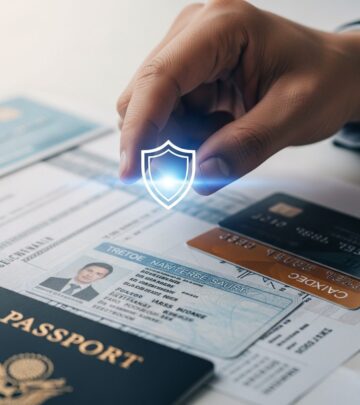
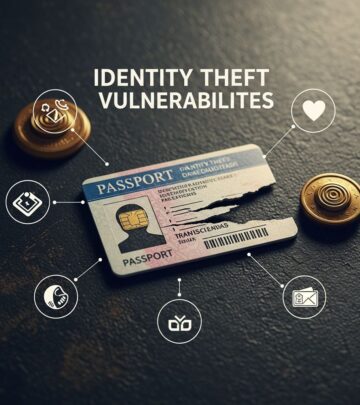
Identity theft represents one of the fastest-growing criminal activities in the digital age, affecting millions of individuals annually across multiple sectors of society. Unlike traditional theft where a physical item is taken, identity theft involves the unauthorized acquisition and misuse of personal information to perpetrate fraud. This distinction makes identity theft particularly insidious, as victims may not immediately realize they have been compromised. The evolution of criminal methodologies has created numerous pathways for fraudsters to exploit personal data, ranging from traditional mail theft to sophisticated digital attacks on emerging technologies.
Account Compromise and Access Exploitation
One of the most direct forms of identity fraud occurs when criminals gain unauthorized access to existing financial accounts or digital services. This approach involves obtaining login credentials—usernames, passwords, or account numbers—through various means such as phishing emails, data breaches, or social engineering tactics. Once inside an account, fraudsters move quickly to change associated credentials, modifying email addresses, phone numbers, and physical addresses to lock out the legitimate owner. This type of compromise can affect banking services, credit card accounts, telecommunications services, and social media profiles simultaneously, creating a cascading effect of unauthorized access and potential financial damage.
The speed with which criminals act after gaining access makes early detection crucial. Many victims discover the compromise only after receiving notifications about failed login attempts or seeing fraudulent transactions. By then, the attacker has often already modified security settings, making account recovery a time-intensive process.
Government-Issued Identification Exploitation
Criminals frequently target government-issued documents as vehicles for identity fraud. Driver’s licenses contain multiple data points that enable impersonation, including name, date of birth, address, and photograph. When a criminal obtains a valid driver’s license—either through theft or illegal acquisition of the license number—they can leverage this credential to establish false identities or open fraudulent financial accounts. The legitimacy of a government-issued ID dramatically increases the effectiveness of subsequent fraud schemes, as businesses routinely accept driver’s licenses as primary identification during account opening procedures.
Passport fraud operates similarly but with heightened consequences. Fraudsters may use stolen passports to cross international borders illegally, conduct international financial crimes, or engage in document smuggling operations. Additionally, deceased individuals’ identities can be exploited through passport applications, creating phantom identities that persist in government systems for extended periods.
Postal System Vulnerabilities
Traditional mail remains a surprisingly effective vector for identity theft despite digital alternatives. Physical mailboxes contain numerous documents with personally identifiable information, including bank statements, credit card offers, tax documents, and financial correspondence. Criminals who intercept mail can extract account numbers, addresses, and other data to support identity fraud schemes. Beyond information harvesting, mail theft also enables criminals to intercept newly issued credit or debit cards, giving them immediate access to fraudulent financial tools.
The distributed nature of postal systems—with countless collection points and delivery routes—makes securing mail difficult. Vulnerable collection points include residential mailboxes, apartment building mail facilities, and postal service locations where mail can be removed without immediate detection.
Financial Identity Misuse
Financial identity theft represents the broadest category of identity fraud, encompassing any unauthorized use of another person’s financial information. This includes unauthorized credit card transactions, fraudulent bank account withdrawals, and false loan applications filed in a victim’s name. Criminals may apply for personal loans, auto loans, or mortgages using stolen personal information, creating substantial debt obligations for the victim. The financial damage extends beyond direct theft; fraudulent accounts damage credit scores, making legitimate borrowing more expensive or impossible for the victim.
The prevalence of financial identity theft stems from the relative ease of obtaining necessary information and the immediate gratification of converting stolen credentials into monetary gain. Criminals prioritize this category because it generates immediate returns without requiring sophisticated technical skills or equipment.
Tax System Exploitation
Tax identity theft involves using another person’s Social Security number to file fraudulent tax returns with the intention of capturing refunds. Criminals file returns claiming excessive withholdings or business losses, generating refund checks that are directed to accounts under their control. This particular fraud type often goes undetected until the legitimate taxpayer attempts to file their own return, at which point the IRS informs them a return has already been submitted. The complexity of resolving tax fraud extends the victim’s recovery timeline significantly, often requiring IRS intervention and multiple rounds of documentation to establish legitimacy.
Social Security Number Targeting
A Social Security number serves as a master key to numerous identity fraud schemes because it is used by financial institutions, government agencies, and healthcare providers to verify identity. Unlike passwords that can be changed, Social Security numbers cannot be altered, making compromise particularly damaging. Criminals possessing a valid Social Security number can apply for credit cards, obtain loans, access medical services, and claim government benefits, all while the legitimate owner remains unaware. The sensitive nature of Social Security numbers—typically kept confidential and used by trusted institutions—means their exposure creates multi-faceted vulnerabilities across numerous sectors.
Population-Specific Vulnerabilities
Senior Citizens: Older adults face disproportionate identity theft risk due to lower digital literacy, greater trust in others, and reduced financial monitoring. Seniors may be more susceptible to social engineering and may not immediately notice fraudulent account activity if they maintain less frequent banking reviews.
Children: Child identity theft exploits the fact that children typically have no existing credit history, allowing fraudsters to build entire fraudulent credit profiles that may go undetected for years. Parents should verify their child has no credit report before age sixteen, as unexpected reports indicate likely theft. Children’s Social Security numbers can be particularly valuable because the fraud can compound throughout childhood without detection.
Deceased Individuals: Estate identity theft involves fraudsters using deceased persons’ information to open accounts or claim benefits. This occurs because death reporting processes vary across agencies, creating windows where the deceased person’s identity remains “active” in various systems.
Emerging and Specialized Fraud Categories
Biometric Exploitation: As security systems increasingly rely on facial recognition and fingerprint authentication, criminals have adapted by using high-resolution photographs or lifted fingerprints to bypass these protections. Additionally, fraudsters may link stolen personal information to their own biometric identifiers when attempting to impersonate victims, creating hybrid attacks combining identity and biometric fraud.
Synthetic Identity Construction: Rather than purely stealing one person’s identity, sophisticated fraudsters combine stolen information from multiple victims—or mix real and fabricated data—to create entirely new fraudulent identities. These synthetic identities are particularly difficult to detect because fraudulent activity doesn’t appear on any single victim’s credit report, dispersing the fraud signals across the financial system. Children and deceased individuals are frequently targeted for this fraud type because their Social Security numbers aren’t actively used, making suspicious activity less likely to trigger alerts.
Medical Fraud: Criminals use stolen personal information to access healthcare services, obtain prescription medications, or establish fraudulent insurance claims. Medical identity theft can result in false diagnoses being recorded in victims’ medical records, creating dangerous health complications if the victim later requires medical treatment based on inaccurate information.
Employment Fraud: Job applicants may use another person’s identity to circumvent background checks or employment verification processes, or criminals may fraudulently represent themselves as employees to commit internal fraud. This category also includes unemployment fraud, where individuals file jobless claims using others’ personal information.
Home-Related Fraud: Criminals may fraudulently obtain mortgages using stolen identities or commit home title fraud by falsifying ownership documentation. Mortgage fraud creates substantial financial complications for victims, including improper foreclosure proceedings or liens against their property.
Cryptocurrency Fraud: As digital currencies become mainstream, criminals have begun using stolen identities to access cryptocurrency wallets or conduct transactions using fraudulent accounts. The pseudonymous nature of cryptocurrency transactions makes tracing and recovery particularly difficult.
Device Security Bypassing: Internet-of-Things identity theft involves criminals using stolen biometric data or personal information to gain unauthorized access to connected devices, smart home systems, or personal electronics. This creates secondary vulnerabilities where compromised devices become entry points for broader network attacks.
Fraud Variations and Related Schemes
Friendly fraud occurs when individuals make purchases using legitimate payment methods but later falsely claim fraudulent activity to obtain refunds. While seemingly victimless, this fraud increases transaction costs for businesses, ultimately raising consumer prices. Chargebacks from friendly fraud claims can devastate small merchants who cannot absorb the losses.
Debit and credit card fraud may occur without full identity theft, as criminals can use card numbers for purchases without compromising complete personal identity. However, comprehensive identity theft often includes payment card fraud alongside other forms of fraudulent activity.
Prevention Strategies and Protective Measures
| Threat Category | Primary Risk | Key Prevention Tactic |
|---|---|---|
| Account Compromise | Unauthorized account access | Use unique, complex passwords and multi-factor authentication |
| Government ID Theft | Identity impersonation | Secure documents and limit ID sharing |
| Mail Interception | Information extraction | Use secure mailboxes and consider paperless statements |
| Financial Fraud | Direct financial loss | Monitor bank and credit card statements regularly |
| Tax Fraud | Fraudulent refund claims | File tax returns promptly; monitor IRS notifications |
| Social Security Misuse | Multi-sector fraud | Limit SSN sharing; use credit monitoring services |
| Synthetic Identity | Distributed fraud | Shred sensitive documents; monitor credit reports |
Actionable Protective Steps
- Monitor financial statements monthly for suspicious transactions or accounts you don’t recognize
- Place fraud alerts or credit freezes with major credit reporting agencies to prevent unauthorized account opening
- Use identity theft protection services that provide monitoring and recovery assistance
- Secure sensitive documents by shredding before disposal rather than discarding intact
- Never share Social Security numbers or sensitive information unless absolutely necessary and with verified entities
- Check children’s credit reports by age sixteen to detect early compromise
- Use strong, unique passwords for each online account and enable multi-factor authentication
- Avoid responding to unsolicited requests for personal information via email, phone, or text
- Consider paperless billing and statements to reduce mail interception vulnerability
- Regularly review credit reports from all three major bureaus (Equifax, Experian, TransUnion)
Recovery and Victim Resources
Individuals who discover they have become identity theft victims should take immediate action. Contact your financial institutions to dispute fraudulent transactions and account activity. File a report with the Federal Trade Commission, which maintains an identity theft database used by law enforcement agencies. If tax fraud is involved, contact the Internal Revenue Service to report the fraudulent return and obtain an Identity Protection PIN to prevent future tax-related theft. Documentation of fraud discovery, corrective actions taken, and communications with financial institutions creates essential records for disputing fraudulent charges and repairing credit.
The recovery process typically spans months or years depending on fraud severity and the number of compromised accounts. Persistent effort to restore credit, update account information, and monitor for new fraudulent activity remains necessary throughout recovery.
Conclusion
Identity theft encompasses diverse criminal methodologies targeting personal information across multiple sectors. From straightforward account takeovers to sophisticated synthetic identity construction, fraudsters continuously adapt techniques to exploit vulnerabilities in financial systems, government processes, and personal security practices. Understanding specific fraud categories enables individuals to implement targeted protective measures appropriate to their circumstances. Proactive monitoring, secure document handling, strong authentication practices, and prompt victim reporting create multi-layered defenses against identity theft’s cascading consequences. As technology evolves, remaining vigilant about emerging fraud categories—particularly biometric exploitation and cryptocurrency fraud—ensures protection strategies remain current against evolving criminal sophistication.
References
- 20 Different Types of Identity Theft and Fraud — Experian. https://www.experian.com/blogs/ask-experian/20-types-of-identity-theft-and-fraud/
- 5 Common Types of Identity Theft — McAfee. https://www.mcafee.com/learn/5-common-types-of-identity-theft/
- What Is Identity Theft? Definition & Examples — Okta. https://www.okta.com/identity-101/identity-theft-definition/
- 8 Types of Identity Theft You Should Know — Equifax. https://www.equifax.com/personal/education/identity-theft/articles/-/learn/types-of-identity-theft/
- Criminal Division | Identity Theft — U.S. Department of Justice. https://www.justice.gov/criminal/criminal-fraud/identity-theft/identity-theft-and-identity-fraud
- Identity Theft Guide for Individuals — Internal Revenue Service. https://www.irs.gov/identity-theft-central/identity-theft-guide-for-individuals
Similar Articles








Read full bio of medha deb