Identity Theft Recovery: Essential Steps to Reclaim Your Financial Security
Master the critical actions needed to protect and restore your identity after fraud occurs.
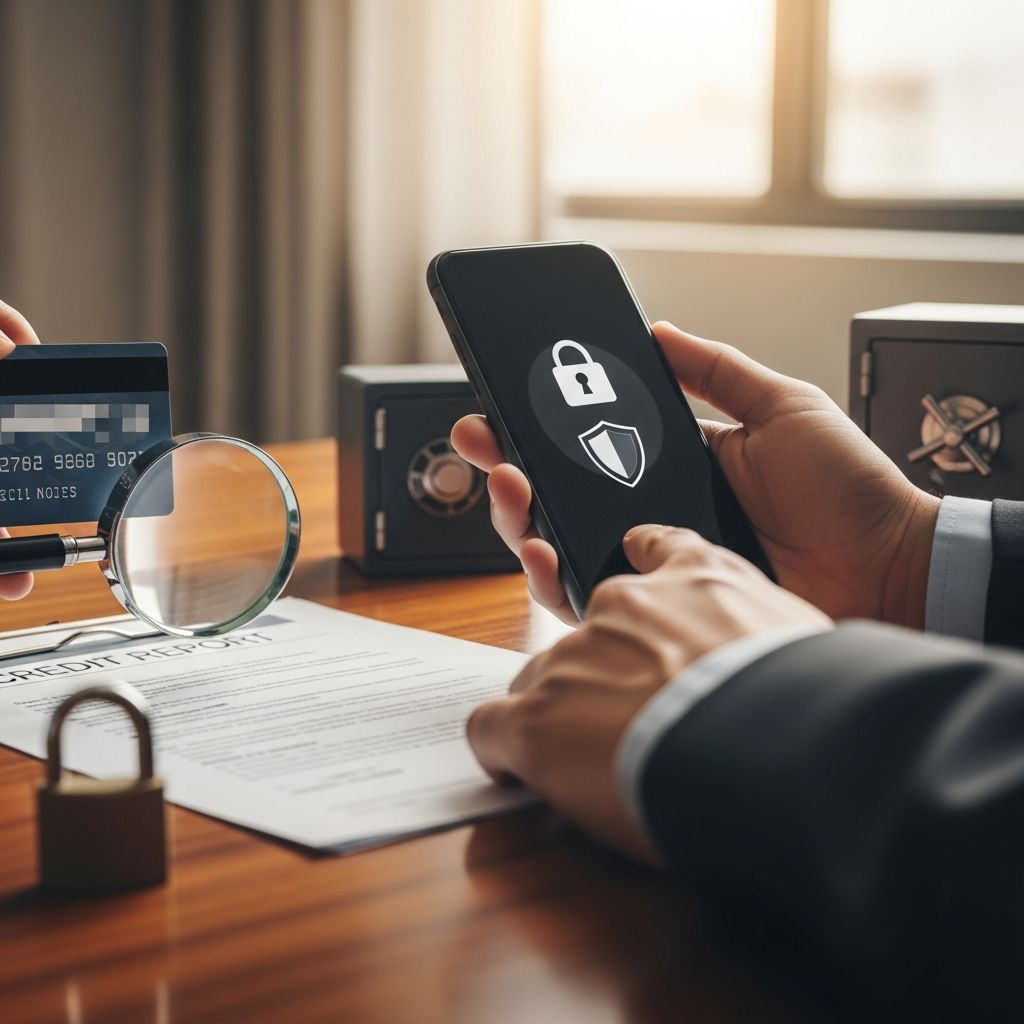
Identity theft represents one of the most disruptive financial crimes a person can experience. When someone uses your personal information without permission to commit fraud, the consequences can extend far beyond immediate financial losses, affecting your credit score, employment prospects, and peace of mind for years to come. Understanding how to respond effectively when identity theft occurs is crucial for minimizing damage and beginning the recovery process. This comprehensive guide outlines the immediate actions, protective measures, and long-term strategies needed to regain control of your financial identity.
Recognizing the Warning Signs of Identity Theft
Before you can address identity theft, you must first recognize that it has occurred. Identity theft rarely announces itself with obvious warnings, which is why developing awareness of common red flags is essential. Many victims discover the problem only after substantial damage has been done, making early detection a critical component of your defense strategy.
One of the earliest indicators involves unexpected correspondence. If you receive bills, account statements, or collection notices for accounts you never opened or services you never used, this represents a significant warning sign. Similarly, statements arriving late or failing to arrive when expected can indicate that a fraudster has redirected your mail or changed your address on existing accounts.
Credit-related rejections also signal potential identity theft. When you apply for a loan, mortgage, or credit card and receive denial despite maintaining excellent credit history and financial standing, fraudulent activity on your credit report may be responsible. Additionally, receiving notification that a company you do business with has experienced a data breach warrants immediate investigation and enhanced monitoring of your accounts.
Unexpected collection calls, demands for payment on unfamiliar debts, or letters from credit bureaus about accounts you don’t recognize all suggest that someone has opened fraudulent accounts in your name. Monitoring your financial statements regularly allows you to catch unauthorized transactions before they compound into major losses.
Immediate Actions to Take Upon Discovery
The hours and days immediately following discovery of identity theft are critical. Rapid response can prevent additional fraud and limit your liability. Begin by contacting your bank and credit card companies to report any fraudulent transactions. Financial institutions have procedures in place to reverse unauthorized charges and protect your accounts from further compromise. Request that your accounts be closed or the cards reissued to prevent continued unauthorized use.
Next, obtain your credit reports from all three major credit reporting agencies: Experian, Equifax, and TransUnion. Review these reports carefully for unfamiliar accounts, inquiries, or information you don’t recognize. You are entitled to one free credit report annually from each bureau through AnnualCreditReport.com, and if you’ve been a victim of identity theft, you may qualify for additional free reports.
Documentation is essential at this stage. Keep detailed records of all fraudulent accounts, unauthorized transactions, and communications with financial institutions and credit bureaus. Save copies of letters, email confirmations, reference numbers, and the names of representatives you speak with. This documentation becomes invaluable evidence if disputes arise or if you need to prove fraud to creditors.
Consider filing a police report with your local law enforcement agency. While police departments have varying levels of responsiveness to identity theft cases, an official police report provides documentation that strengthens your claims when disputing fraudulent accounts and communicating with creditors.
Federal Reporting and Recovery Planning
The Federal Trade Commission operates IdentityTheft.gov, the official government resource for identity theft victims. Filing a report through this platform serves multiple purposes: you receive a personalized recovery plan tailored to your specific situation, you obtain an official identity theft report that carries significant weight with creditors and credit bureaus, and you create an official record of the fraud that may support future disputes or legal action.
The IdentityTheft.gov report walks you through relevant steps based on the types of fraud you’ve experienced, whether involving credit cards, bank accounts, government documents, or other forms of identity misuse. The personalized recovery plan becomes particularly valuable because identity theft takes different forms, and the appropriate response depends on which of your personal information has been compromised and how it’s being used.
Understanding and Implementing Fraud Alerts
A fraud alert is a notification placed on your credit file that alerts creditors to verify your identity before extending new credit. When a lender or creditor reviews your credit report to consider a credit application, they see the fraud alert and must take additional verification steps before proceeding. This protective measure makes it significantly more difficult for identity thieves to open new accounts in your name.
Initial Fraud Alerts last for one year and require creditors to contact you using a phone number you provide before approving any new credit requests. To place an initial fraud alert, contact any of the three major credit bureaus—they are required to notify the others on your behalf. When you place an initial alert, you’re entitled to obtain one free copy of your credit report from each bureau, separate from your annual free reports.
Extended Fraud Alerts provide protection for seven years and require even more rigorous verification procedures. Creditors must contact you in person, by telephone, or through another contact method you designate before issuing new credit. To qualify for an extended alert, you must have filed an identity theft report at IdentityTheft.gov. Extended alerts also remove your name from pre-screened credit offers for five years and entitle you to two free credit reports annually from each bureau.
Military personnel have access to Active-Duty Alerts, which provide two-year protection for those deployed or on active duty. These alerts allow you to designate a personal representative to handle credit verification in your absence.
Credit Freezes: Maximum Protection for New Accounts
A credit freeze restricts access to your credit report, making it nearly impossible for identity thieves to open new accounts in your name. Most lenders require access to your credit report before extending credit, so a freeze effectively blocks this avenue for fraud. Unlike fraud alerts, credit freezes do not automatically notify the other credit bureaus—you must contact each of the three major bureaus individually to freeze your credit with all of them.
Freezing your credit requires a deliberate process. Contact Experian, Equifax, and TransUnion directly, either online or by telephone, to request a credit freeze. Each bureau handles the process independently, and you’ll receive a PIN or password that allows you to temporarily lift the freeze if you need to apply for credit. While the freeze is in place, you remain responsible for paying existing debts, and creditors cannot deny service based on your inability to review new credit applications.
One important limitation: credit freezes prevent the opening of new accounts but do not stop identity thieves from taking over your existing accounts or using your personal information for purposes unrelated to credit. This is why credit freezes work best as part of a comprehensive protective strategy that includes account monitoring and the other measures outlined in this guide.
Removing Fraudulent Information From Your Credit Report
In addition to fraud alerts and freezes, you can request that credit bureaus remove fraudulent information from your credit report—a process called blocking. To initiate blocking, you must send the credit reporting agencies three documents: your identity theft report from IdentityTheft.gov, proof of your identity, and a letter identifying the specific fraudulent accounts and information you want removed.
Credit bureaus must block fraudulent information within four business days of receiving your request and must notify the creditors or companies that furnished the fraudulent information that your identity was stolen. Once notified, these creditors cannot report the fraudulent debt to collection agencies or attempt further collection efforts.
Blocking differs from disputing. While disputing merely questions the accuracy of information on your credit report, blocking removes it entirely based on documented identity theft. This distinction matters because blocked information receives stronger protection and removes the burden of repeated disputes if the same fraudulent account reappears on your credit report.
Long-Term Monitoring and Account Security
Recovery from identity theft extends well beyond the initial response period. Establishing robust monitoring practices helps detect any residual fraudulent activity and prevents future identity theft from progressing unchecked.
Review your bank and credit card statements monthly, examining every transaction for unfamiliar charges. Many banks offer text and email alerts for specific activities such as large transactions, online purchases, or account changes—enroll in these alert programs to receive real-time notifications of suspicious activity. The sooner you discover unauthorized transactions, the faster you can contact your bank to reverse charges and protect your account.
Monitor your credit reports regularly even after the identity theft has been resolved. Continue checking your reports at least annually, and consider checking more frequently in the months and years following the theft. Look for new accounts you don’t recognize, inquiries from creditors you haven’t contacted, or changes in personal information. Many identity thieves return to the same victims repeatedly, so sustained vigilance remains important.
Consider enrolling in credit monitoring or identity theft protection services that continuously monitor your credit reports with all three bureaus and alert you to suspicious changes, new inquiries, or other warning signs. These services provide an additional layer of protection and peace of mind by automating much of the monitoring process.
Protecting Your Information to Prevent Future Theft
While you’re managing the aftermath of identity theft, simultaneously implement practices to reduce the likelihood of future incidents. Shred documents containing sensitive financial information, including bank statements, credit card offers, and old credit cards, before discarding them. Identity thieves often obtain information through dumpster diving and mail theft, so proper document disposal eliminates easy access to your personal data.
Limit the sensitive documents and cards you carry in your wallet. Your Social Security card, for example, should be stored securely at home rather than carried with you daily. When asked for your Social Security number, determine whether providing it is actually necessary or whether you could share only the last four digits. Many organizations request this information out of habit rather than genuine need.
Switch to online banking and paperless statements whenever possible to reduce the volume of sensitive documents entering your mail stream. If you must mail bills, deposit them directly at your bank rather than using your home mailbox where mail theft becomes possible. Consider using bill pay services through your bank, which eliminates the need to mail physical checks.
Frequently Asked Questions About Identity Theft Recovery
How long does it take to recover from identity theft?
Recovery timelines vary based on the extent of the fraud. Simple cases involving one fraudulent account might be resolved in months, while complex situations involving multiple accounts, accounts sent to collections, or significant credit damage may require years to fully resolve. Fraud alerts provide one year of protection, extended alerts last seven years, and some fraudulent accounts may remain on your credit report for up to seven years even after removal requests.
Will identity theft ruin my credit permanently?
While identity theft does damage your credit score, the impact diminishes over time as fraudulent accounts age and your credit repair efforts demonstrate responsible credit behavior. Fraudulent accounts can be removed from your credit report, and once removed, they no longer factor into your credit score calculation. Rebuilding takes time, but recovery is entirely possible.
Am I responsible for paying fraudulent debts?
Federal law limits your liability for unauthorized transactions. For credit card fraud, your liability is typically capped at $50 per card, and many card issuers waive this entirely. For bank account fraud, liability depends on how quickly you report the unauthorized transactions—prompt reporting significantly reduces your responsibility. For accounts opened by identity thieves in your name, you are generally not responsible if you can prove the accounts were opened fraudulently.
Can I sue someone for identity theft?
You may have grounds for civil litigation against the person who stole your identity, though actually collecting damages can be challenging. Civil remedies differ from criminal prosecution—you can pursue both simultaneously. Consulting with an attorney who specializes in identity theft cases helps determine whether litigation is feasible and likely to result in meaningful recovery.
What’s the difference between a fraud alert and a credit freeze?
Fraud alerts encourage creditors to verify your identity through additional steps before extending credit but don’t actually prevent access to your credit report. Credit freezes block creditors from accessing your credit report entirely, preventing account opening without your intervention. Freezes provide stronger protection but require active management when you apply for legitimate credit.
Moving Forward After Identity Theft
Identity theft represents a serious violation of your financial security and personal privacy, but recovery is achievable through systematic action and sustained vigilance. By immediately reporting the theft to the FTC, placing fraud alerts or freezes, monitoring your credit reports, and implementing preventive measures, you regain control over your financial identity. The recovery process requires patience and persistence, but thousands of identity theft victims successfully restore their credit and financial standing each year. Your proactive response to identity theft transforms a potentially devastating situation into a manageable challenge that you can overcome.
References
- What do I do if I’ve been a victim of identity theft? — Consumer Financial Protection Bureau (CFPB). February 2026. https://www.consumerfinance.gov/ask-cfpb/what-do-i-do-if-i-think-i-have-been-a-victim-of-identity-theft-en-31/
- Protect What Matters: Your Guide to Preventing Identity Theft in 2025 — Bank of New Hampshire. 2025. https://bnh.bank/blog/protect-what-matters/
- A 2026 Guide to Identity Theft Protection — Security.org. 2026. https://www.security.org/identity-theft/
- Identity Theft Prevention Guide — Penn State University Office for Research Protections Ethics and Compliance. https://universityethics.psu.edu/our-expertise/privacy/protect-your-privacy/identity-theft-prevention-guide
- How Can I Better Protect Against Identity Theft? — Equifax. 2026. https://www.equifax.com/personal/education/identity-theft/articles/-/learn/how-to-protect-against-identity-theft/
Similar Articles








Read full bio of Sneha Tete