Recovery Guide: What to Do When Identity Theft Occurs
Essential steps to minimize damage and reclaim your identity after theft
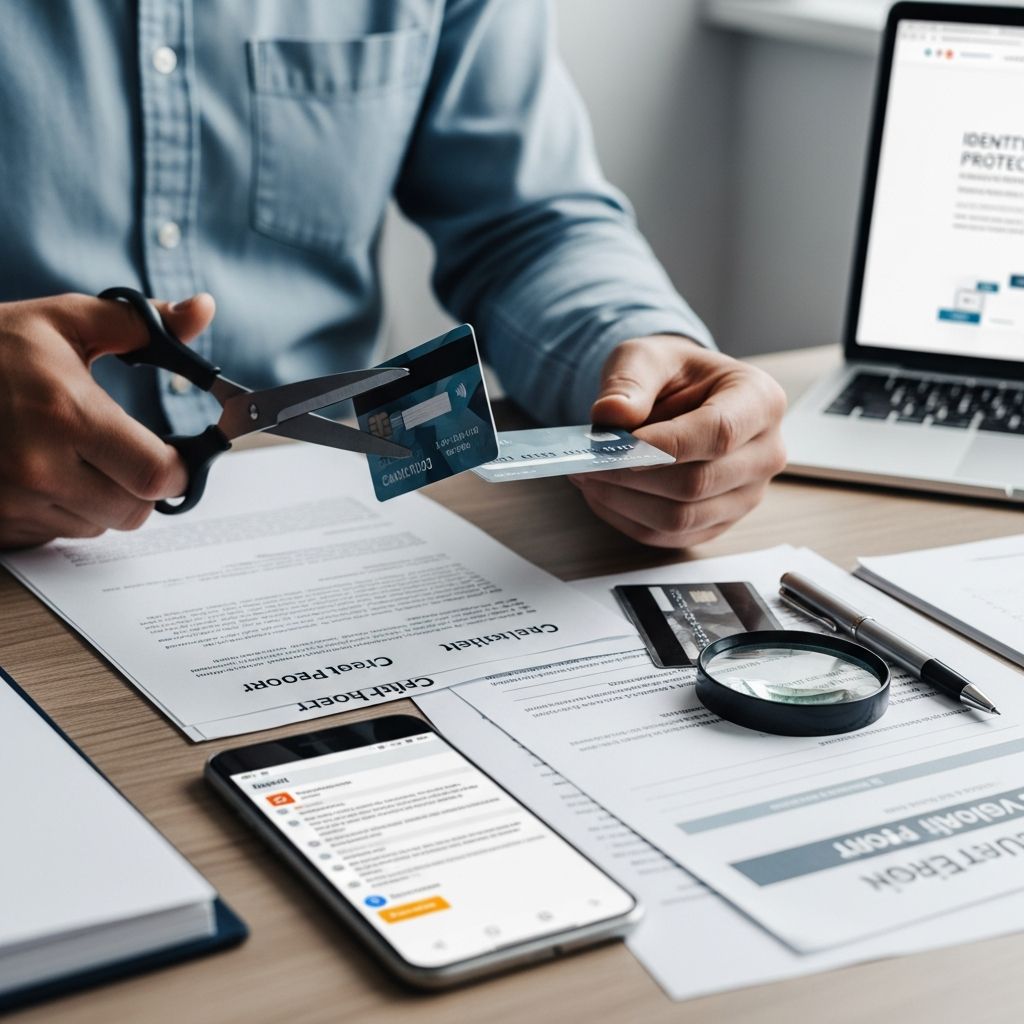
Identity theft represents one of the most consequential crimes affecting individuals today. When someone gains unauthorized access to your personal information and uses it for fraudulent purposes, the consequences can ripple across your financial life for months or even years. However, swift and decisive action can significantly limit the damage and accelerate your recovery. This comprehensive guide outlines the essential steps you should take immediately upon discovering that your identity has been compromised, as well as the ongoing measures necessary to restore your financial security.
Understanding the Immediate Threat
The moments following the discovery of identity theft are critical. Time is your most valuable asset during this phase. When fraudsters access your personal information, they may attempt to open new accounts, make unauthorized purchases, or drain existing financial resources. The longer you wait to respond, the more damage they can potentially inflict. Therefore, recognizing the signs of identity theft—such as unfamiliar accounts on your credit report, unexpected bills, or missing financial statements—should trigger immediate action rather than careful deliberation.
Identity theft occurs when someone uses your personal information without authorization, such as your name, Social Security number, or bank account details, to commit fraud or other crimes. Victims often face significant financial losses, compromised credit histories, and considerable time spent repairing the damage. Understanding this reality underscores the importance of rapid response once you suspect your identity has been stolen.
Your First 24 Hours: Critical Initial Actions
Contact Your Financial Institutions Immediately
Your first priority should be reaching out directly to your banks and credit card companies. Inform them that your accounts may have been compromised and request that they review recent transactions for unauthorized activity. Ask your financial institution to close any accounts you suspect have been fraudulently accessed and to issue new account numbers and cards. Document the date, time, and name of every representative you speak with during these conversations, as this documentation will become part of your recovery file.
When you contact your financial institution to close compromised accounts and dispute fraudulent charges, provide them with specific details about which transactions appear unauthorized. Be prepared to describe when you first noticed the fraud and whether you authorized any of the questionable charges. Banks typically have processes in place to investigate disputed transactions, and your proactive reporting strengthens your position in these disputes.
Place Fraud Alerts on Your Credit Reports
Simultaneously, you should contact the three major credit reporting bureaus—Equifax, Experian, and TransUnion—to place fraud alerts on your accounts. The good news is that just one phone call can trigger fraud alerts across all three bureaus. A fraud alert notifies potential creditors to verify your identity through additional steps before approving new credit applications, making it substantially more difficult for thieves to open accounts in your name.
Fraud alerts remain active on your credit file for one year and can be renewed if you remain at risk. This single action creates a significant barrier between criminals and your credit profile, as lenders become more cautious about extending credit when they see an active alert.
File an Official Report
Visit IdentityTheft.gov—the official government resource managed by the Federal Trade Commission—to file a comprehensive identity theft report. This website guides you through a detailed questionnaire about your situation and generates a personalized recovery plan tailored to your specific circumstances. The value of this step cannot be overstated: the official report you create serves as FTC documentation that you can provide to creditors, financial institutions, and law enforcement, demonstrating that you reported the theft and began recovery efforts.
IdentityTheft.gov provides not only the means to report your identity theft but also educational resources about your rights and the recovery process. Having official documentation from the FTC significantly strengthens your position when disputing fraudulent accounts or unauthorized charges.
Week One: Building Your Recovery Framework
Request Your Credit Reports
After placing fraud alerts, you are entitled to receive free credit reports from all three bureaus. You can access these reports through AnnualCreditReport.com, the authorized site for obtaining complimentary reports. Carefully review each report for unfamiliar accounts, hard inquiries, or other suspicious activity. Document every discrepancy you discover, noting the account name, account number, when it was opened, and the current balance.
These reports become your roadmap for identifying all the ways criminals may have exploited your identity. Some unauthorized accounts may be obvious, while others might be subtle. Taking time to thoroughly examine these reports during the first week establishes the foundation for your dispute process.
Dispute Fraudulent Accounts and Charges
For each unauthorized account you identify on your credit reports, file a formal dispute with the credit bureau that is reporting it. These disputes should be submitted in writing and should include copies of your FTC identity theft report and any supporting documentation. Provide clear explanations of why each account is fraudulent and request that it be removed from your credit file.
Similarly, contact the creditors directly for any unauthorized accounts and inform them that the accounts are fraudulent. Request written confirmation that they have closed the accounts and marked them as fraud-related. This two-pronged approach—disputing with both credit bureaus and creditors—ensures comprehensive coverage of your recovery efforts.
Change Your Passwords and Secure Your Email
Your email account is the gateway to most of your other online accounts. If fraudsters have access to your email, they can reset passwords, intercept recovery communications, and gain entry to multiple accounts simultaneously. Therefore, changing your email password should be a priority in the first week. Create a strong, unique password that includes a mix of uppercase and lowercase letters, numbers, and special characters.
After securing your email, systematically change passwords for all critical accounts—banking, investment, credit cards, and any accounts containing sensitive personal information. While this is time-consuming, it significantly reduces the risk that fraudsters can continue accessing your accounts.
Ongoing Monitoring: Your Long-Term Protection Strategy
Establish Regular Credit Report Monitoring
At a minimum, you should review your complete credit report from each bureau annually to identify any new errors or fraudulent activity. However, following identity theft, consider checking your reports every three months during your first year of recovery. This frequent monitoring allows you to spot emerging fraud quickly and take corrective action before additional damage occurs.
Many consumers also opt for credit monitoring services that alert them to changes on their credit reports, such as new inquiries or account openings. While these services come at a cost, they provide peace of mind and early warning systems for potential fraud.
Monitor Bank and Credit Card Statements Diligently
Reviewing your bank and credit card statements regularly remains one of the most effective fraud detection methods. Smart fraudsters often attempt to camouflage their activity by making small, inconspicuous charges in hopes that you won’t notice. Therefore, examine your statements at least monthly, looking for any transactions you don’t recognize, no matter how small. Pay particular attention to merchants you don’t typically use and verify the amounts of familiar transactions.
Create a system for tracking your statements—whether digital or paper-based—that makes it easy to compare current activity against your normal spending patterns. The sooner you identify unauthorized transactions, the sooner you can dispute them and prevent additional fraud.
Know Your Billing Timeline
Part of effective monitoring involves understanding when you should expect to receive bills and statements. If a bill doesn’t arrive when anticipated, this may signal that a fraudster has changed your contact information with a creditor. Contact the creditor immediately to verify your address and ask about any recent account changes. Taking this extra step can help you catch fraud that might otherwise go undetected for months.
Specialized Considerations
Medical and Insurance Information
If you suspect that your health insurance information has been compromised, review your health insurance statements carefully. Verify that all claims listed are actually services you received and that the charges match your medical records. Medical identity theft can result in fraudulent charges to your account and complications with your medical records, both of which require prompt attention.
Social Security Number Protection
If your Social Security number has been exposed in a breach, a credit freeze becomes especially important as an additional protective measure. Consider implementing a freeze on your credit file in addition to the fraud alert. While a fraud alert notifies creditors to be more careful, a credit freeze prevents access to your credit report entirely, making it nearly impossible for anyone to open new accounts in your name without your explicit consent to unfreeze your credit.
Document Everything
Throughout your recovery process, maintain detailed records of every action you take. Create a file containing copies of all correspondence with creditors and credit bureaus, notes from phone conversations (including dates, times, and names of representatives), and receipts of documents you’ve mailed. This comprehensive documentation serves multiple purposes: it protects you in disputes, demonstrates the extent of your recovery efforts to creditors, and provides evidence if you need to involve law enforcement.
When to Seek Additional Help
If your identity theft situation is particularly complex—involving multiple fraudulent accounts, significant financial loss, or criminal activity—consider consulting with an identity theft attorney or a credit repair service. While legitimate credit repair companies cannot remove accurate negative information from your credit reports, they can help navigate complex disputes and ensure you understand your rights throughout the recovery process.
Looking Forward
Recovery from identity theft requires patience and persistence, but by following these systematic steps, you can reclaim your financial security. The key is to respond quickly when you discover fraud, maintain detailed records of your recovery efforts, and commit to ongoing monitoring to prevent future incidents. While the process demands time and attention, thousands of individuals successfully recover from identity theft each year by following these proven strategies.
References
- TopLine Credit Union – How to Prevent Identity Theft in 2026: 12 Essential Tips — TopLine CU. 2026. https://www.toplinecu.com/resources/blog/how-prevent-identity-theft
- Federal Trade Commission – Planning for 2026: Add Identity Theft Awareness Week to Your Calendar — Consumer FTC. December 2025. https://consumer.ftc.gov/consumer-alerts/2025/12/planning-2026-add-identity-theft-awareness-week-your-calendar
- IdentityTheft.gov Official Identity Theft Report — Federal Trade Commission. https://www.identitytheft.gov
- MyBank.com – Identity Theft Awareness Week: Steps to Protect Yourself — MyBank.com. January 2026. https://mybank.com/blog/identity-theft-awareness-week-steps-to-protect-yourself/
- First National Bank – Identity Theft Prevention Week 2026 — First National Bank. January 2026. https://www.fnb247.com/education-center/news/press-releases/identity-theft-prevention-week-2026/
- Future Proof – Identity Theft Awareness Week 2026: 4 Steps to Protect Your Data — Futureproof.app. January 2026. https://futureproof.app/blog/identity-theft-awareness-week-2026-how-to-protect-your-data-all-year/
- ADVIA Credit Union – Stay Safe in 2026: Your Guide to Fraud & Identity Theft Protection — ADVIA CU. January 2026. https://www.adviacu.org/resources/information-center/advia-financial-blog/advantageswithadvia/2026/01/22/stay-safe-in-2026–your-guide-to-fraud—identity-theft-protection
Similar Articles








Read full bio of Sneha Tete