Identity Theft Prevention Guide 2026
Essential strategies to safeguard your personal information and stay ahead of evolving cyber threats in 2026.
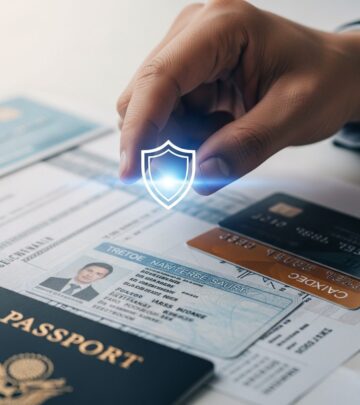
Identity theft remains one of the most pervasive threats in the digital age, impacting millions annually across the United States. With cybercriminals leveraging advanced AI tools and exploiting personal data breaches, proactive measures are crucial for protection. This guide outlines actionable strategies to minimize risks, drawing from official recommendations and security best practices.
Understanding the Scope of Identity Theft Risks
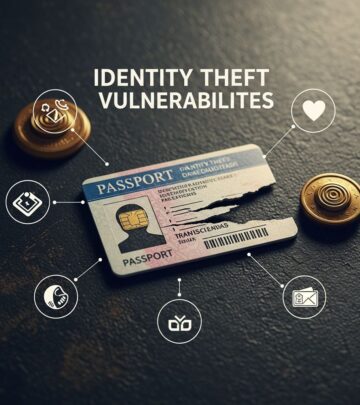
Identity theft occurs when unauthorized individuals access and misuse your personal information, such as Social Security numbers, bank details, or credit histories, leading to financial losses, damaged credit, and emotional distress. In 2026, over 1 million cases are reported yearly, often through phishing, data breaches, or physical document theft. Common vectors include unsecured online accounts, public Wi-Fi, and discarded sensitive papers. Early detection through vigilant monitoring can limit damage, but prevention starts with foundational habits.
Building Robust Digital Defenses
Securing your online presence is the first line of defense. Start by creating strong, unique passwords for every account. Passwords should combine uppercase and lowercase letters, numbers, and symbols, exceeding 12 characters to resist AI-powered cracking tools. Avoid reusing passwords across sites; instead, utilize a reputable password manager to generate and store them securely.
Enable two-factor authentication (2FA) wherever possible. This requires a second verification step, like an app-generated code, beyond your password. Prefer authenticator apps over SMS to avoid interception risks. Major platforms, including banks and social media, support 2FA, significantly reducing unauthorized access even if credentials are compromised.
Device Security Essentials
- Install reputable antivirus software on all devices to block malware, spyware, and ransomware.
- Enable full-disk encryption to protect data if a device is lost or stolen.
- Keep operating systems and apps updated to patch known vulnerabilities.
Antivirus solutions with active protection detect anomalous behaviors, such as keyloggers harvesting credentials, and neutralize them in real time.
Leveraging Credit Protection Tools
Credit monitoring and freezes are powerful preventatives. Regularly review free credit reports from major bureaus to spot unauthorized accounts or inquiries. Place a credit freeze to block new credit openings in your name without your consent; it’s free and reversible online. This is especially vital after data breaches exposing your Social Security number.
Set up fraud alerts, requiring lenders to verify your identity before approving credit. Combine these with bank statement reviews for unfamiliar charges, reporting issues immediately.
| Tool | Purpose | How to Implement |
|---|---|---|
| Credit Freeze | Prevents new credit accounts | Request via bureau websites (free) |
| Fraud Alert | Triggers ID verification | Place with one bureau; shared automatically |
| Credit Monitoring | Alerts on changes | Free annual reports or paid services |
Physical and Data Disposal Safeguards
Prevent ‘dumpster diving’ by shredding documents containing personal identifiable information (PII), like bank statements, receipts, and pre-approved credit offers. Use a secure mailbox for incoming mail and permanently delete sensitive emails rather than archiving them.
When sharing data online, ensure sites use HTTPS encryption, indicated by a padlock icon. Avoid transmitting sensitive info over unsecured connections.
Advanced Strategies for 2026 Threats
Adopt identity-first security by monitoring access patterns continuously. Tools like behavioral analytics flag anomalies, such as logins from unusual locations or times. Enforce least-privilege access, revoking ex-employee permissions immediately to limit breach impacts.
For organizations or high-risk users, integrate layered verification that adapts to session risks, often mandated by cybersecurity insurers. Harden recovery protocols by training support staff on social engineering detection.
Tailored Protection for Vulnerable Groups
Protecting Children
Children’s pristine credit histories attract thieves. Store Social Security cards securely, freeze their credit files, and apply parental controls on devices. Educate them on safe online habits early.
Safeguarding Seniors
Older adults face heightened scam risks via phone or mail. Advise ignoring unsolicited info requests, using strong account security, and verifying caller identities.
Role of Identity Protection Services
Comprehensive services monitor credit, dark web exposures, criminal records, and more, alerting you to threats. Features include breach notifications, recovery assistance, and insurance. These outperform manual checks by scanning vast data sources continuously.
- Credit and financial account monitoring
- Dark web scans for leaked PII
- Identity restoration support
- Secure backups and VPNs
Recognizing and Responding to Phishing
Phishing emails and calls mimic trusted entities to extract data. Scrutinize URLs, avoid clicking suspicious links, and never share info unsolicited. Use antivirus with phishing detection.
Frequently Asked Questions (FAQs)
What is the fastest way to stop identity thieves from opening accounts?
A credit freeze is the quickest method, preventing access to your credit file without lifting it first.
Should I use the same password everywhere?
No, unique passwords per account are essential; password managers simplify this.
How often should I check my credit report?
At least annually for free, or weekly via monitoring services for high-risk individuals.
Is 2FA foolproof?
No, but it blocks most attacks; use app-based over SMS.
What if my data is breached?
Freeze credit, monitor accounts, change passwords, and consider protection services.
Daily Habits for Long-Term Security
Incorporate routines like weekly statement reviews, monthly password updates for critical accounts, and annual security audits. Limit shared personal data online and use virtual cards for purchases. Stay informed via FTC resources on emerging threats.
By layering these defenses—digital, physical, and monitoring—you create formidable barriers against identity theft. Prevention demands consistency, but the payoff is peace of mind and financial integrity.
References
- Identity Protection Is Your New Primary Defense in 2026 — Grassi Advisors. 2026. https://www.grassiadvisors.com/blog/identity-protection-is-your-new-primary-defense-in-2026/
- 10 Smart Ways to Prevent Identity Theft — Acronis. 2026. https://www.acronis.com/en/blog/posts/10-smart-ways-to-prevent-identity-theft/
- How to Prevent Identity Theft: Best Practices for Protection — MetLife. 2026. https://www.metlife.com/stories/identity-theft/how-to-prevent-identity-theft-best-practices-for-protection/
- Identity Theft Awareness Week: Steps to Protect Yourself — MyBank. 2026. https://mybank.com/blog/identity-theft-awareness-week-steps-to-protect-yourself/
- Identity Theft Preventative Measures Checklist — Pennsylvania Attorney General. 2026. https://www.attorneygeneral.gov/protect-yourself/identity-theft/identity-theft-preventative-measures-checklist/
- A 2026 Guide to Identity Theft Protection — Security.org. 2026. https://www.security.org/identity-theft/
- Identity Theft and Online Security — Federal Trade Commission (FTC). 2026. https://consumer.ftc.gov/identity-theft-online-security
Similar Articles








Read full bio of medha deb