Identifying Your Work Values: A Complete Guide
Discover how to identify and align your work values with your career goals.

Understanding Work Values and Their Importance
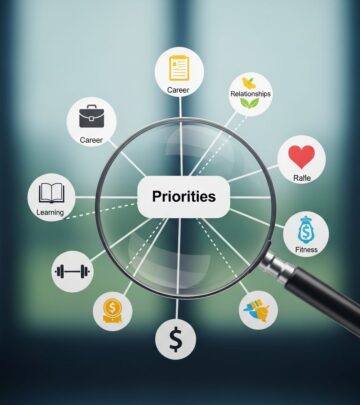
Work values represent the deeply held beliefs and principles that guide your professional decisions and actions in the workplace. These fundamental ideals serve as your personal compass, helping you navigate career choices and determine which opportunities align with what matters most to you. Understanding your work values is essential because they directly influence your job satisfaction, career longevity, and overall sense of accomplishment.
Your principles and beliefs are foundational to your professional satisfaction and the career paths you choose. When your job aligns with your personal values, you experience greater engagement, motivation, and fulfillment. Conversely, when there’s a disconnect between your values and your work environment, it can lead to frustration, burnout, and reduced productivity.
The Three Main Categories of Work Values
Work values typically fall into three distinct categories, each serving different aspects of your professional life. Understanding these categories helps you comprehensively evaluate potential career opportunities and workplace environments.
Work Values
Work values encompass the practical aspects of employment that directly impact your daily professional experience. These include compensation, working conditions, career advancement opportunities, and the nature of the work itself. Common work values include:
- Autonomy: Valuing the freedom to make independent decisions, work with minimal supervision, and enjoy authority over managing your tasks and projects
- Creativity: Expressing innovative ideas and finding unique solutions to challenges in a psychologically safe environment
- Job Security: Appreciating career consistency in roles with long-term prospects
- Work-Life Balance: Prioritizing flexible schedules, remote work opportunities, and ample paid time off to recharge
- Financial Reward: Seeking roles with competitive salaries, enticing bonuses, and clear paths for financial growth
- Leadership: Possessing an innate drive to lead, guide, and make decisions that shape the organization’s future
- Innovation: Pioneering ideas and cutting-edge technologies in environments that celebrate forward-thinking approaches
- Prestige: Having a job where you are looked up to, both in the workplace and social settings
- Achievement: Having a job where you can see that you have accomplished something meaningful and feel success
Ethical Values
Ethical values relate to your moral principles and how you conduct yourself professionally. These values determine your integrity in the workplace and how you treat others. Key ethical values include:
- Integrity: Focusing on doing the right thing, even when no one’s looking, and maintaining high ethical standards
- Loyalty: Sticking with employers through challenges and valuing long-term relationships built on mutual trust
- Attention to Detail: Producing high-quality work by taking pride in catching small details others might overlook
- Reliability: Demonstrating consistency in performance, meeting deadlines, and upholding commitments
- Transparency: Sharing business decisions and relevant information openly with internal and external stakeholders
- Fairness: Committing to treating everyone equally, without bias or discrimination, while celebrating diversity
- Accountability: Taking responsibility for your actions and results, holding yourself and others to high standards
Cultural Values
Cultural values reflect the organizational environment and social aspects of your workplace. These values shape how you interact with colleagues and contribute to the broader organizational mission. Important cultural values include:
- Diversity and Inclusion: Promoting equality, inclusivity, and diversity in all operational aspects
- Customer-Centricity: Focusing on delivering exceptional service and customer satisfaction
- Professional Development: Maximizing learning and growth opportunities such as training, clear advancement pathways, and skill enhancement
- Teamwork: Cherishing a collaborative environment where effective communication, shared knowledge, and collective effort lead to achieving common goals
- Excellence: Aiming for continuous improvement and outstanding results in all endeavors
- Sense of Community: Participating in an organization actively involved in making a positive difference through volunteering or philanthropy
- Social Impact: Gravitating towards careers in nonprofits or roles where your efforts directly contribute to the greater good
- Environmental: Prioritizing eco-friendly values in companies that practice social responsibility
Additional Important Work Values to Consider
Beyond the three main categories, several other work values deserve consideration when evaluating career opportunities:
- Moral Fulfillment: Feeling that your work is contributing to ideals you find very important
- Challenge: Having a job that tests what you already know and keeps you learning
- Supervise Others: Having a job in which you are directly responsible for work done by others
- Safe and Comfortable Environment: Having a job where your safety is not a concern and you work in a clean, comfortable setting
- Job Tranquility: Avoiding pressure and the “rat race” in your job role and work setting
- Ownership: Taking initiative, owning both successes and failures, and proactively solving problems
How to Identify Your Personal Work Values
Identifying your work values is a systematic process that requires self-reflection and honest assessment. Follow these steps to discover what truly matters to you professionally.
Step 1: Reflect on Your Past Experiences
Begin by examining your previous jobs and experiences. Think about times when you felt most satisfied, engaged, and motivated. What were you doing? Who were you working with? What aspects of those roles brought you the most fulfillment? Conversely, identify situations where you felt frustrated or dissatisfied. Understanding these patterns reveals your underlying values.
Step 2: Create an Initial Values List
Based on your reflections, create a preliminary list of values that resonate with you. Consider which of the work, ethical, and cultural values mentioned above feel most important to your professional identity. Here are some examples to consider:
- Being part of a diverse team
- Making a positive impact in my local community
- Experimenting with innovative technologies
- Having financial stability
- Enjoying autonomy in decision-making
- Cultivating strong relationships with colleagues
- Belonging to an organization with transparency as a core company value
- Contributing to environmentally friendly practices within the company
- Receiving opportunities for continued learning and development
- Using my creativity daily
Step 3: Prioritize Your Values
Not all values carry equal weight. Review your preliminary list and rank them in order of importance. Which values are non-negotiable? Which could you compromise on if necessary? This prioritization helps you make decisions when opportunities require trade-offs between different values.
Step 4: Validate Your Values Against Reality
Test your identified values by evaluating them against your current or past jobs. Do these values explain your satisfaction or dissatisfaction in previous roles? Do they align with the career path you’re considering? This validation ensures your values assessment is grounded in real experience.
Understanding Value Conflicts in the Workplace
Value conflicts arise when your personal work values clash with those of your colleagues, manager, or organization. Recognizing these conflicts early helps you address them constructively.
Common Value Conflicts
Several types of value misalignments frequently occur in workplace settings:
- Respect vs. Humor: If a coworker constantly makes jokes about a serious topic you hold dear, the clashing values might be respect for others versus humor
- Personal Achievement vs. Collective Success: If a coworker prioritizes individual recognition and advancement while you value teamwork and collaboration, these values directly conflict
- Autonomy vs. Accountability: When your need for independence clashes with organizational requirements for oversight
- Innovation vs. Stability: When you value experimentation but your organization prioritizes proven methods
- Transparency vs. Confidentiality: When your values about open communication conflict with organizational security needs
Applying Your Work Values to Career Decisions
Once you’ve identified your core work values, use them as a framework for making career decisions. When evaluating job opportunities, ask yourself:
- Does this role allow me to express my core values?
- Does the organizational culture align with my ethical values?
- Will this position support my highest-priority work values?
- Are there potential value conflicts I should consider?
- Does the company’s mission resonate with my values?
Aligning Your Career with Your Values
Career satisfaction increases significantly when your work aligns with your personal values. This alignment means you’re not just earning income; you’re also fulfilling your professional purpose. When values and work are synchronized, you experience:
- Greater job engagement and motivation
- Improved performance and productivity
- Stronger relationships with colleagues and supervisors
- Enhanced sense of purpose and fulfillment
- Better work-life integration
- Reduced stress and burnout
- Long-term career satisfaction and longevity
Frequently Asked Questions
Q: How often should I reassess my work values?
A: Your values may evolve as you gain experience, life circumstances change, and you grow professionally. It’s beneficial to reassess your work values every 2-3 years or whenever you face a significant career decision or life transition. Major changes in your personal life, industry shifts, or company culture changes may also warrant a values reassessment.
Q: Can work values conflict with personal values?
A: Yes, sometimes they do. For example, you might value family time personally but work in an organization that expects long hours. Identifying these conflicts helps you find roles or companies that better support your complete value system, ensuring greater overall life satisfaction.
Q: What if my employer’s values don’t match mine?
A: When organizational values conflict significantly with your personal values, you have several options: discuss the misalignment with your manager, seek opportunities within the company that better align with your values, explore different departments, or consider transitioning to a company whose culture matches yours more closely.
Q: How do I communicate my values in a job interview?
A: Research the company’s stated values and mission before your interview. During the conversation, ask thoughtful questions about the organization’s culture and values. Share relevant examples from your experience that demonstrate your core values in action, showing how they’ve guided your decisions and work style.
Q: Can I have too many values?
A: While acknowledging multiple values is normal, having too many can create confusion and make decision-making difficult. Focus on identifying your 5-10 core values that truly define your professional priorities. This concentrated list makes it easier to evaluate opportunities and make consistent career choices.
Q: How do values differ from skills and interests?
A: Values are what matters to you fundamentally, skills are what you can do well, and interests are what you enjoy doing. For example, you might have strong data analysis skills, be interested in environmental issues, but value work-life balance. All three elements together shape your ideal career.
Conclusion
Identifying your work values is a crucial step in building a satisfying and meaningful career. By understanding what truly matters to you professionally—whether it’s autonomy, social impact, excellence, or any combination of values—you gain clarity in making career decisions that align with your authentic self. Take time to reflect on your experiences, prioritize your values, and use them as your guide when evaluating opportunities. Your work values are not fixed; they may evolve as you grow professionally. Regularly reassessing and realigning your career with your values ensures lasting satisfaction and fulfillment in your professional life.
References
- What Are Work Values? 21 Examples and How To Define Your Own — BeApplied. 2024. https://spotlight.beapplied.com/posts/what-are-work-values-21-examples-and-how-to-define-your-own
- Work Values — Dr. Joseph H. Hammer. 2024. https://drjosephhammer.com/resources/systematic-career-exploration-approach-scea/step-3-narrow-your-occupations-roster/work-values/
- Understanding Core Work Values — Walden University. 2024. https://www.waldenu.edu/programs/resource/understanding-core-work-values
- 27 Examples of Core Values in the Workplace To Inspire Yours — AIHR. 2024. https://www.aihr.com/blog/examples-of-core-values-in-the-workplace/
- Core Values in the Workplace: 80 Powerful Examples — Indeed.com. 2024. https://www.indeed.com/career-advice/career-development/core-values
- Determining Workplace Values — Towson University. 2024. https://www.towson.edu/careercenter/planning-resources/workplace-values/determining-values.html
- Identify Your Work Values — Government of Alberta (alis). 2024. https://alis.alberta.ca/plan-your-career/identify-your-work-values/
Similar Articles








Read full bio of medha deb