Credit Utilization: How To Hit Under 10% For Top Scores
Discover the optimal credit utilization levels that boost your score, plus proven strategies to achieve and maintain them for better financial opportunities.
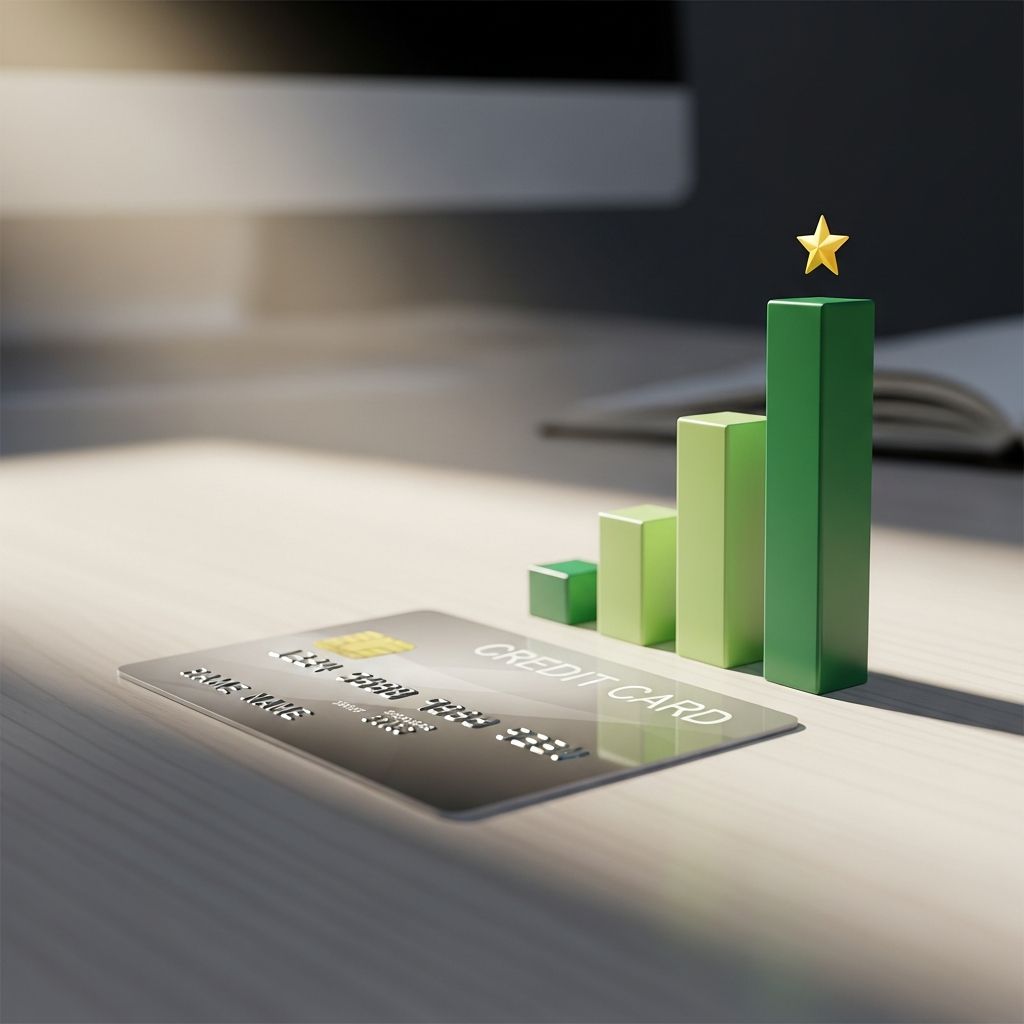
Credit utilization represents the portion of your available revolving credit that you’re actively using, serving as a key indicator of financial responsibility to lenders. Maintaining it below 30% is widely recommended for solid credit health, while levels under 10% correlate with the highest scores.
Defining Credit Utilization in Simple Terms
At its core, credit utilization is a ratio comparing your current credit card balances to your total credit limits across all accounts. This metric helps creditors assess your reliance on borrowed funds and your capacity to handle debt without overextending. Unlike fixed loans such as mortgages, revolving credit like credit cards allows ongoing borrowing up to a limit, making utilization a dynamic measure that fluctuates with spending and payments.
Financial institutions and scoring models, including FICO, weigh this factor heavily—around 30% of your overall score—because it reveals spending patterns and risk levels. A balanced approach shows lenders you’re borrowing judiciously, not maxing out lines, which builds trust and opens doors to favorable terms.
Why This Metric Drives Your Creditworthiness
Lenders scrutinize utilization to predict default risk: high ratios suggest potential cash flow issues, while low ones indicate discipline. For instance, carrying balances near your limits signals overdependence on credit, potentially raising red flags even if payments are timely.
Conversely, prudent usage demonstrates control, enhancing your profile for approvals on loans, cards, or mortgages. It influences not just score calculations but also interest rates and credit ceilings offered. In competitive lending environments, a strong utilization profile can mean thousands saved on financing costs over time.
Breaking Down the Calculation Process
To compute your overall ratio, sum balances across all revolving accounts and divide by total limits, then multiply by 100 for the percentage. Individual card ratios matter too, as maxed-out cards can drag scores despite a low aggregate.
| Example Scenario | Total Limits | Total Balances | Utilization Ratio |
|---|---|---|---|
| Single Card | $5,000 | $1,500 | 30% |
| Two Cards | $10,000 | $2,000 | 20% |
| High on One, Low Overall | $10,000 | $3,000 (90% on one card) | 30% |
This table illustrates how distribution affects perception: even a decent overall rate falters if one account spikes. Reports to bureaus reflect statement balances, typically monthly closing dates, so timing payments strategically impacts snapshots.
Benchmark Levels for Optimal Performance
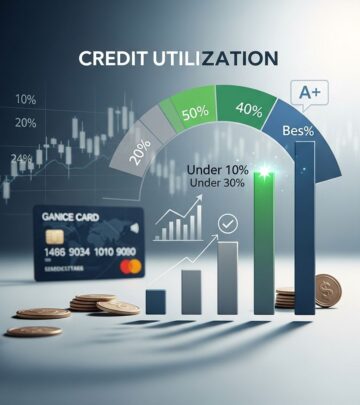
- Under 10%: Associated with top-tier scores (800+ FICO); ideal for premium approvals and lowest rates.
- 10-30%: Considered good; maintains strong scores and broad eligibility without elite status.
- Over 30%: Risky territory; signals strain, often dropping scores 50-100 points or more.
- 90%+ on any card: Severely penalizes, regardless of aggregate.
These thresholds aren’t arbitrary—data from scoring algorithms confirms low utilization as a consistent booster. Elite scorers average single digits, underscoring the value of restraint.
Direct Effects on Scoring Models
FICO and VantageScore prioritize utilization second only to payment history. Spikes from seasonal spending or emergencies cause immediate dips, but reductions yield quick rebounds—often within a billing cycle. Per-card ratios amplify this: a 100% used card harms more than balanced distribution.
Long-term, chronic high usage erodes scores gradually, compounding denials and rate hikes. Proactive management counters this, fostering upward trends.
Real-World Advantages of Low Ratios
Beyond scores, low utilization unlocks tangible gains:
- Superior loan/mortgage rates, potentially saving hundreds monthly.
- Higher approval odds for premium cards and limits.
- Emergency buffers without score hits.
- Negotiation leverage for better terms.
Homebuyers, for example, benefit as utilization influences debt-to-income perceptions alongside scores. Overall, it cultivates financial agility.
Practical Tactics to Lower and Stabilize
- Pay Balances Frequently: Mid-cycle payments reduce reported figures before statements close.
- Request Limit Increases: Boosts denominator if spending stays flat; inquire without hard pulls.
- Add Accounts Strategically: Spreads usage; avoid new debt.
- Debt Snowball/Focus High-Utilization Cards: Targets worst offenders first.
- Automate Minimums Plus Extra: Ensures consistency.
Track via free bureau tools or apps for real-time monitoring. Avoid closing old cards, as it shrinks limits and spikes ratios.
Common Missteps and How to Avoid Them
Many err by chasing zero balances—closing unused cards hurts history length and limits. Ignoring per-card ratios lets outliers undermine aggregates. Post-increase splurges erase gains. Balance transfers help but watch fees and new inquiries.
High earners sometimes overlook creeping utilization from subscriptions; regular audits prevent this. Discipline trumps windfalls.
Advanced Strategies for Peak Optimization
For scores above 800, maintain 1-9% via authorized users sharing low-utilization lines (with oversight). Time large purchases post-payment for low snapshots. Consolidate via personal loans if rates favor, freeing revolving space.
Monitor inquiries, as new credit temporarily dings while limits adjust. Annual credit report reviews catch errors inflating balances.
Utilization in Broader Financial Planning
Integrate with budgeting: allocate 20-25% of limits as ‘safe spend’ zones. Pair with emergency funds to minimize reliance. For big goals like homeownership, preemptively optimize 3-6 months ahead.
This metric interlinks with income stability, savings rates, and investment—low utilization amplifies all.
Frequently Asked Questions
Does paying before statement close affect utilization?
Yes, balances at close date report to bureaus, so early payments lower ratios effectively.
Is 0% utilization ideal?
Not always; some activity shows credit use positively, but very low (under 10%) suffices.
How soon do changes impact scores?
Typically 1-2 months post-reporting, though fluctuations vary by model.
Should I close paid-off cards?
No, preserves limits and history; keep active minimally.
Does utilization affect non-credit card debt?
Only revolving/open-end credit; ignores installment like auto loans.
Long-Term Habits for Sustained Success
Embed utilization checks in monthly reviews alongside budgets. Educate on scoring nuances empowers informed choices. Over years, this builds unassailable credit, securing life’s milestones affordably.
Consistent low ratios compound into financial freedom: easier refinances, business launches, retirements.
References
- Understanding Credit Utilization and Its Impact on Your Financial Health — Eastrise. 2023-05-15. https://www.eastrise.com/blog/understanding-credit-utilization-and-its-impact-on-your-financial-health/
- What is Credit Utilization – How Does it Impact Credit Score? — Launch Credit Union. 2024-02-10. https://www.launchcu.com/blog/what-is-credit-utilization-how-does-it-impact-credit-score/
- What’s a Credit Utilization Ratio? — Navy Federal Credit Union. 2024-08-22. https://www.navyfederal.org/makingcents/credit-debt/whats-a-credit-utilization-ratio.html
- Why Your Credit Utilization Ratio Matters — First Mutual Holding. 2023-11-07. https://www.firstmutualholding.com/resources/why-your-credit-utilization-ratio-matters/
- What Is a Credit Utilization Rate? — Experian. 2025-01-14. https://www.experian.com/blogs/ask-experian/credit-education/score-basics/credit-utilization-rate/
- How Much Does Credit Card Usage Affect My Credit Score? — Community First FL. 2024-06-19. https://www.communityfirstfl.org/resources/blog/how-much-does-credit-card-usage-affect-my-credit-score-e853e0b627cf8f1421d2189f16c51e9d
- Credit Utilization and Homeownership — Bank Southern. 2024-03-28. https://banksouthern.com/credit-utilization-and-homeownership/
Similar Articles








Read full bio of Sneha Tete