Hybrid Cards: Build Credit with Debit Safety
Discover how hybrid debit-credit cards merge spending control with credit-building power for smarter financial habits.
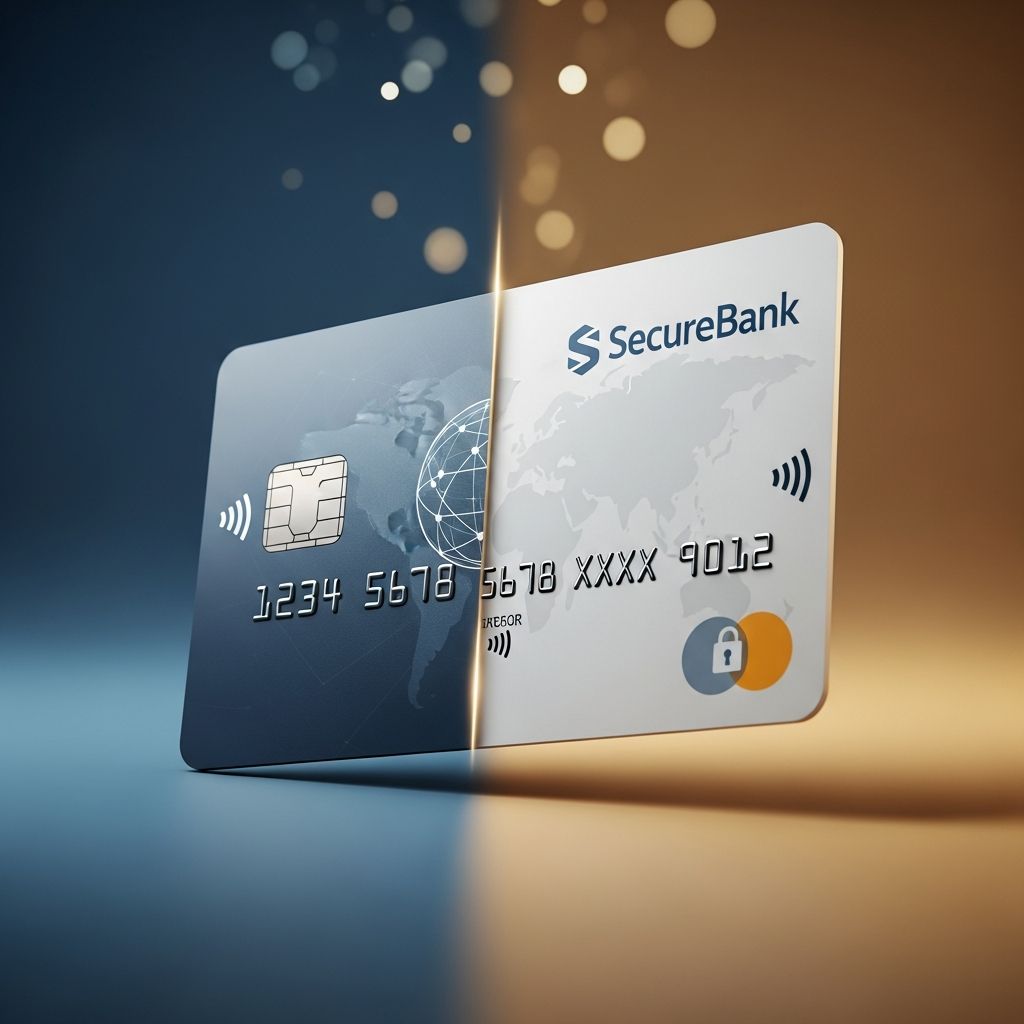
Hybrid debit-credit cards represent an innovative financial product that blends the immediate payment nature of debit cards with the credit-building potential of traditional credit cards. These versatile tools allow users to spend from their checking account balance while simultaneously reporting positive payment activity to credit bureaus, fostering credit history development without the full exposure of unsecured credit lines.
Understanding the Mechanics of Hybrid Cards
At their core, hybrid cards function through a dual-access system linked to a user’s bank account. Transactions can be processed as debit payments, drawing directly from available funds, or as credit extensions, which are later settled from the account. This flexibility empowers users to choose the mode per transaction or set defaults via mobile apps. Unlike standard debit cards, which offer no credit reporting, or credit cards that risk debt accumulation, hybrids provide a balanced approach.
Regulatory frameworks, such as those from the Consumer Financial Protection Bureau (CFPB), define hybrid prepaid-credit cards precisely. A card qualifies if it accesses credit features—like overdraft protection or separate credit lines—usable repeatedly for purchases, cash withdrawals, or transfers. This credit must originate from the issuer, affiliate, or partner, ensuring compliance with open-end credit rules.
Key Advantages for Everyday Users
One primary benefit is convenience: a single card eliminates the need for multiple plastics in your wallet. Users gain broader acceptance, as the credit mode works where debit alone might not, such as certain rentals or international merchants.
- Controlled Spending: Limits are tied to your account balance, preventing debt spirals common with pure credit cards.
- Credit History Growth: Responsible use, like timely repayments of credit-mode transactions, gets reported to bureaus, aiding score improvements.
- Customizable Payments: Toggle between debit (instant) and credit (deferred or revolving) based on needs, with app-based controls for real-time adjustments.
- Fee Avoidance: Many hybrids waive ATM fees for debit withdrawals and offer interest-free grace periods for credit use.
For those new to credit or rebuilding after setbacks, this setup acts as a training ground. Javelin Strategy notes hybrids extend prepaid functionality into fuller financial services, loadable via deposits, cash, or even small credit lines.
Potential Drawbacks and Risk Management
Despite merits, hybrids aren’t flawless. Default settings might trigger unintended credit use, accruing interest if not monitored. Not all cards allow free mode switches, and fees can vary by usage type. Over-reliance on credit mode could mimic traditional card pitfalls, like high APRs on revolving balances.
| Aspect | Pros | Cons |
|---|---|---|
| Spending Limit | Tied to balance (safe) | Credit mode may encourage overspend |
| Flexibility | Debit/credit toggle | Defaults may surprise users |
| Credit Building | Reports activity | Missed payments hurt scores |
| Fees | Often low/none | Variable by mode |
To mitigate, always verify defaults pre-purchase and track statements closely. Set alerts for credit-mode activations.
Regulatory Safeguards and Consumer Protections
U.S. regulations under Regulation Z (§ 1026.61) treat hybrid prepaid-credit cards as credit products for applicable features, mandating disclosures on rates, fees, and terms. This ensures transparency, especially for overdraft or separate credit lines accessed via the card. Covered features include those pulled during transaction authorization or settlement, protecting users from hidden credit extensions.
Digital wallets or apps mimicking hybrids may also fall under these rules if loadable with funds and credit-accessible. Issuers must clarify when debit ends and credit begins, preventing accidental debt.
Strategies to Maximize Credit-Building Potential
To leverage hybrids effectively:
- Start Small: Use credit mode for routine bills under $50, paying off immediately from debit funds.
- Monitor Utilization: Keep credit balances below 30% of any line to boost scores.
- Automate Payments: Link to checking for auto-debits, ensuring on-time history.
- Review Monthly: Check reports from Equifax, Experian, TransUnion for accurate reflections.
Paymentology highlights real-time toggling post-transaction, enhancing control. Over time, this builds a robust profile, potentially unlocking better loans or rates.
Who Benefits Most from Hybrid Cards?
Ideal users include:
- Young adults or immigrants establishing first credit.
- Rebuilders post-bankruptcy, needing secured-like reporting.
- Budget-conscious spenders wary of credit temptations.
- Prepaid users seeking credit perks without full switch.
Those with strong credit might prefer premium rewards cards, but hybrids suit transitional phases.
Comparing Hybrids to Traditional Options
| Card Type | Fund Source | Credit Reporting | Overspend Risk | Best For |
|---|---|---|---|---|
| Standard Debit | Checking balance | No | Low | Basic spending |
| Secured Credit | Deposit as limit | Yes | Medium | Starters |
| Unsecured Credit | Credit line | Yes | High | Established users |
| Hybrid | Balance + credit | Yes (credit mode) | Low-Medium | Credit builders |
Hybrids shine in balancing safety and growth.
Real-World Applications and Success Stories
Imagine renting a car: debit-only cards often fail, but hybrid credit mode accepts seamlessly, charged later against your balance. Or emergencies: overdraft via credit prevents NSF fees, reported positively if repaid promptly.
Market trends show rising adoption amid economic pressures, with hybrids loading via payroll or credit for versatility. Users report 20-50 point FICO gains within months of consistent use, per industry observations.
Frequently Asked Questions (FAQs)
What is a debit-credit hybrid card?
A single card accessing both your checking balance (debit) and a credit feature, often reporting activity to build credit.
Do hybrid cards help build credit?
Yes, credit-mode usage and repayments contribute to your credit file if reported by the issuer.
Are there fees for switching modes?
Many have none, but check terms—some charge for credit conversions.
Can anyone get a hybrid card?
Typically requires a bank account; approval varies by issuer, often easier than unsecured credit.
How do hybrids differ from secured cards?
Secured needs upfront deposit as limit; hybrids use existing balance with optional credit.
Future of Hybrid Cards in Fintech
As fintech evolves, expect embedded toggles in apps, AI-driven mode suggestions, and integration with digital wallets. Regulation ensures safety, while innovation drives accessibility. Hybrids could mainstream, bridging underbanked gaps.
In summary, hybrid cards offer a prudent path to creditworthiness, merging discipline with opportunity. Assess your needs, select wisely, and monitor progress for optimal results.
References
- Debit-credit hybrid cards: the best of both worlds? — Banco de España. 2021-11-29. https://clientebancario.bde.es/pcb/en/blog/tarjetas-hibridas-debito-credito–lo-mejor-de-dos-mundos-.html
- § 1026.61 Hybrid prepaid-credit cards — Consumer Financial Protection Bureau. (Ongoing regulation, accessed 2026). https://www.consumerfinance.gov/rules-policy/regulations/1026/61
- Hybrid Card Issuer — Paymentology. (Recent publication). https://www.paymentology.com/hybrid-card-issuing
- The Pros and Cons of Debit-Credit Hybrid Cards — West Covina Mortgage Loans (informational). (Recent). https://learn.westcovinamortgageloans.com/the-pros-and-cons-of-debit-credit-hybrid-cards-a-comprehensive-guide/
- The Rise of Hybrid Credit/Prepaid Cards — Javelin Strategy & Research. (Research report). https://javelinstrategy.com/research/rise-hybrid-credit-prepaid-cards
- Whether Digital Wallets Are Considered Hybrid Prepaid — National Consumer Law Center. (Library resource). https://library.nclc.org/book/consumer-banking-and-payments-law/85212-whether-digital-wallets-are-considered-hybrid-prepaid
Similar Articles








Read full bio of Sneha Tete