Hurricane Travel Insurance Essentials
Protect your vacation from storm disruptions with smart travel insurance choices during hurricane season.

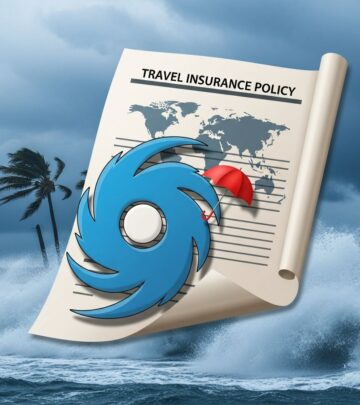
Travel insurance serves as a critical safeguard for trips threatened by hurricanes, reimbursing costs for cancellations, interruptions, delays, and evacuations under specific conditions. Policies must be purchased before storms are named to qualify as unforeseen events, ensuring financial protection during peak hurricane seasons.
Why Hurricanes Pose Unique Travel Risks
Hurricanes disrupt travel through high winds, flooding, and evacuations, affecting flights, accommodations, and entire destinations. The Atlantic hurricane season runs from June 1 to November 30, with peak activity in September, making proactive insurance vital for trips to regions like the Caribbean, Florida, or the Gulf Coast.
Storm systems evolve rapidly; once named by the National Hurricane Center at 39 mph sustained winds, they become foreseeable, voiding coverage if insurance is bought afterward. This timing rule underscores the need for early purchase post-booking.
Core Coverage Types for Storm Disruptions
Standard policies address hurricane impacts through several benefits:
- Trip Cancellation: Reimburses prepaid, non-refundable expenses if a hurricane makes your destination uninhabitable or triggers mandatory evacuations before departure. Coverage often requires proof like official warnings.
- Trip Interruption: Covers early returns due to storms, reimbursing unused portions of trips plus extra travel costs, up to 150-200% of trip value in some plans.
- Trip Delay: Provides reimbursement for meals, lodging, and essentials if weather delays departure or connections by 24+ hours.
- Emergency Evacuation: Funds transport to safety if local authorities advise, distinct from voluntary departures.
- Medical Expenses: Pays for injuries sustained in storms, including evacuation to medical facilities.
These benefits activate only for covered perils, excluding known storms.
When Does Coverage Trigger for Hurricanes?
Policies specify triggers like:
- Hurricane warnings issued for your destination, not mere watches.
- Mandatory evacuations ordered by government, excluding self-initiated ones.
- Damage rendering accommodations uninhabitable or inaccessible.
- Common carrier service cessation for 24+ hours due to weather.
| Trigger Event | Applicable Coverage | Typical Reimbursement |
|---|---|---|
| Hurricane Warning at Destination | Trip Cancellation/Interruption | 100% prepaid costs |
| Mandatory Evacuation | Trip Interruption/Evacuation | 150-200% trip costs + transport |
| Storm Damage to Lodging | Cancellation/Interruption | Up to policy limits |
| 24-Hour Delay | Trip Delay | Daily allowances for essentials |
This table summarizes common scenarios based on policy standards.
Standard vs. Cancel For Any Reason Upgrades
Standard coverage requires specific hurricane impacts, while optional Cancel For Any Reason (CFAR) allows cancellation for broader concerns, reimbursing 50-75% of costs. CFAR must be bought within 10-21 days of initial trip deposit and before naming.
- Pros of CFAR: Flexibility for pre-storm worries.
- Cons: Higher premiums, partial refunds.
Choose based on risk tolerance; standard suffices for most.
Optimal Timing for Purchasing Protection
Buy immediately after booking non-refundable elements to maximize options, including pre-existing conditions waivers. Policies exclude storms named post-purchase, so early action is key—ideally 24+ hours before any forecast.
For hurricane-prone trips, review seasonal forecasts from the National Hurricane Center and secure coverage preemptively.
Common Exclusions and Limitations
Policies often exclude:
- Storms named before purchase.
- Voluntary evacuations without orders.
- Known events or financial default of suppliers unless optional add-ons apply.
- Normal wear from rain without damage.
Read policy wording; “uninhabitable” varies by provider.
Steps to Select the Right Policy
- Assess trip cost and non-refundable portions.
- Compare quotes on aggregator sites for hurricane-specific inclusions.
- Verify severe weather coverage and purchase deadlines.
- Consider add-ons like CFAR or rental car protection.
- Confirm medical/evacuation limits suit your needs.
Prioritize providers with 24/7 assistance.
Real-World Examples of Coverage in Action
During Hurricane Irma (2017), travelers to Florida canceled under warnings, recovering flight and hotel costs via trip cancellation. In another case, a family interrupted their Caribbean vacation due to evacuation orders, reimbursed for return flights and unused days.
Delays from Hurricane Ian (2022) triggered reimbursements for overnight stays. These illustrate policy effectiveness when rules are met.
Additional Protections Beyond Basic Insurance
Complement insurance with:
- Credit card travel perks for primary coverage.
- Refundable bookings where possible.
- Travel advisories from State Department.
- Evacuation plans via apps tracking storms.
Monitor forecasts via NOAA for real-time updates.
Frequently Asked Questions
Does travel insurance cover named storms?
Yes, if purchased before naming; post-naming excludes it as foreseeable.
What if my home is damaged by a hurricane while traveling?
Trip interruption covers early return for repairs.
Is coverage available for tropical storms below hurricane strength?
Often yes, under severe weather if pre-purchase and impacts meet criteria.
Can I buy insurance after booking but before the season?
Yes, and it’s recommended right after to lock in benefits.
Does it cover flights diverted due to weather?
Trip delay if 24+ hours; interruption if stranding occurs.
Preparing for Peace of Mind in Storm Seasons
By understanding triggers, timing, and limits, travelers can confidently navigate hurricane risks. Always document claims with advisories, receipts, and photos for smooth reimbursements. Proactive planning turns potential disasters into manageable hiccups.
References
- How Can Travel Insurance Help With Hurricanes? — Travel Insured International. 2025-07-31. https://www.travelinsured.com/news-resources/tips-ideas/travel/2025/07/31/how-can-travel-insurance-help-with-hurricanes
- Does Travel Insurance Cover Hurricanes? – Squaremouth — Squaremouth. N/A. https://www.squaremouth.com/travel-advice/hurricane-travel-insurance
- When a Hurricane Hits, What Does Travel Insurance Cover? — Allianz Partners. N/A. https://www.allianztravelinsurance.com/travel/planning/hurricane-insurance-coverage.htm
- How to Get Travel Insurance for Hurricane Season – Experian — Experian. N/A. https://www.experian.com/blogs/ask-experian/travel-insurance-for-hurricanes/
Similar Articles








Read full bio of medha deb