Hurricane Preparedness Checklist for Your Car
Protect your vehicle and save money with this comprehensive hurricane car preparedness guide, from maintenance checks to emergency kits.
Hurricanes can strike suddenly, bringing high winds, flooding, and power outages that leave roads treacherous. Your car is often your lifeline for evacuation or post-storm recovery, so preparing it in advance is crucial. This checklist covers vehicle maintenance, essential supplies, safe parking strategies, and budget-friendly tips to ensure your car is hurricane-ready without breaking the bank. Following these steps can prevent costly repairs and keep you safe on the road.
Why Prepare Your Car for a Hurricane?
During hurricane season, vehicles face unique risks like flooding, debris damage, and battery failure from heavy use. A well-prepared car ensures reliable transportation for evacuation, allowing you to reach safety quickly. According to the National Weather Service, knowing your evacuation zone and routes is vital, and a maintained vehicle supports this. Preparing ahead saves money on emergency repairs—think $500+ for a flooded engine—and reduces stress. Start weeks before storm season with these targeted preparations.
Preparing Your Car Before the Storm
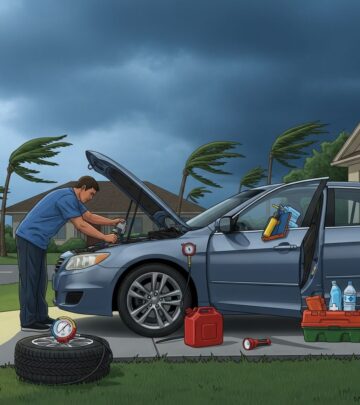
A thorough mechanical check-up identifies issues before they strand you. Visit a trusted mechanic or do basic DIY inspections focusing on these key areas. Regular maintenance during off-season keeps costs low, potentially avoiding tow truck fees that average $100-$200 per call.
- Antifreeze levels: Check and top off coolant to prevent overheating in traffic jams or hot post-storm conditions. Low antifreeze can lead to engine damage costing thousands.
- Battery and ignition system: Test battery health—hurricanes demand starting the car multiple times. Replace if over three years old; a jump starter kit ($50) is a smart backup.
- Brakes: Inspect pads, rotors, and fluid. Wet roads from rain increase stopping distances, so functional brakes are non-negotiable.
- Exhaust system: Look for leaks or rust that could worsen in salty coastal air. A failing exhaust raises carbon monoxide risks in enclosed spaces.
- Fuel and air filters: Clean or replace to maintain efficiency. Clogged filters spike fuel use during evacuations when gas prices soar.
- Heater and defroster: Ensure they work for defogging windows in humid storms. Visibility is critical on debris-littered roads.
- Lights and wipers: Verify headlights, taillights, brake lights, and turn signals. Install heavy-duty wiper blades rated for storms ($20-$40). Good visibility prevents accidents.
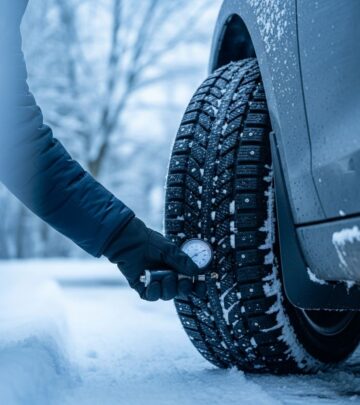
- Tires: Check tread depth (at least 4/32 inch), pressure, and spare tire. Underinflated tires reduce fuel efficiency by 3% and handling on slick roads.
- Belts and hoses: Inspect for cracks. A burst hose during evacuation leaves you roadside.
Budget tip: Perform these checks yourself using free online guides from AAA or your owner’s manual to save $100+ on a full inspection.
Stock Your Car Emergency Kit
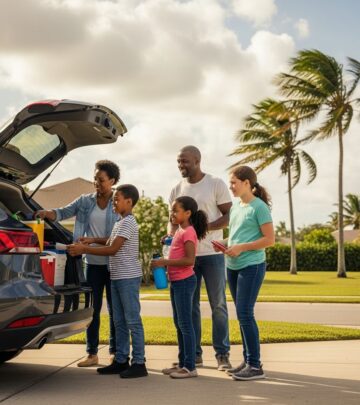
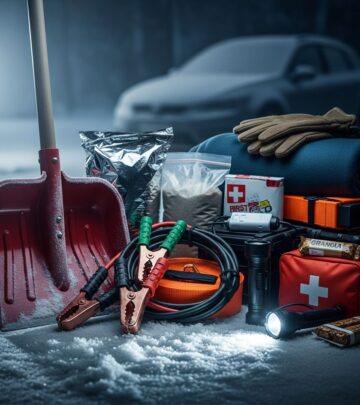
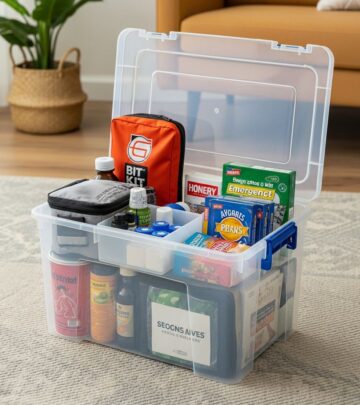
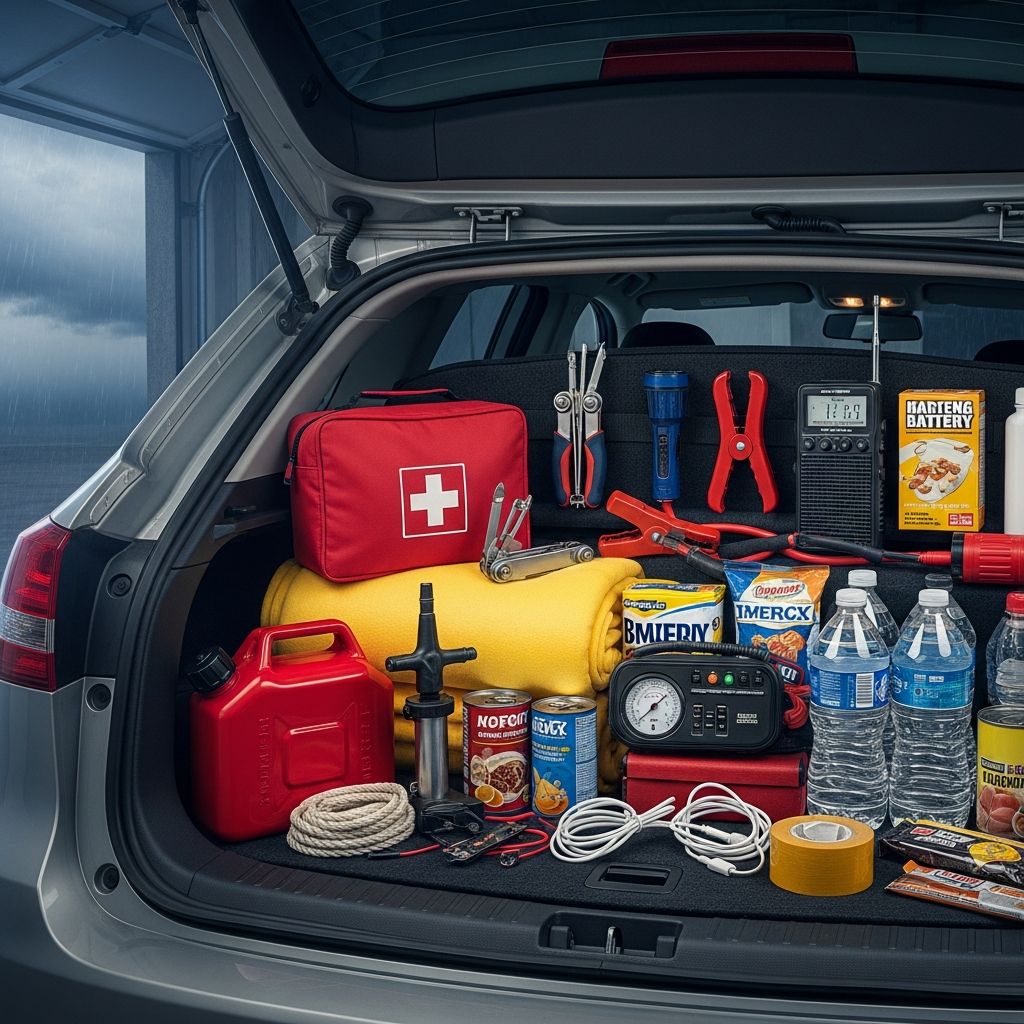
An in-car emergency kit is your first line of defense if stranded. Assemble it now in a waterproof bin or duffel bag stored in the trunk. FEMA recommends essentials like water and non-perishables, adaptable for vehicles. Tailor to 72 hours of self-sufficiency.
| Category | Items | Why It Matters | Cost-Saving Tip |
|---|---|---|---|
| Water & Food | 1 gallon water/person/day (3 days), non-perishables (energy bars, nuts), manual can opener | Hydration and energy during gridlock or shelter waits | Buy in bulk off-season; $20 total |
| First Aid & Health | First-aid kit, medications (7-day supply), masks, sanitizer, feminine products | Treat injuries from debris or minor accidents | Assemble from dollar store; under $30 |
| Tools & Safety | Flashlight, extra batteries, multi-tool, duct tape, tire inflator, jumper cables, tow strap, fire extinguisher | Fix flats, signal help, jump-start battery | Multi-tools $15; reuse household items |
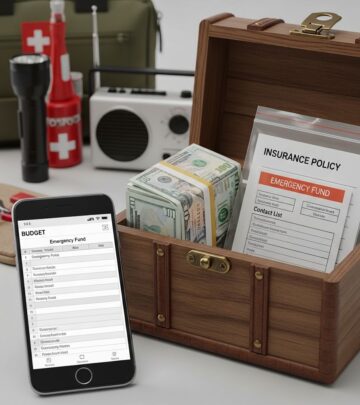
| Comfort & Navigation | Blankets, rain ponchos, whistle, road maps, portable charger, cash ($200 in small bills) | Stay warm, navigate without GPS, pay where cards fail | Paper maps free from state DOT; $10 charger |
| Documents | Car manual, insurance/registration copies, ID, medical records in waterproof pouch | Proof for claims, rentals, or checkpoints | Scan to phone + prints; free |
Pro tip: Rotate food/water every six months. Total kit cost: $100-$150, far less than roadside assistance fees.
Where to Park Your Car Safely
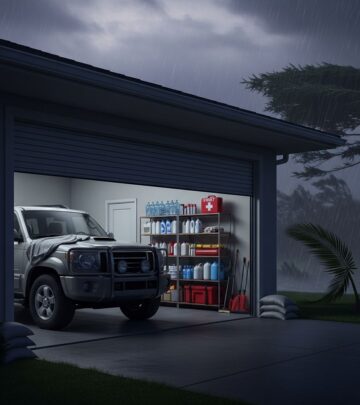
Parking strategy minimizes flood and wind damage. Elevate your car to avoid water ingress, which ruins electronics ($2,000+ repair).
- Garage or elevated structure: Ideal; protects from surge and flying debris.
- Higher ground: Park on hills or upper levels of multi-story garages. Avoid basements.
- Away from trees/power lines: Falling branches or downed lines cause most vehicle damage.
- Under sturdy cover: Carports or reinforced overhangs if no garage.
If evacuating, fill up en route but note stations may run dry. States like Florida provide parking maps—print yours.
Evacuation Driving Tips to Save Money and Stay Safe
Evacuations mean gridlock, so plan smart. Gas up early; keep tank over half-full. Prices jump 20-50% during storms.
- Know routes: Use state apps/maps for zones/routes. Have alternates printed.
- Drive defensively: Expect hydroplaning; slow down 10-20 mph in rain.
- Shift driving: Rotate with passengers to avoid fatigue hotels ($150/night).
- Cash ready: ATMs fail in outages.
- Pet plan: Secure carriers; know pet-friendly shelters via Red Cross.
Post-storm: Avoid flooded roads—six inches of water can sweep cars away (NWS fact).
Frequently Asked Questions (FAQs)
What if I can’t afford all preparations?
Prioritize free/cheap items: Full gas tank, tire checks, water bottles. Build kit gradually; skip extras first.
How much gas should I store?
5-10 gallons in approved cans, rotated monthly. Never indoors; use stabilizers for long storage.
Is car insurance enough?
Comprehensive coverage helps, but prevention saves deductibles. Check flood provisions.
What about electric vehicles?
Charge fully; avoid flood-prone charging. Kit includes portable solar charger.
Post-hurricane car checks?
Inspect undercarriage for water/debris; change oil if submerged. Professional once-over essential.
Final Thoughts on Cost-Effective Hurricane Car Prep
Investing time now in your car’s hurricane readiness pays dividends in safety and savings. From pre-storm tune-ups to a stocked kit and smart parking, these steps ensure mobility when it counts. Customize for your region—coastal areas emphasize flood-proofing. Share this checklist with family; print and store in your glovebox. Stay informed via NOAA alerts for peace of mind.
References
- Hurricane Preparedness Checklist for Your Car — AOL.com. 2023-09-12. https://www.aol.com/hurricane-preparedness-checklist-car-160000098.html
- A Hurricane Evacuation Guide To Keep You Safe for Less Money — The Penny Hoarder. 2024-06-15. https://www.thepennyhoarder.com/save-money/hurricane-evacuation/
- ASK AN EXPERT: Here’s how to pack an emergency car kit — Big Rapids News. 2023-08-20. https://www.bigrapidsnews.com/news/article/How-to-pack-an-emergency-car-kit-17607021.php
- Here’s the Essential Hurricane Preparedness Checklist for Your Car — Money Talks News. 2024-05-10. https://www.moneytalksnews.com/slideshows/heres-the-essential-hurricane-preparedness-checklist-for-your-car/
- Hurricane evacuations: Don’t leave home without these items — ClickOrlando (WKMG). 2022-05-16. https://www.clickorlando.com/weather/2022/05/16/hurricane-evacuations-dont-leave-home-without-these-items/
Similar Articles








Read full bio of Sneha Tete