Hurricane Home Protection: Complete Pre-Season Guide
Safeguard your property with comprehensive preparation strategies before hurricane season arrives.
Hurricane season brings significant risks to homes in vulnerable regions, requiring homeowners to take proactive measures to minimize property damage and ensure family safety. Developing a comprehensive preparation strategy well before storms arrive can substantially reduce vulnerability to high winds, flooding, and structural damage. This guide covers the essential steps to fortify your residence, assemble critical supplies, and establish family protocols for managing severe weather events.
Structural Fortification Strategies
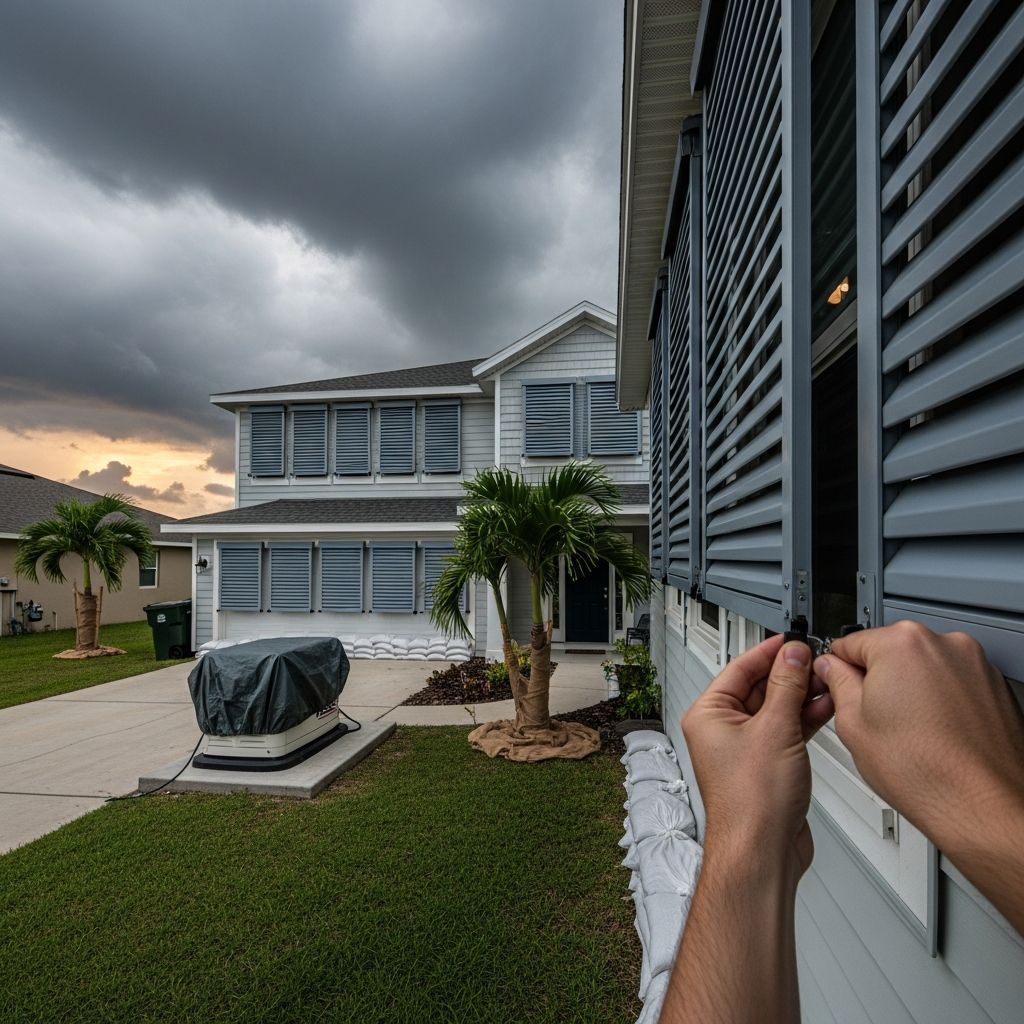
The foundation of hurricane preparedness begins with reinforcing your home’s structural integrity. Windows and doors represent critical vulnerability points where wind forces enter buildings, potentially compromising the entire structure. Installing storm shutters or boarding windows before severe weather threatens your area provides essential protection against flying debris and pressure changes. These protective barriers should be organized and tested well in advance, ensuring all locking mechanisms function properly before hurricane season begins.
Roof maintenance forms another critical component of structural protection. Regular inspections should identify cracked or damaged shingles, missing tiles, and weakened attachment points where wind can penetrate. Addressing these issues months before hurricane season prevents water intrusion and structural deterioration during major storms. Additionally, ensuring all gutters, downspouts, and drainage systems remain clear of debris allows proper water flow away from your foundation, reducing flood risk and preventing water damage to interior spaces.
External structural elements require attention as well. Secure any loose fencing, repair damaged siding, and inspect stucco for cracks that could allow moisture penetration. Garage doors frequently sustain damage during hurricanes due to wind pressure; greasing tracks and wheels while securing appropriate bracing prevents catastrophic failure that could compromise the entire structure.
Exterior Property Management
Landscaping and outdoor items create hazards during high-wind events. Trim tree limbs and branches that hang over your home, remove dead wood, and eliminate loose vegetation like palm fronds that can become dangerous projectiles. For younger or weaker trees, consider strategic tying to nearby structural supports to prevent uprooting.
Outdoor furniture, planters, grills, and decorative items become projectiles in strong winds. Anchor heavy objects into the ground or move items indoors where they cannot cause damage. Even lightweight items weighing less than 30 pounds can become hazardous when propelled by hurricane-force winds.
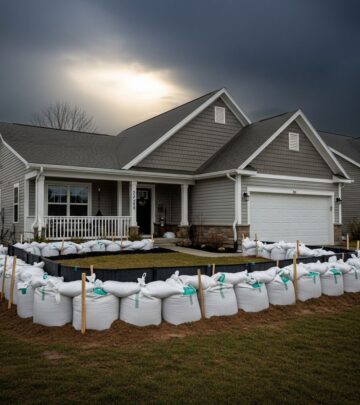
If your area faces flooding risk, consider installing sandbags along your property perimeter to redirect moving water away from structures. Many municipalities provide sandbags and sand free of charge during hurricane season, making this an affordable protective measure.
Power and Utility Preparation
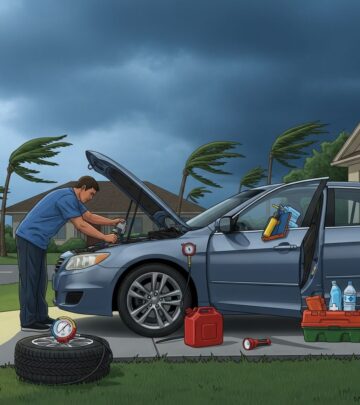
Extended power outages frequently accompany hurricanes, making generator preparation essential for maintaining critical functions. Have portable generators serviced before hurricane season begins, ensuring they operate reliably when needed. Store generator fuel in approved safety containers outside your home, never inside living spaces where fumes pose health risks. Whole-house generators require annual professional service and weekly testing to guarantee functionality during emergencies.
Create redundancy for charging essential devices. Beyond traditional generators, consider alternative power sources like solar panels and battery packs to maintain communication capabilities and power critical medical equipment. Keep extension cords readily accessible for connecting devices to generators safely.
Prepare for extended outages by adjusting refrigerator and freezer settings to maximum cold before storms arrive. Additionally, fill clean containers with drinking water and freeze partially-filled water bottles to maintain cold temperatures and provide drinking water during outages.
Documentation and Asset Protection
Before hurricane season arrives, create a comprehensive inventory of home contents and belongings. Document electronics, jewelry, appliances, furniture, and other valuables with detailed photographs and video recordings. Focus on serial numbers and model information, as this documentation proves invaluable when filing insurance claims after storm damage.
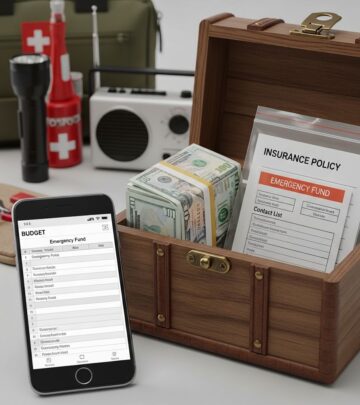
Organize important documents—insurance policies, deeds, financial records, medical information, and identification documents—into a waterproof container stored in a secure location. Digital copies stored in cloud-based systems provide additional backup protection. This preparation streamlines recovery processes if physical documents are damaged or destroyed during the hurricane.
Emergency Supply Compilation
Assembling comprehensive emergency supplies before hurricane season prevents last-minute shortages when stores close ahead of approaching storms. Create two distinct supply kits serving different purposes: a portable grab-and-go kit containing three days of essentials and a stay-at-home kit with two weeks of supplies for situations where evacuation becomes unnecessary.
Water storage constitutes the foundation of emergency supplies. Store one gallon per person per day, plus additional quantities for pets. Beyond drinking water, maintain extra containers for sanitation and cleaning purposes. Many households fill bathtubs with water before storms arrive, creating reserves for toilet flushing and general cleaning when municipal water services become compromised.
Food supplies should emphasize non-perishable items requiring minimal preparation. Stock canned goods, dried foods, and beverages alongside manual can openers and necessary utensils. Include camp stoves or alternative cooking methods outside your home, as traditional appliances become unusable during extended power outages.
Special dietary requirements deserve particular attention. Maintain adequate supplies of baby formula, infant food, diapers, and pacifiers for young children. Store prescription medications in child-proof containers with a one-month supply minimum. Include vitamins and basic medications for common ailments like headaches, digestive issues, and fever management.
Essential Equipment and Tools
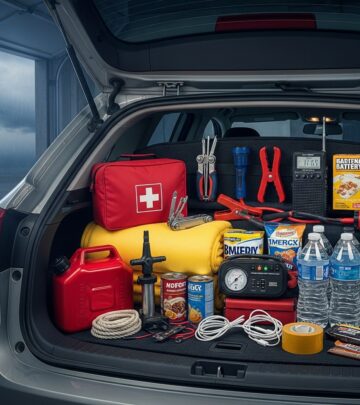
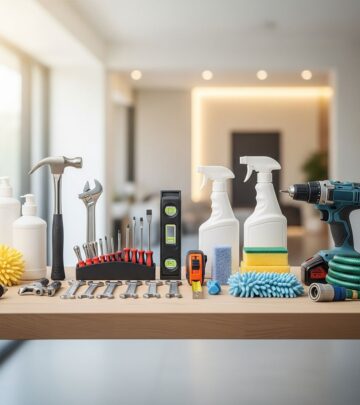
Maintain readily accessible tools and materials for emergency repairs. Stock tarps, plastic sheeting, duct tape, hammers, screwdrivers, saws, and contractor-grade trash bags for addressing water intrusion and securing damaged areas. Large plastic storage bins with tight-fitting lids organize supplies and protect items from moisture damage.
Lighting becomes critical when power outages occur. Accumulate flashlights, batteries (in multiple sizes), battery-operated radios, and candles with lighters. Consider solar-powered lanterns as reliable alternatives requiring no fuel storage. Maintain more lighters and batteries than initially seem necessary, as these items prove valuable for numerous post-disaster applications beyond their primary functions.
First aid supplies and sanitation items deserve comprehensive attention. Assemble first aid kits for home and vehicles containing bandages, gauze pads, disinfectant wipes, antibacterial ointment, pain relievers, and wound care materials. Include hand sanitizer, masks, gloves, and hygiene products. Additional items like thermometers, tweezers, scissors, and antiseptic address various medical needs during periods when professional healthcare access may be limited.
Clothing and Personal Protective Equipment
Prepare clothing suitable for post-hurricane conditions involving possible contaminated water, sharp debris, and variable temperatures. Include rain gear such as jackets, hats, and waterproof boots that protect from moisture and provide traction on slippery, debris-filled surfaces. Work gloves and sturdy footwear designed for protection from nails and broken glass prove essential for safety during cleanup operations. Pack season-appropriate additional clothing changes, recognizing that standard wardrobes may be damaged or inaccessible.
Sunscreen protects exposed skin during recovery operations, while protective eye wear shields against dust and debris. Long-sleeved, long-legged clothing provides additional protection from environmental hazards encountered during post-storm cleanup.
Pet and Livestock Considerations
Pets require comprehensive emergency planning alongside family members. Bring pets indoors before storms arrive, securing them in carriers or crates to prevent escape during chaotic conditions. Assemble pet-specific supplies including food, water, medications, and medical records for at least 7 to 14 days. Include leashes, collars, and identification items ensuring reunification if pets become separated from owners. Crates, carriers, and containment systems prevent panic-driven escapes during the hurricane.
Family Planning and Communication
Establish clear family protocols before hurricane season begins. Identify the safest location within your home where everyone should shelter during the storm, typically an interior room without windows on the lowest floor. Ensure all family members know this designated area and understand the shelter-in-place procedures.
Register for weather alerts through multiple sources including the American Red Cross Hurricane+ application, local government systems, the National Hurricane Center, and NOAA. These alerts provide early warning of developing threats, allowing adequate preparation time before storms reach your region.
Create a communication plan enabling family members to coordinate with each other and external contacts during emergencies. Establish meeting points in case family members become separated and identify out-of-state contacts everyone can reach to relay status updates.
Timing and Annual Maintenance Schedule
Spring represents the optimal season for completing structural maintenance and repairs before hurricane season arrives. Use this period to inspect roofing, test generators, service shutters, and address landscaping needs. Gathering supplies months before peak hurricane season prevents last-minute shortages and reduces stress as storms approach.
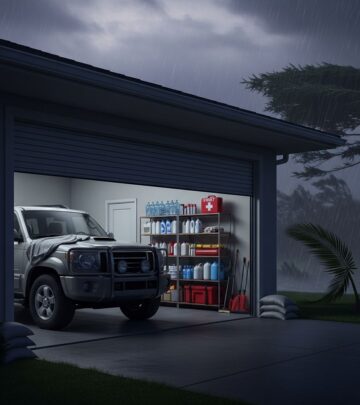
Pre-position supplies in easily accessible locations, organizing items into labeled containers that family members can quickly grab if evacuation becomes necessary. Store generators, fuel, and large equipment in designated areas separate from regular household spaces.
Insurance and Documentation Review
Before hurricane season begins, review insurance coverage with your agent, ensuring adequate protection for your home and belongings. Understand your policy’s coverage limits, deductibles, and exclusions. Discuss whether additional coverage for specific risks like flooding would benefit your situation, as standard homeowner policies typically exclude flood damage.
Store insurance documents with other important papers in waterproof containers, maintaining copies in multiple locations including digital backups. This preparation streamlines claim filing after storms damage your property.
Frequently Asked Questions
How far in advance should I prepare for hurricane season?
Begin preparations at least two to three months before your region’s peak hurricane season, allowing adequate time for structural repairs, supply gathering, and testing of equipment without rushing or encountering supply shortages.
What supplies are most important for hurricane preparation?
Water, food, medications, first aid supplies, flashlights, batteries, and a battery-operated radio form the core of emergency preparedness. Add items specific to your family’s needs including pet supplies, special dietary foods, and required medications.
Should I evacuate or shelter in place during a hurricane?
Follow official evacuation orders from local authorities. If remaining in your home, shelter in an interior room without windows, preferably on the lowest floor where structural integrity remains strongest.
What is the proper way to store generator fuel?
Store fuel in approved safety cans located outside your home, away from living spaces and ignition sources. Never store fuel indoors where fumes can accumulate and create health hazards or explosion risks.
How much water should I store for emergency use?
Store at least one gallon per person per day for drinking and cooking, with additional quantities for sanitation and cleaning purposes. A two-week supply is recommended for areas where stores may remain closed for extended periods after storms.
References
- Hurricane Preparedness and Supply List — Constellation Energy. 2024. https://www.constellation.com/energy-101/weather-preparedness/hurricane-supply-list.html
- How to Prepare for a Hurricane — Vault Insurance. 2024. https://www.vaultinsurance.com/knowledge-hub/articles/how-to-prepare-for-a-hurricane/
- Checklist: How to Prepare Your Home for a Hurricane — USAA. https://content.usaa.com/mcontent/static_assets/Media/prepare_checklist.pdf
- Hurricane Preparedness — American Red Cross. https://www.redcross.org/get-help/how-to-prepare-for-emergencies/types-of-emergencies/hurricane.html
- What to Do Before the Tropical Storm or Hurricane — National Weather Service. https://www.weather.gov/safety/hurricane-plan
Similar Articles








Read full bio of Sneha Tete