Hurricane Coverage in Travel Insurance
Discover how travel insurance protects your plans against hurricanes, from cancellations to evacuations, with key tips for maximum protection.
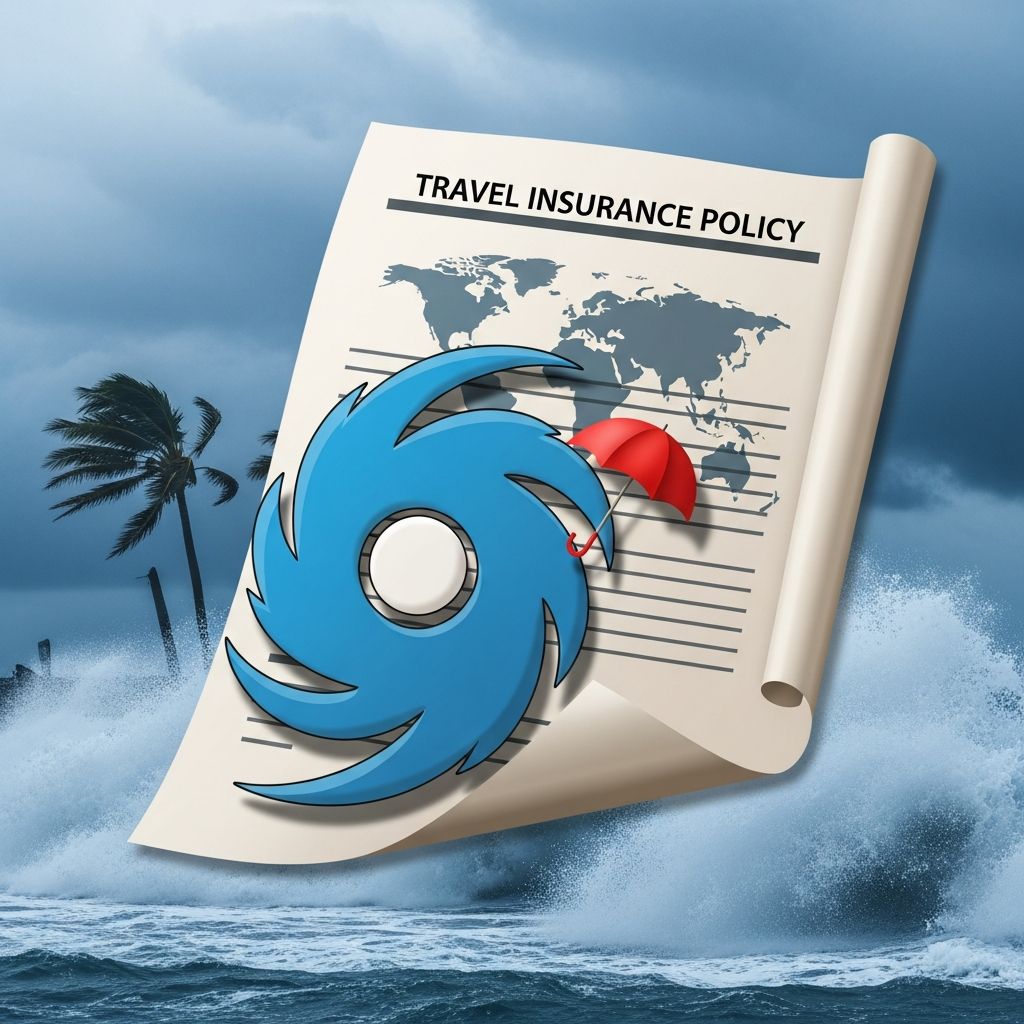
Travel insurance provides essential protection against hurricanes by reimbursing costs for cancellations, interruptions, delays, and evacuations when severe weather disrupts plans. However, coverage applies only to unforeseen events, requiring policies to be purchased before storms receive official names from the National Hurricane Center.
Understanding Hurricane-Related Protections
Hurricanes and tropical storms pose significant risks to travelers, especially during peak seasons from June to November in the Atlantic. Standard travel insurance policies categorize these under severe weather or natural disaster benefits, covering a range of scenarios from pre-trip cancellations to on-site interruptions.
Key protections include reimbursement for non-refundable expenses when storms make destinations uninhabitable or inaccessible. For instance, if a hurricane warning leads to mandatory evacuations, policies often cover return travel and unused portions of trips.
When Coverage Applies: Critical Triggers
Coverage activates under specific conditions tied to official storm designations and government actions. Policies typically require the storm to be unnamed at purchase, as naming marks it as a foreseen event.
- Hurricane Warnings at Destination: Reimbursement is available if a formal hurricane warning is issued for your travel area, often requiring proof of expected impact.
- Mandatory Evacuations: During trips, interruption benefits cover early returns due to government-ordered evacuations, reimbursing up to 150-200% of trip costs for additional expenses.
- Damage to Accommodations: If storms render hotels or rentals uninhabitable before or during your stay, cancellation or interruption claims can recover prepaid costs.
These triggers ensure protection for genuine disruptions while excluding voluntary decisions based on mere forecasts.
Purchase Timing: The Named Storm Rule
The most critical factor for hurricane coverage is timing. Insurers exclude storms named before policy purchase, as they are no longer unexpected. The National Hurricane Center names systems reaching 39 mph sustained winds.
Most plans demand purchase at least 24 hours before naming or forecasting as a hurricane. This rule upholds insurance principles, covering only unpredictable risks.
| Scenario | Purchase Requirement | Coverage Example |
|---|---|---|
| Pre-Named Storm | Before naming | Full trip cancellation if destination damaged |
| Post-Naming | After naming | Excluded; no reimbursement |
| During Trip | N/A (already covered) | Interruption for evacuation |
Core Coverage Types Explained
Trip Cancellation Benefits
This reimburses 100% of prepaid, non-refundable costs if a hurricane prevents departure. Triggers include uninhabitable destinations, carrier service cessations for 24+ hours, or damage to your home requiring return.
Trip Interruption Coverage
Once underway, interruptions cover early returns due to storms, reimbursing unused days and extra travel costs. Limits often reach 150-200% of total trip cost.
Delay and Missed Connection Reimbursements
Storms delaying flights or connections qualify for meals, hotels, and essentials after 6-12 hours, separate from cancellation benefits.
Emergency Medical and Evacuation
Injuries from hurricanes trigger medical coverage and evacuation to safety, including transport home if needed.
Common Exclusions and Limitations
Not all hurricane impacts qualify. Policies exclude:
- Voluntary cancellations without official warnings or orders.
- Storms known at purchase time.
- Financial default of suppliers unless specified.
- Pre-existing medical conditions affecting decisions.
Review policy documents for state-specific terms, as coverage varies by provider.
Strategies for Hurricane Season Travel
To maximize protection:
- Buy Early: Secure insurance upon booking, well before storm season.
- Choose Comprehensive Plans: Opt for policies with high limits for weather events, like ExactCare suites.
- Monitor Forecasts: Track via National Hurricane Center but act before naming.
- Add Cancel For Any Reason (CFAR): For broader flexibility, though costlier and partial reimbursement.
- Check Supplier Policies: Combine with airline/hotel refunds where possible.
For cruises or vacation rentals, confirm specific inclusions for severe weather.
Real-World Examples of Claims
Travelers evacuated from Caribbean resorts due to Category 4 storms have recovered full costs via interruption benefits. Delays from airport closures in Florida yielded daily reimbursements for lodging. Home damage claims allowed mid-trip returns with full refunds.
Comparing Top Providers
| Provider | Hurricane Cancellation Limit | Interruption Limit | Delay Coverage |
|---|---|---|---|
| Allianz | 100% trip cost | Up to 200% | After 24 hours |
| Travel Guard | 100% with named storm | 150% | Meals/hotels |
| General | Pre-paid costs | Variable | Evacuation focus |
Compare via aggregators for personalized quotes.
Frequently Asked Questions (FAQs)
Does travel insurance cover named hurricanes?
Yes, if purchased before naming; post-naming exclusions apply.
What if my home is damaged by a hurricane?
Coverage for interruptions if it forces trip cancellation or early return.
Is evacuation always covered?
Only mandatory ones ordered by authorities; voluntary excluded.
Can I get coverage mid-storm season?
Yes, for unnamed systems, but buy immediately upon booking.
What about tropical storms?
Similar rules; coverage if they escalate post-purchase.
Preparing Your Policy for Peak Season
Hurricane season demands proactive planning. Assess destinations’ risks via historical data from NOAA. Select plans with “cancel for work reasons” or family extensions for added security. Document everything—warnings, bookings, damages—for smooth claims.
Travel insurance transforms potential disasters into manageable events, safeguarding investments and peace of mind. Always verify details with providers, as terms evolve.
References
- How Can Travel Insurance Help With Hurricanes? — Travel Insured International. 2025-07-31. https://www.travelinsured.com/news-resources/tips-ideas/travel/2025/07/31/how-can-travel-insurance-help-with-hurricanes
- Does Travel Insurance Cover Hurricanes? – Squaremouth — Squaremouth. Accessed 2026. https://www.squaremouth.com/travel-advice/hurricane-travel-insurance
- When a Hurricane Hits, What Does Travel Insurance Cover? — Allianz Partners. Accessed 2026. https://www.allianztravelinsurance.com/travel/planning/hurricane-insurance-coverage.htm
- How to Get Travel Insurance for Hurricane Season – Experian — Experian. Accessed 2026. https://www.experian.com/blogs/ask-experian/travel-insurance-for-hurricanes/
- Travel Insurance Coverage for Hurricanes — AAP Insurance. Accessed 2026. https://www.aapinsurance.com/resource-center/personal-insurance/travel-insurance-coverage-for-hurricanes/
Similar Articles








Read full bio of Sneha Tete