Human Resources: Definition, Functions, and Importance
Complete guide to HR management: roles, responsibilities, and strategic impact on organizational success.

What Is Human Resources?
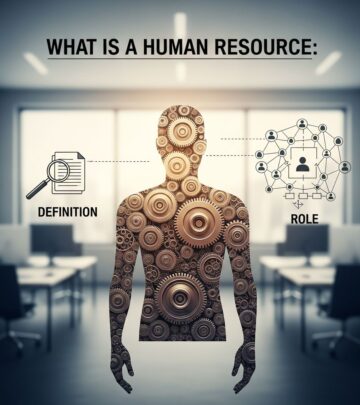
Human resources (HR) represents the practice of recruiting, hiring, deploying, and managing an organization’s employees. HR is fundamentally concerned with managing people as valuable assets to the business, often referred to as human capital. The primary focus of human resources is to support employees effectively while ensuring the organization achieves its mission, reinforces corporate culture, and maximizes return on investment (ROI).
The concept of human resources emerged in the early 1900s and gained widespread adoption in the 1960s as companies began to recognize employees as strategic assets rather than mere cost centers. Modern HR departments function as standalone entities within organizations, responsible for creating, implementing, and overseeing policies that govern workers and the relationship between the organization and its employees.
In today’s business environment, HR has evolved into a strategic function that directly influences organizational success. Effective HR management ensures that companies can attract top talent, develop their workforce, maintain compliance with regulations, and create workplace cultures that drive productivity and innovation.
Key Functions and Responsibilities of Human Resources
Human resource management encompasses a broad range of functions designed to support organizational objectives and employee welfare. The primary responsibilities of HR departments include:
Recruitment and Talent Acquisition
An effective recruitment process forms the foundation of successful human resource management. HR professionals are responsible for identifying organizational staffing needs, creating job descriptions, conducting candidate assessments, and onboarding new employees. By recruiting strong talent, organizations can build a skilled workforce that adds value for years to come. This process involves not only finding qualified candidates but also evaluating their cultural fit and potential for growth within the organization.
Employee Development and Training
HR focuses on developing employees’ skills and boosting their confidence and competence. This includes providing on-the-job training, mentorships, career development programs, and supportive benefits. Well-trained and competent employees are more motivated to contribute productively to business goals. HR departments design and implement training initiatives that enhance employee capabilities and prepare them for advancement opportunities within the organization.
Compensation and Benefits Administration
HR professionals manage compensation structures, benefits packages, and payroll administration. They ensure fair compensation practices across the organization while managing employee benefits selections, health insurance plans, retirement programs, and other compensation-related matters. This function is critical for attracting and retaining talented employees in a competitive job market.
Employee Retention and Engagement
HR works to maintain high employee satisfaction and engagement levels, which directly impacts retention rates and organizational productivity. By creating positive employee experiences and inclusive workplaces, HR professionals help employees feel valued and motivated to stay with the company. Engaged employees are more likely to contribute their best efforts and help achieve company goals.
Compliance and Legal Adherence
HR departments ensure that companies comply with federal and state regulations, including employment laws, workplace safety standards, and employee privacy protections. This includes implementing policies that protect employees’ personal information and ensure their physical safety and mental and emotional well-being. HR professionals must stay current with changing regulations to minimize organizational risk.
Performance Management and Employee Relations
HR oversees performance evaluation systems, handles employee grievances, and manages labor relations. These functions ensure clear communication of expectations, fair assessment of employee contributions, and resolution of workplace conflicts. Effective performance management aligns individual goals with organizational objectives.
Core Objectives of Human Resource Management
Human resource management operates with multiple interconnected objectives that support organizational success:
Organizational Objectives
These actions ensure organizational efficiency through appropriate hiring decisions, employee training programs, and maintenance of high retention rates. HR strives to align workforce capabilities with organizational needs and strategic goals.
Societal Objectives
HR implements measures responding to ethical and social needs, including equal opportunity employment, fair compensation practices, and workplace diversity initiatives. These objectives ensure the organization operates responsibly within society.
Functional Objectives
These guidelines maintain HR’s effectiveness within the organization by ensuring resources are allocated to their full potential and all HR functions operate smoothly and efficiently.
Personal Objectives
HR supports individual employee goals through career development opportunities, educational programs, and initiatives that maintain employee satisfaction and quality of life. When employees achieve personal growth, they contribute more effectively to organizational success.
Essential Skills and Responsibilities of HR Professionals
Modern HR professionals require a diverse skill set to manage the complex demands of human resource management. Key competencies include:
Communication Skills
Strong verbal and written communication abilities are essential in virtually all HR roles. HR professionals must clearly communicate policies, procedures, and company culture to employees while also effectively conveying organizational needs to leadership.
Recruitment and Talent Acquisition Expertise
HR professionals must excel at identifying talent, assessing candidate qualifications, conducting interviews, negotiating employment offers, and successfully integrating new employees into the organization through comprehensive onboarding programs.
Employee Relations and Conflict Resolution
Managing employee concerns, addressing grievances, and resolving workplace conflicts requires strong interpersonal skills and labor relations knowledge. HR professionals serve as mediators and advocates for both employees and the organization.
Strategic Planning and Business Acumen
Effective HR professionals align HR strategies with broader business goals, ensuring every HR initiative contributes to organizational success. This requires understanding the organization’s competitive landscape and industry dynamics.
Compliance and Legal Knowledge
HR professionals must maintain current knowledge of employment laws, regulations, and best practices to protect the organization from legal risks while ensuring fair and ethical treatment of employees.
Why Human Resources Matters to Organizations
Effective human resource management is critical for organizational success for several reasons. First, HR enables organizations to grow by adequately managing and supporting their greatest strength: their employees. When companies invest in their workforce and demonstrate genuine care for employee needs, satisfaction and morale improve significantly.
Second, HR creates workplace environments where employees feel valued and motivated. Employees who experience positive organizational support are more likely to remain with the company long-term, reducing costly turnover and recruitment expenses. Third, well-managed HR functions reduce organizational risk by ensuring compliance with regulations and implementing appropriate workplace safety measures.
Furthermore, HR contributes directly to competitive advantage by developing skilled workers who can execute company strategies and drive innovation. Organizations with strong HR practices attract top talent more easily and develop employees into leaders who advance organizational goals.
HR Department Structure and Organization
The size and structure of HR departments vary significantly based on company size and specific organizational needs. Small businesses may employ a single HR generalist who handles all human resource functions. In contrast, larger organizations typically maintain specialized HR teams with professionals dedicated to specific areas such as recruiting, compensation and benefits, employee relations, talent management, training and development, and compliance.
Despite specialization in larger organizations, HR functions often overlap, requiring strong coordination and communication among team members. Regardless of size, HR departments must be structured strategically to support the organization’s overall business strategy and objectives.
How HR Supports Employee Development
One of HR’s most valuable contributions is supporting employee growth and development. HR professionals recognize that employees bring significant value to organizations and that strategic investment in employee capabilities yields substantial returns. Development initiatives may include:
– Career development planning and mentorship programs
– Formal training and skill-building workshops
– Educational benefits and tuition reimbursement programs
– Leadership development initiatives
– Cross-functional project opportunities for skill expansion
– Performance feedback and coaching
By investing in employee development, organizations create highly skilled workforces, boost employee confidence and competence, and increase motivation to contribute to business goals. Employees who feel supported by their employers develop stronger commitment to organizational success.
The Strategic Value of Human Capital
Modern HR philosophy recognizes employees as human capital—strategic assets requiring careful management and investment. This perspective differs from traditional views of labor as a cost to be minimized. Instead, organizations that embrace human capital concepts understand that effective use of employees reduces risk and maximizes return on investment.
This strategic approach involves not only recruiting qualified candidates but also developing their skills, creating positive work experiences, and establishing organizational cultures that attract and retain top talent. Companies that effectively manage human capital consistently outperform competitors in employee engagement, productivity, and innovation.
HR Technology and Digital Transformation
Large and midsize companies increasingly adopt human capital management (HCM) systems—specialized technology platforms designed to streamline HR functions and provide data-driven insights. These systems automate routine HR tasks, enabling professionals to focus on strategic initiatives. HR software solutions help organizations manage recruitment, onboarding, performance management, compensation, benefits administration, and employee engagement more efficiently.
Digital HR tools also support scalability, allowing organizations to manage growing workforces without proportionally increasing HR staff. For small businesses without comprehensive HR resources, HR software provides access to enterprise-level HR capabilities at manageable costs.
Building Positive Workplace Culture Through HR
HR plays a fundamental role in establishing and maintaining organizational culture. By communicating company values, implementing diversity and inclusion initiatives, and creating policies that promote fairness and respect, HR departments shape workplace environments where employees thrive. Strong workplace cultures improve employee satisfaction, reduce turnover, enhance productivity, and attract mission-driven talent.
HR professionals develop and enforce policies addressing workplace safety, employee privacy, mental and emotional well-being, and diversity, equity, and inclusion (DE&I). These efforts create inclusive environments where all employees feel respected and supported.
Frequently Asked Questions
Q: What is the primary goal of human resources?
A: The primary goal of HR is to help organizations reach their full potential by ensuring employees are trained, engaged, and productive. HR achieves this by recruiting strong talent, developing employee skills, maintaining positive workplace cultures, and ensuring compliance with regulations.
Q: How does HR contribute to organizational success?
A: HR contributes to organizational success by attracting and retaining talented employees, developing workforce capabilities, creating positive workplace environments, reducing risk through compliance management, and aligning HR strategies with business objectives. Effective HR management directly impacts employee productivity and organizational performance.
Q: What are the main responsibilities of an HR department?
A: Main HR responsibilities include recruitment and hiring, employee onboarding and training, compensation and benefits administration, performance management, employee relations, compliance with employment laws, workplace safety management, career development support, and talent retention initiatives.
Q: Why is employee development important in HR?
A: Employee development is important because it creates a highly skilled workforce, boosts employee confidence and motivation, increases productivity, improves retention rates, and reduces training costs for future roles. Employees who receive development opportunities feel valued and are more committed to organizational success.
Q: How can small businesses manage HR effectively with limited resources?
A: Small businesses can use HR software to streamline processes, automate routine tasks, and access capabilities typically available to larger organizations. HR generalists can prioritize critical functions like compliance, recruitment, and employee engagement while leveraging technology to handle administrative tasks efficiently.
References
- What Is Human Resource Management (HRM)? Areas, Careers and Impact — Coursera. 2024. https://www.coursera.org/articles/human-resource-management
- What is Human Resource Management (HRM)? — TechTarget. 2024. https://www.techtarget.com/searchhrsoftware/definition/human-resource-management-HRM
- What is human resource management (HRM)? — PeopleKeep. 2024. https://www.peoplekeep.com/blog/what-is-human-resource-management-hrm
Similar Articles








Read full bio of medha deb