How Your Credit Card Statement Keeps You in Debt
Unmask the sneaky design tricks in your credit card statement that trap you in endless debt cycles and learn how to fight back effectively.

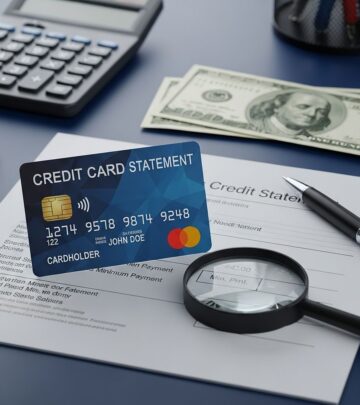
Your credit card statement arrives monthly like clockwork, but it’s not just a bill—it’s a carefully crafted tool designed to keep you spending and indebted. Billing cycles typically span 25-31 days, during which all transactions are tallied to determine your minimum payment and potential interest charges. While it provides essential account information like your account number, opening date, and billing period dates, hidden elements encourage poor financial habits. This article dissects every section, revealing how they trap you in debt and offers actionable strategies to reclaim control.
The Minimum Payment Trap
The
minimum payment
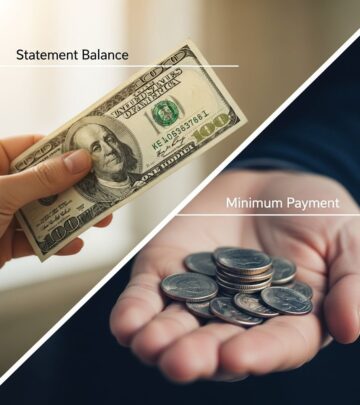
is the most insidious feature on your statement. Positioned prominently near the payment due date, it lures you into thinking you’ve got it covered by paying just a small percentage—often 1-3% of your balance plus interest and fees. However, this calculation ensures most of your payment services interest, leaving the principal barely touched. For instance, on a $5,000 balance at 20% APR, a $100 minimum might allocate $83 to interest and only $17 to principal, extending repayment over decades.Federal regulations require issuers to warn that minimum payments prolong debt, yet the bold, large-font minimum overshadows the tiny footnote detailing total payoff costs. U.S. consumers owe $1.21 trillion in credit card debt, with average household balances at $6,730, largely fueled by this trap. To escape, always aim to pay the full statement balance—the total owed at cycle end—to avoid interest entirely.
- Calculate impact: Use online tools to see how minimums balloon debt; paying double the minimum halves payoff time.
- Automate full payments: Set up auto-pay for statement balance to bypass temptation.
- Track principal reduction: Subtract finance charges from payments to verify progress.
Statement Balance vs. New Balance Confusion
Confusing terminology sows chaos. The
statement balance
is what you owed at the previous cycle’s close, while thenew balance
reflects current cycle activity post-payments, purchases, and fees. Issuers highlight the new balance as ‘due immediately,’ pressuring partial payments that roll over and accrue interest. If you pay only the minimum on the new balance, unpaid portions from prior cycles compound.Opening balance shows carryover debt, reminding you of unresolved issues. A credit or negative balance from refunds or rewards offers rare relief but is often buried. Pro tip: Make payments before the due date, as some cycles end pre-processing, inflating perceived owed amounts.
| Term | Definition | Debt Risk |
|---|---|---|
| Statement Balance | Total at prior cycle end | Avoid paying in full triggers interest |
| New Balance | Current total due | Minimum payment perpetuates cycle |
| Opening Balance | Start of cycle owed | Highlights carryover debt |
Hidden Fees and Finance Charges
**Monthly finance charges** expose your APR and interest accrued, often a shocking wake-up. This section breaks down balances subject to interest, fees, and totals charged—motivational yet painful. Late fees, cash advance fees (higher rates, no grace), and balance transfer fees lurk here, eroding payments. Cash advances post immediately with steep APRs sans grace period.
Statements group fees subtly: ‘Other credits’ for refunds, ‘Past due amount’ for overdue sums triggering penalties. Interest compounds daily on average daily balance; high utilization amplifies it. Combat by calling for rate reductions via credit counseling or balance transfers to 0% promo cards, but watch fees.
Transaction Details: Spending Blind Spots
Transaction lists detail every purchase, payment, credit, balance transfer, and cash advance by date, vendor, and amount—grouped by type or chronologically. This reveals impulse buys and subscription creep, yet fine print and abbreviations obscure recognition. Unfamiliar charges? Dispute promptly to protect against fraud.
Available credit shows limit minus balance, tempting overspending if high. Rewards summaries track points/miles, psychologically justifying debt for ‘free’ perks. Review meticulously: verify accuracy, categorize spending to curb leaks.
- Spot patterns: Dining out dominating? Cut back.
- Cancel unused subs: Save $100s yearly.
- Question merchants: Vague entries demand clarification.
The Grace Period Myth
Your statement notes the payment due date, typically 21+ days post-closing, implying a
grace period
—interest-free window for new purchases if full balance paid. But grace vanishes with any carryover balance; interest hits immediately on all. Statements downplay this, listing due dates without bold caveats, trapping partial payers in immediate accruals.New cards mandate 21-day grace minimum, but ongoing debt erodes it. Solution: Pay full monthly to preserve grace; treat cards as debit.
Psychological Design Tactics
Statements employ behavioral nudges: Minimums in giant font, full payoff costs in micro-text. APRs and projections minimized to reduce guilt. Color-coding (green for credits, red for balances) biases perception. Digital versions bury details in PDFs, skimmed hastily.
Counter with habits: Print statements, highlight principal portions, project debt-free dates. Credit utilization (30% of FICO score) spikes with high balances, hurting scores.
Breaking Free: Actionable Strategies
Transform your statement into an ally:
- Pay full balance: Avoid interest; grace preserved.
- Multiple payments: Reduce average daily balance, lowering interest.
- Debt snowball/avalanche: Tackle smallest/high-interest first.
- Negotiate rates: Cite good history for cuts.
- Monitor utilization: Under 30% boosts scores.
Secured cards aid beginners; graduate to rewards post-improvement. Track via apps syncing statements.
Frequently Asked Questions (FAQs)
What is a credit card billing cycle?
A 25-31 day period from statement date to closing date when transactions post.
How does minimum payment affect debt?
Mostly covers interest, extending payoff years and adding thousands in costs.
What if I spot an error on my statement?
Dispute in writing within 60 days; issuers must investigate.
Can I avoid interest entirely?
Yes, pay full statement balance by due date each cycle.
Why is my principal reduction so small?
High interest dominates; increase payments or lower APR.
Mastering your credit card statement empowers financial sovereignty. Ditch minimums, scrutinize every line, and watch debt dissolve. Your future self thanks you.
References
- Credit Card Statement: How to Read It and What to Look For — DebtWave. 2023. https://debtwave.org/how-to-read-credit-card-statement/
- How Credit Cards Work: A Beginner’s Guide — Navy Federal Credit Union. 2024-10-15. https://www.navyfederal.org/makingcents/credit-debt/credit-card-basics.html
- Understanding Your Credit Card Statement — Consolidated Credit. 2024. https://www.consolidatedcredit.org/how-to-use-a-credit-card/statement/
- How to Read A Credit Card Statement — Equifax. 2024-05-20. https://www.equifax.com/personal/education/credit-cards/articles/-/learn/how-to-read-credit-card-statement/
- Credit Card Billing Cycles, Explained — Chase Bank. 2024. https://www.chase.com/personal/credit-cards/education/basics/credit-card-billing-cycles-explained
Similar Articles








Read full bio of medha deb