How To Write A Curriculum Vitae (CV): Step-By-Step Guide
Master CV writing with comprehensive guide covering format, structure, and essential components for career success.
How to Write a Curriculum Vitae (CV)
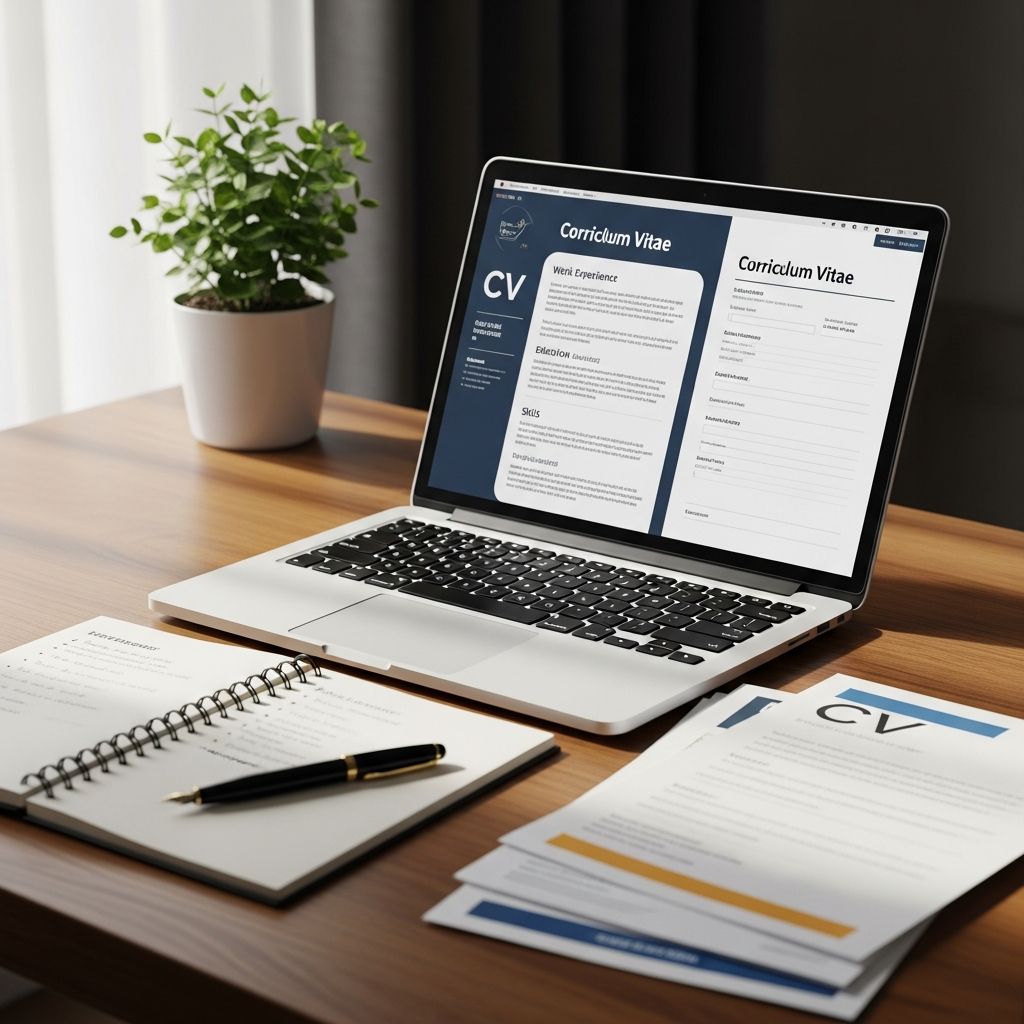
A curriculum vitae, commonly abbreviated as CV, is a comprehensive document that presents your educational background, professional experience, skills, and accomplishments. Unlike a traditional resume, which is typically one to two pages, a CV can be longer and more detailed, making it particularly valuable for academic positions, research roles, and international job applications. Whether you’re a recent graduate, changing careers, or seeking advanced positions in academia or specialized fields, understanding how to write an effective CV is essential to presenting yourself as a strong candidate.
Understanding the Difference Between a CV and a Resume
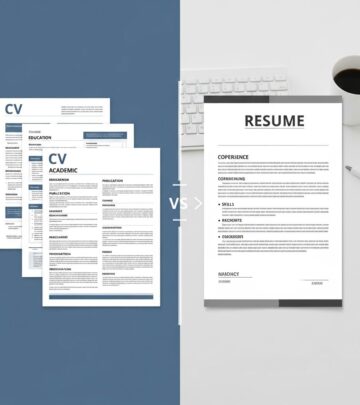
While many people use the terms CV and resume interchangeably, there are important distinctions between the two documents. A resume is a concise summary of your professional history, typically limited to one or two pages, and is commonly used for positions in business and industry. A CV, on the other hand, is a more detailed document that provides an extensive overview of your academic and professional achievements. CVs are standard in academia, research, science, and international job markets. The length of a CV is flexible and can span multiple pages, allowing you to comprehensively showcase your qualifications without the space constraints of a traditional resume.
Essential Components of a Strong CV
Creating an effective CV begins with understanding which components to include. While the specific sections may vary based on your field and experience level, most CVs share common foundational elements that help employers and admissions committees quickly evaluate your qualifications.
Contact Information
Your CV should begin with clear, easily accessible contact information. Include your full name, professional email address, phone number, and city or city and state. While you may include a physical address, this is becoming less common in modern CVs. If you have a professional website, LinkedIn profile, or portfolio, include those links as well. Ensure all contact details are current and that your voicemail greeting and email signature are professional.
Professional Summary or Objective
A professional summary provides a brief overview of your career goals and key qualifications relevant to the position you’re seeking. This section should be tailored to each application and highlight the skills and experiences most relevant to the role. Keep this section concise—typically 2-4 sentences—and focus on what you can offer the employer or institution rather than what you hope to gain.
Education
Your educational background is a crucial component of your CV. List all degree-granting institutions in reverse chronological order, beginning with your most recent degree. For each institution, include the degree earned, field of study, graduation date, and the name of the school. If you’re concerned about age bias, you have the option to omit graduation dates. Additionally, you can include relevant coursework, thesis titles, honors, and any continuing education programs or professional certificates that strengthen your candidacy for the position.
Professional Experience
The professional experience section should showcase your work history in reverse chronological order, placing your most recent employment first. For each position, provide the company name, job title, dates of employment, and at least three detailed bullet points describing your responsibilities and accomplishments. When writing these bullet points, begin with strong action verbs such as “developed,” “led,” “managed,” or “created.” Quantify your achievements when possible by including numbers, percentages, or specific outcomes that demonstrate your impact. For example, instead of writing “improved sales processes,” write “increased sales by 25% through implementing new customer engagement strategies.”
Skills and Qualifications
This section should highlight both hard and soft skills you’ve developed throughout your career. Hard skills are technical abilities specific to your field, such as programming languages, software proficiency, or laboratory techniques. Soft skills encompass interpersonal abilities like communication, leadership, teamwork, and problem-solving. Organize skills by category when appropriate, such as technical skills, languages, or specialized competencies. Prioritize skills that are most relevant to the position you’re applying for.
Publications and Presentations
If your field values academic contributions, include a section dedicated to publications and presentations. List publications in reverse chronological order using a consistent citation format appropriate for your discipline. Include the title, authors, publication date, journal name, volume, page numbers, and DOI when applicable. For presentations, provide the title, the conference or event name, the date, and the location. It’s acceptable to include pending publications and presentations, as these demonstrate your ongoing contributions to your field.
Awards and Honors
If you have received significant academic honors, awards, or scholarships, create a dedicated section to showcase these achievements. List each award with the award name, the year received, the organization that presented it, and any relevant details about the award. This section is particularly important for academic applications and demonstrates recognition from your peers and institutions. Include awards from throughout your career, starting with undergraduate honors if they are particularly prestigious.
Choosing the Right CV Format
There are three primary CV format options to consider, each with distinct advantages depending on your professional background and the position you’re seeking.
Chronological Format
The chronological format lists your work experience and education in reverse chronological order, emphasizing your career progression. This format works best if you have a consistent career path and steady employment history. It allows employers to easily track your professional development and see how your roles have evolved over time.
Functional Format
The functional format emphasizes skills and accomplishments rather than chronological work history. This approach is particularly useful if you’re changing careers, have employment gaps, or are early in your career with limited professional experience. By highlighting relevant skills first, you can position yourself as qualified despite a non-traditional career path.
Combination Format
The combination format blends elements of both chronological and functional approaches, providing space to detail both your skills and your professional history. This hybrid format is highly recommended as it allows you to showcase your strongest qualifications while maintaining a clear record of your career progression. It offers flexibility in highlighting the experiences and skills most relevant to the position.
Formatting Best Practices
The presentation of your CV is just as important as its content. A well-formatted CV is easier to read, more visually appealing, and more likely to make a positive impression on hiring managers and admissions committees.
Font and Typography
Select a single, professional font for your entire CV to maintain consistency and readability. Standard choices include Arial, Calibri, Times New Roman, or Helvetica. Use a font size between 10 and 12 points for body text, ensuring it’s large enough to read comfortably. Distinguish headings from body text by using bold formatting, increasing the font size, or using a combination of both techniques. Avoid using multiple font styles or colors, as this can make your CV appear unprofessional and difficult to read.
Margins and Spacing
Maintain one-inch margins on all sides of your document to create a professional appearance and ensure proper spacing. Use consistent spacing between sections and bullet points. Adequate white space makes your CV easier to scan and helps important information stand out. Avoid cramping too much content onto a single page, as this compromises readability.
Length Considerations
Unlike resumes, there is no strict page limit for CVs. However, avoid using excessively small fonts to fit more content. As a general guideline, recent graduates typically have CVs of one to two pages, professionals with several years of experience may have two to three pages, and established professionals in academia or research may have longer CVs. Focus on quality and relevance rather than length, ensuring that every item included strengthens your candidacy.
Tailoring Your CV for Different Opportunities
One of the most important strategies for creating an effective CV is customizing it for each application. Different positions and institutions value different qualifications and experiences. Before submitting your CV, carefully review the job description or application requirements and adjust your CV accordingly.
Highlighting Relevant Experience
Reorganize your CV sections to prioritize the most relevant information for each application. If you’re applying for a research position, lead with your research experience and publications. For a teaching position, emphasize your teaching experience and pedagogical accomplishments. By strategically ordering sections and emphasizing relevant achievements, you demonstrate that you’ve carefully considered how your qualifications match the position’s requirements.
Using Keywords
Many organizations use applicant tracking systems (ATS) to screen CVs before human review. To ensure your CV passes through ATS screening, incorporate keywords from the job description throughout your document. These keywords might include specific technical skills, software proficiencies, certifications, or industry terminology. However, only include keywords that genuinely apply to your background—stuffing your CV with irrelevant terms will damage your credibility if your CV reaches a human reviewer.
Proofreading and Quality Control
Before submitting your CV, conduct thorough proofreading to eliminate spelling errors, grammatical mistakes, and formatting inconsistencies. These errors can negatively impact how potential employers or admissions committees perceive your professionalism and attention to detail. Consider these proofreading strategies:
- Read your CV aloud to catch errors that you might miss when reading silently
- Have a trusted colleague or mentor review your CV for feedback
- Use spell-check tools, but don’t rely on them exclusively
- Check for consistent formatting, capitalization, and punctuation throughout the document
- Verify all dates, names, and credentials for accuracy
- Review the CV multiple times over several days to catch errors you might overlook in a single reading
Advanced CV Sections for Specialized Backgrounds
Depending on your field and experience, you may want to include additional sections that showcase specialized expertise or achievements. These supplementary sections can differentiate you from other candidates and provide a more complete picture of your qualifications.
Grants and Funding
If you have successfully secured research grants, fellowships, or other funding, include a dedicated section highlighting these achievements. List the grant name, funding agency, award amount, and dates. This section is particularly valuable for academic and research positions, as it demonstrates your ability to secure external support for research initiatives.
Licenses and Certifications
Include any professional licenses or certifications relevant to your field, such as professional credentials, security clearances, or specialized training certifications. Provide the certification name, issuing organization, and the date it was earned or will expire, if applicable.
Languages
If you are fluent or proficient in languages beyond your native language, include a languages section. Specify your proficiency level for each language (e.g., fluent, proficient, basic), as this helps employers understand your practical capabilities.
Service and Professional Affiliations
Include memberships in professional organizations, volunteer work, committee service, or community involvement that demonstrates your commitment to your field and broader contributions. This section is especially important for academic and nonprofit positions.
Common CV Mistakes to Avoid
While creating your CV, be aware of common pitfalls that can undermine your candidacy:
- Being too vague: Use specific, measurable accomplishments rather than general statements about responsibilities
- Inconsistent formatting: Maintain consistent formatting throughout your CV for a polished appearance
- Including irrelevant information: Focus on experiences and skills pertinent to the position
- Neglecting to tailor: Submit generic CVs rather than customizing them for each application
- Exceeding reasonable length: While CVs can be longer than resumes, avoid excessive length without substantial content
- Poor organization: Arrange sections logically to help readers find important information easily
- Overlooking proofreading: Submit CVs with spelling or grammatical errors that reflect poorly on your attention to detail
Frequently Asked Questions
Q: How long should my CV be?
A: There is no fixed length for a CV, but as a general guideline, recent graduates typically have one to two pages, while experienced professionals may have two to four pages or longer. Prioritize quality and relevance over length, ensuring every item strengthens your candidacy.
Q: Should I include a photo on my CV?
A: In most industries and countries, photos are not recommended on CVs unless specifically requested. However, some international positions and certain creative fields may expect or welcome professional headshots. When in doubt, omit the photo and include a link to your professional portfolio instead.
Q: How far back should I go in my work history?
A: Generally, include the last 10-15 years of professional experience. For early-career professionals, include all relevant positions. You may omit very early positions if space is limited, but ensure you don’t create unexplained gaps in your employment history.
Q: Should I include references on my CV?
A: This depends on your field and the application requirements. In academic contexts, it’s common to include “References available upon request” at the bottom of your CV. Some organizations prefer a separate reference sheet submitted with your application.
Q: How should I handle employment gaps in my CV?
A: Be prepared to explain significant employment gaps, but you don’t need to explicitly highlight them on your CV. If gaps are unavoidable, use a functional or combination format that emphasizes skills and accomplishments rather than chronological work history.
Q: Can I use the same CV for all applications?
A: While you can use a master CV as your foundation, customizing your CV for each specific position or organization increases your chances of success. Tailor sections, reorder content, and emphasize relevant experiences to match each opportunity.
Q: Should I include my GPA on my CV?
A: Include your GPA only if it’s 3.5 or higher and you’re a recent graduate or graduate student. For experienced professionals, omit your GPA as professional accomplishments become more relevant than academic performance.
References
- CV Format Guide: Tips for Writing Your Curriculum Vitae — Indeed Career Advice. 2025. https://www.indeed.com/career-advice/resumes-cover-letters/cv-format-guide
- Guidelines for Preparing a CV — Cornell Graduate School, Career and Professional Development. 2025. https://gradschool.cornell.edu/career-and-professional-development/pathways-to-success/prepare-for-your-career/take-action/resumes-and-cvs/
- Writing the Curriculum Vitae — Purdue OWL. 2025. https://owl.purdue.edu/owl/job_search_writing/resumes_and_vitas/writing_the_cv.html
- CV Writing Tips for Graduate Students — The Writing Center, University of Wisconsin–Madison. 2025. https://writing.wisc.edu/handbook/cv/
- Building Your CV Guide for Graduate Students — Princeton Career Development. 2025. https://careerdevelopment.princeton.edu/guides/resume-cv-cover-letter-perspective-statement/building-your-cv-guide-graduate-students
- What to Include in Your Curriculum Vitae (CV) — Emory Center for Professional Development. 2025. https://cpd.emory.edu/resources/what-to-include-in-your-curriculum-vitae/
Similar Articles








Read full bio of Sneha Tete