How to Write a Check to Yourself: A Complete Guide
Learn the legality, methods, and best practices for writing checks to yourself for personal financial management.
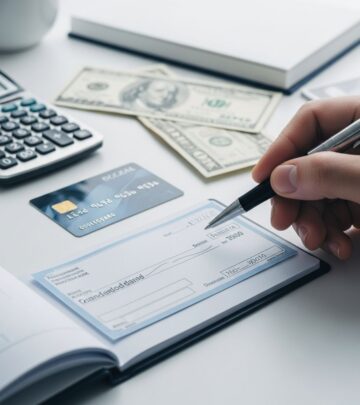
Writing a check to yourself is a legitimate financial tool that many people use to manage their money across multiple accounts. Whether you’re transferring funds between bank accounts, consolidating savings, or managing business and personal finances separately, understanding how to write a check to yourself can be incredibly useful. This comprehensive guide will walk you through everything you need to know about this common banking practice.
Is It Legal to Write a Check to Yourself?
The straightforward answer is yes—writing a check to yourself is completely legal, provided you have sufficient funds in your account to cover the amount. It’s a practical method for moving money between your own accounts at the same or different financial institutions. However, there are important legal boundaries you must respect to avoid serious consequences.
Writing a check for more money than you have in your account is illegal and constitutes what’s known as a “bad check” or “insufficient funds check.” This practice, particularly when done knowingly and with intent to defraud, can result in criminal charges. If you deliberately write a check to yourself knowing there are insufficient funds, you could face legal penalties beyond simple bank fees.
Step-by-Step Instructions: How to Write a Check to Yourself
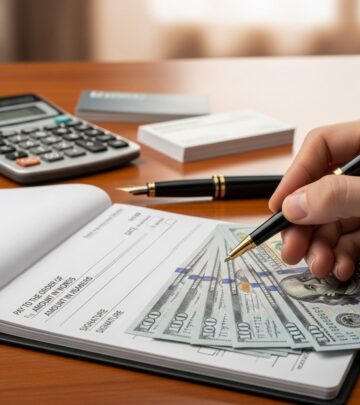
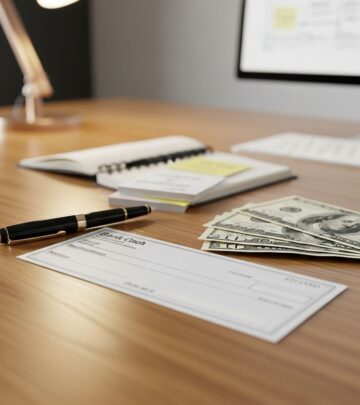
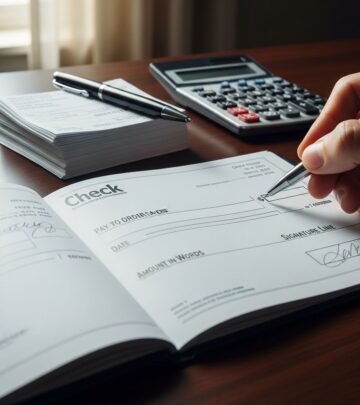
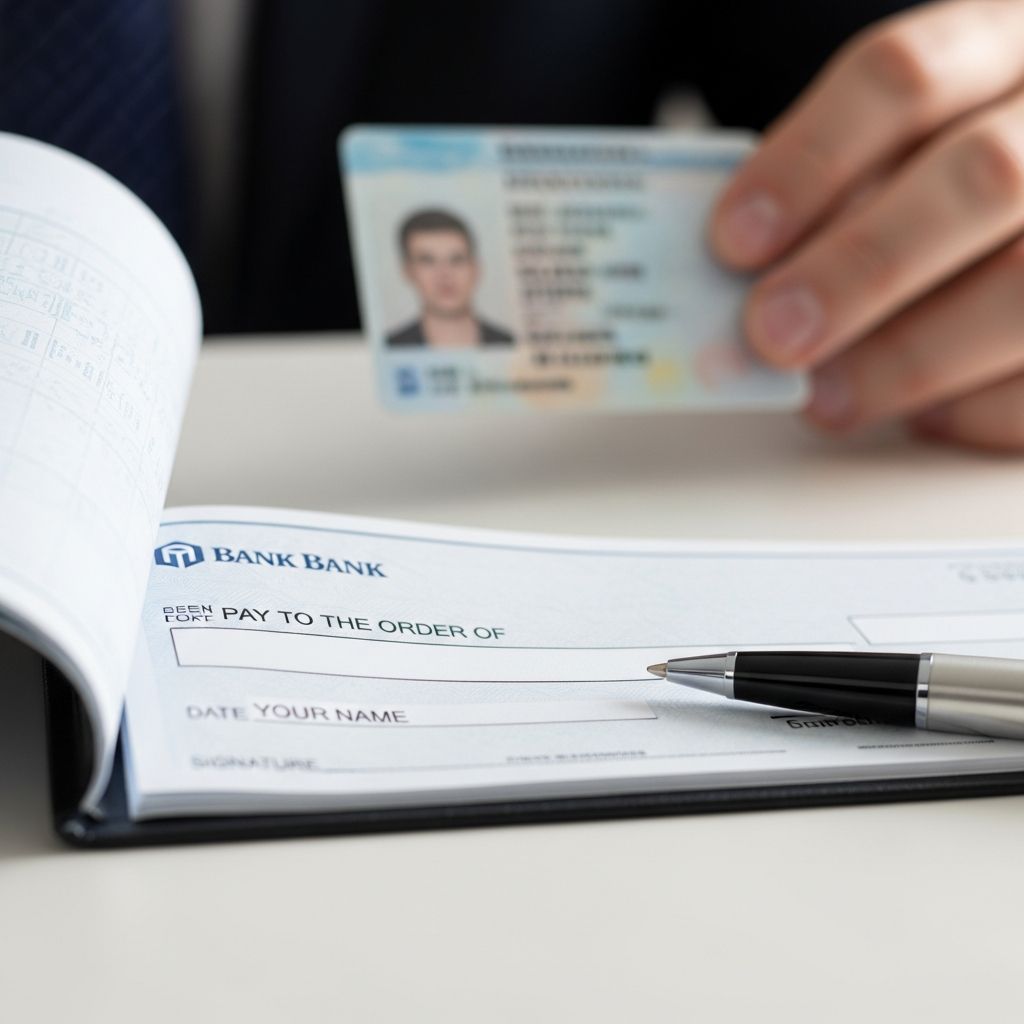
The process of writing a check to yourself is straightforward and mirrors the steps you’d follow when writing a check to anyone else. Here’s exactly what you need to do:
1. Write the Date
Start by writing the current date in the date field at the top right of the check. This is important for tracking purposes and ensures the check can be processed promptly.
2. Fill in the “Pay to the Order of” Line
On the “Pay to the order of” line, write your own full name, just as it appears on your bank account. This is the critical step that distinguishes a check to yourself from one made out to someone else. Never write “Cash” on this line, as this creates a security risk—anyone who gains access to the check could potentially cash it.
3. Enter the Amount in Numerical Form
In the box on the right side of the check, write the amount you wish to transfer using numerals (for example, $5,000.00). Be precise with your numbers and ensure they’re written clearly and large enough to occupy the entire amount box.
4. Write Out the Amount in Words
On the line below the payee line, write out the amount in words followed by the word “dollars.” For example, if you’re writing a check for five thousand dollars, you would write “Five Thousand Dollars.” This redundancy serves as a verification measure and helps prevent fraud.
5. Add a Memo (Optional)
In the memo line at the bottom left of the check, you can optionally write a note describing the purpose of the check, such as “Transfer to Savings” or “Emergency Fund Deposit.” This helps you track the reason for the transaction later.
6. Sign the Check
Sign the check on the signature line using your normal signature. Consistency in your signature helps banks verify authenticity and can make it easier to dispute fraudulent activity. Ensure your signature matches what your bank has on file.
7. Deposit or Cash the Check
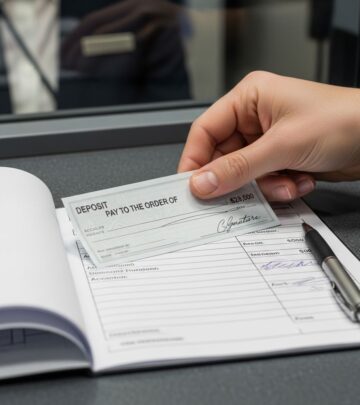
Once completed, deposit the check into your other account through mobile banking, an ATM, or by visiting your bank branch in person. If transferring between accounts at the same bank, you might want to verify whether an electronic transfer would be faster and more convenient.
Common Reasons to Write a Check to Yourself
There are several legitimate scenarios where writing a check to yourself makes financial sense:
Consolidating Funds for Large Purchases
If you maintain multiple accounts and need to gather funds for a significant purchase, such as a home renovation or major expense, writing a check to yourself allows you to consolidate money from different accounts. For instance, you might transfer $20,000 from a home equity line of credit at one institution to your primary checking account at another.
Setting Aside Money for Specific Goals
Many people maintain dedicated savings accounts for specific purposes like vacations, emergency funds, or down payments on homes. Writing a check to yourself facilitates transfers from your general savings or checking account into these specialized accounts.
Business Owners Paying Themselves
Entrepreneurs and small business owners frequently use this method to pay themselves a salary from their business revenues. Writing a check to yourself helps maintain clear separation between business finances and personal finances, which is crucial for accounting and tax purposes.
Mobile Deposit Convenience
If you prefer using mobile banking, you can write a check to yourself and deposit it remotely through your bank’s mobile app. However, for transfers between accounts at the same institution, online transfer functions are typically faster.
Temporary Fund Management
When closing an account but haven’t yet decided where to move your funds, writing a check to yourself allows you to hold funds temporarily while you make your decision.
Complex Financial Scenarios
In more sophisticated financial situations involving investments or business operations, writing a check to yourself can serve as a way to move funds between personal and investment portfolios or to formalize internal loans.
Maximum Check Amounts and Limitations
You can write a check to yourself for any amount as long as you have sufficient funds in your account to cover it. However, there are practical considerations to keep in mind:
Checks for several thousand dollars or more may process more slowly as banks conduct additional verification to ensure there’s no fraudulent activity. Large checks trigger extra scrutiny as a standard security measure. Additionally, individual banks may have their own policies regarding maximum check amounts, so it’s worth contacting your financial institution to understand any specific limits they may impose.
Important Safety Tips for Writing Checks to Yourself
When writing checks to yourself, follow these best practices to protect your finances and maintain accurate records:
Always Use a Pen
Just as when writing checks to others, always use a pen rather than pencil. Pen creates a permanent record that cannot be easily altered, providing better security for your documents.
Keep Detailed Records
Document every check you write to yourself in your check register, a spreadsheet, or a financial tracking application. This creates a clear audit trail of all your transactions and helps with account reconciliation and budgeting. Taking a picture of each check before sending it also provides an exact visual record.
Secure Your Checkbook
When you’re not actively using checks, store your checkbook in a secure location away from prying eyes. This prevents unauthorized access to blank checks that could be misused.
Never Write “Cash” as Payee
Always write your name on the payee line rather than “Cash.” Checks made out to cash are extremely vulnerable to theft or loss, as anyone can cash them without identification.
Avoid Blank Checks
Never sign a blank check or leave the amount field empty before depositing. Always ensure the correct name and amount are written before you sign the check.
Use Consistent Signatures
Maintain signature consistency across all your checks. This helps your bank identify fraudulent activity more easily and makes it simpler for you to dispute unauthorized charges if they occur.
What Happens If You Write a Bad Check?
A “bad check” is one written for an amount exceeding the available balance in your account. The consequences can be serious:
Overdraft Fees: Most banks charge overdraft fees when you write a check for more than you have available, typically ranging from $25 to $35 per transaction.
Criminal Liability: If you intentionally write a check knowing you lack sufficient funds with the intent to commit fraud, this constitutes a crime. Writing a bad check knowingly could result in criminal charges in addition to civil penalties.
Check Kiting: Using the delayed processing time of checks to write checks against insufficient funds is known as check kiting, which is illegal. This fraudulent practice exploits the banking system to obtain unauthorized credit.
Banking Consequences: Repeated bad checks can result in your account being closed and your name being added to banking blacklists, making it difficult to open accounts at other institutions.
Mobile Deposit and Digital Alternatives
While writing a physical check to yourself remains a valid option, modern banking offers several alternatives that may be faster and more convenient:
For transfers between accounts at the same bank, electronic transfers through online banking are typically faster than check processing. Mobile deposit through your bank’s app allows you to deposit checks to yourself without visiting a branch. ACH transfers and wire transfers provide alternative methods for moving money between accounts. Many banks now offer real-time transfer services that provide immediate account-to-account transfers.
Bank Policies and Considerations
Before writing a check to yourself, be aware that individual banks may have specific policies affecting the transaction:
Processing times vary by institution and can range from 1-5 business days. Hold times may apply to deposits, during which the funds aren’t immediately available. Certain transaction fees may apply depending on your account type. Large checks may trigger additional verification procedures. Some banks may have limits on the number of transfers you can make monthly.
When You Should Avoid Writing a Check to Yourself
While generally useful, there are situations where alternative methods are preferable:
If both accounts are at the same bank, electronic transfer is faster and more reliable. If you need immediate access to funds, mobile or online transfer is preferable to waiting for check processing. If you’re managing payroll for multiple employees, dedicated payroll services are more appropriate. If you’re conducting international transfers, wire transfers or specialized services are necessary.
Frequently Asked Questions
Q: Is it legal to write a check to yourself?
A: Yes, it is completely legal to write a check to yourself as long as you have sufficient funds in your account to cover the amount. Writing a check for more than you have available is illegal and constitutes a bad check.
Q: How much can I write a check to myself for?
A: You can write a check to yourself for any amount as long as you have the funds to cover it in your account. Large checks over several thousand dollars may process more slowly due to fraud prevention procedures, and your bank may have specific policies for large amounts.
Q: What happens if I write a check to myself for more than I have?
A: Writing a check for more than you have available is illegal and called a bad check. You’ll face overdraft fees, and if it’s proven intentional, you could face criminal charges. This practice is also known as check kiting when done fraudulently.
Q: Can I write a check to myself for mobile deposit?
A: Yes, you can write a check to yourself and use mobile deposit to deposit it into another account. However, if both accounts are at the same bank, electronic transfer is usually faster.
Q: Will my bank refuse to cash a check I wrote to myself?
A: Your bank will refuse to cash a check to yourself if your account has insufficient funds. This is called a bad check. If there’s proof you intentionally wrote a bad check, it could result in criminal charges.
Q: Should I write “Cash” on a check to myself?
A: Never write “Cash” as the payee on a check to yourself. Always write your own name. Checks made out to cash can be cashed by anyone who finds them, creating a security risk.
Q: How do I record a check to myself for accounting purposes?
A: Document the check in your check register, financial tracking app, or spreadsheet. Take a picture of the check before depositing it to maintain an exact visual record for your files.
Q: Can I write a postdated check to myself?
A: Writing postdated checks is legal in most cases, but you should check your state laws for specific guidance as regulations vary by location.
Q: Is writing a check to myself better than electronic transfer?
A: For transfers between accounts at the same bank, electronic transfer is typically faster. However, writing a check to yourself may be preferable if you’re transferring between different institutions or prefer a physical record of the transaction.
Q: What if I lose a check I wrote to myself?
A: If you lose a check made out to your name (not cash), the risk is lower because it requires your endorsement to cash. However, contact your bank to report it if it was for a large amount. Having a picture or record of the check helps with verification.
References
- Can I Write a Check to Myself? — GOBankingRates. 2024. https://www.gobankingrates.com/banking/checking-account/can-i-write-a-check-to-myself/
- How Do You Write a Check to Yourself — SoFi. 2024. https://www.sofi.com/learn/content/how-do-you-write-a-check-to-yourself/
- How to Write a Check to Yourself: Is It Possible? — CheckIssuing. 2024. https://www.checkissuing.com/blog/how-to-write-a-check-to-yourself/
- How To Write A Check: A Step-By-Step Guide — Nasdaq. 2024. https://www.nasdaq.com/articles/how-to-write-a-check:-a-step-by-step-guide
- How to write a check — Fidelity Investments. 2024. https://www.fidelity.com/learning-center/smart-money/how-to-write-a-check
Similar Articles








Read full bio of medha deb