How to Write Cents on a Check: Complete Guide
Master the art of writing cents on checks with our comprehensive step-by-step guide.
How to Write Cents on a Check: A Complete Guide
Writing a check might seem like a simple task in today’s digital age, but getting the details right is crucial for ensuring your payment is processed correctly and securely. One of the most common questions people have when writing checks is how to properly write cents. Whether you’re paying a utility bill, a contractor, or making a personal payment, understanding the correct way to write cents on a check is essential knowledge that every adult should possess.
Checks remain a widely used payment method despite the prevalence of digital transactions, particularly for larger payments, business expenses, and situations where a paper record is required. When writing a check, you need to fill in multiple sections accurately, and the cents portion is just as important as the dollar amount. Any discrepancy between the written amount and the numerical amount can cause processing delays or, worse, enable fraudulent activity.
Understanding Check Structure and Layout
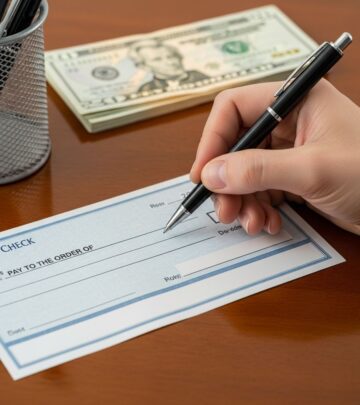
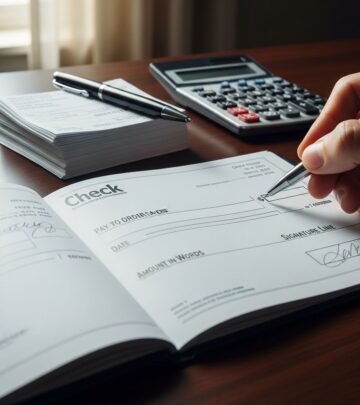
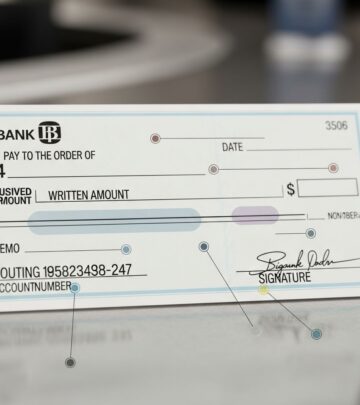
Before diving into how to write cents specifically, it’s helpful to understand the overall structure of a check. A standard personal check contains several key fields that must be completed. The date line appears at the top right, where you’ll write the current date. Below that is the “Pay to the Order of” line where you write the recipient’s name. To the right of this line is a small box designated for the numerical amount, and below that is a longer line where you write out the amount in words.
Understanding where each element goes on your check will help you grasp why writing cents in the correct format matters. The numerical box is designed to clearly display the exact dollar and cents amount, while the written line serves as a backup verification method. Banks prioritize the written amount when processing checks, so accuracy in both locations is vital.
The Two Methods for Writing Cents on Checks
There are two primary methods for expressing cents on a check: the fraction method and the decimal method. Understanding both approaches will help you choose the most appropriate format for your situation.
The Fraction Method
The fraction method, also known as the cents-over-100 format, is the traditional and most widely accepted way to write cents on checks. This method expresses cents as a fraction with 100 as the denominator. For example, if you’re writing a check for $150.75, you would write “One hundred fifty and 75/100” on the written line.
The fraction method works because 100 cents equals one dollar, making this format universally understood by banks and financial institutions. When using this method, you write the dollar amount in words, followed by the word “and,” and then the cents amount written as a numerator over 100. This format is recognized across all banking systems and reduces confusion about the intended payment amount.
The Decimal Method
The decimal method involves writing the amount using a standard decimal point followed by two digits representing cents. For instance, $150.75 would be written as 150.75 in the numerical box. While this method is perfectly acceptable and clear, it’s typically used only in the numerical box on the right side of the check, not in the written-out amount on the line below the recipient’s name.
The numerical box almost always uses decimal notation because the space is limited and this format is compact and easily readable. However, the written line (which banks prioritize for verification) should use the fraction method to maintain consistency with banking standards and historical check-writing conventions.
Step-by-Step Guide to Writing Cents on a Check
Now that you understand the methods, let’s walk through the process of writing cents on a check using a practical example. Suppose you need to write a check for $287.43.
Step 1: Fill in the Date
Begin by writing the current date in the space provided at the top right of the check. You can write the date in several formats, such as “November 29, 2025” or “11/29/2025,” depending on your preference or your bank’s requirements.
Step 2: Write the Recipient’s Name
On the line marked “Pay to the Order of,” write the name of the person or business receiving the payment. Ensure you spell the name correctly to avoid processing delays.
Step 3: Enter the Numerical Amount
In the small box to the right, write the amount using decimal notation: $287.43. Make sure to write clearly and position the numbers toward the left side of the box. It’s important to include cents in all cases, even for whole dollar amounts, which should be written as $287.00. Fill any remaining space in the box to prevent someone from adding additional digits.
Step 4: Write the Amount in Words with Cents as a Fraction
On the line below the “Pay to the Order of” line, write the amount in words: “Two hundred eighty-seven and 43/100”. The fraction 43/100 represents the 43 cents. Remember, if the written amount and numerical amount don’t match, banks will honor the written amount, making this line critically important for accuracy.
Step 5: Add the Memo (Optional)
On the line marked “Memo” or “For,” you may optionally write the purpose of the check, such as “rent” or “invoice #1234.” This helps you remember why you wrote the check if you receive a copy later.
Step 6: Sign the Check
Sign the check in the designated signature line at the bottom right. Your signature must match the signature on file with your bank for the check to be processed.
Common Scenarios: Formatting Examples
Here are several examples showing how to write different amounts with cents using the correct format:
| Dollar Amount | Numerical Format | Written Format |
|---|---|---|
| $50.00 | $50.00 | Fifty and 00/100 |
| $125.50 | $125.50 | One hundred twenty-five and 50/100 |
| $1,000.99 | $1,000.99 | One thousand and 99/100 |
| $2,350.75 | $2,350.75 | Two thousand three hundred fifty and 75/100 |
| $99.09 | $99.09 | Ninety-nine and 09/100 |
Important Security Considerations
Writing checks correctly isn’t just about accuracy—it’s also about security. Here are critical practices to protect yourself and prevent fraud:
Always Use Pen, Never Pencil
Always write checks using a pen, preferably black gel ink, as it’s resistant to erasure. Pencil can be easily erased and altered by someone with fraudulent intentions. Using permanent ink ensures that your check cannot be easily modified after you’ve written it.
Fill All Empty Spaces
In both the numerical amount box and the written amount line, fill any unused space with a line or dashes. For example, if you write “Fifty and 50/100,” draw a line after “50/100” to the end of the line: “Fifty and 50/100 ———.” This prevents anyone from adding extra numbers or words to increase the check amount.
Match Numerical and Written Amounts
Ensure that your numerical amount exactly matches your written amount. If there’s a discrepancy, banks will use the written amount, which could result in you paying a different amount than intended.
Avoid Blank Checks
Never hand someone a blank check. Always fill in all required fields before giving the check to the recipient. A blank check can be completed with any amount by the person receiving it.
Avoid Checks Made Out to “Cash”
Writing a check to “cash” means anyone in possession of the check can cash it, including if it’s lost or stolen. Always write checks to a specific individual or business.
Special Cases and Considerations
Understanding how to handle special circumstances will make check writing even easier:
Writing Large Amounts
For amounts exceeding one thousand dollars, you can write the amount in different ways. For example, $1,600 can be written as either “One thousand six hundred and 00/100” or “Sixteen hundred and 00/100”. Both formats are acceptable, though the former is more explicit.
Writing Very Small Amounts
For checks under one dollar, write the amount as a fraction. For instance, 50 cents would be written as “00 and 50/100” in the written amount, with $0.50 in the numerical box.
When Amounts Include Complex Fractions
Some payments result in unusual cent amounts. For example, $234.67 should be written as “Two hundred thirty-four and 67/100,” with 67 as the numerator and 100 as the denominator. This clearly indicates that you’re paying 67 cents out of every 100 cents (which equals the dollar amount).
Recording Your Check Information
After writing a check, it’s essential to record the information in your check register or ledger. This record should include the check number, date, recipient name, amount, and purpose. Maintaining accurate records helps you track your spending, reconcile your bank statements, and avoid overdrafts or insufficient fund fees.
By logging each check you write, you’ll have a complete history of your payments and can quickly identify any discrepancies when comparing your records to your bank statement.
Common Mistakes to Avoid
Even experienced check writers sometimes make errors. Here are the most common mistakes to avoid:
- Forgetting to include cents in the numerical box: Always write $100.00 instead of just $100, even for whole dollar amounts.
- Using incorrect fraction format: Always use /100 as the denominator for cents. Never use /10 or other denominators.
- Mismatching amounts: Double-check that your numerical and written amounts match exactly.
- Leaving spaces unfilled: Always draw lines through empty spaces in both the amount box and written line.
- Using cursive or unclear handwriting: Write legibly so banks and recipients can easily read the amount.
- Writing the check in pencil: This makes the check vulnerable to alteration.
- Forgetting to sign the check: A check is not valid without your signature.
- Writing the check when you don’t have sufficient funds: This can result in overdraft fees and potential legal issues.
Frequently Asked Questions About Writing Cents on Checks
Q: Can I write cents using a decimal point instead of a fraction?
A: In the numerical box on the right side of the check, yes, you should use decimal notation (such as $150.75). However, on the written line below the recipient’s name, you should always use the fraction method (such as “One hundred fifty and 75/100”) because banks prioritize and recognize this traditional format.
Q: What should I write if the check is for a whole dollar amount with no cents?
A: Even for whole dollar amounts, you should still write the cents portion as “00/100.” For example, a $500 check should be written as “Five hundred and 00/100” on the written line and $500.00 in the numerical box. This adds clarity and reduces the risk of alteration.
Q: If the numerical amount and written amount don’t match, which one will the bank use?
A: Banks will use the written amount (the one written out in words) as the authoritative amount. This is why it’s critically important to ensure your written amount is accurate and matches your intended payment.
Q: Can I use “no/100” or “xx/100” instead of “00/100” for zero cents?
A: Yes, some banks accept alternative notations such as “no/100” or “xx/100” to represent zero cents. However, “00/100” is the most standard and widely accepted format across all financial institutions.
Q: Is it necessary to write the word “dollars” on the written line?
A: Most checks have the word “dollars” pre-printed at the end of the written line, but it’s not necessary to write it again. However, writing it doesn’t hurt and adds extra clarity. The important elements are the dollar amount in words and the cents expressed as a fraction.
Q: What type of pen should I use to write a check?
A: Use a black gel ink pen when writing checks. Gel ink is resistant to erasure and fraud attempts, making it more secure than ballpoint or fountain pens. Never use pencil, as it can be easily erased and altered.
Q: What should I include on the memo line?
A: The memo line is optional and can include information such as an invoice number, account number, or the purpose of the payment (such as “rent” or “utilities”). Some companies may request specific information on the memo line.
Conclusion
Writing cents on a check correctly is a fundamental financial skill that ensures your payments are processed accurately and securely. By following the steps outlined in this guide—using the fraction method (such as 75/100 for 75 cents), filling all empty spaces, maintaining matching numerical and written amounts, and always using permanent ink—you can confidently write checks without worry. Remember that accuracy in check writing protects both you and the recipient, reduces processing delays, and helps maintain clear financial records. Whether you’re writing a check for the first time or you’re a seasoned check writer, these guidelines will ensure your checks are completed correctly every time.
References
- How to Write a Check: A Step-by-Step Guide — Citizens Bank. 2024. https://www.citizensbank.com/learning/how-to-write-check.aspx
- How to Write a Check — Fidelity Investments Learning Center. 2024. https://www.fidelity.com/learning-center/smart-money/how-to-write-a-check
- How to Write a Check: Step-by-Step Guide — U.S. Bank. 2024. https://www.usbank.com/bank-accounts/checking-accounts/how-to-write-a-check.html
- How to Write A Check: Fill Out A Check — Huntington Bank. 2024. https://www.huntington.com/learn/checking-basics/how-to-write-a-check
- How to Write Large and Small Numbers on a Check — WaFd Bank. 2024. https://www.wafdbank.com/articles/banking-101/how-to-write-out-numbers-on-checks
Similar Articles








Read full bio of Sneha Tete