How To Write A Check: Step-By-Step Guide
Master the art of check writing with our comprehensive step-by-step guide for secure payments.
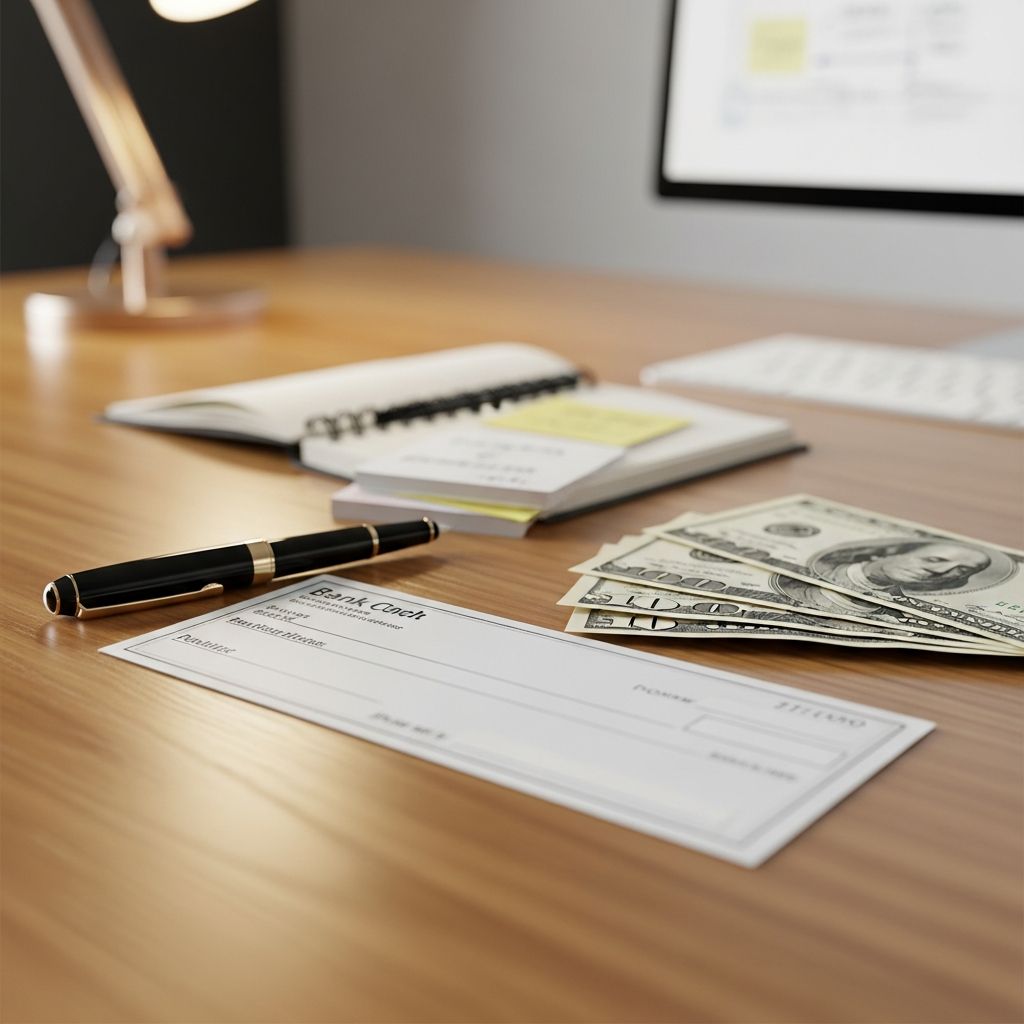
How To Write A Check: A Step-By-Step Guide
In today’s digital age, writing checks might seem like a lost art. However, checks remain an essential payment method for many situations, including rent payments, bill settlements, and gift-giving. Despite the prevalence of electronic transfers and card payments, knowing how to write a check correctly is a valuable skill that can prevent costly mistakes, processing delays, late fees, and bounced check charges. This comprehensive guide will walk you through the entire process, ensuring you can confidently fill out a check every time.
What You Need to Write a Check
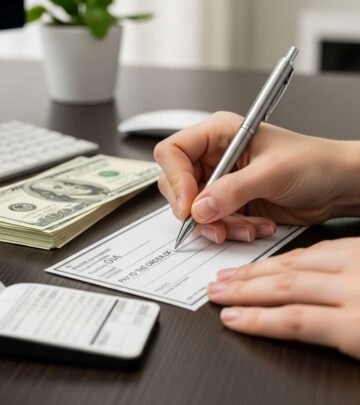
Before you begin writing a check, gather the following essentials to ensure a smooth process:
– A checking account with sufficient funds to cover the check amount- A pen with blue or black ink (never pencil)- The payee’s full and correct name- The exact dollar amount you’re paying- Your signature authorization
Having these items ready before you start will prevent interruptions and help you maintain accuracy throughout the process.
How to Fill Out a Check in 6 Simple Steps
Writing a check requires six straightforward steps that, when followed correctly, will ensure your payment is processed smoothly and securely. Let’s break down each step in detail.
Step 1: Write the Date
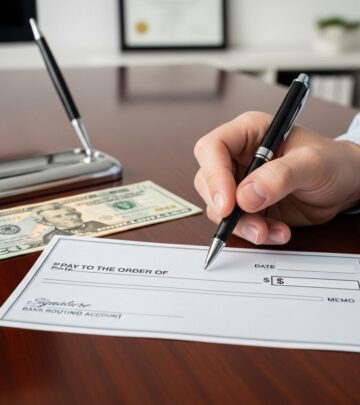
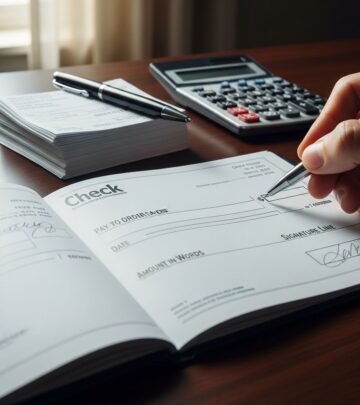
Begin by writing the current date on the line located at the top right-hand corner of the check. This line is crucial because it informs both the financial institution and the recipient when the check was written. You have flexibility in how you format the date—you can use numerical format such as “1/11/2025” or write it out in long form like “Jan. 11, 2025.” Both formats are acceptable and will be processed correctly by banks. The date you write becomes the official date of the check and helps establish the timeline for processing.
Step 2: Write the Payee Name
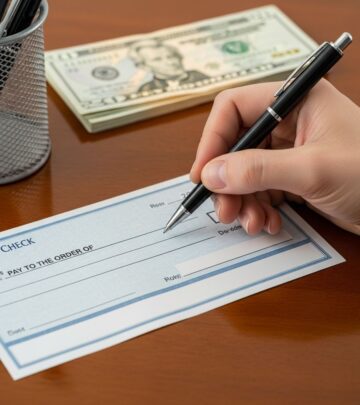
On the line that reads “Pay to the Order of,” write the full name of the person or organization who will receive the check. Accuracy is critical here—spelling the payee’s name correctly prevents confusion and ensures the funds reach the intended recipient. If you’re unsure about the correct spelling, take time to verify it before writing. Misspelled names can cause processing delays or lead to the check being returned unpaid. For businesses, include their official legal name rather than abbreviations.
Step 3: Write the Check Amount in Numbers
In the small box positioned to the right of the payee line, write the numerical dollar amount clearly and legible. For example, if you’re writing a check for one hundred dollars and thirty cents, write “$100.30.” Ensure your handwriting is clear and easy to read. Unclear or ambiguous numbers can cause your bank to reject the payment, process an incorrect amount, or send the check back for clarification. Take your time with this step—the precision of your numerals directly impacts whether the check processes smoothly.
Step 4: Write the Amount in Words
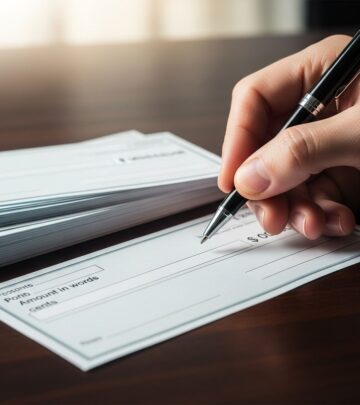
On the line below “Pay to the Order of,” spell out the dollar amount completely in words. This written amount must match your numerical amount exactly, or banks may reject your check. This redundancy serves as a security measure and error-checking mechanism. Write the whole dollar amount in standard word form, then express the cents as a fraction over 100.
Here are examples of correct formatting:
– $100.30 becomes “One hundred and 30/100”- $50.00 becomes “Fifty and 00/100”- $1,250.75 becomes “One thousand two hundred fifty and 75/100”
Even when writing a check for a round dollar amount with no cents, always include “00/100” for the cents portion. This practice prevents someone from altering your check by adding cents. After writing the amount in words, draw a line through any remaining blank space on that line to prevent fraudulent additions.
Step 5: Add a Memo (Optional)
The memo line, typically located at the bottom left of the check, is optional but highly recommended. Use this space to note the purpose of the check, such as “Rent Payment – January 2025” or “Medical Bill – Dr. Smith.” While not required, the memo serves as a helpful reference for both you and the recipient, making it easier to categorize and track the payment in accounting records.
Step 6: Sign the Check
Finally, sign the check in the space provided at the bottom right. Your signature must match the signature on file with your bank account; otherwise, the check may be rejected. Use the same style of signature you registered with your bank. Never sign a blank check or leave the signature line empty, as this creates a security vulnerability and allows others to fill in unauthorized amounts.
Essential Tips for Writing Checks Safely
Following best practices when writing checks helps prevent fraud, processing errors, and payment delays. These security-focused tips will protect both your finances and ensure smooth transactions.
Always Use Pen, Never Pencil
Write exclusively with blue or black ink. Pencil marks can be easily erased and altered, making your check vulnerable to fraud and unauthorized modifications. Other ink colors, such as red or green, can cause problems with bank check-scanning equipment, leading to processing delays or rejection. The permanence of pen ink provides a crucial security layer that protects your account.
Write Clearly and Legibly
Make your handwriting easy to read and interpret. If you have particularly messy handwriting, consider printing in block letters instead. Unclear or illegible writing is one of the primary reasons banks reject checks. Banks use automated scanning systems that must be able to read your information accurately. Poor legibility can result in the check being returned, causing payment delays and potential late fees.
Check Everything Twice Before Signing
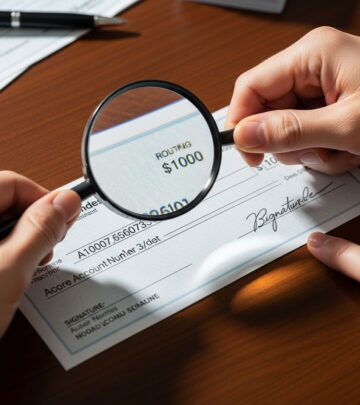
Before you sign, carefully review all the information on your check. Verify that the numerical amount matches the written amount exactly, confirm that the payee’s name is spelled correctly, ensure you’ve filled in all required fields, and check that the date is accurate. This double-checking process catches errors before they become problems and prevents having to void the check and write a new one.
Fill Empty Spaces
Draw a line through any blank space after the written amount line to prevent someone from adding unauthorized words or numbers. For example, after writing “Fifty and 00/100,” draw a line extending to the end of the line. This simple action prevents check alterations and protects your account from fraud.
Keep Detailed Records
Write down each check number, amount, payee name, and date in your check register or budgeting application. Maintaining accurate records helps you track your spending, monitor your account balance, and catch errors quickly. Many people also find it helpful to photograph checks before mailing them as additional documentation and proof of payment.
Finding a Checking Account That Fits Your Needs
If you write checks regularly, selecting the right checking account is important for maximizing convenience and minimizing costs. When comparing checking accounts, consider these key factors beyond simply whether they provide checks:
Account Features and Costs
Examine monthly fees and identify ways to avoid them. Some accounts waive fees when you maintain a minimum balance or set up direct deposit. Understand minimum balance requirements and whether they apply to avoid service charges. Consider the cost of checks—many accounts include them free, while others charge per book. Additionally, evaluate mobile banking features, including remote check deposit capabilities that allow you to deposit checks by smartphone.
Access and Convenience
Review the ATM network available through the account and associated fees. Determine whether the bank has physical locations convenient to your home or workplace. Consider overdraft protection options and how they function if you accidentally overdraw your account.
Comparison Shopping
To find the best checking account for your specific needs, explore comprehensive reviews and comparisons of checking accounts from multiple financial institutions. Different banks and credit unions offer varying benefits, so comparing features, fees, and benefits ensures you select an account that aligns with your banking habits and financial goals.
Frequently Asked Questions About Writing Checks
Q: Can I write a check with a future date?
A: Yes, you can write a postdated check with a future date. However, be aware that a financial institution might still process a postdated check before the date you’ve written on it, so communicate with your payee about your expectations.
Q: What happens if the written amount doesn’t match the numerical amount?
A: If the written amount and numerical amount don’t match exactly, banks may reject your check or contact you for clarification. In some cases, banks follow the written amount as the official payment amount. Always ensure these amounts match precisely.
Q: Is it safe to mail checks?
A: While generally safe, mailing checks does carry some risk. To minimize risk, mail checks from a post office rather than leaving them in your mailbox, use certified mail for large amounts, and keep records of all checks sent. Consider electronic payment alternatives for sensitive transactions when possible.
Q: What should I do if I make a mistake on a check?
A: If you make an error while writing a check, don’t attempt to correct it with white-out or scratching. Instead, write “VOID” across the front of the check and set it aside. Start fresh with a new check and record the voided check number in your register for accounting purposes.
Q: How long is a check valid?
A: Most checks are valid for six months from the date written. However, some banks may honor checks up to one year old. Contact your bank to understand their specific policies on check validity periods.
Q: Can someone else sign a check on my behalf?
A: Generally, only the account holder whose signature is registered with the bank should sign checks. Signing checks on someone else’s behalf without authorization is illegal. If you need someone else to handle check-writing responsibilities, establish a joint account or provide power of attorney through proper legal channels.
References
- How To Write A Check: A Step-By-Step Guide — Bankrate. Accessed November 29, 2025. https://www.bankrate.com/banking/checking/how-to-write-a-check/
- How to Write a Check: A Step-by-Step Guide — Experian. Accessed November 29, 2025. https://www.experian.com/blogs/ask-experian/how-to-write-a-check/
- Bankrate Editorial Guidelines — Bankrate. Accessed November 29, 2025. https://www.bankrate.com/editorial-guidelines/
Similar Articles








Read full bio of medha deb