How to Write a Check: Complete Step-by-Step Guide
Master the art of check writing with our comprehensive step-by-step guide for beginners and experienced users alike.
How to Write a Check: A Comprehensive Guide
Writing a check is a fundamental financial skill that remains relevant in today’s digital world. Whether you’re paying a bill, reimbursing a friend, or making a payment to a service provider, knowing how to properly fill out a check is essential. Despite the rise of electronic payments, checks continue to be a reliable and widely accepted form of payment. This comprehensive guide will walk you through every step of the check-writing process, helping you avoid common mistakes and ensure your checks are processed smoothly.
A check is a written order instructing your bank to pay a specific amount of money from your account to a designated recipient. Before you begin writing checks, ensure that you have an active checking account with sufficient funds to cover the check amount. Understanding the proper way to write a check protects both you and the recipient and helps prevent fraud or payment issues.
Understanding Check Components
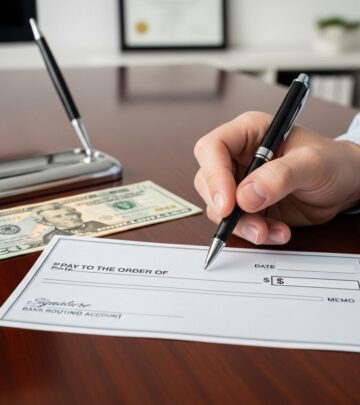
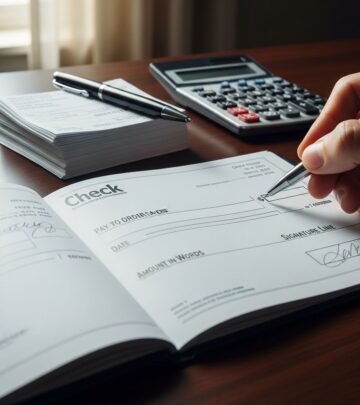
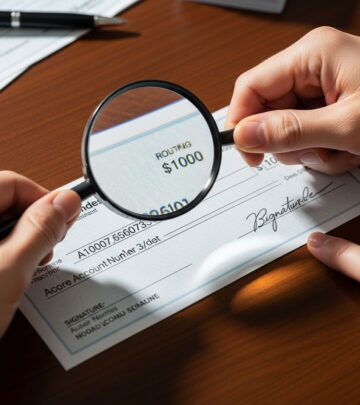
Before diving into the step-by-step process, it’s helpful to understand the different parts of a check and where information goes. The top left corner typically displays your name and address as the account holder. The top right corner contains the check number and a date field. The center of the check includes fields for the payee’s name, the numerical dollar amount, and the written-out dollar amount. The bottom left features an optional memo field, while the bottom right contains the signature line. The very bottom of the check displays the routing number and account number in magnetic ink character recognition (MICR) format. These elements work together to ensure proper check processing and fund transfer.
The Six Essential Steps to Writing a Check
Step 1: Write the Date
Begin by writing the current date in the top right corner of the check where the date field is located. You have flexibility in how you format the date. You can write it in numerical form such as “1/11/2025” or in long form such as “January 11, 2025.” Both formats are acceptable to financial institutions. The date is crucial because it tells the bank and recipient when you wrote the check. If you postdate a check by adding a future date, the recipient cannot deposit it until that date arrives. Most banks will not process a postdated check before the specified date, though some may accept it early. Always use the current date unless you have a specific reason to postdate the check.
Step 2: Add the Recipient’s Name
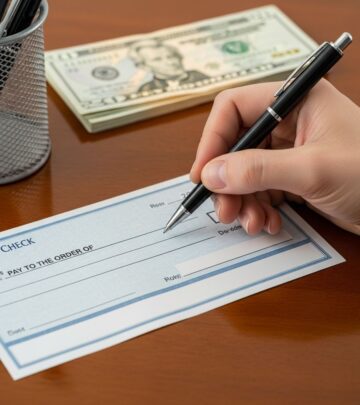
On the line marked “Pay to the order of,” write the name of the person or organization who will receive the payment. This person or business is called the payee. Write the payee’s name clearly and spell it correctly. Common recipients include utility companies, contractors, friends, family members, or service providers. Ensure the name matches exactly how the recipient’s account is registered, as banks verify this information during processing. If you’re unsure about the correct name or spelling, ask the recipient before writing the check. An incorrectly spelled name can cause delays or prevent the check from being cashed.
Step 3: Write the Dollar Amount in Numerals
In the small box on the right side of the check, write the dollar amount in numbers. For example, write “$150.00” or “50.25.” Always include two decimal places, even for round dollar amounts. Write “$100.00” rather than “$100.” This level of precision helps prevent fraudsters from altering the check amount. Place the amount close to the left edge of the box to make it difficult for someone to add additional numbers before or after your amount. Double-check this amount carefully, as mistakes here can lead to payment processing issues or disputes.
Step 4: Write the Dollar Amount in Words
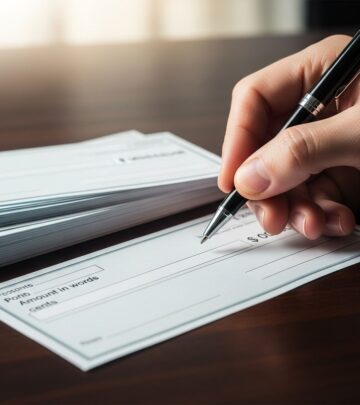
Below the payee line, write out the full dollar amount in words on the line provided. This step is crucial as it serves as a verification mechanism. If the numerical amount is unclear or becomes smudged, the bank uses the written-out amount to determine the correct payment. For a check for $50.25, write “Fifty dollars and 25/100.” For a check for $1,243.20, write “One thousand two hundred forty-three dollars and 20/100.” The cents should always be written as a fraction over 100, using the word “and” to separate dollars from cents. After writing the amount in words, draw a line to fill any remaining space on that line. This prevents someone from adding additional words or numbers to fraudulently increase the check amount.
Step 5: Add a Memo (Optional)
At the bottom left of the check, you’ll find a line labeled “Memo.” While this step is optional, it’s a good practice to complete it. The memo line helps you remember the purpose of the check and provides a reference for both you and the recipient. For a utility bill, you might write “June Electric Bill” or include an account number if the company requests it. For a personal loan repayment, you could write “Loan Repayment” or the specific purpose. This notation appears on both your bank statement and the recipient’s records, making it useful for accounting and record-keeping purposes.
Step 6: Sign the Check
Sign the check on the signature line in the bottom right corner. Your signature must match the name on your checking account as registered with the bank. The signature is a critical security feature that authorizes the payment and indicates you accept responsibility for the amount. A check without a signature is invalid and cannot be cashed. Never pre-sign blank checks, as this creates a significant fraud risk. Complete all other details on the check before signing it, ensuring everything is accurate. Take time to review all information one final time before applying your signature.
Critical Checks Before Submitting Your Check
Verify Amount Accuracy
The most important verification step is ensuring the numerical amount matches the written-out amount exactly. Banks may reject checks where these amounts don’t correspond. For example, if you write “$100” in numbers but “Fifty dollars” in words, the check cannot be processed because the bank cannot determine the correct amount with certainty.
Review Payee Information
Double-check that you’ve spelled the payee’s name correctly. Even a small spelling error can cause processing delays or result in the check being rejected. If you’re unsure about the correct spelling or legal name, contact the recipient before completing the check.
Confirm Legible Handwriting
Write clearly and use block letters if your cursive handwriting is difficult to read. Unclear writing is one of the main reasons banks reject checks. If the bank cannot read important information like the amount or payee name, they will not process the check.
Ensure All Required Fields Are Completed
Before signing, verify that you’ve filled in all mandatory fields: date, payee name, numerical amount, written-out amount, and your signature. The memo is the only optional field.
Best Practices for Check Writing and Security
Use Only Blue or Black Ink
Always write checks using blue or black pen. Never use pencil, as pencil marks can be easily erased, creating fraud opportunities. Avoid using colored gel pens or other decorative writing instruments, as they may not be acceptable to banks.
Fill Empty Spaces
After writing the amount in words, draw a line through any remaining blank space on that line. This simple step prevents someone from adding additional words or numbers that could alter the check amount.
Never Pre-Sign Blank Checks
Pre-signing checks creates a significant security vulnerability. Anyone who gains access to your pre-signed blank checks can fill in any amount and payee name, potentially leaving you liable for fraudulent charges.
Maintain Accurate Records
Write down each check number, amount, payee, and date in your check register or a budgeting app. This record-keeping practice helps you track spending, reconcile your account, and catch errors or fraudulent activity. Consider taking a photo of each check before mailing it as an additional backup record.
Review Your Bank Statements
When you receive your monthly bank statement, compare it to your check register. Mark off each transaction that appears on both the statement and in your register. This process, called reconciliation, helps you identify errors, fraudulent checks, or unauthorized transactions.
Common Mistakes to Avoid
Mismatched Amounts: Failing to ensure that the numerical and written-out amounts match is the most common error leading to check rejection. Always verify both amounts match exactly.
Incorrect Payee Name: Spelling errors or using an incorrect business name can cause processing delays or rejection. Verify the correct name with the recipient beforehand.
Illegible Handwriting: Banks may reject checks where important information is unclear or difficult to read. Print in block letters if necessary.
Missing Information: Ensure you’ve included the date, payee name, amount in both forms, and your signature. Missing any required field will result in rejection.
Using Incorrect Ink: Writing checks in pencil or colored ink may cause them to be rejected by financial institutions.
Post-Dating Without Understanding: If you postdate a check and the recipient deposits it early, your account may become overdrawn. Only postdate when necessary and inform the recipient of the date.
Special Circumstances When Writing Checks
Writing Large Amounts
When writing checks for large amounts, take extra care to ensure accuracy. For example, a check for $10,500.75 should be written as “Ten thousand five hundred dollars and 75/100.” Double-check your work, as a mistake could result in a significantly different payment amount.
Writing Checks for Round Amounts
For checks written for exact dollar amounts with no cents, write the amount as “One hundred dollars and 00/100” or simply “One hundred dollars only.” The “00/100” addition provides clarity and prevents tampering.
Writing Checks to Multiple Payees
Standard checks are designed for a single payee. If you need to pay multiple people, write separate checks to each individual rather than trying to add multiple names on one check.
Frequently Asked Questions About Check Writing
Q: What should I do if I make a mistake while writing a check?
A: If you make a significant error, start over with a new check. Do not attempt to cross out errors or use correction fluid on a check, as banks will reject it. Simply discard the incorrect check and write a new one, keeping careful records of the voided check.
Q: Can I write a check for more than I have in my account?
A: You can write the check, but your bank will likely return it as “insufficient funds,” and you may face overdraft fees or penalties. Only write checks when you have sufficient funds to cover them.
Q: How long does a check take to clear?
A: Most checks clear within 1-3 business days, though this timeline can vary depending on your bank and the recipient’s bank. Some checks may take longer if they’re deposited on a weekend or holiday.
Q: What is the difference between a personal check and a cashier’s check?
A: A personal check is written from your personal checking account, while a cashier’s check is issued by the bank itself and guaranteed by bank funds. Cashier’s checks are often required for large transactions where the recipient needs assurance the funds are available.
Q: Can I stop payment on a check I’ve already written?
A: Yes, you can issue a stop payment order to your bank before the check is cashed or deposited. However, most banks charge a fee for this service, typically between $20-$35.
Q: Is it safe to send checks through the mail?
A: While checks can be mailed, there is some risk of theft or loss. Use a secure mailbox and consider having checks delivered by a trusted method. Never leave checks in an unsecured mailbox for an extended period.
Q: What information should I never write on a check?
A: Never write your Social Security number, full credit card number, PIN, or other sensitive personal information on a check. This information could be used for identity theft or fraud.
Conclusion
Writing a check correctly is a straightforward process when you follow these six essential steps: dating the check, adding the payee’s name, writing the amount in numerals, writing the amount in words, adding an optional memo, and signing the check. By following best practices such as using blue or black ink, maintaining clear handwriting, filling empty spaces, and keeping accurate records, you can ensure your checks are processed smoothly and reduce the risk of fraud or errors. While electronic payments have become increasingly common, checks remain a valuable payment method in many situations. Mastering the skill of check writing ensures you can confidently handle any payment scenario that requires this traditional but still essential financial tool.
References
- How To Write A Check: A Step-By-Step Guide — Bankrate. 2025. https://www.bankrate.com/banking/checking/how-to-write-a-check/
- How To Write a Check in 6 Simple Steps — PNC Insights. 2025. https://www.pnc.com/insights/personal-finance/spend/how-to-write-a-check-in-6-simple-steps.html
- How to Write a Check: Fill Out A Check — Huntington Bank. 2025. https://www.huntington.com/learn/checking-basics/how-to-write-a-check
- How to Write a Check: A Guide — Chase.com. 2025. https://www.chase.com/personal/banking/education/basics/how-to-write-a-check
- How to write a check: A step-by-step guide — Citizens Bank. 2025. https://www.citizensbank.com/learning/how-to-write-check.aspx
- How to Write a Check — Equifax. 2025. https://www.equifax.com/personal/education/personal-finance/articles/-/learn/how-to-write-a-check/
Similar Articles








Read full bio of medha deb