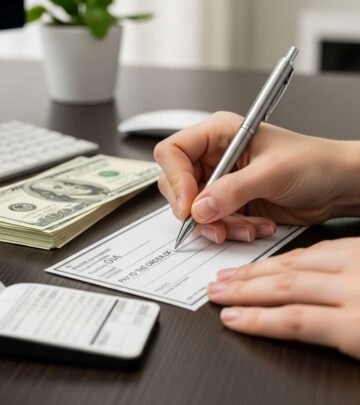
How to Write a Check: Complete Step-by-Step Guide
Master check writing with our comprehensive guide covering all essential steps and best practices.
How to Write a Check: A Complete Step-by-Step Guide
Writing a check remains one of the most common and reliable methods of making payments today, despite the rise of digital banking and electronic transfers. Whether you’re paying rent, settling a bill, or sending money to a friend, knowing how to write a check correctly is an essential financial skill. A properly filled-out check serves as an official document that communicates critical information to your bank—specifically, how much to pay, who to pay, and when the transaction was authorized. While the process may seem straightforward, many people make costly mistakes that can result in rejected checks, delayed payments, or even fraud. This comprehensive guide will walk you through each step of the check-writing process, ensuring you have all the knowledge needed to fill out a check confidently and securely.
Why Writing Checks Still Matters
In an increasingly digital world, checks continue to serve an important role in personal and business finances. Unlike digital payments that can be reversed or disputed, checks provide a paper trail and are often required for specific transactions such as security deposits, large purchases, or formal payments to organizations. Understanding how to write a check properly ensures your payment is processed smoothly without delays or complications. Additionally, learning this fundamental banking skill demonstrates financial literacy and responsibility.
The Six Essential Steps to Writing a Check
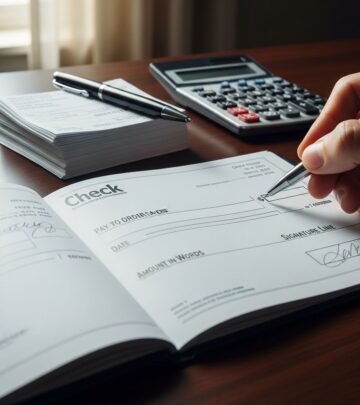
Writing a check correctly requires following six essential steps in order. Each step plays a vital role in ensuring the check is processed accurately and securely. Let’s examine each step in detail.
Step 1: Write the Date
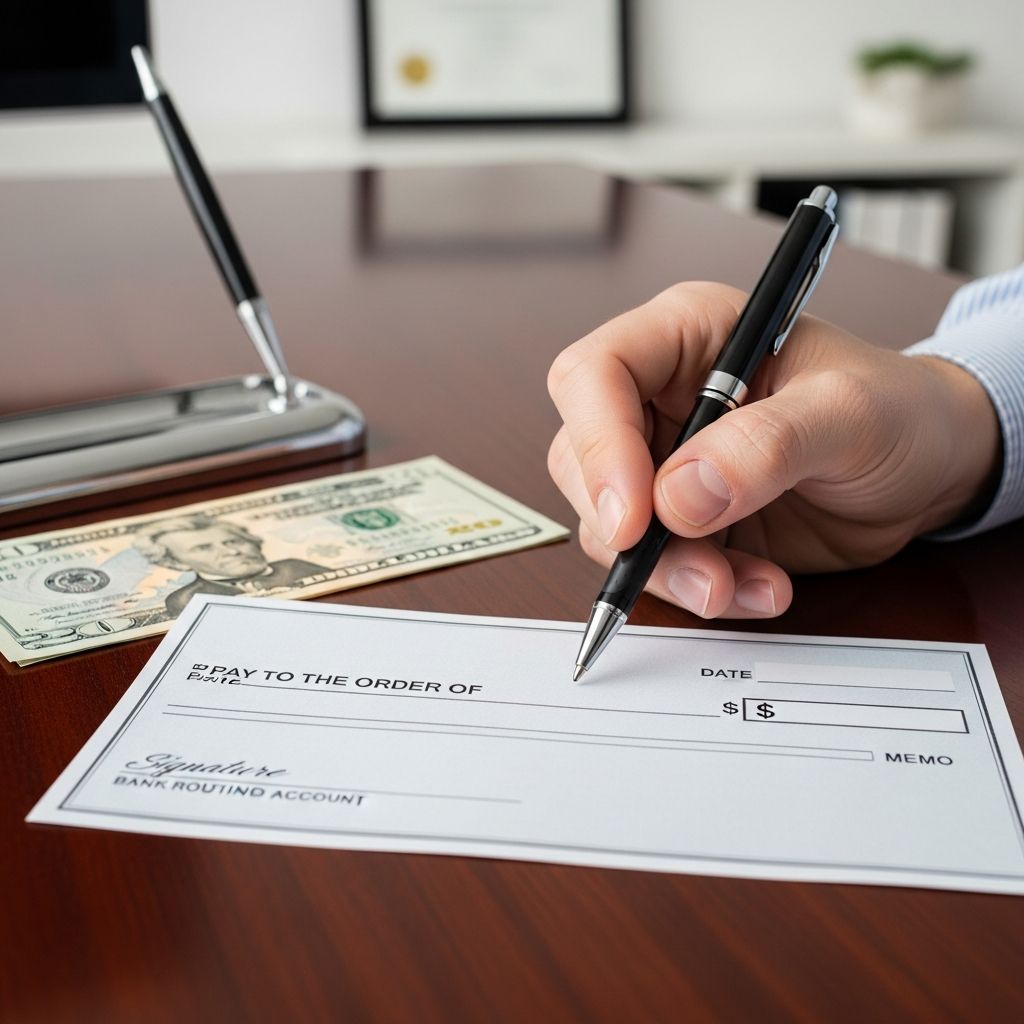
The first step in writing a check is to fill in the date. You’ll find a designated line in the top right-hand corner of the check. Writing the date is crucial because it tells both your financial institution and the recipient when you authorized the payment. This information is used to verify the timeliness of the transaction and ensure the check is valid.
You have flexibility in how you format the date. You can write it in long form, such as “January 11, 2026,” or use numerical format like “1/11/2026.” Both formats are acceptable to banks. However, ensure your handwriting is clear and legible so there’s no confusion about the date. If you make a mistake when writing the date, it’s best to start with a new check rather than making corrections.
Step 2: Write the Payee Name
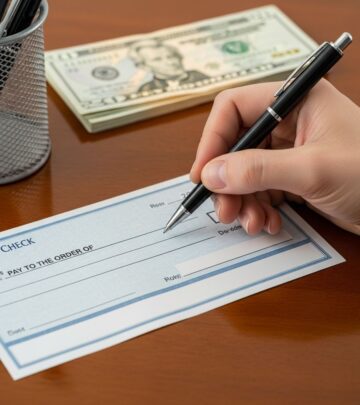
The next step is to identify who the check is for. On the line that reads “Pay to the order of,” write the name of the person or organization you’re paying. This is a critical step because it specifies exactly who is legally authorized to cash the check. Accuracy is essential here—if the payee name is misspelled or incorrect, the check may be rejected or cashed by someone other than the intended recipient.
Take time to verify the correct spelling of the payee’s name, especially for formal organizations or businesses. If you’re unsure about the proper name format, ask the payee directly or check their official documentation. Write the name clearly and legibly to prevent any misunderstandings. Avoid using nicknames or informal versions of names unless you’re certain that’s how the payee’s account is registered.
Step 3: Write the Payment Amount in Numbers
On the right-hand side of the check, you’ll find a small box designated for the dollar amount. This is where you write the payment amount using numerals (numbers). For example, if you’re paying $150.75, you would write “$150.75” in this box. While this step may seem straightforward, attention to detail is absolutely critical.
Always include the dollar sign before the amount and use two decimal places, even if you’re paying a round dollar amount. For instance, write “$150.00” instead of “$150.” This formatting helps prevent fraudsters from altering the amount by adding decimal places or additional digits. Double-check the amount carefully before moving to the next step, as numerical errors can lead to processing problems and disputes.
Step 4: Write the Payment Amount in Words
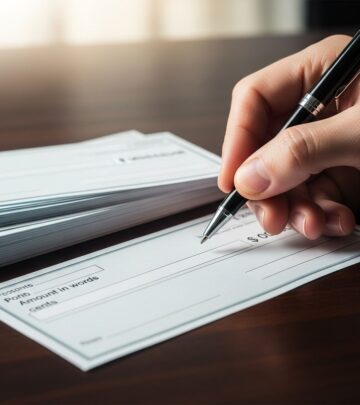
Below the “Pay to the order of” line, there’s a space where you must write out the payment amount in words. This step serves as a critical error-checking mechanism. If the numerical amount in the box is unclear or illegible, the bank will use the written amount to verify the correct payment total. The numerical and written amounts must match exactly—if they don’t, the bank may reject the check.
Start writing at the far left of the line and use clear, legible handwriting. Write the dollar amount followed by the word “dollars.” For amounts that include cents, write the cents as a fraction over 100. For example:
- For $125.50, write: “One hundred twenty-five and 50/100 dollars”
- For $1,500.00, write: “One thousand five hundred and 00/100 dollars”
- For $50.00, you can write either “Fifty dollars” or “Fifty and 00/100 dollars”
After writing the amount, draw a line from the end of your words to the pre-printed word “Dollars” at the end of the line. This prevents anyone from adding additional words or numbers to increase the check amount. Use clear handwriting and avoid abbreviations or shortcuts that could be misunderstood.
Step 5: Add a Memo (Optional)
At the bottom left corner of the check, you’ll find a line labeled “Memo.” While this step is optional, filling it out is a good practice that can help both you and the recipient keep track of the payment’s purpose. The memo line can be particularly useful when you write checks regularly or need to reference specific transactions later.
In the memo section, you might write something like “June 2026 Rent,” “Electric Bill,” or “Consulting Services.” For bill payments, including an account number can help the recipient apply the payment correctly. However, be cautious about including sensitive information. Rather than writing a full account number, consider including only the last four to six digits. This protects your information if the check is lost or intercepted.
Step 6: Sign the Check
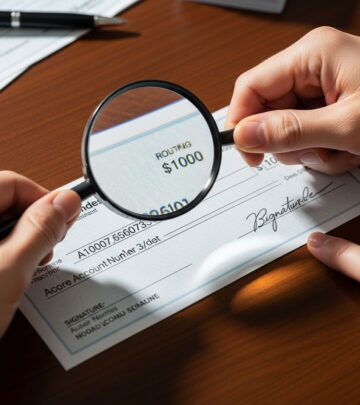
The final step is to sign your name on the signature line located in the bottom right corner of the check. Your signature is a vital security feature that authorizes the payment. Without a valid signature, the check cannot be cashed—it becomes worthless. This is why signing is critical and must be done carefully.
Never pre-sign blank checks, as this is a major security risk. A blank, signed check could be filled in by someone else for any amount and payee. Always complete all other details on the check before signing. Sign only when you’re certain all information is accurate and the check is ready to be sent. Your signature confirms that you’re authorizing the payment and accepting full responsibility for the amount indicated.
Essential Security Practices for Check Writing
Protecting yourself from check fraud and unauthorized use requires following several key security practices throughout the check-writing process.
Use the Right Pen
Always write checks using a blue or black ink pen—never use pencil or erasable ink. Pencil can be easily erased and altered, allowing fraudsters to change the payee name, date, or amount. Blue or black ink is permanent and cannot be altered without leaving visible signs of tampering. This simple practice significantly reduces the risk of check fraud.
Fill All Empty Spaces
After writing the amount in words, draw a line through any remaining blank space on that line. This prevents someone from adding additional words or numbers. Similarly, ensure all required fields are completed with no blank lines that could be filled in fraudulently.
Use Clear Handwriting
Write clearly and legibly. Poor handwriting can lead to misinterpretation by banks, causing processing errors or delays. Additionally, if someone attempts to alter your check, clear handwriting makes such tampering more obvious. Take the time to write neatly, even if it slows down the process.
Verify Account Balance
Before writing a check, verify that you have sufficient funds in your checking account to cover the amount. Writing a check without adequate funds can result in overdraft fees, a bounced check, and damage to your banking relationship and credit reputation.
Tracking Your Checks and Records
Keeping accurate records of checks you write is essential for budgeting, accounting, and catching errors or fraudulent activity. Establish a system to track your checks from the moment you write them.
Maintain a Check Register
Write down each check number, amount, payee, and date in your check register or a budgeting app. This creates a record of your spending and helps you track your account balance accurately. Many banks still provide physical check registers, or you can use digital budgeting applications that offer similar functionality.
Document Checks Before Mailing
Before mailing a check, take a photo of it on both sides. This provides documented proof of what information you wrote on the check and can be helpful if disputes arise. Store these photos safely alongside your check register.
Reconcile Monthly Statements
When you receive your monthly bank statement, compare it to your check register. Mark off each transaction that appears on both the statement and in your register. This process, called reconciliation, helps you catch errors, unauthorized charges, and identify missing or delayed checks.
Common Mistakes to Avoid When Writing Checks
Understanding common check-writing errors can help you avoid them and ensure smooth processing of your payments:
- Mismatched amounts: If the numerical amount doesn’t match the written amount, banks may reject the check. Always verify that both amounts correspond exactly.
- Illegible handwriting: Poor penmanship causes processing delays and errors. Write clearly and take your time.
- Incorrect payee name: Spelling mistakes or wrong names can prevent the intended recipient from cashing the check.
- Missing signature: An unsigned check is invalid and cannot be processed.
- Post-dated or stale checks: Writing a date in the future (post-dating) or presenting a check more than six months old may result in rejection.
- Using pencil or erasable ink: This invites fraud and tampering.
- Forgetting to fill in the memo: While optional, the memo helps track the purpose of payment.
Frequently Asked Questions About Check Writing
Q: Can I write a check with pencil?
A: No. Always use blue or black ink pen. Pencil can be erased and altered, which increases the risk of fraud and tampering with your check.
Q: What if I make a mistake while writing a check?
A: It’s best to start over with a new check rather than making corrections. Crossed-out or corrected information on a check can raise red flags and may cause the bank to reject it.
Q: How long is a check valid?
A: Most checks are valid for six months from the date written. After six months, a check is considered stale and may be rejected by the bank.
Q: Is it safe to post-date a check?
A: While post-dating a check is legal, it’s not always safe. The recipient may cash it before the intended date, and banks are not required to honor post-dated checks. Avoid post-dating when possible.
Q: What should I do if I lose a check?
A: Contact your bank immediately to report the lost check. They can flag the check number and prevent it from being cashed if someone else finds it.
Q: Can I write a check to “Cash”?
A: Yes, you can write a check to “Cash,” which allows anyone who possesses it to cash it. However, this is risky and should only be done if you plan to cash it yourself.
Q: Do banks still accept checks?
A: Yes, checks remain widely accepted by most banks and businesses. However, some organizations are moving toward digital payments. Always confirm that a check is an acceptable payment method before writing one.
Conclusion
Writing a check correctly is a fundamental financial skill that requires attention to detail and adherence to important security practices. By following the six essential steps outlined in this guide—dating the check, adding the payee name, writing the amount in numbers and words, including a memo, and signing the check—you’ll ensure that your payments are processed smoothly and securely. Remember to use blue or black ink, maintain clear records, and avoid common mistakes. Whether you’re writing checks occasionally or regularly, these practices will serve you well and help protect you from fraud and processing errors.
References
- How To Write A Check: A Step-By-Step Guide — Bankrate. 2024. https://www.bankrate.com/banking/checking/how-to-write-a-check/
- How To Write a Check in 6 Simple Steps — PNC Bank Insights. 2024. https://www.pnc.com/insights/personal-finance/spend/how-to-write-a-check-in-6-simple-steps.html
- How to Write Checks: Step-by-Step Guide — Chime. 2024. https://www.chime.com/blog/how-to-write-a-check/
- How to Write A Check: Fill Out A Check — Huntington Bank. 2024. https://www.huntington.com/learn/checking-basics/how-to-write-a-check
- How to Write Large and Small Numbers on a Check — WaFd Bank. 2024. https://www.wafdbank.com/articles/banking-101/how-to-write-out-numbers-on-checks
- How to Write a Check: A Guide — Chase Bank. 2024. https://www.chase.com/personal/banking/education/basics/how-to-write-a-check
Similar Articles








Read full bio of medha deb