How to Write a Check: Complete Step-by-Step Guide
Master the art of check writing with this comprehensive step-by-step guide for beginners and professionals alike.
How to Write a Check: The Complete Guide
Writing checks remains a fundamental skill in personal finance, despite the prevalence of digital payment methods. Whether you need to pay a contractor, settle a medical bill, or make a donation to charity, knowing how to write a check properly ensures your payment reaches the intended recipient without delays or complications. This comprehensive guide walks you through every step of the check-writing process and provides essential tips for maintaining security and accuracy.
A check is more than just a piece of paper—it’s a legal financial document that communicates critical payment information to banks and recipients. Understanding how to complete each section correctly prevents payment issues, protects you from fraud, and maintains an accurate financial record of your transactions.
Understanding Check Components
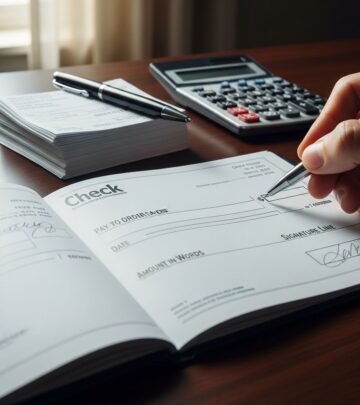
Before writing your first check, familiarize yourself with the standard layout of a checking account check. Each section serves a specific purpose in the payment process.
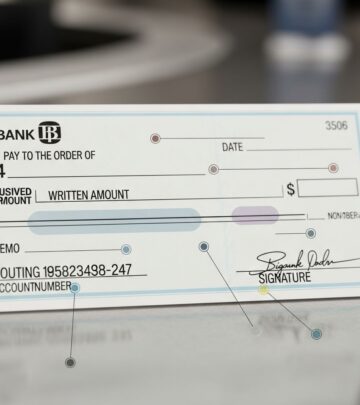
Top left corner: This area displays your name and address, identifying you as the account holder and payment originator.
Top right corner: The check number and date field are located here. The check number helps you track individual transactions in your account.
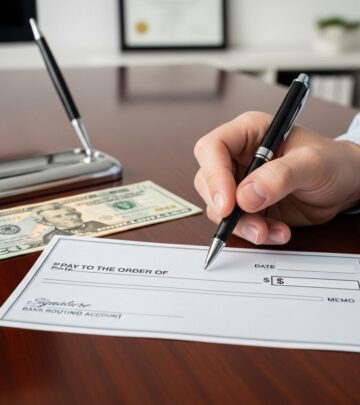
Center section: This area contains the most critical information—the payee line (“Pay to the order of”), the numeric dollar amount box, and the written dollar amount line.
Bottom section: The memo line on the bottom left provides space for payment notes, while the signature line on the bottom right authenticates the check.
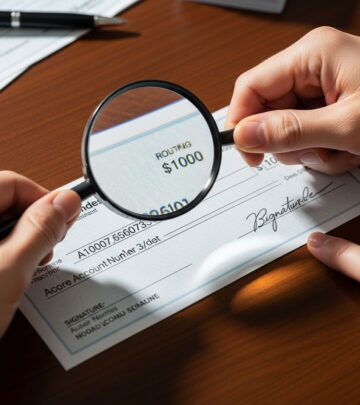
Bottom edge: The routing number and account number appear here, enabling electronic processing of your check.
The Six Essential Steps to Writing a Check
Writing a check accurately requires attention to detail and following a systematic approach. Here are the six critical steps every check writer should master:
Step 1: Write the Date
Begin by writing the date in the small space in the top right corner of the check. The date tells the financial institution and recipient when you wrote the check and establishes when the check becomes negotiable.
You can write the date in two acceptable formats: numerical format (such as “1/11/2025”) or long form (such as “Jan. 11, 2025”). Either format works equally well with most banks. If you’re writing a check today but want it to be processed later, you can postdate the check by writing a future date, though this practice requires the recipient’s cooperation.
Avoid writing checks with dates more than six months in the past or future, as banks may decline to process them. Additionally, never use pencil for the date—always use blue or black ink to prevent alterations and fraud.
Step 2: Add the Payee Name
On the line marked “Pay to the order of,” write the name of the person or organization you’re paying. This information is crucial because it specifies who can legally cash or deposit the check.
Accuracy is paramount when writing the payee name. Misspellings can create confusion and may cause the recipient difficulty when depositing the check. Take a moment to verify the correct spelling of the payee’s name before writing it down. If you’re unsure about the proper name format, ask the recipient directly.
For organizations, write the legal business name exactly as it appears in their official records. For individuals, use the full name if possible. You can use a first and last name, or a nickname if that’s how the recipient is known in their bank account.
Step 3: Write the Dollar Amount in Numbers
In the small box to the right of the payee line, write the numerical dollar amount clearly and precisely. This box typically has a dollar sign already printed, so you only need to enter the numbers.
Always include two decimal places, even for whole dollar amounts. For example, write “$50.00” instead of “$50,” and write “$100.30” for one hundred dollars and thirty cents. This practice prevents fraudsters from altering the amount by adding extra digits.
Ensure your handwriting is legible throughout this entry. Unclear numbers can cause your bank to reject the payment or process an incorrect amount. If your handwriting is naturally messy, print in block letters to ensure clarity. Take your time with this step, as numerical errors are among the most common reasons checks get rejected.
Step 4: Write the Dollar Amount in Words
On the line below “Pay to the order of,” spell out the dollar amount in words. This written amount must match the numerical amount exactly—any discrepancy will likely cause the bank to reject the check or request clarification.
Start writing at the far left of the line to leave no room for someone to insert additional words before your amount. Write out the dollar amount, then draw a line through the remaining blank space. This prevents fraudsters from adding words like “and fifty dollars” after your written amount.
For writing cents, use fraction format with the cents number over 100. Here are some examples:
- $100.30 becomes “One hundred and 30/100”
- $50.00 becomes “Fifty and 00/100” or “Fifty dollars only”
- $1,250.75 becomes “One thousand two hundred fifty and 75/100”
For larger amounts, write out each word of the number. Don’t use numerals within the written amount. If you make a mistake, don’t cross it out—obtain a new check and start over, as alterations raise fraud concerns.
Step 5: Add a Memo (Optional)
At the bottom left of the check, you’ll find a line labeled “Memo.” While this step is optional, completing it is a valuable habit that helps you remember the payment’s purpose.
In the memo line, you might write “June 2025 Electric Bill,” “Rent Payment,” “Medical Services,” or any other description that clarifies the payment reason. This information appears on your bank statement, helping you track spending and reconcile your accounts.
If a company requests that you include an account number in the memo section, only include the last four to six digits rather than the complete account number. This protects sensitive financial information if the check falls into the wrong hands.
Step 6: Sign the Check
The final step is to sign on the signature line in the bottom right corner. Your signature must match the name on your checking account exactly—this is how banks verify the check’s authenticity and ensure you authorized the payment.
The check is invalid and cannot be cashed until it bears your signature. Once you’ve completed all other fields, review them carefully before signing. This is your last opportunity to catch errors that might delay payment or cause processing problems.
Critical Check-Writing Security Tips
Protecting yourself from check fraud and ensuring safe transactions requires attention to several important security practices.
Use the Right Writing Instrument
Always use blue or black pen when writing checks—never use pencil. Pencil can be easily erased, allowing fraudsters to alter the payee name, dollar amount, or other critical information. Pen markings are permanent and much more difficult to alter.
Maintain Legible Handwriting
Clear, legible handwriting is essential for proper check processing. If you have naturally messy handwriting, print in block letters. Banks may reject checks with unclear writing, or worse, process the wrong amount due to misinterpreted numbers.
Fill All Empty Spaces
Draw a line through any blank space after the written amount to prevent someone from adding words or numbers. For example, after writing “Fifty and 00/100,” draw a line to fill the rest of the line. This simple practice significantly reduces the risk of check alteration.
Keep Detailed Records
Write down each check number, amount, payee, and date in your check register or budgeting app. This helps you track spending and catch errors quickly. Many people take a photo of the check before mailing it as additional documentation.
Common Check-Writing Mistakes to Avoid
Even experienced check writers sometimes make errors that can delay payments or create problems. Being aware of common mistakes helps you avoid them:
- Mismatching amounts: Always verify that the numerical amount matches the written amount exactly
- Misspelling the payee name: Double-check the recipient’s name spelling before writing
- Using pencil or fading ink: Always use permanent blue or black pen
- Writing illegibly: Take your time and print clearly if needed
- Leaving blank spaces: Fill all empty areas with lines to prevent alteration
- Forgetting to sign: The check is invalid without your signature
- Writing the wrong date: Include the current date or a future date for postdated checks
- Using incorrect account information: Verify your routing and account numbers are correct
Best Practices for Check Management
Beyond the basic writing process, developing good check management habits protects your finances and maintains accurate records.
Record Each Transaction
Log every check, deposit, and withdrawal in your checkbook register or financial app immediately after writing the check. Include the check number, date, payee, and amount. This real-time tracking prevents overdrafts and helps you spot unauthorized transactions.
Review Monthly Statements
When you receive your monthly bank statement—either by mail or through your online banking portal—compare each transaction to your checkbook register. Mark off each check that appears on both the statement and in the register. This process helps you identify errors, fraud, or checks that haven’t yet cleared.
Obtain Images of Cleared Checks
Most banks provide digital images of checks as they clear through your account. Keep these images for your records, particularly for large or important payments. These images serve as proof of payment if disputes arise.
Monitor for Fraud
Review your statements carefully for any checks you don’t recognize. Report suspicious activity to your bank immediately. Identity theft and check fraud are serious crimes that can damage your financial reputation.
When to Write Checks in Today’s Digital World
While digital payments dominate modern transactions, checks remain necessary in certain situations:
- Paying contractors or service providers who don’t accept digital payments
- Making charitable donations to nonprofit organizations
- Settling medical bills or insurance claims
- Paying government agencies that prefer checks
- Splitting expenses among roommates or family members
- Making large purchases where the seller prefers checks for verification
Frequently Asked Questions About Check Writing
Q: Can I write a check without having sufficient funds in my account?
A: No. You should only write checks when you have adequate funds available. Writing a check without sufficient funds results in a bounced check, leading to overdraft fees and potential legal consequences. This practice, known as writing a “bad check,” can harm your banking reputation and result in criminal charges in some jurisdictions.
Q: What happens if I make a mistake while writing a check?
A: If you make an error, don’t attempt to cross it out or use white-out. Instead, destroy that check and write a new one. Alterations raise fraud concerns and may cause the bank to reject the check. Always keep track of check numbers so you know which checks to account for in your register.
Q: Can I postdate a check?
A: Yes, you can write a future date on a check. However, postdating doesn’t guarantee the recipient won’t cash it immediately. Many recipients and banks will process postdated checks right away. If you need to delay payment, it’s better to discuss this directly with the recipient and use alternative payment methods if available.
Q: How long does a check take to clear?
A: Most checks clear within 1 to 3 business days, though some may take longer depending on the banks involved. The Federal Reserve’s Check 21 law allows banks to process check images electronically, which has sped up the clearing process. Factors like the amount of the check, the distance between banks, and the time you deposit the check all affect clearing time.
Q: What should I do if I lose a check I’ve written?
A: Contact your bank immediately and provide the check number, date, amount, and payee name. Your bank may be able to place a stop-payment order on the check, preventing it from being cashed if someone finds it. There’s typically a fee for this service, but it protects you from potential fraud.
Q: Is my signature the only security feature on a check?
A: No. Modern checks include multiple security features beyond your signature, such as security threads, watermarks, and special inks. However, your signature remains the primary verification method. Always sign your checks carefully and ensure your signature is difficult to forge.
Conclusion
Writing a check correctly is a straightforward process when you follow the six essential steps outlined in this guide. From dating the check to signing it, each field serves an important purpose in ensuring your payment reaches the intended recipient accurately and securely. By maintaining careful attention to detail, using permanent ink, verifying information before finalizing the check, and keeping thorough records, you protect yourself from fraud and ensure smooth financial transactions.
Whether you write checks occasionally or frequently, adopting these best practices establishes good financial habits that serve you well throughout your banking life. As digital payment methods continue to evolve, checks will likely remain a necessary tool in certain financial situations, making it essential to master this fundamental skill.
References
- How To Write A Check: A Step-By-Step Guide — Bankrate. 2025-01-15. https://www.bankrate.com/banking/checking/how-to-write-a-check/
- How To Write a Check in 6 Simple Steps — PNC Insights. 2024-06-20. https://www.pnc.com/insights/personal-finance/spend/how-to-write-a-check-in-6-simple-steps.html
- How to Write a Check: A Guide — Chase. 2024-12-10. https://www.chase.com/personal/banking/education/basics/how-to-write-a-check
Similar Articles








Read full bio of Sneha Tete