How to Winterize Your Home for Maximum Savings
Simple DIY steps to winterize your home, slash heating bills by up to 30%, and ensure safety through the coldest months.
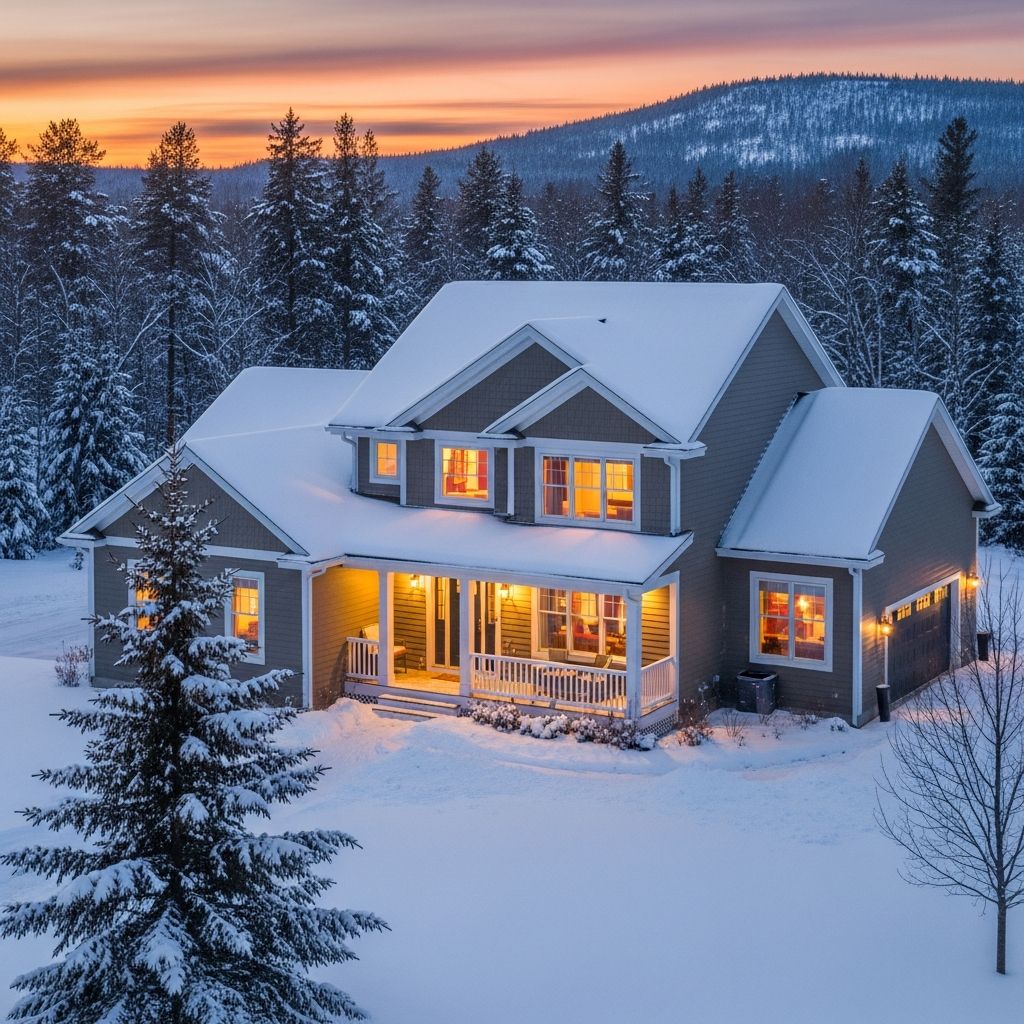
Winterizing your home isn’t just about surviving the cold—it’s a strategic opportunity to dramatically reduce energy bills while enhancing comfort and safety. The U.S. Department of Energy estimates savings of up to 10% on heating costs by simply adjusting your thermostat, with potential total reductions of 30% through comprehensive steps like insulation and draft sealing. This guide covers essential DIY tasks, from clearing vents to insulating pipes, drawing on authoritative recommendations to help you prepare effectively.
Benefits of Winterizing Your Home
Proper winterization yields immediate and long-term rewards. It minimizes heat loss, prevents weather-related damage like frozen pipes or ice dams, and creates a healthier indoor environment by reducing drafts and moisture. Key advantages include:
- Energy Savings: Seal leaks and insulate to cut heating demands by 15-30%, per Department of Energy data.
- Comfort Boost: Even temperatures eliminate cold spots, improving daily living.
- Damage Prevention: Protect against freezing pipes, roof issues, and structural harm from ice and snow.
- Safety Enhancement: Regular checks on detectors and systems reduce fire and CO risks.
- Year-Round Value: Many upgrades, like attic insulation, also lower summer cooling costs.
Households implementing these steps often see returns on minimal investments within one season, making it a smart financial move amid rising energy prices.
Inspect and Clean Your Heating System
Your heating system works hardest in winter, so start with a thorough inspection. Have a professional service your furnace or boiler annually to ensure efficiency and catch issues early. DIY steps include:
- Replacing or cleaning air filters monthly to maintain airflow and efficiency.
- Clearing dust from vents, baseboards, and radiators—blocked vents can increase energy use by 25%.
- Removing furniture or rugs obstructing registers for optimal heat distribution.
The Citizens Utility Board emphasizes that clean systems alone can yield noticeable savings by preventing overworking of the heater.
Seal Drafts and Weatherstrip Doors and Windows
Drafts account for up to 30% of heat loss in many homes. Combat this with weatherstripping around doors and windows. The Energy.gov fact sheet recommends self-adhesive foam tape or door sweeps for easy installation.
- Apply caulk to cracks in window frames and siding.
- Install storm windows or doors if applicable, repairing any damage first.
- Cover windows with plastic sheeting kits for an extra barrier in older homes.
For maximum effect, conduct a “whole house weatherization” audit, as advised by the U.S. Department of Energy, targeting the building envelope comprehensively.
Optimize Your Thermostat Settings
Smart thermostat use is one of the simplest ways to save. The Department of Energy recommends 68-70°F when home and awake, dropping 7-10° when away or asleep, potentially saving 10% on bills.
- Install a programmable or smart thermostat for automatic adjustments—savings up to 18% possible.
- Never drop below 55°F to avoid pipe freezing.
- Bundle up with layers and use area rugs for added warmth without raising the heat.
| Time of Day | Recommended Temp (°F) | Estimated Savings |
|---|---|---|
| Home/Awake | 68-70 | Baseline |
| Away/Sleeping | 60-62 | 5-15% per season |
Insulate Your Attic, Walls, and Pipes
Attic insulation offers the highest ROI. If insulation is below floor joists, add R-38 to R-60 value material (fiberglass batts or blown-in cellulose). Wall insulation and pipe wrapping prevent heat escape and freezing.
- Wrap exposed pipes with foam sleeves, especially in unheated areas.
- Insulate the water heater with a blanket and set to 120°F (warm).
- Prioritize attics on a budget—up to 25% heat loss occurs through uninsulated roofs.
Garden City’s advisory notes that these steps protect against ice dams and extend HVAC life.
Utilize Ceiling Fans and Window Treatments
Reverse ceiling fans to clockwise rotation at low speed to push warm air down, saving up to 15% when paired with proper temps. For windows:
- Open blinds during daylight for passive solar heating.
- Close at night; add insulated curtains for drafts.
- Storm windows can cut losses by 15%.
Prepare Your Fireplace and Chimney
Inspect and clean chimneys professionally to prevent creosote fires. Keep dampers closed when not in use to avoid chimney-effect heat loss—up to 20% of home heat can escape.
- Stock dry, seasoned wood.
- Use a glass door screen for efficiency.
Maintain Gutters, Roof, and Exterior
Clean gutters to prevent ice dams; inspect roof for damage. Trim overhanging branches and mulch garden beds for insulation.
- Drain outdoor faucets and hoses.
- Install gutter guards if recurring clogs occur.
Smart Cooking and Appliance Use
Minimize oven use by batch-baking; opt for crockpots and microwaves, which use 50-75% less energy. Switch to LED bulbs (75% savings on lighting).
Upgrade to ENERGY STAR appliances for 20-40% efficiency gains over old models.
Protect Against Freezing Pipes
Insulate pipes, open cabinet doors under sinks, and let faucets drip during extreme cold. Know your main shutoff valve location.
Check Smoke and CO Detectors
Test monthly, replace batteries, and install CO alarms near bedrooms—winter heating increases risks.
Additional Energy-Saving Habits
- Use heavy curtains and rugs.
- Seal electrical outlets with plates.
- Consider free energy audits from utilities like PSEG.
Frequently Asked Questions (FAQs)
What is the best thermostat setting for winter savings?
Set to 68-70°F daytime, lower when away; save 1-3% per degree below 70°F.
How much can I save by weatherstripping?
Up to 15-30% on heating by sealing drafts.
Do ceiling fans help in winter?
Yes, clockwise rotation redistributes warm air effectively.
Should I insulate my attic myself?
If experienced, yes; aim for R-38+. Otherwise, hire pros.
How do I prevent pipes from freezing?
Insulate, maintain 55°F minimum indoors, drip faucets.
Implementing these steps ensures your home is winter-ready. Start with high-impact tasks like thermostat tweaks and draft sealing for quick wins.
References
- Winter Energy Efficiency Tips — Citizens Utility Board. 2025-01-01. https://www.citizensutilityboard.org/blog/2025/01/01/winter-energy-efficiency-tips/
- Homeowners Urged to Winterize Homes — ABC 7 News (WJLA). 2026-01-06. https://www.youtube.com/watch?v=gDOXnYDm4JE
- Home Winterization and Energy Savings Presentation — Village of Garden City Environmental Advisory Board. 2022-10-19. https://www.gardencityny.net/DocumentCenter/View/323/Home-Winterization-and-Energy-Savings-Presentation-PDF
Similar Articles








Read full bio of Sneha Tete