How to Wash Sheets: Extend the Life of Your Bedding
Master proper sheet care techniques to preserve your bedding investment and keep linens fresh longer.
Make Your Bed Linens Last Evener Longer With These Simple Tips
Investing in quality bed sheets is an investment in your sleep quality and comfort. Whether you’ve splurged on a luxurious queen sheet set or purchased something more budget-friendly, proper care is essential to protect that investment. Many people unknowingly damage their sheets during the washing process, leading to premature wear, fading, and deterioration. The good news? With a few expert-backed strategies, you can significantly extend the life of your bed linens and maintain their softness, color, and integrity for years to come.
Proper sheet care involves more than just tossing them in the washing machine with regular detergent. From selecting the right water temperature to choosing appropriate detergents and drying methods, each step plays a crucial role in preserving your bedding. This comprehensive guide explores industry expert recommendations to help you break the cycle of replacing sheets prematurely and make your bed linens last significantly longer.
Understanding Water Temperature for Washing Sheets
One of the most critical decisions when washing sheets is selecting the appropriate water temperature. According to Nora Mitchell, editor-in-chief of Household Advice, the material of your sheets should determine the heat setting you use. This is where most people make mistakes that can permanently damage their bedding.
The challenge with water temperature lies in balancing two competing needs: cleaning effectiveness and fabric protection. Hot water is excellent for eliminating bacteria, dirt, and stains, but the high heat also breaks down delicate fabrics, causing them to weaken and deteriorate more quickly. Conversely, while cold water is gentler on fabrics, it simply doesn’t clean sheets effectively and won’t eliminate dust mites that accumulate in bedding.
The general recommendation is to use hot water for cotton sheets, which are more durable and can withstand higher temperatures. However, more delicate materials require warmer—not hot—water. Silk sheets, in particular, should never be washed in hot water as this will damage the material beyond repair. Silk sheets typically require their own gentle-wash cycle using specialized silk-only detergent and should never be mixed with other laundry items.
While cold water may seem like the safest option for preserving your sheets, experts strongly advise against using cold water exclusively. Cold water simply won’t remove dust mites, bacteria, or stubborn stains effectively, leaving your sheets less hygienic and fresh. The key is finding the right balance for your specific sheet material and understanding that different fabrics have different requirements.
Regulating Load Size for Optimal Cleaning
Another commonly overlooked aspect of sheet care is load size. According to Karin Sun, a bedding textile expert and founder of Crane & Canopy, the amount of laundry you wash at once directly impacts cleaning quality and fabric longevity.
When washing sheets, add only one complete bedding set or one duvet insert per wash load. This practice ensures that your bedding is thoroughly and evenly cleaned, as items have adequate space to move freely in the water. Overcrowding the washing machine prevents proper agitation and rinsing, leaving detergent residue on the sheets and reducing cleaning effectiveness.
Beyond cleaning benefits, limiting your load size preserves important components of your bedding. If your sheets or duvet covers have zippers, a smaller load prevents these zippers from clashing with other items, which can cause damage or breakage. Always close zippers before washing or drying to provide additional protection. By following this simple practice, you’ll notice that your sheets maintain their structure and quality significantly longer compared to washing multiple sets together.
Selecting the Right Detergent for Your Sheets
The type of detergent you use is just as important as the water temperature. Many people reach for whatever detergent is on sale, but this approach can actually damage your investment in quality sheets.
Harsh detergents are one of the leading causes of premature fabric deterioration. These heavy-duty cleaners break down the delicate threads of linen sheets much more quickly than gentler formulations. Instead, use mild detergents specifically designed for delicate fabrics. Recommended options include Tide Free & Gentle, Dreft, and Arm & Hammer Clean & Simple. These formulations clean effectively without the harsh chemicals that can weaken fibers over time.
For those interested in eco-friendly options, several products combine gentle cleaning with minimal chemical content. Tide Purclean, Seventh Generation Free & Clear, and Method 8X Free & Clear are all excellent choices that protect both your sheets and the environment. The fewer chemicals you use on delicate linens, the longer they’ll maintain their softness and durability.
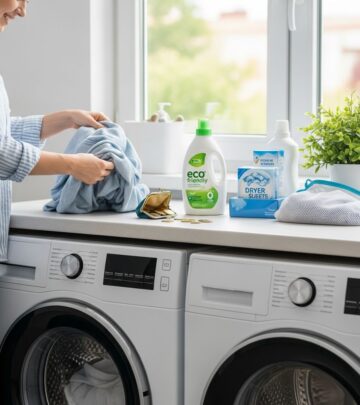
How you apply detergent matters too. According to Emily Johnstone, owner of Best Mattress For You, never place detergent directly on your sheets when loading the washing machine. If you have a detergent dispenser, use it. For top-loading machines without a dispenser, add detergent to the tub first and allow it to fill with water before adding your linens. This ensures the detergent dilutes properly before contacting your sheets, reducing wear on the fabric.
Quantity is another key factor. Use just ¼ cup of detergent per sheet load, even if the bottle recommends more. This reduced amount still cleans effectively while significantly reducing wear on your sheets. The bonus? You’ll get more uses from each bottle of detergent, saving you money over time.
Treating Really Dirty or Dingy Sheets
Even with regular washing, sheets sometimes develop stubborn stains or become dingy-looking. When this happens, spot cleaning and specialized treatments can help restore them without harsh chemicals.
For stain removal on sheets, home improvement blogger Geneva Aaron recommends mixing a small amount of liquid detergent with water to spot-clean affected areas. Mild detergents like Dreft, Ivory, or Le Blanc linen wash work best for this purpose. Apply the solution directly to the stain, let it sit for a few minutes, and gently work it in before washing the entire sheet set.
If your sheets look dingy or have developed a dull appearance over time, this often indicates detergent buildup. To resolve this, wash your sheets with ½ cup of white vinegar and no detergent. The vinegar will cut through any accumulated residue and restore brightness to the fabric. Additionally, adding ½ cup of baking soda to each wash helps keep sheets fresh and bright while neutralizing odors naturally.
These gentle treatments are much safer for long-term fabric health compared to using harsh bleach or heavy-duty stain removers, which can weaken fibers and cause discoloration over time.
Drying Methods That Preserve Sheet Quality
How you dry your sheets is equally important as how you wash them. The dryer, while convenient, is particularly rough on delicate bedding and can significantly shorten sheet lifespan.
Air Drying: The Best Option
If you have time and space, hanging sheets to dry is the best option for preservation. According to Nora Mitchell, air drying helps sheets last longer and reduces wrinkles naturally. Those living in warmer climates can take advantage of year-round outdoor line drying, allowing the sun to naturally sanitize and freshen sheets while gently drying them.
Machine Drying Best Practices
When machine drying is necessary, use a gentle or low heat setting such as delicate or permanent press. Remove sheets as soon as they feel dry—don’t over-dry them, as excessive heat causes fiber breakdown. Never place sheets in the dryer with items that have zippers or other hard components that could snag the delicate fabric.
After machine drying, place sheets immediately in your linen cabinet, away from dust. If desired, iron them before storage, as the heat from ironing provides additional sanitization benefits while helping to set the fibers and maintain crisp edges.
Proper Storage of Clean Sheets
Once your sheets are clean and dry, proper storage is the final step in extending their lifespan. Store sheets in a clean linen cabinet or closet away from dust and direct sunlight. Excess sunlight exposure can fade colors and weaken fibers over time. Keep your storage area dry and cool to prevent moisture buildup that could encourage mildew or mold growth.
Consider rotating between multiple sheet sets if you have them. This distributes wear more evenly across your bedding collection and allows each set adequate rest between uses, significantly extending overall lifespan.
Summary of Sheet Care Best Practices
| Care Step | Best Practice | Why It Matters |
|---|---|---|
| Water Temperature | Hot for cotton; warm for delicates; never cold or hot for silk | Kills bacteria while protecting fabric integrity |
| Load Size | One sheet set per wash | Ensures even cleaning and prevents damage to zippers |
| Detergent Type | Mild, eco-friendly formulations | Cleans effectively without breaking down fibers |
| Detergent Amount | ¼ cup per load | Reduces wear while still cleaning thoroughly |
| Stain Treatment | Spot clean with mild detergent solution | Removes stains without harsh chemicals |
| Drying Method | Air dry when possible; low heat if machine drying | Prevents heat damage and extends fabric life |
| Storage | Cool, dry cabinet away from sunlight | Protects sheets from fading and degradation |
Frequently Asked Questions About Sheet Care
Q: Can I use regular laundry detergent on all my sheets?
A: No, heavy-duty detergents can damage delicate fabrics. Use mild formulations like Dreft or Tide Free & Gentle on all sheets to extend their lifespan. Some materials like silk require specialized silk detergent.
Q: How often should I wash my sheets?
A: Most experts recommend washing sheets every 7-10 days for optimal hygiene. However, if you’re air drying and storing them properly, you may be able to extend this slightly if needed.
Q: Is it okay to wash different sheet materials together?
A: No, different materials require different water temperatures and detergents. Wash silk sheets separately in their own gentle cycle to prevent damage from other fabrics or standard detergents.
Q: What should I do if my sheets develop a dingy appearance?
A: Wash them with ½ cup of white vinegar and no detergent to remove buildup, then add ½ cup of baking soda to subsequent washes to keep them fresh and bright.
Q: Is air drying really better than machine drying?
A: Yes, air drying is significantly gentler on fabrics and helps sheets last longer while reducing wrinkles naturally. If you must use a dryer, always use a low heat or delicate setting.
Q: Can I dry clean sheets at home?
A: Yes, you can make a simple dry cleaning solution using a zippered pillowcase, a rag soaked in vinegar and water, and a 15-minute dryer cycle on medium heat for a freshened look without harsh chemicals.
Conclusion: Protecting Your Sheet Investment
Quality bed sheets are an investment in your sleep comfort and home environment. By following these expert-recommended practices—using appropriate water temperatures, selecting mild detergents, limiting load sizes, and choosing gentle drying methods—you can significantly extend the life of your sheets and maintain their softness and durability for years. Small changes in your laundry routine add up to substantial savings over time, allowing you to enjoy your quality bedding investment for much longer while maintaining its appearance and feel.
References
- Make Your Bed Linens Last Even Longer With These Simple Tips — The Penny Hoarder. 2024. https://www.thepennyhoarder.com/save-money/how-to-wash-sheets/
- How to Do Laundry: Save Loads of Clothes and Cash With Our Guide — The Penny Hoarder. 2024. https://www.thepennyhoarder.com/save-money/how-to-do-laundry-and-save-money/
- Household Advice Publication — Nora Mitchell, Editor-in-Chief. 2024. Expert guidance on home care and maintenance.
- Crane & Canopy Bedding Expertise — Karin Sun, Founder. 2024. Professional bedding textile recommendations.
- Best Mattress For You Sleep Resources — Emily Johnstone, Owner and Creator. 2024. Sleep quality and bedding care information.
Similar Articles








Read full bio of medha deb