Undefined Wake Up Fast: Science-Backed Morning Tips
Struggling to rise and shine? Master these proven strategies to wake up quickly, energized, and ready to conquer your day with vitality.
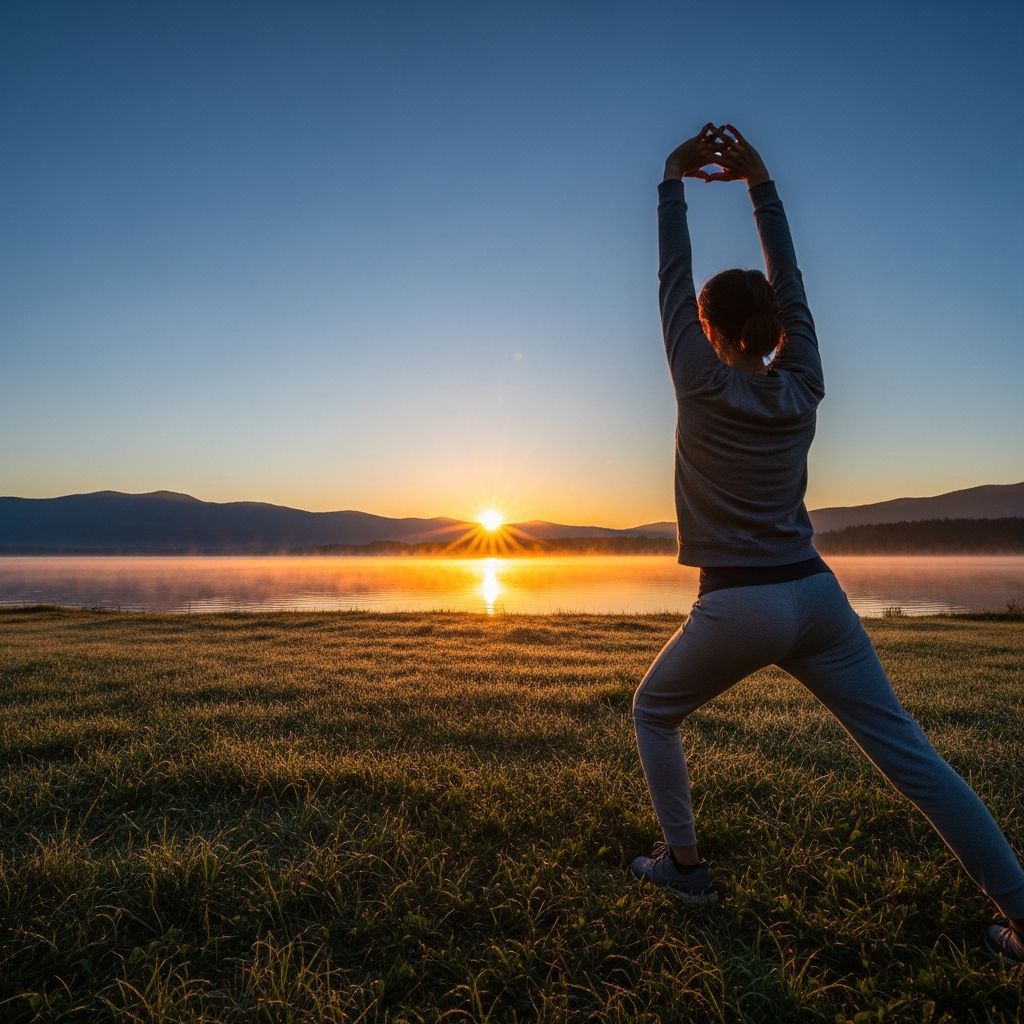
Waking up refreshed and energized sets the tone for a productive day. Yet, for many, the morning battle against the snooze button feels insurmountable. Sleep inertia—the groggy haze after waking—can linger, sapping motivation. This guide covers science-backed strategies to shake off sleep quickly, build momentum, and attack your day with focus and vigor. Covering everything from optimal sleep hygiene to instant energizers, these tips help you transition seamlessly from rest to action.
Get More Sleep
The foundation of waking up fast is sufficient restorative sleep. Adults need 7-9 hours nightly, per sleep experts. Skimping leads to deeper grogginess upon waking. Prioritize a consistent bedtime to align with your circadian rhythm, the body’s internal clock regulating sleep-wake cycles.
To maximize sleep quality:
- Maintain a schedule: Go to bed and wake at the same times daily, even weekends, to stabilize your rhythm.
- Optimize environment: Keep your bedroom cool (60-67°F), dark, and quiet. Blackout curtains and white noise machines help.
- Avoid stimulants: No caffeine after 2 PM; it has a 6-8 hour half-life.
- Limit screens: Blue light suppresses melatonin; use night mode or stop 1 hour before bed.
Track sleep with a journal or app. If consistently tired, consult a doctor—issues like sleep apnea affect 1 in 15 adults.
Put Your Alarm Across the Room
Force movement to combat inertia. Place your alarm clock or phone charger across the room. Hearing it buzz requires getting out of bed, jump-starting circulation and brain activity. Movement signals your body it’s time to wake, similar to how exercise boosts alertness.
This simple hack prevents snoozing, which fragments sleep and worsens grogginess. Studies show even short awakenings disrupt REM cycles. Once up, avoid returning to bed—head straight to light and activity.
Expose Yourself to Light
Natural or artificial bright light suppresses melatonin and boosts cortisol and serotonin, promoting wakefulness. Open curtains immediately or use a light therapy box (10,000 lux for 20-30 minutes). Morning sunlight is ideal, regulating circadian rhythms and improving mood.
- Outdoor bonus: A 10-minute walk exposes you to full-spectrum light, vitamin D precursor.
- Winter tip: Light boxes mimic sunlight for seasonal affective disorder sufferers.
Research from the National Sleep Foundation confirms light exposure within 30 minutes of waking reduces daytime sleepiness by 20-30%.
Do Some Jumping Jacks
Physical activity elevates heart rate, oxygenates blood, and releases endorphins. Start with 20-30 jumping jacks, running in place, or stretches. This 1-2 minute burst counters orthostatic hypotension—the blood pressure dip upon standing.
Benefits include:
- Increased blood flow to the brain for sharper focus.
- Adrenaline spike mimicking coffee’s effect.
- Muscle activation ending stiffness.
Progress to a full routine: push-ups, squats, or yoga sun salutations for sustained energy.
Blast Some Tunes
Music stimulates the brain’s reticular activating system, enhancing alertness. Choose upbeat tracks (120-140 BPM) like rock or electronic. Volume matters—loud enough to energize but not startle.
Create a “wake-up playlist”:
| Song | Artist | BPM |
|---|---|---|
| Eye of the Tiger | Survivor | 109 |
| Stronger | Kanye West | 104 |
| Happy | Pharrell Williams | 160 |
| Can’t Stop the Feeling | Justin Timberlake | 113 |
Pair with movement for amplified effect. Sing along to engage more brain areas.
Shower With Cold Water
A cool-to-cold shower (50-60°F for 30-90 seconds) constricts blood vessels then dilates them, boosting circulation. It triggers brown fat activation for thermogenesis, raising metabolism.
Shower sequence:
- Warm water for 3 minutes to relax.
- Gradual cool down over 1 minute.
- Finish with 30 seconds ice-cold on face/torso.
Wim Hof method adherents report heightened focus. Start mild if sensitive; benefits build tolerance.
Hydrate Immediately
Dehydration from 6-8 hours without water causes fatigue. Drink 16-20 oz room-temperature water upon waking. Add lemon for vitamin C and digestion kickstart, or electrolytes if post-workout.
Why it works: Rehydrates cells, supports kidney function, mildly stimulates via bladder signal. Aim for half body weight in oz daily total.
Eat a Healthy Breakfast
Fuel sustains energy; skip it and cortisol spikes lead to crashes. Opt for protein-fat-fiber combos: eggs, avocado, oats, nuts. Avoid sugar-heavy cereals causing insulin rollercoasters.
Quick recipes:
- Green smoothie: Spinach, banana, protein powder, almond milk (5 min).
- Yogurt parfait: Greek yogurt, berries, chia seeds, nuts.
- Egg muffins: Pre-bake veggies/eggs for grab-and-go.
Timing: Eat within 1 hour of waking for optimal metabolism.
Plan Your Day
Morning clarity aids focus. Spend 5 minutes reviewing priorities: top 3 tasks, calendar scan. Use tools like to-do apps or journals. Visualization—picture completing goals—builds motivation via dopamine.
Avoid decision fatigue; prep clothes, bag night before.
Bonus: Power of Positive Affirmations
Replace dread with enthusiasm. Affirm: “I am energized and ready to crush today.” Repeat while dressing. Neuroscience shows affirmations rewire neural pathways for positivity.
Frequently Asked Questions (FAQs)
Q: How long does sleep inertia last?
A: Typically 15-30 minutes, but exercise and light shorten it to under 10. Chronic poor sleep prolongs it.
Q: What’s the best wake-up time?
A: Consistent with your chronotype—early bird or night owl. Aim for 7-9 hours.
Q: Can coffee replace these tips?
A: No, caffeine masks symptoms. Use after hydration/light for synergy.
Q: How to fix weekend sleep debt?
A: Gradual catch-up; no sleeping in past 1 hour. Prioritize nightly consistency.
Q: Are cold showers safe for everyone?
A: Consult doctor if heart issues. Start warm-cool progression.
Implement these strategies progressively. Track progress for 2 weeks; adjust. Soon, mornings become launches to peak performance. Attack the day!
References
- Sleep Duration Recommendations — National Sleep Foundation. 2020-02-05. https://www.sleepfoundation.org/how-sleep-works/how-much-sleep-do-we-really-need
- Circadian Rhythm and Light Exposure — National Institute of General Medical Sciences (NIGMS). 2023-08-15. https://www.nigms.nih.gov/education/fact-sheets/Pages/circadian-rhythm.aspx
- Exercise and Cognitive Function — Centers for Disease Control and Prevention (CDC). 2024-01-10. https://www.cdc.gov/physicalactivity/basics/index.htm
- Hydration and Performance — Mayo Clinic. 2023-11-20. https://www.mayoclinic.org/healthy-lifestyle/nutrition-and-healthy-eating/in-depth/water/art-20044256
- Cold Exposure and Metabolism — Harvard T.H. Chan School of Public Health. 2022-05-12. https://www.hsph.harvard.edu/nutritionsource/cold-exposure/
Similar Articles








Read full bio of Sneha Tete