How to Value Real Estate: Methods and Approaches
Master real estate valuation: Learn comparative, income, and cost approaches used by appraisers.

Understanding how real estate is valued is essential for anyone involved in buying, selling, refinancing, or investing in property. Whether you’re a first-time homebuyer, a seasoned investor, or a real estate professional, comprehending the valuation methods used by appraisers can significantly impact your financial decisions. Real estate valuation is both an art and a science, requiring detailed analysis, market knowledge, and professional expertise.
When a property changes hands or when a lender needs to determine how much to loan against a property, an appraisal becomes necessary. This appraisal relies on established methodologies that have been refined over decades to provide accurate and defensible property valuations. Understanding these methods can help you negotiate better, make more informed investment decisions, and recognize when a property is fairly priced in the market.
Understanding Real Estate Valuation
Real estate valuation is the process of determining the economic value of a property or real estate asset. This valuation is critical in numerous situations including purchase transactions, mortgage lending, insurance coverage, tax assessment, investment analysis, and legal disputes. The goal of any valuation is to estimate the most probable price at which a property should sell under normal market conditions.
Several factors influence real estate values, including location, property condition, market trends, economic conditions, and comparable properties in the area. Professional appraisers use standardized approaches and follow ethical guidelines to ensure valuations are objective and defensible. The reliability of a valuation depends heavily on the quality of data available and the appraiser’s experience and expertise.
The Three Main Approaches to Real Estate Valuation
Real estate professionals rely on three primary approaches to determine property values. Each method has its strengths and weaknesses, and the most appropriate method depends on the property type, available data, and the purpose of the valuation. Professional appraisers often use all three methods and then reconcile their findings to arrive at a final value conclusion.
1. The Comparative Market Analysis (Sales Comparison Approach)
The Comparative Market Analysis, also known as the Sales Comparison Approach, is the most commonly used method for valuing residential properties. This method compares the subject property to similar properties that have recently sold in the same area. The underlying principle is that a buyer will not pay more for a property than the cost of acquiring an equally desirable substitute property.
How It Works:
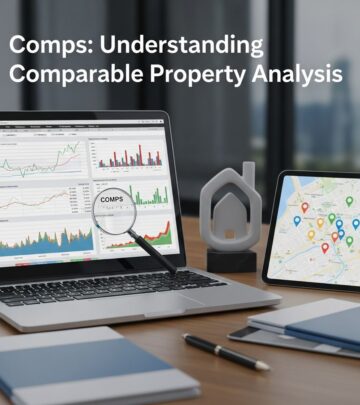
- Identify comparable properties (“comps”) that have sold recently in the subject property’s market area
- Select properties with similar characteristics including size, age, condition, location, and features
- Adjust the comparable sales prices for any significant differences between the comparable property and the subject property
- Analyze and reconcile the adjusted prices to determine a value estimate
Comparable properties should ideally be from the same neighborhood or subdivision and should have sold within the past three to six months, depending on market conditions. The appraiser makes adjustments to comparable sales prices to account for differences such as condition, square footage, lot size, number of bedrooms and bathrooms, garage type, and amenities.
Advantages of the Sales Comparison Approach:
- Most reliable for residential properties where comparable sales data is readily available
- Based on actual market transactions, reflecting real buyer and seller decisions
- Easy to understand and explain to clients
- Adjustments for differences can be quantified based on market data
Limitations of the Sales Comparison Approach:
- Requires sufficient comparable sales data in the market
- Difficult to apply in unique or specialized properties with few comparables
- Less reliable in inactive or rapidly changing markets
- Subject to bias in the selection and adjustment of comparable properties
2. The Income Approach
The Income Approach to valuation is primarily used for investment properties that generate rental income, such as apartment buildings, commercial office space, retail properties, and other income-producing real estate. This method determines value based on the net income the property produces and the investor’s required rate of return.
Key Concepts:
- Gross Rental Income: The total potential rental income the property could generate if fully occupied
- Vacancy Rate: An adjustment for expected periods when units are not rented
- Operating Expenses: Costs required to operate the property including maintenance, insurance, property taxes, utilities, and management fees
- Net Operating Income (NOI): Gross income minus operating expenses, representing the profit available to the investor
- Capitalization Rate (Cap Rate): The rate of return an investor expects on their investment
The Income Approach Formula:
Property Value = Net Operating Income ÷ Capitalization Rate
For example, if a property generates $50,000 in annual net operating income and the investor requires an 8% cap rate return, the estimated property value would be $625,000.
Advantages of the Income Approach:
- Directly reflects the investment value and income generation potential of the property
- Appropriate for commercial and investment properties
- Helps investors evaluate the return on their investment
- Focuses on the financial performance of the property rather than just comparable sales
Limitations of the Income Approach:
- Sensitive to assumptions about income, expenses, and cap rates
- Requires reliable income and expense data, which may be difficult to obtain
- Small changes in cap rate assumptions can significantly impact the estimated value
- Less applicable to properties that don’t generate income, such as primary residences
3. The Cost Approach
The Cost Approach determines property value by estimating the cost to rebuild or replace the structure on the land, adjusted for depreciation. This method is particularly useful for new construction, special-purpose properties, or when comparable sales and income data are not available.
Components of the Cost Approach:
- Land Value: The estimated value of the land as if vacant and available for development
- Replacement Cost: The cost to construct a new building with similar utility and quality
- Physical Depreciation: Loss of value due to wear and tear, age, and deterioration
- Functional Obsolescence: Loss of value due to outdated design or features
- External Obsolescence: Loss of value due to external factors like neighborhood decline or environmental issues
The Cost Approach Formula:
Property Value = Land Value + Replacement Cost – Total Depreciation
Advantages of the Cost Approach:
- Useful for new construction when comparable sales are limited
- Appropriate for specialized properties like schools, libraries, or government buildings
- Provides a ceiling on value—buyers typically won’t pay more than replacement cost
- Helpful in insurance valuations
Limitations of the Cost Approach:
- Difficult to accurately estimate replacement costs and depreciation
- May overestimate value in declining markets where replacement cost exceeds market value
- Labor and material cost inflation can make estimates uncertain
- Does not reflect market demand or actual buyer preferences
Factors Affecting Real Estate Value
Beyond the three primary valuation approaches, numerous factors influence a property’s value. Understanding these factors can help you better assess whether a property is fairly valued and identify opportunities for appreciation.
Location and Neighborhood:
- Proximity to employment centers, schools, and shopping
- Neighborhood quality and safety
- School district quality and ratings
- Community amenities and recreational facilities
- Future development plans in the area
Property Characteristics:
- Age and condition of the structure
- Square footage and lot size
- Number and quality of rooms
- Architectural style and appeal
- Unique features and upgrades
Market Conditions:
- Supply and demand for properties in the area
- Mortgage rates and lending conditions
- Economic growth and employment opportunities
- Market appreciation or depreciation trends
Working with Professional Appraisers
When you need an accurate property valuation, it’s often best to hire a professional appraiser. Licensed appraisers follow the Uniform Standards of Professional Appraisal Practice (USPAP) to ensure consistency and accuracy in their valuations.
What Appraisers Do:
- Conduct thorough physical inspections of the subject property
- Research comparable sales and market data
- Apply appropriate valuation methods based on property type and available data
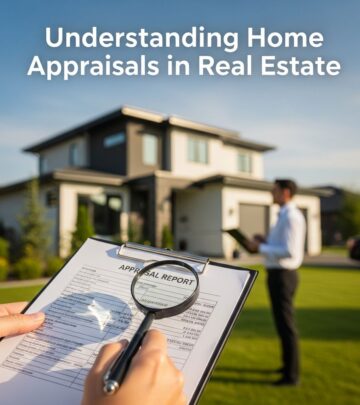
- Prepare detailed written appraisal reports
- Provide professional opinions of value that are defensible in court if necessary
Professional appraisals are commonly required by lenders when you obtain a mortgage to ensure the property is worth at least the loan amount. Appraisals may also be helpful when refinancing, in divorce proceedings, for tax purposes, or when challenging a property tax assessment.
DIY Property Valuation Tools
While professional appraisals provide the most reliable valuations, several tools and resources are available for homeowners and investors who want to estimate property values themselves:
- Online Valuation Tools: Many real estate websites offer automated valuation models (AVMs) that provide estimated values based on comparable sales and property characteristics
- Comparable Sales Research: You can research recent sales of similar properties in your area through public records, real estate websites, and tax assessment records
- Real Estate Agents: Local real estate agents can provide Comparative Market Analyses (CMAs) that estimate property values based on recent sales
- Tax Assessment Records: County tax assessor records often include estimated property values, though these may not reflect current market conditions
However, DIY valuations should be used only for general estimates and should not replace professional appraisals for important financial decisions.
Frequently Asked Questions (FAQs)
Q: What is the difference between an appraisal and a property assessment?
A: An appraisal is a professional valuation of a property’s market value performed by a licensed appraiser for lending or investment purposes. A property assessment, typically conducted by local government, estimates property value for tax purposes and may differ significantly from market value.
Q: How often should a property be reappraised?
A: There’s no fixed timeline for reappraisals. However, lenders typically require new appraisals when you refinance a mortgage. For investment decisions, periodic revaluations help track property performance and changes in market conditions.
Q: Can I dispute an appraisal value?
A: Yes, you can request a reappraisal or obtain a second opinion if you believe the appraisal is inaccurate. You can provide the appraiser with additional information about property improvements or recent sales data they may have overlooked. If significant errors exist, lenders may order another appraisal.
Q: What’s a more reliable valuation method for residential properties?
A: The Comparative Market Analysis (Sales Comparison Approach) is typically most reliable for residential properties because it’s based on actual market transactions and comparable properties in the same area.
Q: How do I increase my property’s value?
A: You can increase property value through renovations and upgrades, particularly in kitchens and bathrooms; maintaining the property in good condition; improving curb appeal; and making energy-efficient improvements. Market conditions and location also play important roles in property appreciation.
References
- Uniform Standards of Professional Appraisal Practice (USPAP) — The Appraisal Foundation. 2024. https://www.appraisalfoundation.org/
- Real Estate Valuation Methods and Approaches — American Institute of Real Estate Appraisers (AIREA). 2024. https://www.appraisers.org/
- Guide to Real Estate Appraisal Standards — National Association of Realtors. 2024. https://www.nar.realtor/
- Property Valuation and Market Analysis — CoreLogic. 2024. https://www.corelogic.com/
- Commercial Real Estate Valuation Methods — CBRE Group. 2024. https://www.cbre.com/
Similar Articles








Read full bio of Sneha Tete