How to Value and Sell Collectibles: Complete Guide
Master the art of valuing and selling your collectibles for maximum returns.
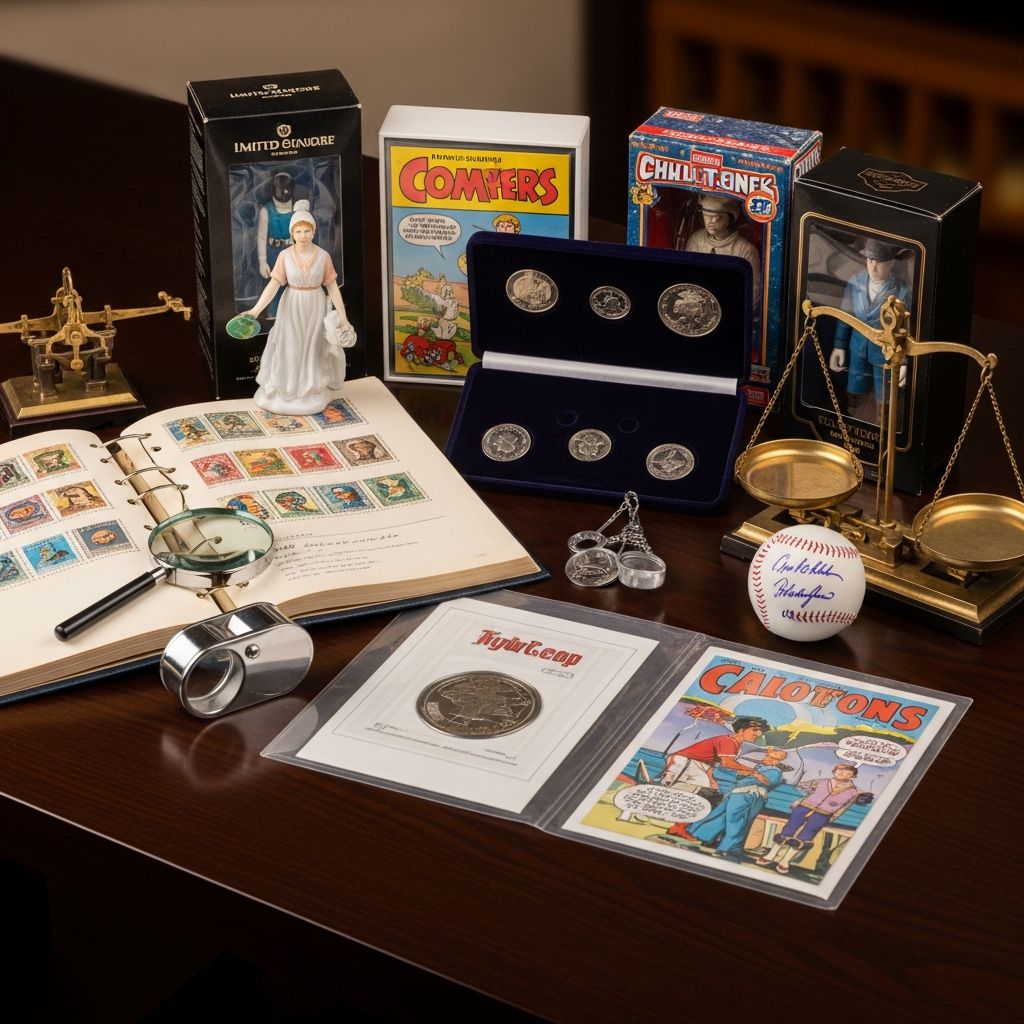
How to Value and Sell Collectibles: A Comprehensive Guide
Whether you’ve inherited a collection, accumulated items over years, or decided to liquidate your cherished collectibles, understanding how to properly value and sell them is essential. Many collectors discover that their prized possessions may not fetch the prices they expected. The key to success lies in thorough research, proper valuation, and strategic marketing. This guide will walk you through every step of the process.
Understanding the True Value of Collectibles
One of the most critical lessons in selling collectibles is understanding the difference between perceived value and actual market value. Many items that seem valuable based on sentimental attachment or original retail prices often sell for significantly less. The harsh reality is that you’ll likely lose a substantial portion of the value when selling, particularly if you’re working with a middleman or dealer who takes a commission.
The value of collectibles depends on several factors: rarity, condition, demand, authenticity, and current market trends. An item that was valuable five years ago may have diminished in desirability as tastes change and new collections emerge. Understanding these dynamics helps set realistic expectations before you begin the selling process.
Step 1: Get Organized and Create an Inventory
The first and most crucial step in selling collectibles is organization. Before you can effectively value or sell anything, you need to know exactly what you have. Start by gathering all items in one location and systematically documenting each piece.
Create a detailed inventory that includes:
– Item description and category- Condition assessment (excellent, good, fair, poor)- Any original documentation, certificates of authenticity, or receipts- Photographs from multiple angles- Estimated value range based on initial research- Date acquired (if known)
This organization process serves multiple purposes. It helps you understand the scope of your collection, makes it easier to identify duplicates or common items, and provides documentation that buyers appreciate. If you have bills of sale, receipts, or auction records, these should be preserved as they add credibility to your items and can increase their value.
Step 2: Assess the Condition of Your Items
Condition is one of the most significant factors affecting collectible value. Items in pristine condition command premium prices, while those showing wear, damage, or deterioration fetch considerably less. However, it’s important to understand proper preservation techniques before attempting to improve condition.
Key condition considerations include:
– Original packaging or cases (highly valuable for many collectibles)- Signs of use, wear, or damage- Cleanliness and staining- Structural integrity- Completeness of sets or collections
One important warning: never attempt to restore or clean valuable items without expert guidance. For coins and numismatic items, cleaning actually destroys value rather than enhancing it. Similarly, aggressive restoration of antiques can reduce their worth. If items require professional care, consult an expert before taking action.
Step 3: Research and Identify Maker’s Marks
Understanding who made your items and identifying authentic maker’s marks, signatures, or hallmarks is essential for accurate valuation. Many collectibles bear subtle markings that indicate authenticity, rarity, or special production details.
Look for:
– Manufacturer names or logos- Artist signatures or initials- Production date codes or stamps- Serial numbers or batch identifiers- Country of origin markings- Material composition markings (for metals, ceramics, etc.)
These marks often appear in inconspicuous locations on the back, bottom, or interior of items. Taking time to identify and photograph these details helps establish authenticity and can significantly impact value.
Step 4: Check Online Prices and Completed Sales
The internet has revolutionized collectible valuation by providing access to historical pricing data. Online marketplaces offer genuine insights into what collectors actually pay for items, not just what sellers ask.
When researching online prices:
– Focus on completed sales, not asking prices- Filter results to show only sold items- Look for items in similar condition to yours- Compare prices across multiple platforms- Check for authentication certificates or special features- Note market trends over time
Popular platforms for research include eBay (completed listings filter), specialized collector websites, auction house records, and online marketplaces dedicated to specific collectible categories. Remember that you should care about what people are actually buying items for, not what sellers are asking.
Step 5: Consider Professional Appraisal
For valuable collections or high-end items, professional appraisal is a worthwhile investment. Certified appraisers possess expertise, market knowledge, and access to pricing databases that exceed what individual research can reveal.
Professional appraisers are particularly valuable for:
– Collections worth thousands of dollars- Rare or specialized items- Items with uncertain authenticity- Estate settlements or insurance purposes- Items requiring expert authentication
Choose appraisers who are certified by recognized professional organizations and have specific experience with your type of collectible. The appraisal fee is typically a small investment compared to potential losses from undervaluation.
Strategic Approaches to Selling Different Types of Collectibles
Different categories of collectibles benefit from different selling strategies. Understanding which approach works best for your items maximizes your returns.
High-Value Individual Pieces
Rare items, authenticated pieces, and collectibles worth $100 or more should be priced and sold individually. These items benefit from detailed descriptions, multiple photographs, and clear documentation of authenticity. Auction houses, specialized dealers, and online marketplaces cater well to these items.
Common or Lower-Value Items
When you have numerous items worth $1-5 each, batch selling becomes practical. Instead of pricing each item separately, group similar items and price them as a lot. This approach dramatically reduces your time investment and shipping costs while still generating reasonable returns.
Items with Original Packaging
Items that retain original boxes, cases, or packaging command premium prices. For collectibles like vintage toys, figurines, or limited editions, the original packaging can increase value by 50% or more. Preserve and highlight original packaging in all listings.
Where to Sell Your Collectibles
Choosing the right selling venue significantly impacts your final proceeds. Different platforms attract different buyers and charge varying fees.
| Selling Platform | Best For | Typical Fees | Reach |
|---|---|---|---|
| eBay | Wide variety of collectibles | 10-12% total fees | Millions of buyers |
| Specialized Auction Houses | High-value rare items | 10-25% buyer’s premium | Targeted collectors |
| Direct Sales to Dealers | Bulk collections | 40-60% discount | Single buyer |
| Collectible-Specific Sites | Niche categories | 5-15% fees | Enthusiast community |
| Consignment Shops | Antiques and decorative items | 30-50% commission | Local buyers |
Understanding Fees and Commission Structures
One reason collectibles lose significant value during sale is the cumulative effect of various fees. Understanding these costs helps you set realistic expectations and choose the most profitable selling method.
Common fees include:
– Platform listing fees: $0.20-$2.00 per item- Final value fees: 10-15% of selling price- Payment processing fees: 2-3% for credit cards or PayPal- Shipping supplies and costs: Variable- Insurance and handling: 1-2%- Dealer or consignment commissions: 20-60%
These fees can easily consume 25-50% of your gross proceeds, which is why valuation and platform selection are so critical. Selling directly to motivated buyers or through auction houses that attract serious collectors often results in higher net proceeds despite higher commissions.
Maximizing Value Through Presentation
How you present your collectibles dramatically affects selling price. Professional presentation distinguishes your listings and justifies premium pricing.
Presentation strategies include:
– Clear, well-lit photographs from multiple angles- Detailed, honest descriptions of condition- Documentation of authenticity or rarity- Complete listing of all components or pieces- Historical context or provenance information- Comparison to similar sold items- Professional authentication certificates when applicable
Items presented with care, authenticity documentation, and professional photography consistently sell for higher prices than identical items presented casually.
Avoiding Common Selling Mistakes
Sellers often make preventable mistakes that reduce proceeds or extend selling timelines unnecessarily. Understanding these pitfalls helps you avoid them.
Don’t:
– Clean or restore items without expert consultation- Overcapitalize on display cases or storage- Invest heavily to preserve items worth only $1-2 each- Rush the sale or appear desperate for cash- Ignore shipping costs in your pricing- List items without researching comparable sales- Forget to factor in all applicable fees
When to Sell Your Collection
Timing significantly affects the value you’ll receive. Market demand for collectibles fluctuates based on trends, nostalgia cycles, and generational interests. Consider selling when:
– You’ve stopped deriving enjoyment from collecting- You need funds for other priorities- Market demand is currently strong for your category- Items are in excellent condition- You have the time and energy for the process
Conversely, avoid selling when you’re in financial distress and desperate for immediate cash, as this desperation affects your willingness to negotiate and may result in hasty decisions.
Alternative to Traditional Sales
If selling individually seems overwhelming, consider these alternatives:
– Bulk sales to dealers: Accept a significant discount (40-60%) for quick, hassle-free transactions- Consignment arrangements: Work with dealers who handle sales for a percentage of proceeds- Donation: For items unlikely to sell, donations provide tax benefits- Estate sales: Professional companies handle entire collections for a commission
Frequently Asked Questions
Q: How much value will I lose when selling my collectibles?
A: Expect to retain 50-70% of estimated value after accounting for dealer markups, commissions, and fees. Direct sales to collectors may yield higher returns than selling through middlemen.
Q: Should I clean my collectibles before selling?
A: Generally no, especially for coins, metals, or antiques. Cleaning can actually reduce value. Gentle dusting is acceptable, but professional restoration should only be considered for damaged high-value items.
Q: Are online prices reliable for valuation?
A: Yes, but focus on completed sales, not asking prices. Completed sales reflect actual market prices. Filter results to match your item’s condition and any special features.
Q: Is professional appraisal worth the cost?
A: For collections worth over $1,000 or high-value individual items, professional appraisal is worthwhile. The appraisal fee is typically recovered through better pricing and avoided mistakes.
Q: What’s the best platform for selling common collectibles?
A: eBay is ideal for common collectibles due to its massive buyer base and category-specific tools. Batch listing similar items to reduce per-item fees improves profitability.
Q: How long does it take to sell a collection?
A: Timeline varies from weeks to months depending on item type, rarity, asking prices, and market demand. High-value items may take longer but attract serious buyers. Common items sell faster in bulk.
References
- Sell My Collectibles: Understanding Real Market Value — Powwow LLC. https://powwowllc.com/general-planning/sell-my-collectibles/
- Sell Your Collectibles Your Kids Don’t Want to Inherit — AARP. https://www.aarp.org/money/personal-finance/get-cash-for-your-collectibles/
- Trash or Treasure? How to Value and Sell Your Collectibles — Nasdaq. https://www.nasdaq.com/articles/trash-or-treasure-how-value-and-sell-your-collectibles
Similar Articles








Read full bio of Sneha Tete