Venmo For Business: Setup, Fees, And Best Practices For 2025
Complete guide to accepting Venmo payments, setting up business profiles, and leveraging social commerce.
How to Use Venmo for Business: A Comprehensive Guide
Venmo has evolved far beyond its original purpose as a peer-to-peer payment app among friends. Today, it represents a powerful tool for businesses of all sizes to accept payments, reach digital-native customers, and tap into the rapidly growing social commerce market. The U.S. social commerce market is forecasted to generate $104 billion in revenue in 2025 and is expected to surpass $150 billion by 2029. For businesses looking to capture this growth and meet customers where they shop, understanding how to leverage Venmo effectively is essential.
Unlike traditional payment processors, Venmo offers a unique combination of convenience, social integration, and accessibility that appeals particularly to millennials and Gen Z customers. Whether you’re running a small service-based business, an e-commerce store, a restaurant, or a ticketing platform, Venmo can streamline your payment collection process while simultaneously serving as a marketing channel. This guide will walk you through everything you need to know about using Venmo for business in 2025.
Understanding Venmo Business Profiles
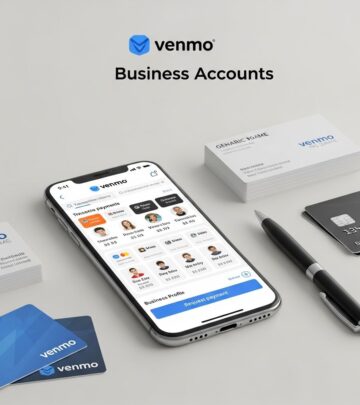
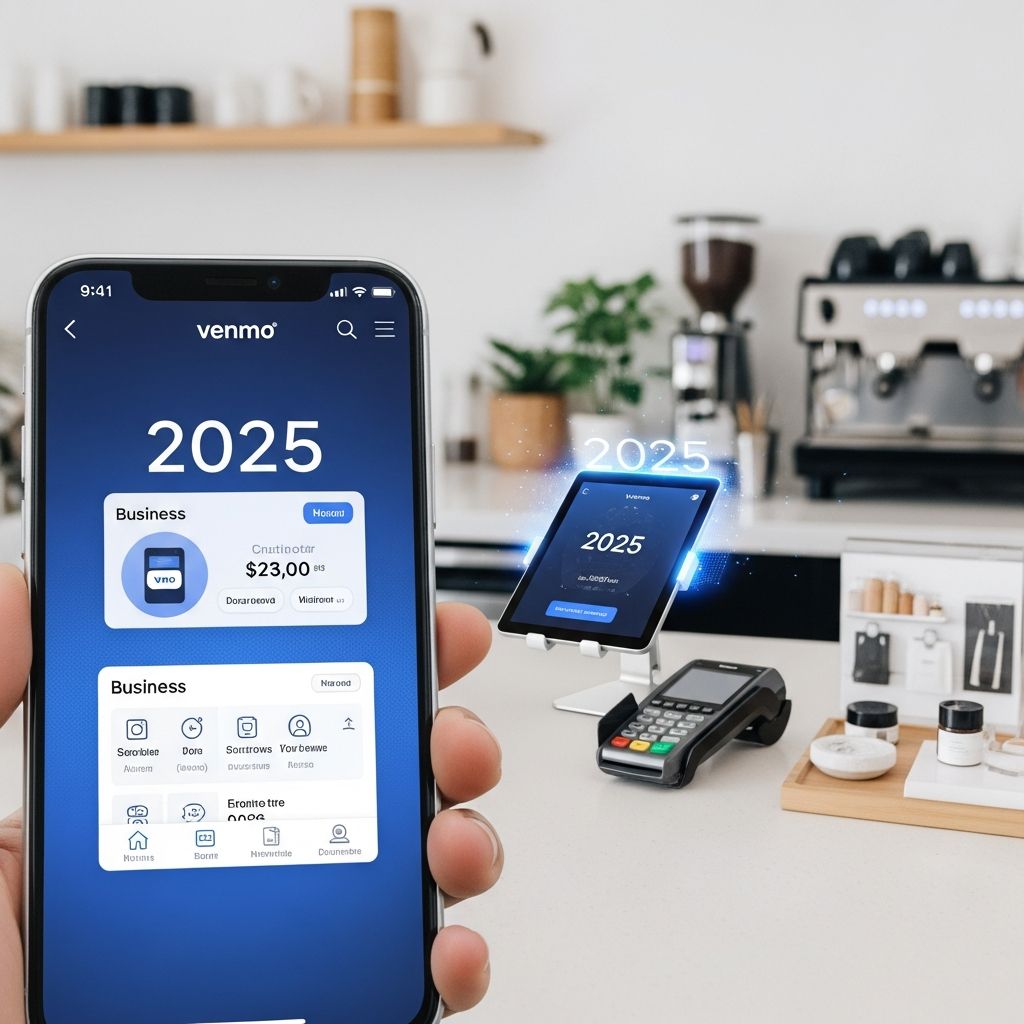
The foundation of using Venmo for business begins with setting up a Venmo Business profile, which differs significantly from a personal account. A personal Venmo account is designed for peer-to-peer transactions between friends and family, with minimal or no transaction fees. However, a Venmo Business profile is specifically engineered for merchant-customer transactions and comes with dedicated features tailored to business operations.
With a Venmo Business profile, you gain access to features that personal accounts lack. Your customers will see your business name rather than a personal handle, creating a more professional brand presence. You get a public-facing profile that can showcase your business, clear and organized transaction records for accounting purposes, and the ability to post product listings directly within the app. Additionally, Venmo Business profiles benefit from increased visibility within the app, making it easier for potential customers to discover your business.
The trade-off for these enhanced features is that you’ll pay transaction fees on each business payment. Currently, Venmo’s business fee structure is 1.9% plus $0.10 per transaction for standard payments, with tap-to-pay transactions costing 2.29% plus $0.10. Standard bank transfers from your Venmo Business account to your linked bank account remain free, while instant transfers cost 1.75% with a maximum of $25 per transfer.
Setting Up Your Venmo Business Account
Getting started with a Venmo Business profile is a straightforward process that requires minimal setup time. To begin, you’ll need to download the Venmo app (if you haven’t already) and navigate to the business profile creation section. You can access this through Venmo’s official business website or directly within the app.
During setup, you’ll provide your business information, including your business name, the type of business you operate, and your contact details. Venmo will verify your identity and business legitimacy before activating your business profile. Once approved, you can immediately start accepting payments through various methods.
One of Venmo’s standout features for in-person transactions is the QR code functionality. Your Venmo Business profile allows you to generate customized QR codes that customers can scan to initiate payments. This is particularly convenient for service-based businesses, retail environments, pop-up shops, and event venues where physical card readers may be impractical or unavailable. Customers simply scan your QR code, enter the transaction amount, and confirm the payment directly from their Venmo app.
Payment Methods and Customer Experience
Venmo streamlines the payment experience for your customers by allowing them to link their preferred payment methods—including bank accounts and credit cards—directly to their Venmo account. When customers pay through Venmo, they don’t need to re-enter their payment details each time, creating a frictionless checkout experience that reduces cart abandonment and improves conversion rates.
This simplified payment flow is particularly appealing to digital natives who overwhelmingly prefer mobile payments to cash or traditional card processing. According to PayPal’s internal data, 73% of “Pay with Venmo” traffic leads to a completed purchase, indicating strong conversion potential for businesses that integrate Venmo into their payment options.
You can integrate Venmo as a payment option across multiple touchpoints: online through your website or mobile app, in-store through QR code scanning, or via direct payment to your Venmo username or phone number. This omnichannel approach ensures customers can pay using their preferred method regardless of how they interact with your business.
The Social Commerce Advantage
What truly sets Venmo apart from traditional payment processors is its integrated social feed feature, which transforms payment transactions into marketing opportunities. When customers pay through Venmo, their transactions can appear in their social feed where friends can like and comment on their activity. This creates organic, word-of-mouth marketing for your business at no additional cost.
While users can keep transactions private if they choose, many opt to make their purchases visible to their network. This transparency builds community and encourages engagement. More importantly for businesses, it provides free advertising as customers’ networks discover your business through transaction visibility. Merchants can even participate in conversations about their products or services on the Venmo feed, fostering brand loyalty and creating genuine community connections.
This social dimension means that every Venmo customer becomes a potential brand ambassador. When a friend sees that someone in their network made a purchase from your business, they’re more likely to explore your offerings themselves. Research shows that Venmo users are 19% more likely to make repeat purchases compared to non-Venmo users, indicating that the platform fosters genuine customer loyalty.
Transaction Management and Security
Managing your Venmo Business account requires some hands-on involvement, particularly compared to enterprise-level payment processors. Your Venmo dashboard provides access to transaction history, allowing you to monitor incoming payments and track your business activity. You can view details of each transaction, including customer names, amounts, and payment dates, which is essential for basic accounting and order fulfillment.
Venmo employs encryption and other security measures to safeguard sensitive financial data, protecting both your business and your customers during transactions. The platform’s security infrastructure has been tested and verified to prevent fraud and unauthorized access.
However, it’s important to note that Venmo lacks some of the automated features offered by professional payment processors. You’ll need to manage much of your transaction monitoring manually, without the benefit of real-time fraud alerts or automated reconciliation that more sophisticated platforms provide. For businesses processing high transaction volumes or requiring advanced analytics, this manual management requirement may become cumbersome.
Which Businesses Should Use Venmo
Venmo’s demographic skew toward younger, tech-savvy, U.S.-based customers means certain business types benefit significantly more than others from integration.
Ideal candidates for Venmo include:
B2C e-commerce stores targeting millennials or Gen Z customers, from fast fashion brands to online retailers of home décor and lifestyle products. These demographics already actively use Venmo and prefer it as a checkout option.
Food delivery and restaurants offering online ordering or mobile app functionality. Venmo’s quick payment flow particularly resonates with diners who frequently split bills among friends.
Event ticketing platforms and digital services popular with younger audiences can leverage Venmo’s convenience factor and encourage group purchases, especially with the option for friends to split payments later.
Subscription or membership-based services offering monthly or recurring payments under a certain threshold benefit from Venmo’s quick, one-tap payment process, which can boost retention rates and reduce payment friction.
Service-based businesses including freelancers, consultants, personal trainers, tutors, and hair stylists can use Venmo’s QR code functionality to accept in-person payments without expensive card readers.
Conversely, businesses processing very high transaction volumes, operating internationally, or serving primarily older demographics may find that Venmo’s limitations outweigh its benefits and would be better served by traditional payment processors.
Leveraging Venmo for Customer Reach and Retention
Beyond simple payment processing, Venmo offers strategic advantages for customer acquisition and retention. Venmo was recognized as one of the most well-known digital payment brands in the U.S. in 2023, ranking joint second according to Statista. This strong brand recognition means customers already trust and prefer the platform, making it an effective tool for meeting them where they already transact.
By offering Venmo as a payment option, you solidify your local payment strategy within the American market. Research shows that 50% of merchants who failed to properly activate local payment methods in new markets experienced significantly lower-than-expected sales within 12 months. For U.S.-focused businesses, Venmo functions as an essential “local” payment method, especially for capturing younger demographics.
The social sharing capability of Venmo creates an additional marketing channel. When customers’ purchases appear in their friends’ feeds, it drives organic discovery and encourages new customers to explore your business. This network effect means your marketing reach expands exponentially as each satisfied customer becomes an ambassador for your brand.
Fees, Costs, and Financial Considerations
Understanding Venmo’s fee structure is crucial for calculating profitability and determining whether it makes sense for your business model. The current fee structure for Venmo Business is 1.9% plus $0.10 per transaction for standard payments, with tap-to-pay transactions at 2.29% plus $0.10 per transaction.
Compared to many traditional payment processors that charge 2.6% to 3.5% plus per-transaction fees, Venmo’s rates are competitive, especially for small-ticket transactions. However, Venmo lacks volume pricing flexibility—whether you’re processing $100 or $100,000 monthly, the percentage rate remains constant. For high-volume businesses, negotiating lower rates with traditional processors may ultimately prove more cost-effective.
Standard transfers from your Venmo Business account to your linked bank account are completely free, though they typically take 1-3 business days. If you need immediate access to funds, instant transfers are available for 1.75% of the transfer amount, with a maximum of $25 per transfer. This pricing structure makes sense for businesses that can manage cash flow with standard transfer timelines but need occasional access to expedited funding.
Advantages and Disadvantages of Venmo for Business
| Aspect | Advantages | Disadvantages |
|---|---|---|
| User Interface | Intuitive design makes transactions effortless for both businesses and customers | Limited customization options compared to enterprise solutions |
| Payment Speed | Instant transfers available for immediate cash flow access | Instant transfers cost 1.75%, reducing profitability on urgent needs |
| Social Integration | Built-in social features provide free marketing and community engagement | Privacy concerns for customers; not suitable for sensitive transactions |
| Security | Encryption and security measures protect financial data | Manual transaction monitoring required; lacks advanced fraud detection |
| Accessibility | QR codes eliminate need for expensive card readers | Only available in the U.S.; not suitable for international payments |
| Fees | Competitive rates at 1.9% + $0.10; free standard transfers | No volume pricing; less favorable than negotiated enterprise rates |
| Target Market | Highly appealing to millennials and Gen Z customers | Limited appeal to older demographics |
Best Practices for Using Venmo in Business
Integrate across channels: Offer Venmo alongside other payment methods—credit cards, PayPal, Apple Pay—to maximize customer choice and conversion rates.
Create branded QR codes: Customize your Venmo QR codes with your business logo and branding to create professional, recognizable payment touchpoints in your physical location.
Engage on social: Actively participate in conversations about your business on the Venmo feed. Thank customers for their purchases, respond to questions, and build genuine community connections.
Promote Venmo: Highlight Venmo as a payment option on your website, in-store signage, and marketing materials. Many younger customers will actively seek it out if given the option.
Monitor transactions: Regularly review your Venmo transaction history to ensure accuracy, track cash flow, and maintain organized records for accounting and tax purposes.
Leverage the data: Use transaction information to understand customer behavior, identify trends, and tailor your marketing efforts to your Venmo-using customers.
Frequently Asked Questions
Q: How long does it take to receive funds from Venmo Business payments?
A: Standard transfers to your linked bank account take 1-3 business days and are free. Instant transfers are available 24/7 for 1.75% of the transfer amount, with a maximum of $25 per transfer.
Q: Can I use a personal Venmo account for my business?
A: While technically possible, it’s not recommended. Personal accounts are designed for peer-to-peer transactions and lack business-specific features like transaction records, tax reporting, and a professional public profile. Additionally, using a personal account for business transactions may violate Venmo’s terms of service.
Q: Is Venmo available outside the United States?
A: Venmo is currently only available in the United States. Businesses operating internationally will need to use alternative payment processors for customers in other countries.
Q: What security measures does Venmo use to protect my business?
A: Venmo employs encryption and multiple security measures to safeguard financial data and prevent fraud. However, you should implement additional security practices, such as regular password changes and two-factor authentication.
Q: How does Venmo compare to traditional payment processors like Square or PayPal?
A: Venmo offers competitive fees and unique social features that appeal to younger customers. However, traditional processors often provide more robust features, better customer support, and scalability for growing businesses. The best choice depends on your specific business needs and target demographic.
Q: Can customers split Venmo payments among friends?
A: Yes, one of Venmo’s appealing features is the ability for customers to split payments with friends after the transaction. This is particularly popular in food delivery and dining scenarios.
Q: What type of businesses see the best results with Venmo?
A: Businesses targeting millennials and Gen Z customers, such as e-commerce stores, restaurants, event ticketing platforms, and subscription services, typically see the best results with Venmo. Service-based businesses also benefit from the QR code functionality for in-person payments.
References
- Venmo for Business: Drive Social Commerce Growth in 2025 — PayPal. 2025. https://www.paypal.com/us/brc/article/get-growing-with-social-payments
- Venmo for Business Guide: Use Cases and Strategy Advice — Checkout.com. 2025. https://www.checkout.com/blog/venmo-for-business-guide-use-cases-and-strategy-advice
- Venmo Business vs Personal: What’s the Difference? — Wise. 2025. https://wise.com/us/blog/venmo-business-vs-personal
- Venmo Business Account: 2025 Ultimate Guide — Fit Small Business. 2025. https://fitsmallbusiness.com/venmo-business-account/
- Venmo Fees: Features, and How To Accept Payments — SwipeSum. 2025. https://www.swipesum.com/insights/venmo-for-business-fees-features-and-how-to-accept-payments
- Using Venmo for Business — PayCompass. 2025. https://paycompass.com/blog/using-venmo-for-business/
Similar Articles








Read full bio of Sneha Tete