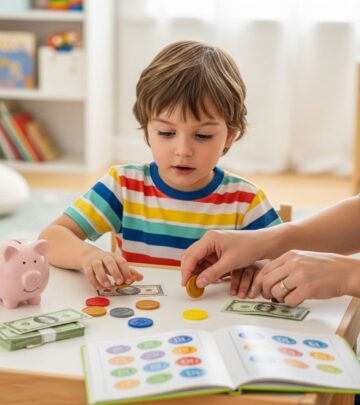
How to Use New Toys to Teach Kids About Money
Transform holiday toy excitement into lifelong financial lessons with practical strategies for budgeting, saving, and smart spending.
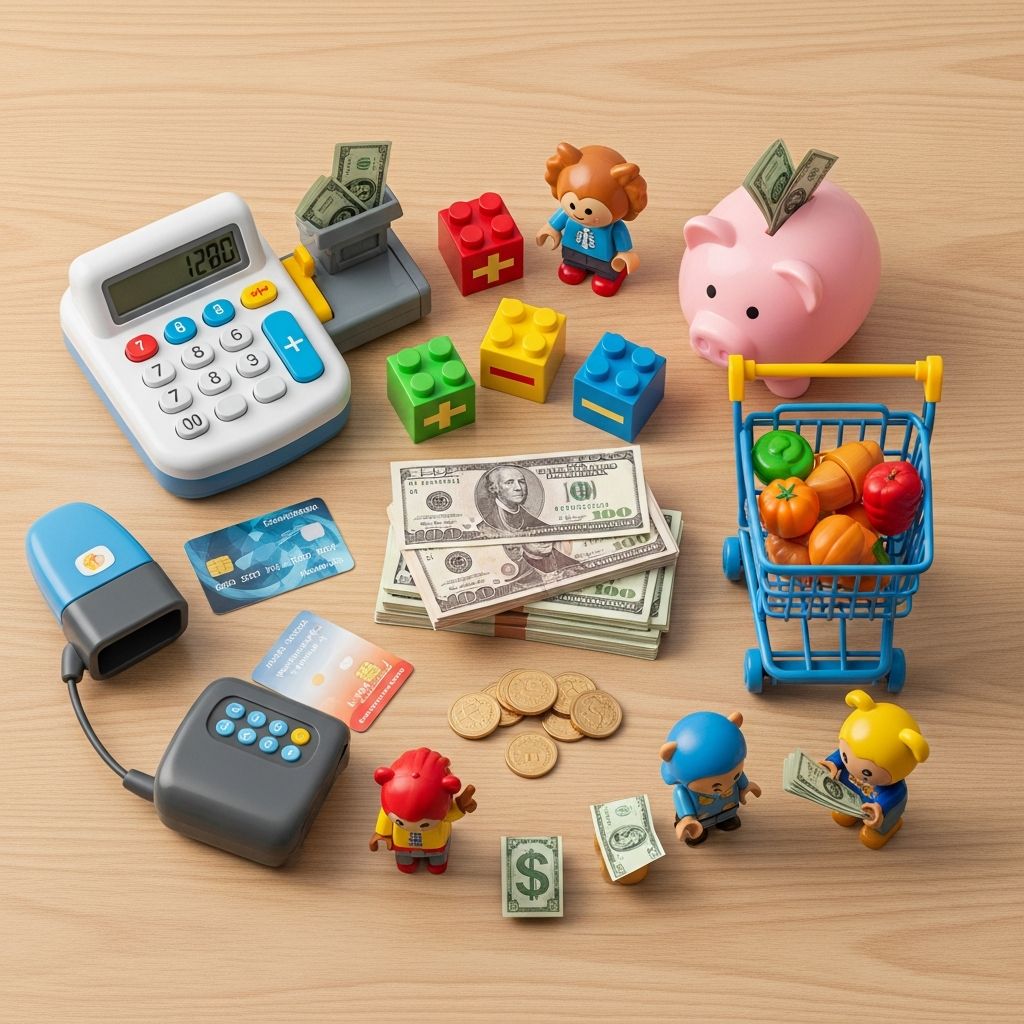
The holiday season brings shiny toy catalogs and wishlists filled with dreams, but these moments offer a golden opportunity to teach children about money. Instead of hiding catalogs or dismissing wants, use them as tools to instill budgeting, saving, and responsible spending habits early on. This approach turns excitement into education, helping kids grasp financial concepts through fun, tangible experiences.
Why Toys Are Perfect for Money Lessons
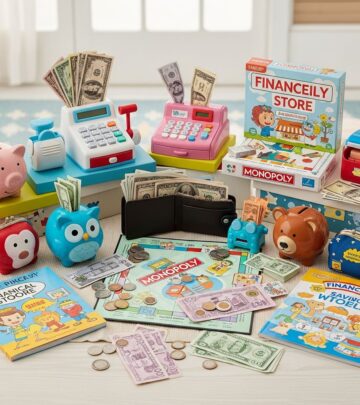
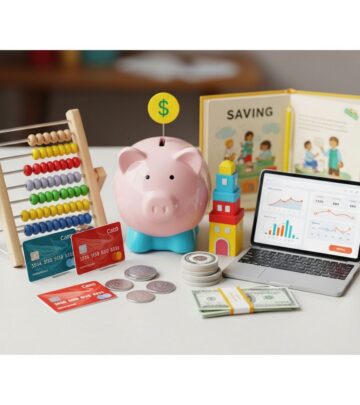
Toys captivate children’s attention like few things do, making them ideal for introducing complex ideas like value, trade-offs, and delayed gratification. Research from financial education experts emphasizes starting young: children as early as preschool can learn coin values and basic transactions through play. Piggy banks and play cash registers build familiarity with money without abstract lectures.
Parents often underestimate play’s power. When kids handle toy money or role-play shopping, they internalize concepts like earning, saving, and giving change. DVDs and games amplify this, adding engagement through songs and stories. For instance, Munchkin Math DVDs teach coin names via catchy tunes, recommended for preschoolers.
Start with Infants and Toddlers: Building Money Awareness
Even babies can begin with simple exposure. Toy piggy banks like the Fisher-Price Laugh n’ Learn Bank, safe for 6 months+, introduce coins without choking risks. Kids learn money isn’t food by playing with safe play currency, fostering early familiarity.
- Use large, colorful piggy banks to encourage dropping coins and spilling them out for counting practice.
- Avoid small parts; opt for products marked for under-3s.
- Pair with supervision to reinforce ‘money goes in, not mouth.’
This stage builds sensory association, setting the foundation for later lessons.
Preschoolers: Coins, Counting, and Play Store
Preschool (ages 3-5) is prime for hands-on coin lessons. Teach names and values using real or play coins. DVDs like Munchkin Math: Counting Money make it fun with songs and games.
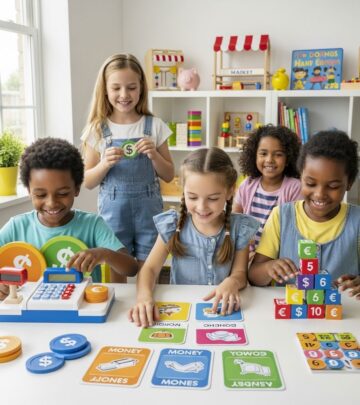
Introduce ‘playing store’ with durable sets from Melissa & Doug—grocery kits and wooden play money withstand rough play. Kids practice transactions, counting change, and pricing items.
- Shop together: Let them clip coupons, compare prices (e.g., cheapest pink milk), or hand money at checkout.
- Rock ‘N Learn DVDs reinforce via movement for wiggly kids.
- Emphasize basics: Coins have names (penny, nickel) and values.
These activities demystify money, showing it’s earned and exchanged.
Early Elementary: Budgeting and Wants vs. Needs
Ages 6-8 bring wishlists and catalogs. Don’t hide them—use as teaching tools. Guide kids to circle wants, then discuss needs vs. wants.
Lesson 1: Wants vs. Reality
Catalogs hype desires via marketing. Sit with your child: Have them browse freely, then review. Ask: ‘Is this a need like food/clothes, or a want like extra toys?’ This counters endless circling, teaching discernment.
Lead by example—avoid hiding purchases or impulse buys, as kids mimic habits.
Lesson 2: Price Research and True Costs
After wishlisting, research prices online or in stores. Write costs next to items. Tally totals to reveal wishlist expense.
| Toy Item | Catalog Price | Store Price | Online Price |
|---|---|---|---|
| Dollhouse | $50 | $45 | $42 |
| Action Figure Set | $30 | $28 | $25 |
| Board Game | $25 | $22 | $20 |
| Total | $105 | $95 | $87 |
This table shows comparison shopping value, teaching sales and patience.
Lesson 3: Introduce Budgeting
Set family spending limits (e.g., $50/toy). Prioritize: Rank wishlist by must-haves. Tally against budget—adjust or save more.
Tools like Bill My Parents prepaid cards simulate real budgeting for tweens.
Tweens and Teens: Advanced Tools and Real Stakes
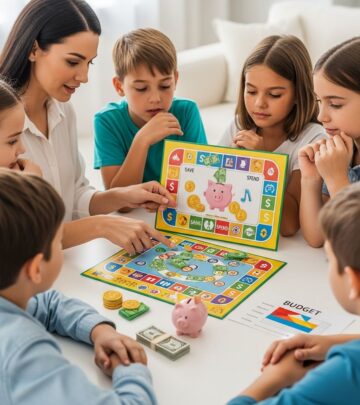
Ages 9+: Use games like Financial Football (Visa) for economic facts, engaging sports fans. Monopoly teaches trade-offs: Invest properties or hold cash?
- Passbook savings accounts: Watch balances grow.
- Stock gifts (e.g., Disney shares): Introduce investing, dividends.
- Prepaid cards: Track spending without debt risk.
Games like Game of Life reveal pitfalls, though not perfect—discuss real vs. game finance.
Incorporate Saving, Sharing, and Earning
Advanced piggy banks like Money Savvy Pig or Moonjar divide coins: save, spend, donate, invest. No bottom hole enforces commitment.
Teach earning via chores (quarter rewards), saving for big buys. Use cash over cards for tangibility.
Family goals: Contribute to vacations or hoops, building teamwork.
Holiday Celebrations: Budgeting the Feast
Extend to meals: Plan holiday dinners, tally grocery costs, compare brands. Teach waste avoidance and opportunity costs—if toys exceed budget, fewer extras.
Common Pitfalls and Pro Tips
- Avoid: Pure lectures; kids tune out.
- Do: Make it game-like, consistent.
- Collections (coins, cards): Value appreciation.
- Regular talks: Best ‘gift’ alongside toys.
Frequently Asked Questions (FAQs)
Q: At what age should I start teaching money with toys?
A: As early as 6 months with safe piggy banks; ramp up at preschool for coins and play.
Q: What if my child wants everything in the catalog?
A: Use it to teach prioritization, research prices, and set budgets—turn wants into lessons.
Q: Are board games like Monopoly good for finance?
A: Yes for basics like investing vs. saving, but discuss real-world tweaks as they simplify.
Q: How do I enforce saving without frustration?
A: Use divided banks and chore earnings; show growth via passbooks.
Q: Can teens handle prepaid cards?
A: Absolutely—tools like Bill My Parents teach budgeting with guardrails.
Long-Term Benefits
Consistent toy-based lessons combat myths like ‘money from ATMs.’ Kids learn delayed gratification, avoiding debt cycles. Studies affirm early financial education boosts adult outcomes—start now.
Expand with apps, real accounts, but toys remain engaging entry. Holidays amplify via catalogs, turning consumerism into competence.
References
- The Best Money Tools and Toys for Every Age Group — Wise Bread. 2023 (approx., based on context). https://www.wisebread.com/the-best-money-tools-and-toys-for-every-age-group
- Don’t HIDE the Toy Catalog! 5 Money Lessons to Teach Your Kids — Sisters For Financial Independence (YouTube). 2024-10-28. https://www.youtube.com/watch?v=4UDp2u1AFCQ
- Great Financial Gifts for Children — Wise Bread. 2023 (approx.). https://www.wisebread.com/great-financial-gifts-for-children
- Money Mistakes Two Popular Board Games Teach Kids — Wise Bread. 2023 (approx.). https://www.wisebread.com/money-mistakes-two-popular-board-games-teach-kids
- How to teach kids valuable money lessons — Bread Financial. 2025 (recent update inferred). https://www.breadfinancial.com/en/financial-education/responsible-saving/teaching-kids-money-lessons.html
- Should Your Kids Contribute to Family Money Goals? — Wise Bread. 2023 (approx.). https://www.wisebread.com/should-your-kids-contribute-to-family-money-goals
Similar Articles








Read full bio of Sneha Tete