How to Use Multiple Savings Accounts Effectively
Maximize your savings strategy with multiple accounts for better goal tracking and financial organization.

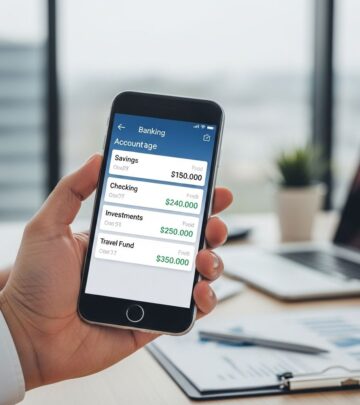
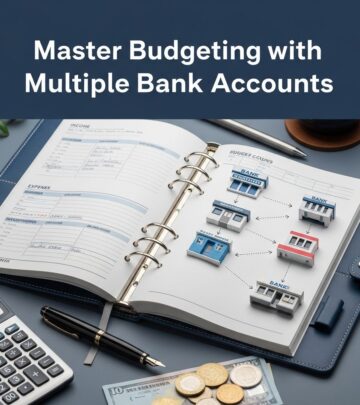
Managing your finances can be challenging, especially when you have multiple savings goals. One strategy that many financial experts recommend is opening and maintaining multiple savings accounts. This approach allows you to compartmentalize your money, stay motivated, and work toward several financial objectives simultaneously. Whether you’re saving for an emergency fund, a vacation, a home down payment, or educational expenses, multiple savings accounts can provide the structure and clarity you need to achieve your goals.
Understanding the Benefits of Multiple Savings Accounts
Organize and Track Multiple Savings Goals
One of the most significant advantages of maintaining multiple savings accounts is the ability to organize and track different financial goals separately. When all your savings sit in a single account, it becomes easy to lose track of how much you’ve saved for each specific purpose. By creating dedicated accounts for different goals—such as an emergency fund, vacation savings, or a down payment on a home—you gain clarity about your progress toward each objective.
This organizational approach provides psychological benefits as well. Research shows that seeing your balance grow in an account dedicated to a goal you care about creates positive reinforcement. This motivation can help you maintain consistent saving habits and resist the temptation to spend money earmarked for important objectives. Additionally, many people report feeling more reluctant to withdraw funds from an account dedicated to a meaningful goal, which naturally discourages impulse spending.
Earn Higher Interest Rates
Another compelling reason to use multiple savings accounts is the opportunity to earn significantly higher interest rates. Not all savings accounts offer the same rates, and by strategically opening accounts at different financial institutions, you can take advantage of competitive interest rates. Currently, top high-yield savings accounts earn around 4% annual percentage yield (APY), which is substantially higher than the national average. To put this in perspective, the difference between a 0.50% rate and a 4% rate on a $10,000 balance amounts to $350 per year—real money that you’d be leaving on the table by sticking with a single low-rate account.
You can optimize this strategy by keeping a checking account at your local bank for convenience while moving your actual savings to high-yield accounts. This approach gives you the best of both worlds: easy access to branches when you need them, combined with competitive returns on your savings.
Maximize Federal Deposit Insurance Coverage
The Federal Deposit Insurance Corporation (FDIC) provides insurance coverage up to $250,000 per depositor, per bank. If you have savings exceeding $250,000, spreading your money across multiple banks ensures that all your funds remain fully protected. Each bank provides its own $250,000 coverage, so opening accounts at two or three different institutions protects your entire savings in case of bank failure. While bank failures are rare, when they do occur, having your savings properly insured means the difference between getting your money back immediately or facing a lengthy claims process.
Access Sign-Up Bonuses and Unique Features
Banks actively compete for your business by offering sign-up bonuses, cash back programs, and unique features. By strategically opening two to three accounts, you can take advantage of these promotional offers without putting all your eggs in one basket. One bank might offer a $200 bonus for new accounts, while another provides superior ATM access or stronger mobile banking tools. This allows you to maximize perks while still earning competitive rates on your savings.
Potential Challenges of Multiple Savings Accounts
Tracking Multiple Accounts Becomes Complicated
One of the primary drawbacks of maintaining multiple savings accounts is the increased complexity of tracking all your accounts. It can be difficult to remember which account is designated for which savings goal, and keeping tabs on multiple balances requires more effort and attention. Additionally, transferring money between different accounts and scheduling withdrawals can be confusing, even if you use a budgeting app.
However, there are practical solutions to address this challenge. Most modern banks allow you to add nicknames or labels to your accounts within their online banking platform. By naming your accounts descriptively—such as “vacation fund,” “house down payment,” or “school expenses”—you can quickly identify which account to use when you need funds. Setting up automatic transfers to each account also eliminates the need to remember manual transfers, as the system handles the process automatically for you.
Meeting Minimum Balance Requirements
Many savings accounts that offer attractive interest rates come with minimum balance requirements. If your savings are spread across multiple accounts, you might find it more challenging to maintain the minimum balance in each account. This is particularly important because failing to meet minimum balance requirements can result in forfeited interest earnings or monthly maintenance fees that eat into your savings.
Understanding Transaction Limits and Fees
Some banks impose limits on the number of withdrawals you can make from savings accounts, typically capping withdrawals at six per month. Exceeding this limit may result in excess transaction fees. With multiple savings accounts, you might find yourself transferring money frequently between accounts, which could cause you to exceed these limits and incur unwanted fees. Some banks even have the authority to convert your savings account to a checking account if you consistently exceed withdrawal limits.
Additional Complexity in Account Management
Maintaining multiple savings accounts means dealing with multiple logins, statements, and transfers. This increased complexity requires more time and effort to manage effectively. Additionally, if you spread your accounts across different institutions, you may experience slower transfer times between banks, which can take one to two business days. This inconvenience might be problematic if you need quick access to your funds.
Best Practices for Managing Multiple Savings Accounts
Decide on the Right Number of Accounts
Financial experts recommend not opening more accounts than you can easily manage. The ideal number of savings accounts depends on your individual needs and financial situation. Some people thrive with two or three accounts, while others may find that more accounts suit their goals better. The key is to choose a number that you can comfortably maintain without becoming overwhelmed by the administrative burden.
Automate Your Savings Contributions
One of the most effective strategies for managing multiple savings accounts is to automate your contributions. Set up automatic transfers from your checking account to each savings account on a regular schedule—whether weekly, biweekly, or monthly. This removes the manual effort from the process and ensures that you consistently contribute to your savings goals without having to remember to initiate transfers yourself.
Label Your Accounts Clearly
Take advantage of your bank’s account labeling or nickname feature to clearly identify each account’s purpose. Use descriptive names that leave no room for confusion about which account is dedicated to which goal. This simple step significantly reduces the mental load of managing multiple accounts and helps you quickly identify where to deposit funds or make withdrawals.
Consider Account Bucket Alternatives
Some banks offer alternatives to opening multiple accounts. For example, Ally Bank allows you to create multiple “buckets” within a single savings account, each earning the same high interest rate. This approach provides the organizational benefits of multiple accounts without the added complexity of managing separate accounts. If your current bank offers this feature, it might be worth exploring as a middle-ground solution.
Selecting the Right Banks for Your Multiple Accounts
When choosing which banks to use for your multiple savings accounts, consider several factors:
- Interest Rates: Compare APY rates across different banks to find the highest-yielding accounts for your actual savings
- Minimum Balance Requirements: Ensure you can comfortably meet the minimum balance requirements across all your accounts
- Monthly Fees: Look for accounts with no monthly maintenance fees or understand what fees you might incur
- Accessibility: Consider whether you need physical branch access or if online-only banking is sufficient for your needs
- Customer Service: Research the quality of customer service and mobile banking tools offered by each institution
- Sign-Up Bonuses: Take advantage of promotional offers, but ensure they don’t distract from the fundamental quality of the account
Building Your Savings Plan with Multiple Accounts
Creating an effective savings plan with multiple accounts involves several key steps:
- Set Clear Financial Goals: Define specific, measurable savings objectives, such as building a three-month emergency fund, saving $5,000 for a vacation, or accumulating a down payment for a home
- Create a Budget: Develop a comprehensive budget that includes regular savings contributions to each account
- Automate Contributions: Set up automatic transfers so that a predetermined amount goes into each savings account on a regular schedule
- Direct Extra Money: Allocate bonuses, tax refunds, raises, and other windfalls directly into your savings accounts to accelerate progress toward your goals
- Monitor Your Progress: Regularly review your account balances to track progress and maintain motivation toward achieving your objectives
Impact on Your Credit Score
One common concern people have about opening multiple savings accounts is whether it will negatively affect their credit score. The good news is that opening and closing savings accounts does not impact your credit score. Since savings accounts are not credit accounts, they don’t appear on your credit report and don’t factor into your credit history. However, if an account is linked to unpaid fees that result in a collections action, that could eventually impact your score.
Common Mistakes to Avoid
When managing multiple savings accounts, be aware of these common pitfalls:
- Opening Too Many Accounts: Resist the temptation to open more accounts than you can realistically manage
- Neglecting Account Reviews: Periodically review your accounts to ensure they still meet your needs and offer competitive rates
- Overlooking Fees: Carefully review all fee structures before opening accounts to avoid unexpected charges
- Failing to Automate: Without automation, you may forget to make regular contributions to your accounts
- Spreading Yourself Too Thin: Ensure you can maintain minimum balance requirements across all your accounts
Frequently Asked Questions
Q: Can I open multiple savings accounts at the same bank?
A: Yes, you can open multiple savings accounts at the same bank. Many banks allow customers to open several accounts under the same profile, which can be helpful for organizing money by goals while maintaining a relationship with a single institution.
Q: Does opening multiple savings accounts hurt my credit score?
A: No, opening or closing savings accounts does not affect your credit score because savings accounts are not credit accounts and don’t appear on your credit report.
A: There is no official maximum, but financial experts recommend not opening more accounts than you can easily manage. Most people find that two to four accounts provide a good balance between organization and manageability.
A: Carefully research accounts before opening them, choose banks with no monthly maintenance fees, meet minimum balance requirements, and avoid exceeding transaction limits.
A: Transfers between different banks typically take one to two business days. For faster access to funds, consider keeping at least one account at a bank with physical branches or strong ATM networks.
References
- The Pros and Cons of Multiple Savings Accounts — Five Star Bank. https://www.five-starbank.com/resources/the-pros-and-cons-of-multiple-savings-accounts
- 4 Reasons To Have Multiple Savings Accounts — Bankrate. https://www.bankrate.com/banking/savings/reasons-multiple-savings-accounts/
- Pros & Cons of Multiple Savings Accounts — Waukesha State Bank. February 2021. https://www.waukeshabank.com/the-pros-and-cons-of-multiple-savings-accounts
- How many savings accounts should I have? — Citizens Bank. https://www.citizensbank.com/learning/how-many-savings-accounts-should-i-have.aspx
- One Bank or Many? Weighing the Benefits & Busting the Myths — Madison Credit Union. https://madisoncu.com/one-bank-or-many-weighing-the-benefits-and-busting-the-myths/
Similar Articles








Read full bio of medha deb