How to Use Credit Cards to Improve Your Credit Score
Master credit card strategies to boost your credit score effectively while avoiding common pitfalls and building long-term financial health.
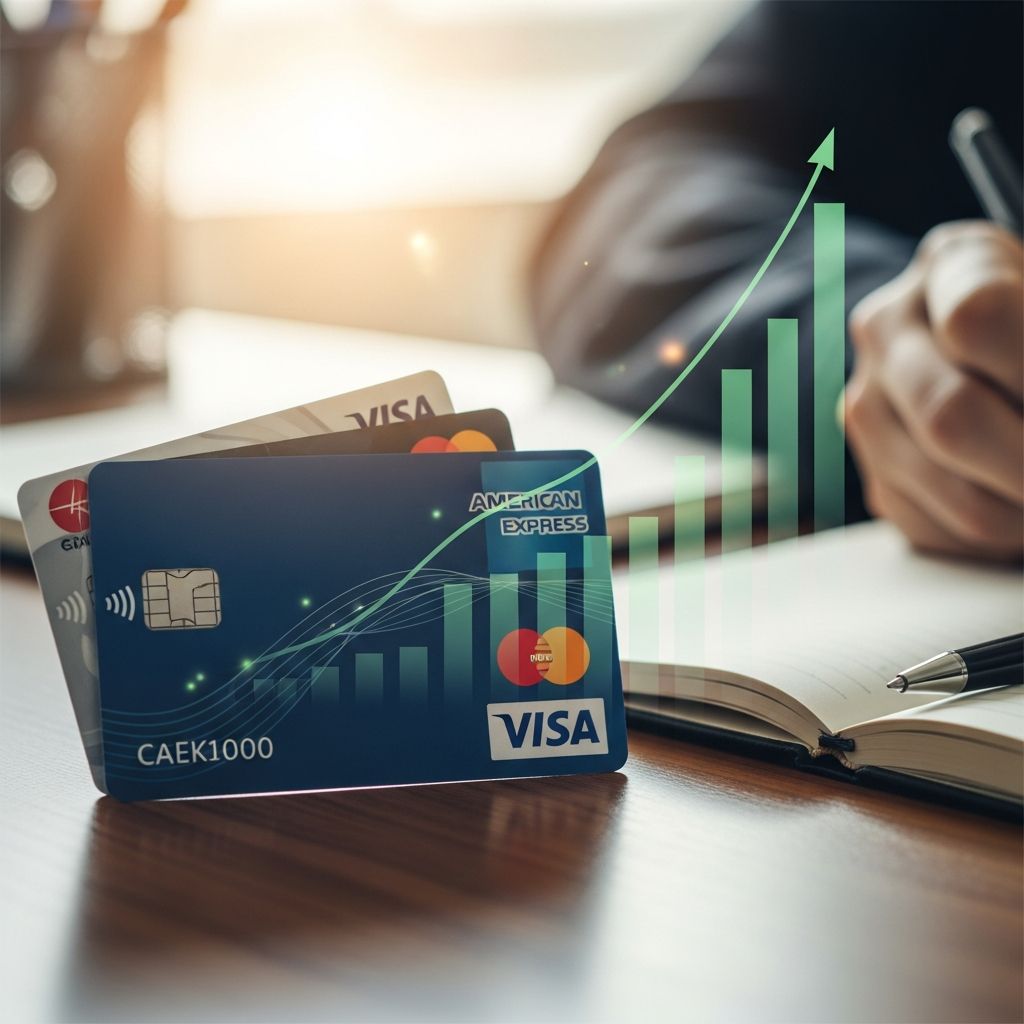
Your credit score is a critical number that influences everything from loan approvals to rental applications. Credit cards play a pivotal role in building and maintaining a strong score when used strategically. This guide covers key factors like payment history, credit utilization, length of credit history, new credit, and credit mix, drawing from established credit scoring models. By following these steps, you can turn credit cards into powerful tools for financial improvement.
Understand How Credit Scores Work
Credit scores, such as FICO or VantageScore, range from 300 to 850, with higher scores indicating lower risk to lenders. The FICO model, used by most lenders, weights factors as follows: payment history (35%), amounts owed or credit utilization (30%), length of credit history (15%), new credit (10%), and credit mix (10%). Credit cards directly impact the top two categories, making them essential for score improvement.
Payment History: The Biggest Factor
Payment history is the most influential component at 35% of your score. It tracks whether you pay bills on time. Late payments can drop your score significantly and stay on your report for up to seven years. To improve: always pay on time.
- Set up autopay: Automate at least the minimum payment to avoid misses. Most issuers offer free autopay via apps or online portals.
- Payment alerts: Enable email or text reminders for due dates, especially if using manual payments.
- Pay early: Aim to pay before the statement closing date to report zero balance initially.
Consistent on-time payments can raise your score within months, as positive history outweighs past negatives over time.
Credit Utilization: Keep It Low
Credit utilization is 30% of your score and measures balances relative to limits. Ideal utilization is under 30%, preferably under 10% for optimal scores. High utilization signals risk to lenders.
| Utilization Ratio | Impact on Score | Example (on $10,000 total limit) |
|---|---|---|
| 0-9% | Best | $0-$900 balance |
| 10-29% | Good | $1,000-$2,900 |
| 30%+ | Poor | $3,000+ |
Strategies include requesting credit limit increases (if paying on time), paying down balances before statement dates, and avoiding maxing out cards. Multiple cards with low balances spread utilization effectively.
Build Credit with Responsible Card Use
For those with thin or poor credit files, secured cards or starter cards build history safely. Deposit equals your limit (e.g., $200 deposit for $200 limit). Use lightly and pay off monthly; graduate to unsecured cards after 6-12 months of good behavior.
- Charge small, regular amounts like gas or groceries.
- Keep statements low to show control.
- Monitor progress via free weekly reports from AnnualCreditReport.com.
Average new card users see score increases of 50-100 points in the first year with perfect habits.
Minimize Hard Inquiries and New Accounts
New credit (10% of score) includes hard inquiries and new accounts. Each inquiry dings your score 5-10 points temporarily (up to 12 months), multiple in short periods signal risk. Limit applications to 1-2 per year.
- Pre-qualify with soft pulls before applying.
- Space out applications by 6 months.
- Avoid retail cards with high APRs.
Preserve length of credit history (15%) by keeping old accounts open, even if unused. Closing them shortens average age, hurting scores.
Optimize Credit Mix
Credit mix (10%) favors a blend of revolving (cards) and installment (loans) debt. If you only have cards, a small installment loan can diversify positively, but don’t overextend.
Paying off installment loans fully boosts scores by showing completed positive history.
Common Mistakes to Avoid
Even strategic users falter:
- Carrying balances to build credit (hurts utilization).
- Closing old cards (shortens history).
- Ignoring small balances (they compound).
- Maxing rewards chasing (risks high utilization).
Instead, treat cards like debit: spend what you can pay off monthly.
Advanced Strategies for Score Boosts
- Authorized user status: Get added to a trusted family member’s old, high-limit card with perfect history. Their positive data can lift your score (notify issuer if not reporting).
- Balance transfers: Move debt to 0% APR cards to pay down faster without utilization spikes.
- Dispute errors: Review reports yearly; correct inaccuracies via Equifax, Experian, TransUnion.
- Increase limits strategically: After 6 months good use, request hikes to lower ratio.
- Use tracking tools: Apps like Credit Karma monitor factors in real-time.
These can yield 20-50 point gains quickly when combined.
Timeline for Improvement
| Action | Expected Score Impact | Timeframe |
|---|---|---|
| Perfect payments | +50-100 pts | 1-3 months |
| Lower utilization <10% | +30-60 pts | 1 month |
| Limit increases | +20-40 pts | Immediate |
| Age accounts | +15-30 pts | 6-12 months |
Full recovery from major dings (e.g., bankruptcy) takes 7-10 years, but habits accelerate rebound.
Frequently Asked Questions (FAQs)
Can paying off cards in full every month improve my score?
Yes, it perfects payment history and keeps utilization low, often boosting scores 30+ points monthly.
Does closing unused cards help?
No, it can shorten history and raise utilization, harming scores.
How soon after a late payment can my score recover?
Positive actions mitigate in 1-2 months; full fade after 2 years.
Are secured cards good for bad credit?
Absolutely; they build history safely and often upgrade to unsecured.
Should I apply for multiple cards at once?
Avoid; it triggers multiple inquiries, dropping scores temporarily.
Long-Term Financial Health
Beyond scores, responsible card use earns rewards, builds emergency buffers, and teaches discipline. Aim for 740+ scores for best rates. Track via free services and adjust habits yearly. With discipline, credit cards evolve from debt traps to wealth builders.
References
- Your Payment History Has a Huge Impact on Your Credit Score: Here’s How to Improve It — Wise Bread. 2023-05-15. https://www.wisebread.com/your-payment-history-has-a-huge-impact-on-your-credit-score-heres-how-to-improve-it
- Improving Your Credit Score — Bread Financial. 2025-01-10. https://www.breadfinancial.com/en/financial-education/understanding-credit/improve-credit-score.html
- 7 Easy Ways to Raise Your Credit Score This Year — Wise Bread. 2024-12-20. https://www.wisebread.com/7-easy-ways-to-raise-your-credit-score-this-year
- How to Use Credit Cards to Improve Your Credit Score — Wise Bread. 2024-11-05. https://www.wisebread.com/how-to-use-credit-cards-to-improve-your-credit-score
- Why the Best Credit Card Rewards Strategy Is a Slow One — Wise Bread. 2024-08-12. https://www.wisebread.com/why-the-best-credit-card-rewards-strategy-is-a-slow-one
- Ways to Improve Your Credit Score — Experian. 2024-07-17. https://www.experian.com/blogs/news/about/improve-your-credit/
Similar Articles








Read full bio of Sneha Tete