How to Use Check Registers: A Complete Guide
Master check register management to track spending, avoid overdrafts, and maintain financial control.
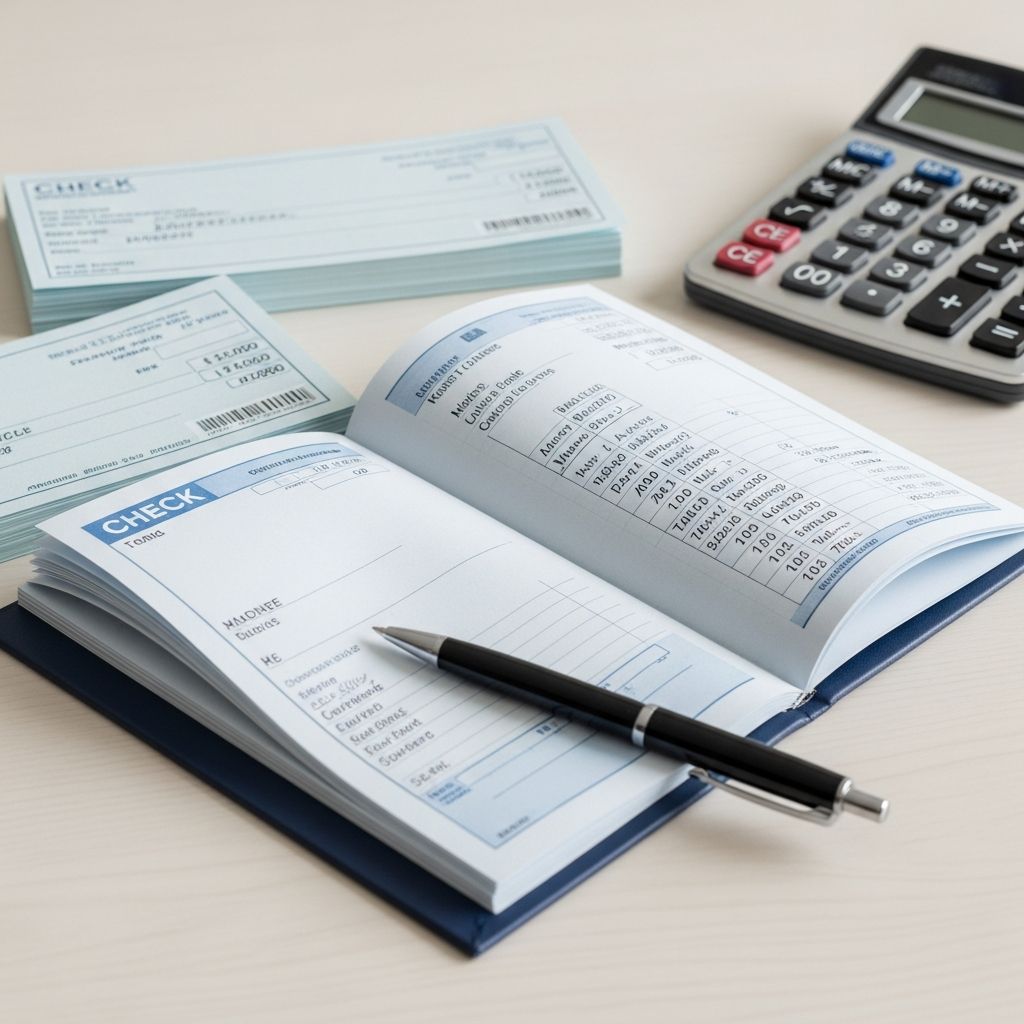
A check register is one of the most fundamental tools for personal and business financial management, yet many people overlook its importance or don’t understand how to use it properly. Whether you’re managing a personal checking account or overseeing business finances, maintaining an accurate check register can help you stay on top of your money, avoid costly overdrafts, and ensure your financial records align with your bank statements.
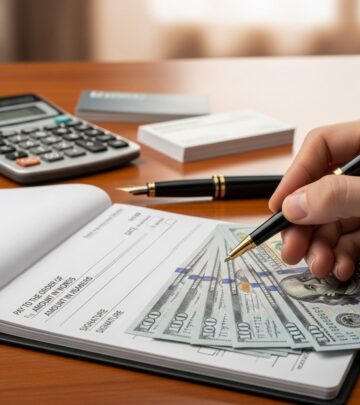
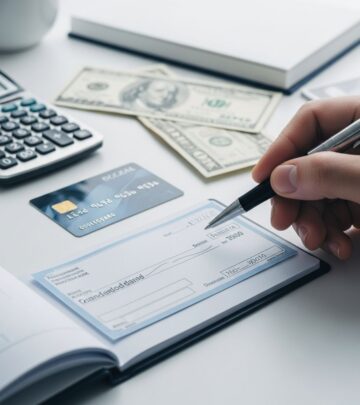
A check register, also known as a checkbook register or cash disbursements journal, is a record-keeping tool designed to track all checking account activities. It serves as a real-time ledger where you document every transaction that affects your account balance, from checks written and deposits made to debit card purchases and electronic transfers. This comprehensive guide will walk you through everything you need to know about using check registers effectively.
What Is a Check Register?
At its core, a check register is a document or digital tool that maintains a chronological record of all financial transactions connected to a specific checking account. Unlike bank statements, which are periodic summaries provided by your financial institution, a check register offers a real-time, ongoing account of your account activity. This distinction is crucial because it allows you to track your actual available balance before transactions have cleared through your bank.
Traditionally, check registers came as booklets included with physical checkbooks. However, modern check registers take many forms:
– Paper-based ledgers maintained with pen or pencil- Sections within physical checkbooks- Digital spreadsheets and Excel files- Online accounting software such as QuickBooks, FreshBooks, or Sage Intacct- Mobile applications like Balance My Checkbook or My Check Register
Regardless of the format you choose, the fundamental purpose remains the same: creating an accurate, detailed record of your account activity.
Key Components of a Check Register
Understanding the standard components of a check register helps ensure you maintain complete and accurate records. Each entry should include specific information that creates a comprehensive picture of your transaction:
Essential Information to Record
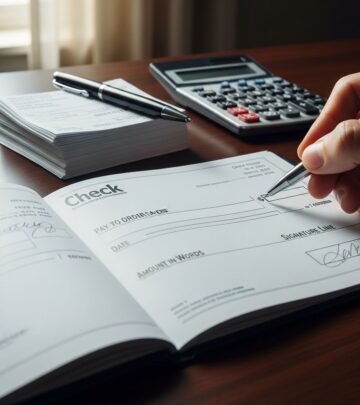
– Transaction Date: The date you wrote the check, made a deposit, or conducted the transaction- Check Number or Category: The check number if applicable, or a category description for other transaction types- Payee Name: The person or organization receiving payment- Description or Notes: Brief details about the transaction for future reference- Transaction Amount: The exact dollar amount involved- Debit or Credit: Whether money is leaving your account (debit/withdrawal) or entering it (credit/deposit)- Running Balance: Your account balance after each transaction is recorded
The running balance is particularly important because it gives you an ongoing snapshot of how much money is available in your account at any given time. This prevents overdrafts and helps you make informed decisions about spending.
How to Properly Record Transactions
Recording transactions in your check register requires attention to detail and consistency. Follow these steps to maintain an accurate record:
Step-by-Step Recording Process
1. Record Immediately: Enter each transaction as soon as possible after it occurs. Don’t wait to batch record multiple transactions, as this increases the likelihood of errors and makes it harder to remember specific details.
2. Include All Transaction Details: Write down every piece of information in the appropriate columns. Even if a field seems minor, complete information makes reconciliation easier later.
3. Calculate the Running Balance: After each transaction, calculate your new account balance by adding credits (deposits) or subtracting debits (withdrawals) from the previous balance. This running total must be accurate.
4. Double-Check Your Math: Verify your calculations to prevent cascading errors that will throw off your entire register.
5. Review Regularly: Take time each week to review your entries and ensure everything is recorded correctly.
Types of Transactions to Record
A comprehensive check register captures all types of transactions that affect your checking account balance. Modern accounts involve multiple payment mechanisms, and your register should reflect all of them:
– Written checks- Cash withdrawals from ATMs- Debit card purchases- Credit card payments- Wire transfers- Electronic bill payments- Online payment services like PayPal and Venmo- Direct deposits and salary payments- Bank fees and charges- Interest earned
By recording all transaction types, you create a complete financial picture of your account activity.
Benefits of Maintaining an Accurate Check Register
Taking the time to maintain a detailed check register offers numerous advantages for your financial health:
Overdraft Prevention
Perhaps the most immediate benefit of a check register is overdraft protection through real-time balance awareness. Because your register updates immediately with each transaction—unlike your bank’s system which may have processing delays—you always know your true available balance. This prevents embarrassing situations where checks bounce or debit transactions are declined.
Accurate Budget Management
Your check register becomes a financial playbook that reveals spending patterns and habits. By reviewing your register, you can identify where your money goes, spot unnecessary expenses, and make informed adjustments to your budget.
Bank Reconciliation
When your bank statement arrives, your check register serves as the essential reference document for reconciliation. You can identify which checks have cleared, which are still pending, and account for any discrepancies between your records and the bank’s records.
Error Detection
Maintaining detailed records makes it easier to spot errors, whether they’re mistakes you’ve made or unauthorized charges on your account. A discrepancy between your register and bank statement can be quickly investigated and resolved.
Financial Record Keeping
Your check register creates a permanent record of your financial transactions. This documentation is invaluable for tax purposes, expense tracking, and legal disputes.
Check Registers for Business Use
While individuals use check registers for personal financial management, businesses rely on them as critical accounting tools. A business check register functions similarly to a personal one but typically handles higher transaction volumes and requires more detailed categorization.
Business Check Register Considerations
Businesses often maintain separate check registers for different accounts, such as an operating account register and a payroll account register. This separation helps track different categories of expenses and simplifies reconciliation.
In a business context, the check register entries must include account coding information that ties each transaction to the appropriate general ledger accounts. For example, a retailer’s check register would show payments categorized as inventory purchases, accounts payable, and salary expenses.
Many businesses use the check register as part of the accounts payable process, reviewing a preliminary register before processing a check run to ensure sufficient cash is available. This prevents overdrafts and ensures the business maintains positive cash flow.
Modern Check Register Methods
While traditional paper check registers still have their place, digital options offer significant advantages in accuracy, organization, and accessibility:
Digital Spreadsheets
Excel or Google Sheets can function as check registers, with automatic formula calculations that reduce math errors. You can easily sort, filter, and analyze your transactions.
Accounting Software
Professional accounting software like QuickBooks or FreshBooks offers robust check register features, including automatic updates, integration with bank feeds, and advanced reporting capabilities. These solutions are particularly valuable for businesses managing multiple accounts and transactions.
Mobile Applications
Mobile check register apps allow you to record transactions on the go, ensuring you capture details immediately. Many sync with your bank account and provide real-time balance updates.
Online Banking Platforms
Most banks provide built-in transaction tracking through their online platforms, though maintaining your own separate register provides an additional layer of verification and control.
Best Practices for Check Register Maintenance
To maximize the benefits of your check register, follow these best practices:
– Update Daily: Record transactions as they occur, not weekly or monthly- Verify Accuracy: Double-check amounts, dates, and calculations- Reconcile Monthly: Compare your register to your bank statement each month- Keep Supporting Documents: Retain receipts and statements to verify entries- Use Consistent Categories: Establish a system for categorizing transactions and stick to it- Review Regularly: Spend time analyzing your spending patterns and looking for errors
Frequently Asked Questions
Q: How often should I update my check register?
A: You should update your check register immediately after each transaction occurs. This ensures your running balance is always accurate and helps prevent overdrafts.
Q: What’s the difference between a check register and a bank statement?
A: A check register is a personal or internal record that you maintain to track transactions in real time. A bank statement is an official periodic summary issued by your bank showing processed transactions. Your register may include pending transactions not yet cleared by the bank.
Q: Can I use a spreadsheet as my check register?
A: Yes, spreadsheets like Excel or Google Sheets work well as check registers. You can set up columns for each required piece of information and use formulas to calculate running balances automatically.
Q: Should I record every transaction type?
A: Absolutely. Record all transactions affecting your account balance, including checks, debit card purchases, ATM withdrawals, deposits, electronic transfers, and bank fees.
Q: How do I reconcile my check register with my bank statement?
A: Compare your register to the bank statement, checking off transactions that have cleared. Look for outstanding checks or deposits not yet processed. Investigate any discrepancies in amounts or missing transactions.
Q: Is a paper check register still useful?
A: Yes, many people find paper registers simple and effective. However, digital options offer automatic calculations and easier searching. Choose the format that works best for your needs.
References
- What is a Check Register? – Definition | Meaning | Example — My Accounting Course. Accessed November 2025. https://www.myaccountingcourse.com/accounting-dictionary/check-register
- Check register definition — AccountingTools. Accessed November 2025. https://www.accountingtools.com/articles/check-register
- What Is a Check Register? | Definition, Details, and Example — Patriot Software. Accessed November 2025. https://www.patriotsoftware.com/blog/accounting/what-is-a-check-register/
- Check Register | Accounting Corner — Accounting Corner. Accessed November 2025. https://accountingcorner.org/check-register/
- What Is a Check Register and How Can It Work Best for Me? — TheStreet. Accessed November 2025. https://www.thestreet.com/personal-finance/check-register-14920648
- Check register — Wikipedia. Accessed November 2025. https://en.wikipedia.org/wiki/Check_register
Similar Articles








Read full bio of Sneha Tete