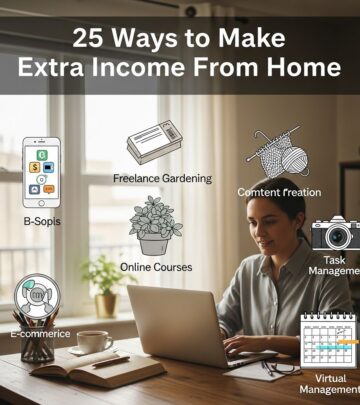
How to Turn Your Home into a Moneymaking Star
Unlock the hidden earning potential of your home with proven strategies to generate passive and active income streams effortlessly.

Your home is more than just a place to live—it’s a valuable asset ripe for generating extra income. In today’s gig economy, homeowners have countless opportunities to turn unused space, skills, and resources into cash flow. Whether through passive rentals, short-term hosting, or entrepreneurial ventures, monetizing your property can supplement your income significantly. This guide explores proven strategies to make your home work for you, covering everything from simple side hustles to full-scale business ideas. With rising living costs, these methods offer financial flexibility without major lifestyle changes.
Rent Out a Room or Your Entire Home
One of the most straightforward ways to earn money from your home is by renting out space. Platforms like Airbnb have revolutionized short-term rentals, allowing you to list a spare room, guest house, or even your whole property to travelers. According to the U.S. Census Bureau, over 15 million households participate in home-sharing, generating billions in revenue annually. Start by assessing your space: a clean, furnished bedroom with Wi-Fi and basic amenities can fetch $50–$150 per night in urban areas.
- Prepare your space: Invest in fresh linens, toiletries, and safety features like smoke detectors. Professional photos boost bookings by 40%.
- Set competitive pricing: Research local rates and adjust for seasons—higher during holidays or events.
- Handle logistics: Use smart locks for keyless entry and apps for automated messaging to minimize effort.
- Legal considerations: Check zoning laws, HOA rules, and local regulations for short-term rentals. Some cities require permits or limit rental days.
For long-term rentals, platforms like Craigslist or Zillow connect you with tenants seeking rooms. This provides steady monthly income, often $500–$1,500, but requires screening for reliable renters. Passive income potential is high once set up, covering mortgage payments or funding vacations.
Become a Landlord for Storage Space
Not ready for live-in guests? Rent out storage instead. Garages, attics, basements, or even closets can store boats, RVs, furniture, or seasonal items for others. Neighbor.com and Spacer facilitate peer-to-peer storage rentals, with average earnings of $200–$500 monthly per space. Demand surges in cities with limited parking or high housing costs.
| Space Type | Avg. Monthly Rent | Pros | Cons |
|---|---|---|---|
| Garage | $150–$400 | High demand, easy access | Security needs |
| Driveway/Parking Spot | $50–$200 | Minimal setup | Weather exposure |
| Basement/Attic | $100–$300 | Indoor protection | Limited access |
Enhance appeal with climate control, lighting, and insurance. Liability coverage is crucial—many platforms offer it. This low-effort option suits busy professionals seeking passive income.
Host Events, Classes, or Workshops
Transform your home into a venue for gatherings. Backyards, living rooms, or kitchens are ideal for weddings, yoga classes, book clubs, or cooking workshops. Peerspace and Eventbrite list spaces for hourly rentals, earning $50–$300 per event. Creative hosts monetize unique features like pools, fire pits, or artisanal kitchens.
- Yoga/Pilates studio: Rent mats and charge $20/session for 10–20 participants.
- Private parties: Game nights, dinners, or photo shoots—set minimum spends.
- Cooking classes: Leverage your kitchen for gourmet sessions, partnering with local chefs.
Marketing via social media and community groups drives bookings. Clean thoroughly post-event and use contracts outlining rules and deposits to protect your property.
Launch a Home-Based Business
Your home can house a thriving enterprise. Daycares, tutoring centers, consulting offices, or craft studios thrive domestically. The Small Business Administration notes home-based businesses comprise 50% of U.S. ventures, with low overhead fueling profits.
Popular ideas:
- Childcare: Licensed providers earn $30–$50/hour per child. Requires background checks and safe play areas.
- Tutoring/Coaching: Use dining rooms for sessions in math, languages, or fitness—$40–$100/hour.
- Craft sales: Etsy sellers produce jewelry or soaps from home kitchens.
- Pet services: Boarding or grooming in fenced yards, $25–$75/day per pet.
Check business licenses, zoning, and insurance riders. Deduct home office expenses on taxes for added savings.
Monetize Your Backyard or Garden
Outdoor spaces offer untapped potential. Rent for camping (Hipcamp), glamping, or filming. Grow produce for farmers’ markets or CSAs, earning $1,000+ seasonally. Beekeepers harvest honey; chicken owners sell eggs.
- Urban farming: Sell herbs/veggies via apps like Farmstand.
- Event space: Weddings or corporate picnics fetch $500–$5,000.
- Pet-friendly rentals: Dog parks or agility courses.
Sustainable practices attract eco-conscious renters. Fencing and amenities elevate value.
Offer Parking or Charging Stations
In dense areas, parking is gold. Rent driveways via SpotHero or JustPark for events/airports, $10–$50/day. Install EV chargers (ChargePoint) for $20–$40/session. Bike/scooter storage adds $5–$15/month per spot.
Low maintenance with apps handling payments. Ideal for urban/suburban homes near transit hubs.
Provide Laundry or Workspace Rentals
Rent washers/dryers to apartment dwellers sans laundry—$5–$10/load via LaundryCare. Coworking nooks with desks/Wi-Fi appeal to remote workers, $20–$50/day on Deskpass.
Ensure privacy and utilities coverage. Bundles (laundry + workspace) increase appeal.
Leverage Your Home for Content Creation
Filmmakers, photographers, and influencers seek backdrops. List on Giggster for $100–$1,000/day shoots. Podcast studios or YouTube sets monetize via hourly rentals.
Highlight unique architecture or views. Non-disruptive scheduling preserves your routine.
Frequently Asked Questions (FAQs)
Q: Do I need special insurance for rentals?
A: Yes, standard homeowner policies may not cover renters. Add endorsements or use platform insurance like Airbnb’s Host Guarantee.
Q: How much can I realistically earn?
A: $500–$5,000/month depending on location, space, and effort. Start small to test viability.
Q: What are the tax implications?
A: Report income to IRS; deduct expenses like cleaning/supplies. Track meticulously with apps like QuickBooks.
Q: How do I handle problematic guests?
A: Use reviews, deposits, and clear house rules. Platforms offer dispute resolution.
Q: Is this legal everywhere?
A: Regulations vary; research local laws. Some areas ban short-term rentals.
Final Tips for Success
Success hinges on preparation: high-quality listings, responsive communication, and stellar reviews build momentum. Start with one method, scale gradually. Combine strategies—like room rental plus parking—for compounded earnings. Your home can become a financial powerhouse, providing security and freedom.
References
- Quarterly Rental Vacancy and Homeownership Survey. — U.S. Census Bureau. 2024-01-15. https://www.census.gov/housing/hvs/data/histtab15.xlsx
- Home-Based Businesses Statistics. — U.S. Small Business Administration. 2023-06-10. https://www.sba.gov/business-guide/plan-your-business/home-based-businesses
- Sharing Economy Market Report. — OECD. 2024-03-22. https://www.oecd.org/economy/sharing-economy.htm
- Rental Income Tax Guide. — Internal Revenue Service. 2025-01-01. https://www.irs.gov/taxtopics/tc414
- Peer-to-Peer Rental Platforms Overview. — Federal Trade Commission. 2023-11-05. https://www.ftc.gov/business-guidance/resources/sharing-economy
Similar Articles








Read full bio of medha deb