How to Turn Your Buyer’s Remorse Into Better Financial Habits
Transform the sting of buyer's remorse into lasting financial wisdom and smarter spending habits for a brighter future.

Buyer’s remorse—the sinking feeling after an impulse purchase—strikes us all at some point. That shiny new gadget, overpriced outfit, or unnecessary subscription can leave you regretting your decision almost immediately. But what if that regret wasn’t just a negative emotion? What if it could be a powerful catalyst for financial growth? This article explores how to harness buyer’s remorse, turning it from a source of shame into a springboard for better financial habits. By reflecting on past mistakes, implementing practical strategies, and fostering mindful spending, you can build resilience and achieve lasting financial stability.
Understand What Buyer’s Remorse Really Is
Buyer’s remorse is the emotional response of regret following a purchase, often triggered by realizing the item doesn’t bring the expected joy or value. Psychologically, it’s linked to cognitive dissonance, where your actions clash with your values or budget. According to financial experts, this feeling affects up to 70% of consumers after big-ticket buys, but it’s not inevitable—nor is it useless.
Instead of dwelling in guilt, view remorse as feedback. It signals a mismatch between your spending impulses and long-term goals. For instance, that $600 pair of shoes bought on a whim might highlight a need for clearer budgeting boundaries. Recognizing this turns a momentary pang into actionable insight.
Step 1: Pause and Reflect Without Judgment
The first step to alchemizing remorse into habits is honest, non-judgmental reflection. Ask yourself key questions:
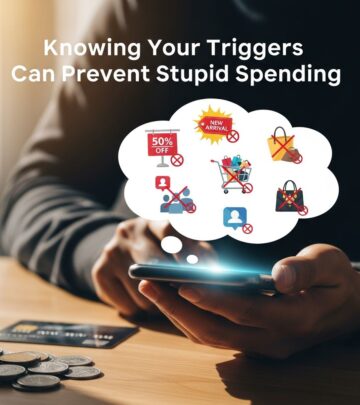
- What triggered the purchase? Was it stress, advertising, or peer pressure?
- Did it align with my financial goals, like saving for a home or retirement?
- What value does it truly add to my life right now?
Avoid the ‘should have’ trap—phrases like ‘I shouldn’t have bought that’ only breed shame, which can lead to repeated mistakes. Research from New York University shows that ruminating on past errors reduces mental bandwidth for current decisions, increasing error rates. Instead, complete the thought: ‘I made that choice; now what?’ This shifts focus to solutions.
Create a ‘Regret Journal.’ After a regrettable buy, log the date, cost, emotion, and lesson. Over time, patterns emerge—like emotional spending during sales seasons—empowering proactive changes.
Step 2: Implement the 30-Day Rule for Future Purchases
To prevent future remorse, adopt the 30-Day Rule: Wait 30 days before non-essential buys over a set amount, say $50. This cooling-off period disrupts impulse and allows rational evaluation.
| Purchase Type | Immediate Urge | After 30 Days |
|---|---|---|
| Gadget ($200) | Must-have now! | Found cheaper alternative or no longer needed. |
| Clothing ($100) | Perfect for the sale! | Similar item in closet; urge faded. |
| Subscription ($20/mo) | Life-changing tool! | Free alternatives suffice. |
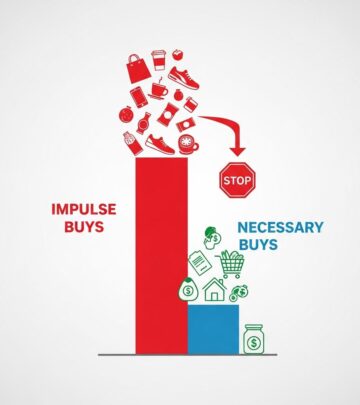
This habit, recommended by frugal living advocates, has saved readers thousands by curbing 80% of impulse buys. Pair it with a ‘Want vs. Need’ checklist to reinforce discipline.
Step 3: Build a Bulletproof Budget That Accounts for Emotions
Regret often stems from unstructured spending. Craft a budget using the 50/30/20 rule: 50% needs, 30% wants, 20% savings/debt. But add an ‘Emotional Buffer’—5% for guilt-free fun money—to prevent rebellious splurges.
Tools like apps (e.g., YNAB or Mint) track spending in real-time, flagging potential remorse triggers. Review monthly: ‘Did my wants category lead to regrets?’ Adjust accordingly. Studies show budgeted individuals experience 40% less buyer’s remorse.
Step 4: Cultivate the Power of ‘No’ and Mindful Decluttering
Saying ‘no’ to temptations builds financial muscle. Practice with low-stakes scenarios, like skipping coffee runs, then scale to bigger buys. Declutter post-remorse: Sell or donate the item on platforms like eBay or Facebook Marketplace. This recoups losses and reinforces ‘less is more.’
Minimalism expert Joshua Becker notes that buying less solves most money woes, from debt to discontent. One reader recouped $2,000 from past regrets by selling unused items, funding an emergency fund.
Step 5: Leverage Accountability and Community Support
Share your journey with an accountability partner—a friend or online forum. Weekly check-ins like ‘Any close calls this week?’ deter impulses. Join communities like Reddit’s r/personalfinance for real stories: One user turned gym membership remorse into a home workout habit, saving $1,200 yearly.
Track progress with milestones: After three regret-free months, reward yourself modestly within budget.
Common Pitfalls and How to Avoid Them
- Sunk Cost Fallacy: Don’t keep regrettable items out of ‘wasted money’ guilt—sell them.
- Rebound Spending: Shame leads to compensatory buys; counter with self-compassion breaks.
- Ignoring Patterns: Isolated regrets mislead; journal for trends.
Real-Life Success Stories
Consider Sarah, who regretted a $18,000 car with 22% interest. She traded it wisely, learned to negotiate, and now drives debt-free. Or Mike, whose student loan shopping spree became a lesson in ‘borrowed money isn’t yours’. These stories prove remorse fuels transformation.
Frequently Asked Questions (FAQs)
Q: Is buyer’s remorse normal?
A: Yes, it’s common, affecting most shoppers. The key is using it constructively rather than letting it paralyze you.
Q: How long does buyer’s remorse last?
A: Typically days to weeks, but habits like reflection shorten it and prevent recurrence.
Q: What if I can’t return the item?
A: Sell it, repurpose, or deduct lessons for future buys—focus on forward momentum.
Q: Can buyer’s remorse help with debt?
A: Absolutely; it motivates stricter budgets and debt snowball methods for payoff.
Q: What’s the best app for tracking habits?
A: YNAB (You Need A Budget) excels for remorse-proof planning with real-time insights.
Long-Term Benefits: Financial Freedom Awaits
Consistently applying these steps yields compounding rewards: reduced debt, growing savings, and confidence in decisions. High savers averaging $50,000 yearly automate habits like yours—budgeting ruthlessly and boosting income. Buyer’s remorse becomes rare as mindfulness dominates.
Embrace remorse as your financial coach. Start today: Reflect on your last regret, journal it, and implement one step. Your future self will thank you.
References
- Our Worst Financial Mistakes and What You Can Learn From Them — Wise Bread. 2009-approx (enduring lessons from reader stories). https://www.wisebread.com/our-worst-financial-mistakes-and-what-you-can-learn-from-them
- How Reliving Past Money Mistakes Hurts Your Financial Future — Wise Bread. 2016-approx (cites NYU study). https://www.wisebread.com/how-reliving-past-money-mistakes-hurts-your-financial-future
- Hot Today | Wise Bread (referencing Buyer’s Remorse article) — Wise Bread. Recent. https://www.wisebread.com/popular/https%253a/adserver.video/sync/03635d2e5423be5c297a9b6f812b727e/%253Faction%253DIn%252526uid%253D266899532397703159?page=409
- A Practical Solution to (Almost) All Your Money Problems — Becoming Minimalist. 2009-approx (timeless minimalism principles). https://www.becomingminimalist.com/a-practical-solution-to-almost-all-your-money-problems/comment-page-2/
- 25 Purchases You’ll Never Regret — Wise Bread. Recent. https://www.wisebread.com/25-purchases-youll-never-regret
- 10 Financial Habits of People Who Save Over $50,000 a Year — AOL. Recent. https://www.aol.com/articles/10-financial-habits-people-save-183600117.html
Similar Articles








Read full bio of medha deb