Turn Your Black Thumb Green: Expert Tips For Beginners
Transform your gardening failures into thriving plants with simple, expert-backed tips for beginners.
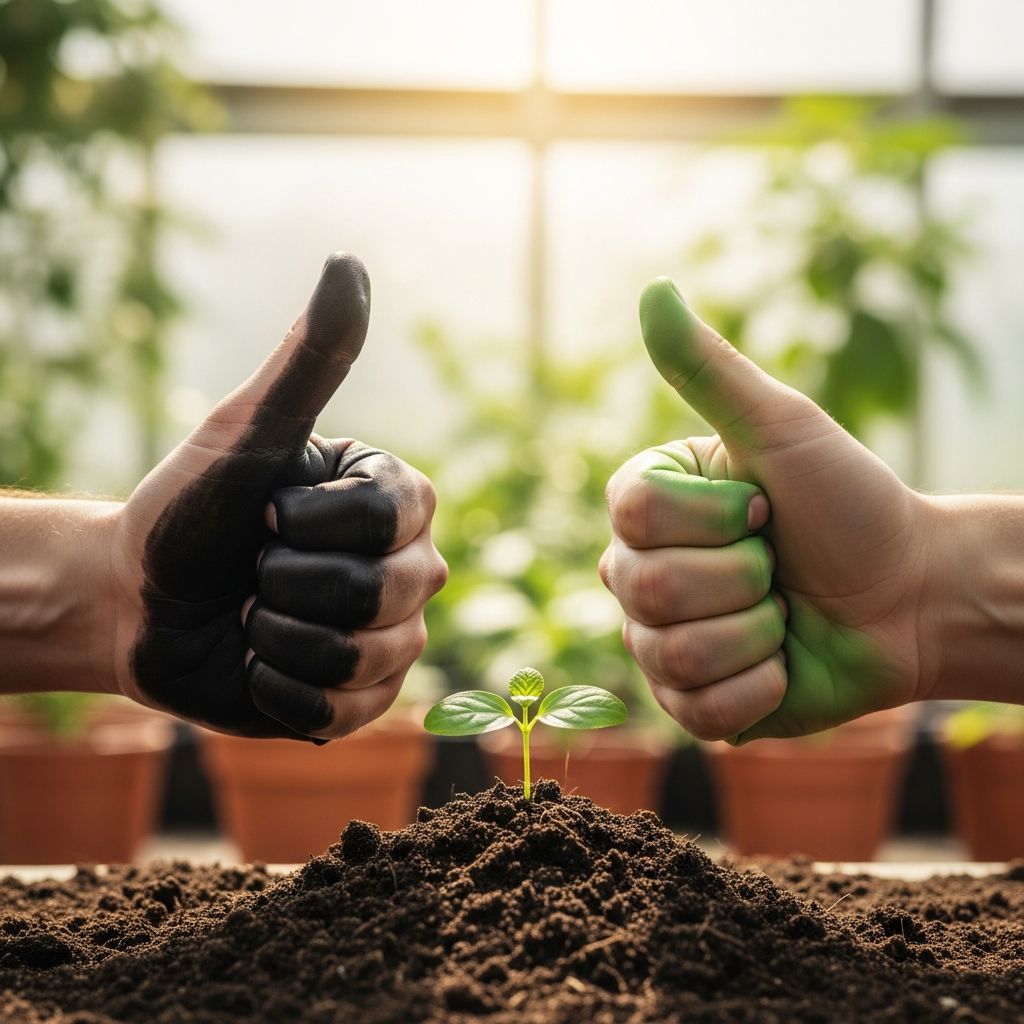
Many aspiring gardeners believe they possess a “black thumb,” convinced that plant success is an innate talent like singing. However, gardening experts unanimously disagree, likening it instead to cooking: with basic techniques, attention, and practice, anyone can cultivate thriving plants. This guide synthesizes advice from seasoned gardeners to help you master the fundamentals, avoid pitfalls, and enjoy the rewards of green growth.
There’s No Such Thing as a Black Thumb
The notion of a black thumb is a myth. Ellen Zachos, a gardener and author who once thought herself plant-challenged until age 30, asserts, “If you can bake a cake or assemble a bookcase, you can grow a plant.” Her transformation proves that success stems from knowledge and habits, not magic. Polling experts nationwide reveals a consensus: gardening ability is learned through simple steps and persistence.
Beginners often fail due to misconceptions, such as believing large projects yield instant results or that plants demand constant fussing. Instead, treat gardening like building skills incrementally. Start with forgiving plants and routines that fit your life, gradually expanding as confidence grows.
Start Small: Build Success Gradually
Overambition overwhelms novices. Experts recommend beginning with one or two easy houseplants or a tiny outdoor plot to gain momentum without burnout.
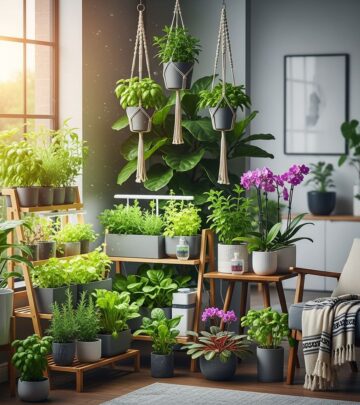
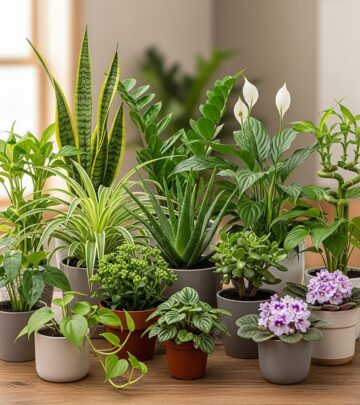
- Indoor starters: Snake plant (Sansevieria trifasciata), spider plant (Chlorophytum comosum), or dracaena (Dracaena marginata). These tolerate low light, drought, and neglect.
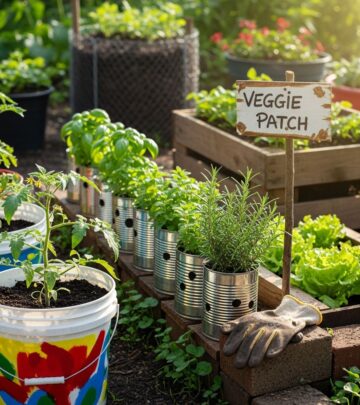
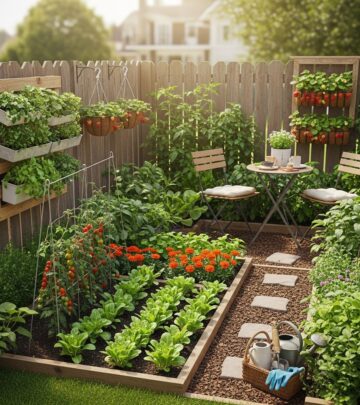
- Outdoor approach: Select a small bed in a needy yard spot. Observe neighborhood successes, plant accordingly, and assess after one year before expanding. Consult local nurseries for swaps if needed.
Sandie Parrott advises, “Start with a very small garden… Wait a year to see how this garden bed performs.” This prevents the paralysis of massive maintenance tasks like weeding or pruning all at once.
Master Watering: The Biggest Black Thumb Killer
Poor watering habits doom most plants. Overwatering causes root rot, worse than underwatering, while inconsistent habits stress roots. Lorraine Ballato notes, “The one thing I think that most ‘black thumbs’ have in common is poor watering habits.”
Key rules:
- Most plants prefer drying out slightly between deep soakings over daily sips.
- Use pots with drainage holes; add pebbles if absent to keep roots dry.
- Test by lifting: Heavy pot? Wait. Light? Water thoroughly. Check outdoor plants daily, indoors twice weekly.
- Research species needs and experiment for your space.
Kathy Jantz’s pot-weight trick builds routine awareness. Avoid extremes: too much water drowns roots; too little wilts leaves reversibly if caught early.
Provide the Right Light and Environment
Not all plants suit every space. Mismatching light dooms even hardy species. Snake plants thrive in low light, while fiddle-leaf figs demand bright indirect rays.
- Assess your conditions: North-facing windows for low-light lovers; south for sun-worshippers.
- Rotate plants: Ensure even growth by turning pots weekly.
- Clean leaves: Dust blocks light absorption; wipe gently with a damp cloth.
Misting boosts humidity but mist mornings to prevent sun-scalded wet leaves. Match plants to your light for minimal intervention.
Observe Like a Plant Whisperer
Black thumbs ignore subtle cues until crisis hits. Mary-Kate Mackey urges becoming a “plant whisperer,” noting shifts in leaf angle, color, or droop. Yvonne Cunnington adds, “Pay attention weekly… discover problems before they get out of control.”
Common signals:
| Sign | Possible Issue | Action |
|---|---|---|
| Yellowing lower leaves | Overwatering | Let dry out; check roots for rot |
| Drooping despite moist soil | Root rot or poor drainage | Repot with drainage |
| Brown tips | Low humidity or under-fertilizing | Mist or fertilize sparingly |
| Stretching leggy growth | Insufficient light | Move to brighter spot |
| Crisp brown edges | Too much direct sun | Provide shade or filter |
Weekly checks turn chores into triumphs. Notice early, act small.
Extra Tips and Tricks for Success
Beyond basics, these hacks ease care:
- Fertilize wisely: Dilute liquid fertilizer monthly during growth; skip winter.
- Prune regularly: Pinch tips for bushiness; remove dead bits promptly.
- Soil matters: Use well-draining potting mix; refresh annually.
- Temperature: Avoid drafts or heaters; aim 65-75°F (18-24°C).
- Pest patrol: Inspect undersides; neem oil for aphids.
Alisha Hunter emphasizes trial, error, and patience: “A lot of what owning plants means is failure, research, experimentation.” Adjust expectations—perfection is rare.
Match Plants to Your Lifestyle
Be honest about your habits. Forgetful? Choose succulents. Busy? Low-maintenance like ZZ plant or pothos. Kids/pets? Non-toxic, durable options.
Consider resources: time, space, climate. Local natives adapt best outdoors.
FAQs
What if my plant dies? Does that mean I have a black thumb?
No—most experts kill plants early on. Analyze why (water? light?), learn, and retry with adjustments.
How often should I water houseplants?
Check pot weight: water when light, ensuring full drainage. Frequency varies by plant and conditions—weekly for many.
Can I save an overwatered plant?
Often yes: repot in dry soil, trim rotted roots, and let recover in shade. Prevention is key.
Best first plants for apartments?
Snake plant, pothos, or peace lily—tolerate low light and irregular care.
Outdoor gardening for total beginners?
Start with one small bed; copy thriving neighbors; wait a year to evaluate.
From Black to Green: Your Journey Starts Now
Gardening rewards patience and observation. Start small, water smart, watch closely, and experiment. Magic happens through practice, as experts confirm. Soon, you’ll harvest successes, proving no thumb is truly black.
(Word count: 1678)
References
- Turning Black Thumbs Green — GardenLady.com. Accessed 2026. https://gardenlady.com/read-articles/turning-black-thumbs-green/
- Turning Your Black Thumb Green: A Beginner’s Guide to Gardening — Sustainable Bliss Co. Accessed 2026. https://www.sustainableblissco.com/journal/turning-your-black-thumb-green
- National Gardening Association: Gardening Basics — Garden.org (official extension resource). 2024-05-15. https://garden.org/learn/articles/view/1234/
- USDA Plant Hardiness Zone Map — United States Department of Agriculture. 2023-11-15. https://planthardiness.ars.usda.gov/
- Houseplant Care Guidelines — Royal Horticultural Society. 2025-03-20. https://www.rhs.org.uk/plants/types/houseplants/growing-guide
- Beginner Gardening Tips — University of Extension Service (Missouri). 2024-08-10. https://extension.missouri.edu/programs/master-gardener/beginner-tips
Similar Articles








Read full bio of Sneha Tete