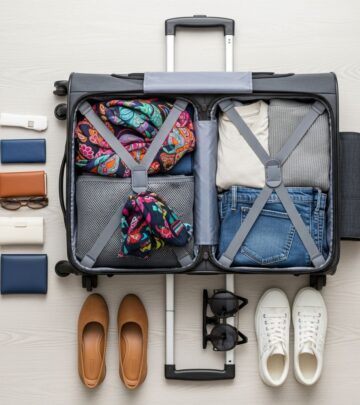
Travel To And From Canada: Complete Guide For 2025
Master border crossings, transportation options, and essential tips for seamless travel to and from Canada on any budget.
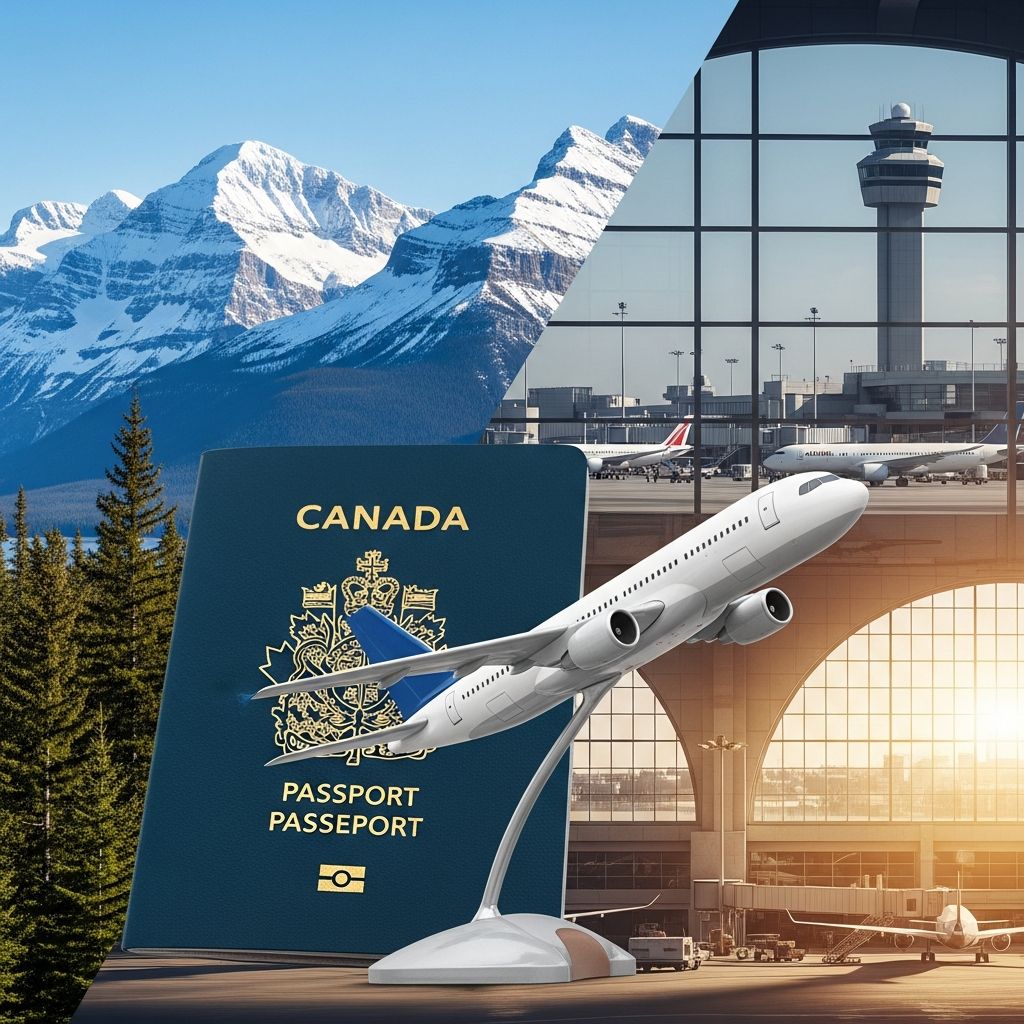
Traveling to Canada from the United States or other countries has become increasingly complex due to enhanced border security measures, but with proper preparation, it’s manageable and rewarding. Canada offers stunning natural beauty, vibrant cities, and friendly people, making it a top destination for millions annually. This guide covers all essential aspects: documentation, driving, flying, trains, buses, ferries, and budget tips to ensure your journey is smooth and cost-effective.
Passport and Documentation Requirements
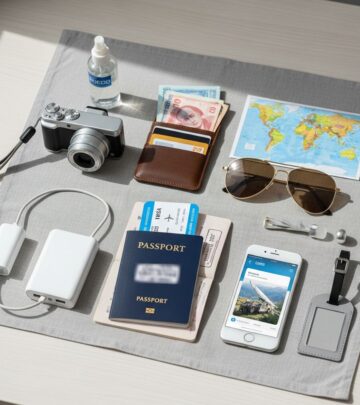
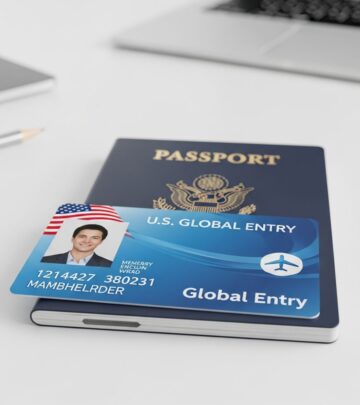
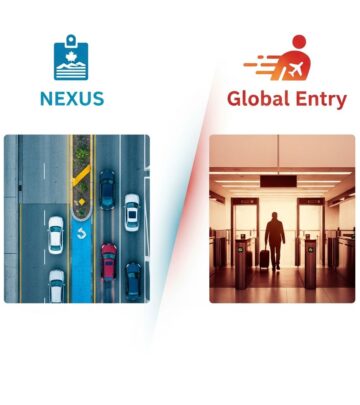
Since 2009, all travelers entering Canada by air, land, or sea from the US must present a valid passport. US citizens previously using birth certificates or driver’s licenses for land/sea entries can no longer do so under the Western Hemisphere Travel Initiative (WHTI). Enhanced Driver’s Licenses (EDLs) or NEXUS cards are accepted alternatives for land and sea borders, speeding up crossings for frequent travelers.
International visitors need passports valid for at least six months beyond their stay. Visas are required for citizens of many countries; check the Government of Canada’s visa requirements page. Proof of onward travel and sufficient funds may be requested at entry. Children under 16 traveling with one parent should carry consent letters from the absent parent to avoid delays.
- US Citizens: Passport book for air; EDL/NEXUS for land/sea.
- Canadians: Same rules apply when re-entering Canada.
- Minors: Birth certificates and parental consent mandatory.
Driving to and from Canada
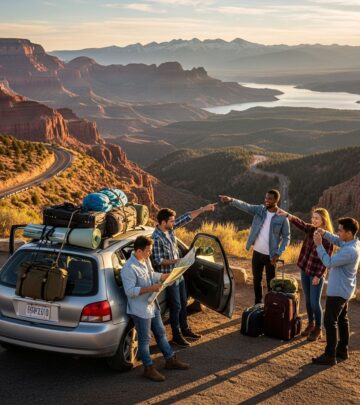
Driving across the US-Canada border is popular due to flexibility and scenic routes. Major crossings like Detroit-Windsor, Buffalo-Fort Erie, and Blaine-Surrey handle heavy traffic. Expect waits of 30 minutes to hours, especially weekends and holidays. Use the Border Wait Times app for real-time updates.
Vehicle requirements: Ensure insurance covers Canada (most US policies do), carry proof, and have a valid driver’s license. Rentals from the US can cross if permitted by the agency; confirm fees. Quebec requires French signage knowledge or GPS.
| Crossing | Location | Average Wait | Tips |
|---|---|---|---|
| Peace Bridge | Buffalo, NY – Fort Erie, ON | 20-60 min | Avoid peak hours; use SENTRI lanes if eligible. |
| Ambassador Bridge | Detroit, MI – Windsor, ON | 30-90 min | Trucks prohibited; passenger vehicles only. |
| Whirlpool Rapids | Niagara Falls, NY – ON | 15-45 min | Scenic views; toll bridge. |
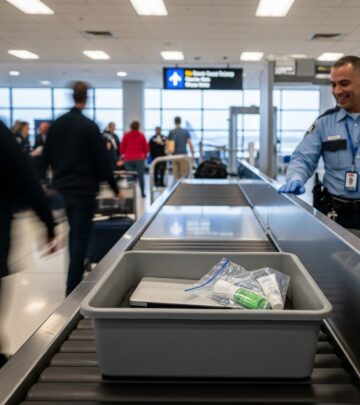
Prohibited items: Firearms need declaration and permits; fresh fruits, meats, and plants are restricted to prevent pests. CBSA (Canada Border Services Agency) fines for undeclared goods can reach CAD 1,300. Marijuana is legal in Canada but illegal to bring across borders.
Flying into Canada
Air travel is the fastest option, with major hubs in Toronto (YYZ), Vancouver (YVR), Montreal (YUL), and Calgary (YYC). Airlines like Air Canada, WestJet, Delta, and United offer direct flights from US cities. Budget carriers like Porter Airlines serve shorter routes affordably.
US Preclearance at eight Canadian airports (e.g., Toronto, Vancouver) allows US customs before departure, streamlining re-entry. Book early for deals; expect CAD 100-300 one-way from major US hubs. Advance Passenger Information (API) must be submitted 72 hours prior.
- Budget Tips: Use Google Flights for deals; fly mid-week.
- Layovers: Toronto Pearson is efficient with US preclearance.
- COVID Note: As of 2026, check for any travel restrictions via official sites.
Train Travel: VIA Rail and Amtrak
For scenic journeys, VIA Rail connects major cities, though slower than driving or flying. The Toronto-Montreal route is quick (4-5 hours); cross-country like The Canadian (Toronto-Vancouver) takes 4 days, ideal for rail enthusiasts. Amtrak’s Adirondack (NYC-Montreal) and Maple Leaf (NYC-Toronto) cross borders seamlessly.
Book in advance for sleeper cars; economy is budget-friendly at CAD 100-200 per segment. NEXUS expedites border checks on trains. Downsides: Delays common due to freight priority.
Bus Services: Greyhound and Alternatives
Buses are economical for short hauls. Greyhound (now FlixBus in parts) links US cities to Canadian borders, e.g., NYC to Toronto (8-10 hours, ~USD 50). Megabus and GO Transit offer cheap intra-Canada options.
Border buses require passport checks; luggage scanned. Pros: Wi-Fi, outlets; cons: long drives. For Rockies, consider local shuttles like Brewster Express.
Ferries and Cruise Options
Ferries connect Vancouver Island (Tsawwassen-Swartz Bay, 90 min, CAD 20) and US Gulf Islands. BC Ferries reservations essential in summer. Cruises from Seattle to Vancouver (one-way) via Princess or Holland America include Alaska itineraries.
High-speed ferries like Victoria Clipper (Seattle-Victoria, 2.5 hours) bypass land borders.
Money Matters and Tipping
Canada uses CAD; exchange rates favor USD via bank ATMs. Credit cards widely accepted; inform your bank of travel. Tipping: 15-20% in restaurants, CAD 2-5 for taxis, minimal for hotels. No tipping in fast food.
Sales taxes: GST 5% + PST/HST (up to 15%). Duty-free allowances: CAD 200 alcohol, 200 cigarettes.
Getting Around Once in Canada
Rent cars for rural areas (CAD 40-80/day); public transit excels in cities (Vancouver SkyTrain, Toronto TTC, Montreal Metro). Rideshares like Uber available nationwide. For national parks, shuttles like Parks Canada hop-ons.
Bike shares in cities; VIA Rail passes for multi-city hops.
Common Mistakes to Avoid
- Forgetting passports or declarations.
- Driving without insurance proof.
- Undeclared food/gifts over limits.
- Ignoring wait times or peak seasons.
- Not checking vehicle restrictions (e.g., no fireworks).
Frequently Asked Questions (FAQs)
Do I need a visa to enter Canada?
US citizens and many others don’t, but check via IRCC. eTA required for visa-exempt air travelers (CAD 7).
Can I bring my gun to Canada?
Non-restricted firearms possible with permit; declare all. Prohibited types include handguns for most visitors.
How far in advance to book border crossings?
Monitor waits; NEXUS for priority (USD 50/5 years).
Is French necessary?
Only in Quebec; English suffices elsewhere.
Best time for border crossings?
Early mornings or late evenings; avoid holidays.
Tips for Budget Travelers
Combine buses/trains for savings; house-sit via TrustedHousesitters; camp in parks. Fly into smaller airports like Hamilton (YHM) near Toronto for deals.
References
- Border and Transportation Information — Canada Border Services Agency (CBSA). 2025-01-01. https://www.cbsa-asfc.gc.ca/travel-voyage/td-dv-eng.html
- Travel Documents and Requirements — U.S. Customs and Border Protection (CBP). 2025-12-01. https://www.cbp.gov/travel/us-citizens
- VIA Rail Canada Schedules and Tips — VIA Rail Canada. 2026-01-10. https://www.viarail.ca/en
- Western Hemisphere Travel Initiative (WHTI) — U.S. Department of Homeland Security. 2009-06-01 (landmark rule, still authoritative). https://www.dhs.gov/western-hemisphere-travel-initiative
- Tipping Customs in Canada — Government of Canada Tourism. 2024-05-15. https://travel.gc.ca/travelling/living-abroad/tipping
- US-Canada Border Wait Times — CBP Border Wait Times. 2026-01-12. https://bwt.cbp.gov
- Do You Tip? Tipping Etiquette Around the World — Capital One. 2025-03-20. https://www.capitalone.com/bank/money-management/life-events/do-you-tip/
Similar Articles








Read full bio of Sneha Tete