How to Toilet Train a Cat: Save $165 a Year
Ditch the litter box forever and save thousands over your cat's lifetime with this DIY toilet training guide.
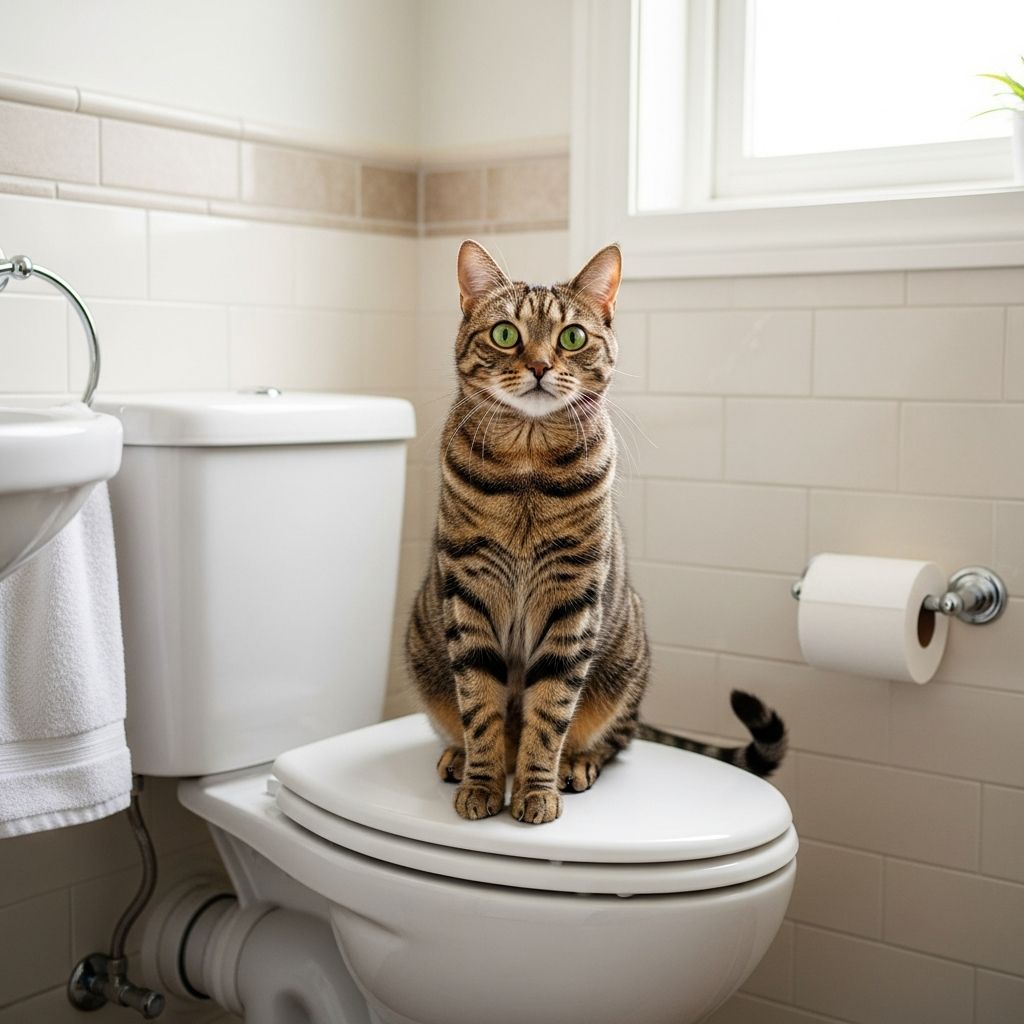
Cat owners know the endless cycle of buying litter, scooping boxes, and dealing with odors. But what if your cat could use the human toilet instead? One couple trained their two cats to do just that, saving hundreds annually and turning it into a fun project. Over a cat’s lifetime, this switch can save $2,000 to $3,000 while eliminating litter box hassles entirely.
This method not only cuts costs but also makes for a cleaner home and a unique party trick, as shared by cat owners Scott and Katie. Their story proves it’s achievable for most cats with patience and the right approach.
Why Toilet Train Your Cat?
Litter expenses add up quickly. The average cat owner spends about $165 per year on litter alone. Multiply that by 12-15 years, and you’re looking at substantial savings. Beyond money, benefits include:
- No more scooping or changing litter boxes.
- Eliminates litter tracking across floors.
- Reduces odors and bacteria risks associated with litter.
- Fewer litter boxes needed—one per cat plus one extra becomes obsolete.
- Easier for multi-cat homes, like Scott and Katie’s townhouse where space was tight.
Scott and Katie faced the challenge of fitting three litter boxes into their 1,200-square-foot home for two cats. Toilet training solved it perfectly.
The DIY Method vs. Commercial Kits
Commercial cat toilet training kits cost $20 to $50 but use fixed hole sizes that may not suit every cat. The DIY approach, costing around $30 in supplies (many household items), allows customization for your cat’s pace.
The core idea: Create a mock litter box that fits inside the toilet bowl. Gradually enlarge a center hole until your cat balances on the seat and goes directly into the water.
Supplies Needed for DIY Toilet Training
| Item | Purpose | Estimated Cost |
|---|---|---|
| Duct tape | Securing layers | $5 |
| Padded or wooden toilet seat | Comfort for cat’s paws | $15 |
| Litter box and scoop | Initial training base | $10 (reuse existing) |
| Flushable cat litter | Non-clumping, water-soluble | $10 |
| Smell remover | Cleaning accidents | $5 |
| Cat treats | Positive reinforcement | $3 |
| Step/stool | Helps shorter cats reach seat | $10 (optional) |
| Aluminum roasting pan or Sitz bath | Main training tray | $5-10 |
| Dremel tool (optional) | Precise hole enlargement | $20 (if needed) |
Total upfront: Under $30 for most. An auto-flusher (like public restrooms) can be added later for convenience, flushing automatically after use without spiking water bills.
Step-by-Step Guide to Toilet Training Your Cat
The process mimics natural litter habits while transitioning to the toilet. Patience is key—cats need time to adapt to balancing over water.
- Prepare the space: Confine training to a bathroom or kitchen with easy-clean floors like linoleum. Remove carpet risks.
- Set up the mock litter box: Place an aluminum roasting pan or Sitz bath inside the toilet bowl, filled with flushable litter. Secure with duct tape.
- Introduce the setup: Place your cat’s regular litter box nearby. Encourage use of the toilet tray with treats.
- Gradually raise: Stack litter boxes or add platforms to mimic toilet height. Reward successes.
- Enlarge the hole: Start with a small center hole (coin-sized). Increase slowly—pea, then quarter-sized—using Dremel for precision. Go at your cat’s comfort pace, not fixed increments.
- Transition to seat: Once hole is toilet-sized, cat stands on seat. Use padded seat for paw comfort.
- Teach flushing (optional): Reward after they jump down; install auto-flusher if desired.
- Clean accidents: Use smell remover to erase scents, preventing regressions.
Positive reinforcement with treats is crucial. Never punish accidents— they happen, especially early on.
How Long Does It Take?
Training duration varies. Scott and Katie’s cats, Jake and Riker, took about 1.5 months—Jake faster, Riker slower. Some cats master it in 2 weeks; others up to 12 weeks.
- Fast learners: Kittens or adaptable adults (2-4 weeks).
- Average: 4-8 weeks with daily sessions.
- Slower cats: Seniors or finicky ones (8-12 weeks).
Factors: Age, personality, consistency. Cats are agile balancers, so seat stability isn’t an issue.
Tips for Success from Real Cat Owners
Scott and Katie shared their DIY journey via a DVD “Scoop No More!” after online info was scattered. Key advice:
- DIY for flexibility—adjust hole size to avoid stress.
- Two-cat households: Train one at a time if needed.
- Fun project: They filmed videos, making it a bonding experience.
- Post-training: No litter bill hike noticed; water stays cheap.
- Encouragement: “It’s worthwhile, fun, cheap to try, and saves money.”
Challenges: Accidents (expected), space in small homes. Rewards: Cleaner life, big savings.
Potential Challenges and Solutions
| Challenge | Solution |
|---|---|
| Accidents during training | Confine to easy-clean area; use smell remover; reward positives only. |
| Cat refuses toilet height | Use step stool; gradual elevation with stacked boxes. |
| Hole too big too soon | DIY allows slow increments; monitor comfort. |
| Multi-cat home | Train separately; ensure all access toilet. |
| Balancing issues | Padded seat; cats’ natural agility helps. |
Cost Savings Breakdown
Annual litter: $165. Lifetime (15 years): $2,475. DIY setup: $30 one-time. Net savings: Massive, plus time saved scooping.
Frequently Asked Questions (FAQs)
Can any cat be toilet trained?
Most cats can, especially young or adaptable ones. Seniors may take longer but succeed with patience.
Is it hard for cats to balance on the toilet seat?
No—cats are naturally agile. A padded seat adds comfort.
What’s the cheapest way to start?
Use household items like roasting pans and duct tape for under $10 initially.
Will it increase my water bill?
Minimal—a few extra flushes daily. Water is cheap compared to litter.
What if training fails?
Revert to litter box anytime. Many succeed on retry with more patience.
Ready to Try?
Toilet training transforms cat ownership—saving money, space, and sanity. Like Scott and Katie, start your DIY project today. Share your success stories!
References
- How to Toilet Train a Cat: Save $165 a Year on Kitty Litter — The Penny Hoarder, Dana Sitar. 2016 (original publication; method timeless). https://www.thepennyhoarder.com/save-money/how-to-toilet-train-a-cat/
- American Pet Products Association (APPA) National Pet Owners Survey — APPA. 2023-2024. https://www.americanpetproducts.org/pubs_survey
- Cat Toilet Training Guide — ASPCA Pet Care Resources. 2024. https://www.aspca.org/pet-care/cat-care/cat-behavior
- Litter Costs and Savings Analysis — USDA Economic Research Service (pet spending data). 2025. https://www.ers.usda.gov/data-products
Similar Articles








Read full bio of medha deb