How to Thrift to Save Money: A Guide to Smart Secondhand Shopping
Master thrifting to score unbeatable deals on clothes, furniture, and more while slashing costs and embracing sustainability.
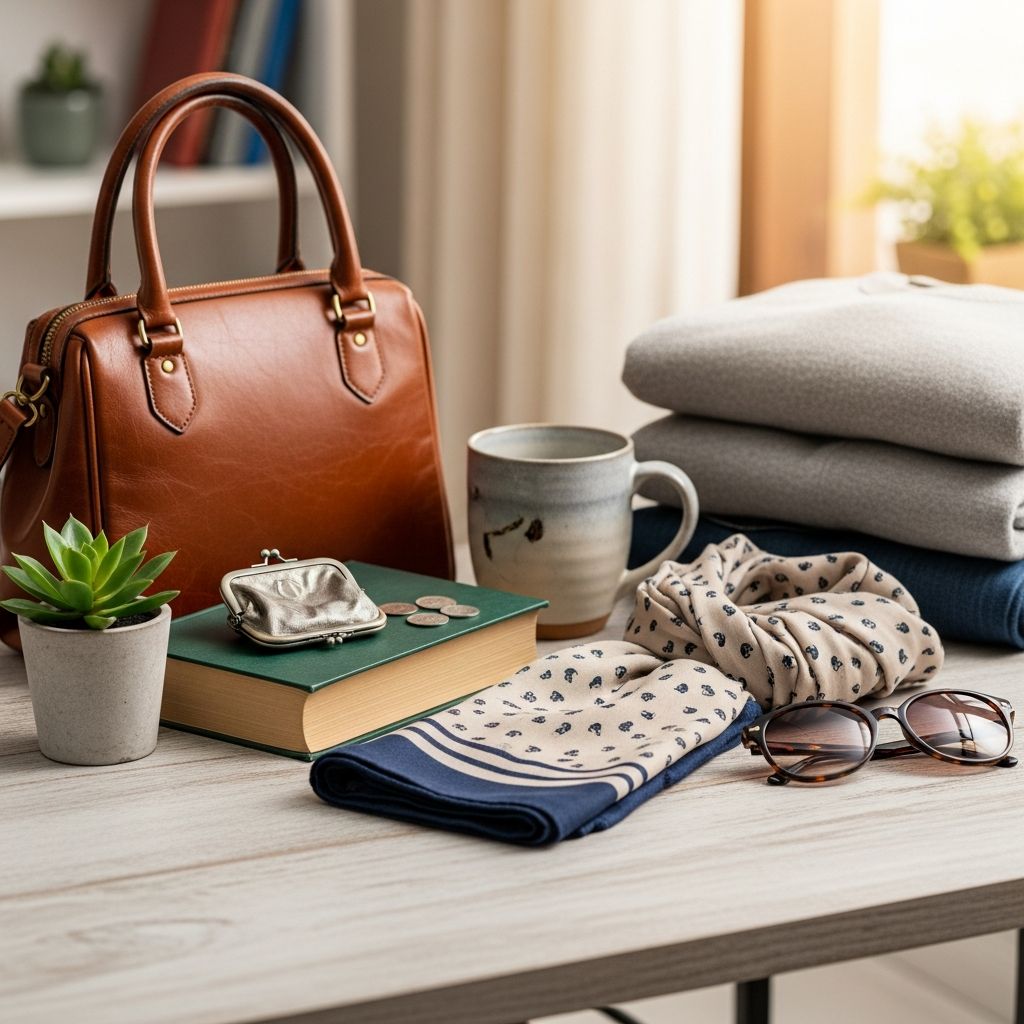
You’ve likely scrolled through TikTok videos of thrifters unboxing jaw-dropping hauls: designer handbags for pennies, sturdy wooden dressers, vintage tees with tags still on, and high-end kitchen gadgets at fraction-of-retail prices. These aren’t rare anomalies—they’re everyday realities in thrift stores nationwide.
In today’s economy, where inflation continues to drive up everyday expenses and potential tariffs loom on imported goods, thrifting isn’t just trendy; it’s a necessity. Recession fears make secondhand shopping a lifeline for budgets stretched thin. Whether you’re dipping your toes into thrifting for the first time or refining your technique as a veteran deal-hunter, this comprehensive guide equips you with proven strategies to maximize savings, uncover hidden gems, and make intentional purchases that benefit your wallet and the environment.
Why Thrifting Is a Smart Way to Save Money
Thrifting delivers unparalleled value by slashing retail prices dramatically. Consider this: a crisp wool blazer retailing for $75 at a department store might land in your cart for just $5 at Goodwill. Over time, these savings compound. Analysis from consumer spending data suggests dedicated thrift shoppers can save around $150 monthly—or $1,800 annually—on clothing and household items alone.
Beyond the immediate discounts, thrifting bypasses hefty retail markups, which can inflate prices by 50-100% or more. Items are frequently in like-new condition, sometimes brand new with tags, spanning categories from cookware and linens to electronics and décor. This approach keeps cash in your pocket while curbing impulse buys at big-box stores.
The environmental upside amplifies the appeal. Fast fashion and disposable goods contribute massively to landfill waste—thrifting supports a circular economy by extending product lifecycles, reducing demand for resource-intensive new manufacturing. For Penny Hoarders, the financial wins are paramount, but the dual benefit of sustainability makes it a no-brainer strategy.
In affluent areas, thrift stores overflow with gently used luxury items donated by households upgrading to the latest trends. Shop strategically by targeting stores in higher-income neighborhoods for designer scores, or family-oriented spots for kids’ gear and toys.
Great Finds at Thrift Stores
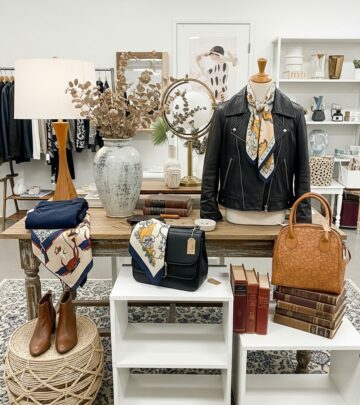
Not all secondhand items are created equal. Focus on high-quality, durable categories where thrifting shines brightest. These pieces often require minimal upkeep and deliver years of use.
- Clothes for everyday, work, or special occasions: Timeless button-downs, jeans, dresses, and suits in excellent shape.
- Solid wood furniture and home décor: Tables, chairs, frames, and lamps that outlast cheap particleboard alternatives.
- Cookware, utensils, and small appliances: Stainless steel pots, knives, blenders, and coffee makers—often barely used.
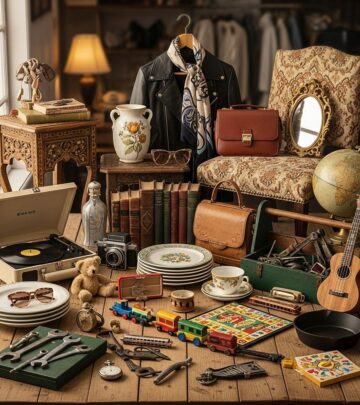
- Books, DVDs, and vinyl records: Extensive libraries at rock-bottom prices for entertainment buffs.
- Toys, board games, and puzzles: Clean, complete sets perfect for kids or family nights.
- Craft and sewing supplies: Fabrics, yarns, patterns, and tools galore.
- Brand-name and vintage fashion: Levi’s, Patagonia, or 80s band tees with character.
- Unopened beauty products: Lotions, shampoos, and makeup from overstocked bathrooms.
- Retro electronics: Turntables, cassette players, and vintage radios for nostalgia seekers.
- Designer items: Purses, shoes, and accessories from labels like Coach or Michael Kors.
Quality trumps perfection—minor flaws like a scuff or loose thread are fixable with basic DIY skills, such as sanding wood or stitching hems, transforming ‘good’ into ‘great’ without extra cost.
How to Thrift Shop for Specific Needs
Thrift stores excel for targeted hunts, whether outfitting for a wedding, refreshing your home office, or stocking a new hobby. Approach with purpose to avoid aimless browsing.
Clothing
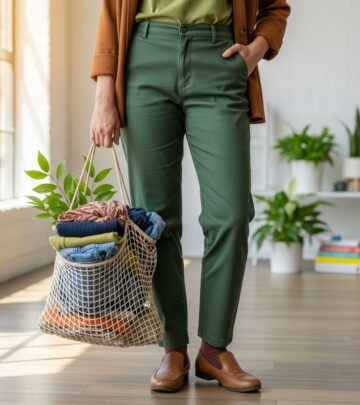
Build a sustainable wardrobe with versatile staples. Opt for classic silhouettes like A-line skirts or straight-leg pants that mix and match endlessly. Shop off-season—summer for winter coats saves up to 70%—and scrutinize tags for hidden designer gems amid the racks. Always try on: vintage sizing differs wildly from modern cuts.
Furniture
Prioritize solid wood over engineered composites, which warp and crumble. Test stability by shaking pieces, opening drawers smoothly, and inspecting joints. A dated dresser? Sand, prime, and paint for a custom refresh costing under $20 in supplies.
Hobbies and Crafts
Raid craft aisles for bargains on yarns, canvases, beads, and patterns—often 90% off retail. Test musical instruments (guitars, ukuleles) or sporting gear (bikes, weights) on-site. Puzzles and games are steals if boxes are intact.
10 Thrifting Tips to Find Quality Items on a Budget
Elevate your game with these pro tactics to unearth treasures while staying under budget.
- Go early on discount days: Arrive at opening for color-tag sales or 50% off events; first dibs mean best selection.
- Inspect meticulously: Hold clothes to light for pinholes/stains; flip furniture for water damage or bugs.
- Try everything on: Bring a tape measure for non-clothing items; fitting rooms confirm fit across brands/eras.
- Check return policies: Some stores credit electronics; others are final-sale—clarify upfront.
- Set a strict budget: Allocate $50 per trip; use cash to curb overspending on ‘deals.’
- Research locations: Upscale areas yield luxury; family zones offer kids’ items.
- Make a list: Inventory gaps (e.g., ‘black pants, wooden shelf’) prevents impulse buys.
- Haggle where possible: Negotiate on Facebook Marketplace or yard-sale-style shops.
- Clean as you go: Minor spot-cleaning at home boosts usability.
- Layer sales: Combine store discounts with coupons for max savings.
| Category | Average Thrift Price | Retail Equivalent | Potential Savings |
|---|---|---|---|
| Blazer | $5-10 | $75 | 85-93% |
| Wood Dresser | $30-50 | $300 | 83-90% |
| Cookware Set | $10-20 | $100 | 80-90% |
| Designer Purse | $15-25 | $400 | 94-96% |
This table illustrates typical savings, underscoring thrifting’s power.
Frequently Asked Questions (FAQs)
Is thrifting really cheaper than buying new?
Yes—savings average $150/month for regulars, equaling $1,800/year, per spending analyses.
What should I avoid buying secondhand?
Skip mattresses, car seats, helmets, and heavily used undergarments due to hygiene/safety risks.
How do I find designer items at thrift stores?
Target affluent neighborhoods; check tags and pockets for overlooked labels.
Are thrift stores sanitary?
Most sanitize donations; inspect and wash items yourself for peace of mind.
Can I thrift furniture for small spaces?
Absolutely—measure first, seek multifunctional pieces like nesting tables.
Thrifting transcends bargain-hunting; it’s a mindful practice fostering intentionality over consumerism. Each find reduces waste, supports local nonprofits (many stores fund charities), and builds a unique style. Amid economic pressures, hitting Goodwill or apps like OfferUp isn’t just smart—it’s empowering. Start small: set a $20 budget this weekend and watch your savings grow.
References
- Consumer Expenditure Survey: Secondhand Goods Purchasing Trends — U.S. Bureau of Labor Statistics. 2024-10-15. https://www.bls.gov/cex/
- National Retail Federation Annual Report on Sustainable Fashion — National Retail Federation. 2025-03-12. https://nrf.com/research
- EPA Report on Municipal Solid Waste: Textiles and Furniture — U.S. Environmental Protection Agency. 2024-11-01. https://www.epa.gov/facts-and-figures-about-materials-waste-and-recycling/textiles-material-specific-data
- Federal Reserve Survey of Consumer Finances: Household Spending on Apparel — Board of Governors of the Federal Reserve System. 2025-06-20. https://www.federalreserve.gov/econres/scfindex.htm
- Thrifting and Circular Economy Impact Study — OECD Environment Directorate. 2024-09-05. https://www.oecd.org/environment/waste/policy-highlights-thrifting-circular-economy.pdf
Similar Articles








Read full bio of Sneha Tete