How to Test Drive a Car: A Complete Guide
Master the art of test driving with our comprehensive guide to evaluating vehicles before purchase.
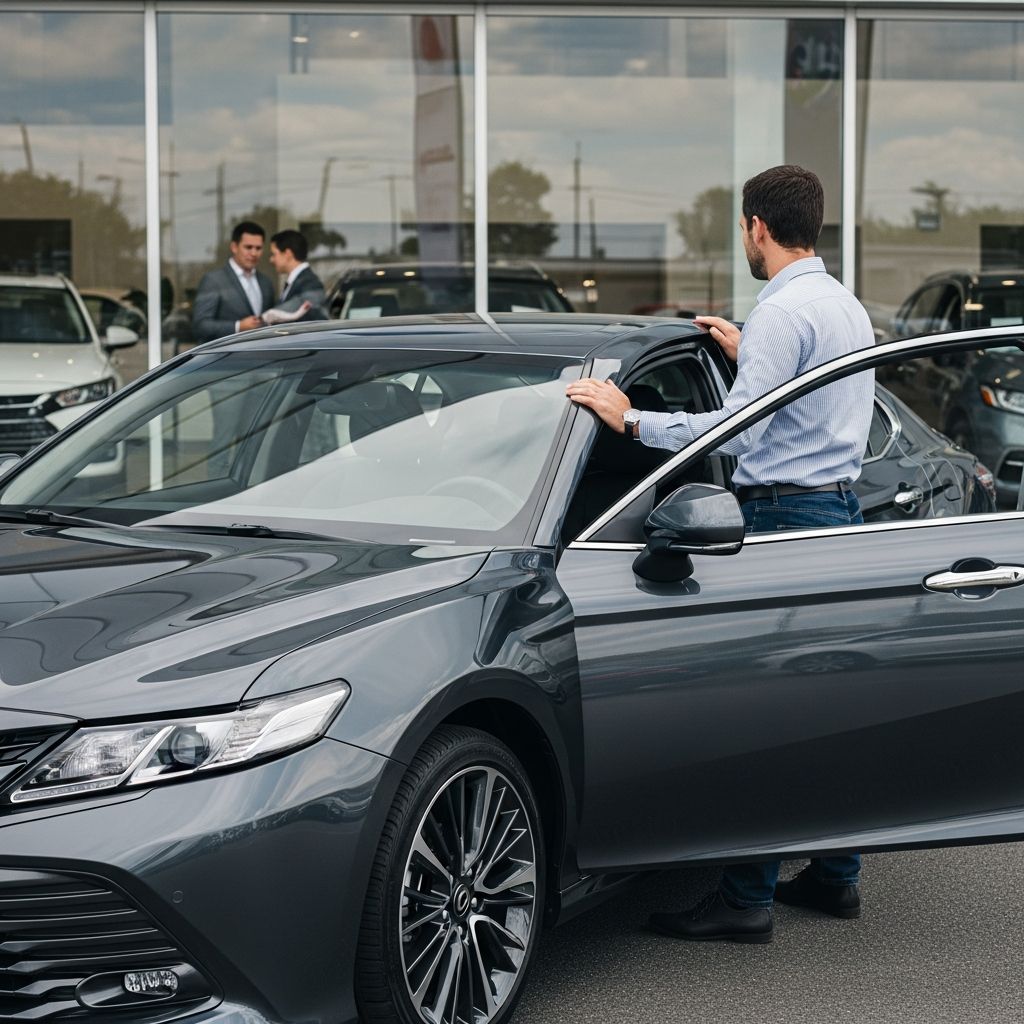
Purchasing a vehicle is one of the largest financial decisions most people will make. Whether you’re buying a new car or a used vehicle, test driving is an essential step in the buying process. A test drive allows you to experience how the car feels, sounds, and performs on the road before making a commitment. This comprehensive guide will walk you through every aspect of test driving, from preparation through post-drive evaluation, ensuring you make an informed decision about your next vehicle.
Before You Schedule Your Test Drive
The foundation of a successful test drive begins long before you get behind the wheel. Taking time to prepare properly will help you maximize your time and ensure you’re evaluating the right vehicles for your needs.
Research the Vehicle
Start by researching the specific make, model, and year of the vehicle you’re interested in. Look up common issues or recalls associated with that particular vehicle to understand what potential problems to watch for during your test drive. Compare prices from multiple sources to ensure you’re getting a fair deal. Check the vehicle’s history report, which can reveal important information about previous accidents, title issues, and maintenance records. Understanding the vehicle’s specifications, features, and typical performance characteristics will help you evaluate it more effectively during the test drive.
Make an Appointment
Contact the dealership or private seller ahead of time to schedule your test drive. This ensures that the vehicle will be available and ready for inspection when you arrive. It also gives the dealer or seller time to prepare the car, which typically includes fueling it and ensuring all features are in working condition. Making an appointment also demonstrates your seriousness as a buyer.
Plan Your Route
Before arriving at the dealership, think about the route you want to take during your test drive. A good test drive route should include various driving conditions: city streets with stop-and-go traffic, highway sections for evaluating acceleration and cruising, curves and turns to assess handling, and if possible, some bumpy or uneven roads to test the suspension.
Pre-Drive Inspection: What to Check Before Starting the Engine
Before you even sit in the driver’s seat, conduct a thorough exterior and interior inspection. This pre-drive evaluation can reveal significant issues that might disqualify the vehicle or give you leverage for negotiation.
Exterior Condition Assessment
Walk around the entire vehicle and inspect it carefully. Look for dents, scratches, rust, or signs of previous damage and repairs. Check that all body panel gaps are even and consistent—uneven gaps may indicate that the vehicle has undergone repairs following an accident. Inspect the windshield and windows for cracks or chips, as these repairs can be expensive. Pay special attention to wheel rash (scrapes on the wheels), which indicates the vehicle may have been driven aggressively or parked carelessly.
Examine the tires thoroughly. Check the tread depth to ensure adequate traction—a penny test can help determine if tread is sufficient. Look for uneven wear patterns, which can indicate alignment issues or improper maintenance. Verify that all tires are the same brand and type, and check that they’re properly inflated according to the specifications on the driver’s side door jamb.
Interior Comfort and Functionality
Slide into both the front and rear seats to assess comfort and adjustability. Can you comfortably adjust the seat to your preferred position? Is the steering wheel adjustable? Are the controls within easy reach? Test all buttons, knobs, and switches to ensure they function properly—including power windows, locks, mirror adjustments, and climate controls.
Inspect the upholstery carefully for tears, stains, or excessive wear that might indicate poor maintenance or hard use. Smell the interior—any unusual odors might indicate hidden problems, previous accidents, or poor maintenance. Check that all seatbelts work properly and adjust comfortably across your shoulder and lap.
Under the Hood Inspection
Open the hood and conduct a basic visual inspection. Check all fluid levels—oil, coolant, brake fluid, and power steering fluid—to ensure they’re at appropriate levels. Look for any signs of leaks or corrosion around hoses and connections. Inspect belts and hoses for cracks, fraying, or signs of wear. Check the battery for corrosion or damage, and ensure it’s properly secured. These indicators can reveal whether the vehicle has been well-maintained.
Documentation Review
Before test driving, review the vehicle’s service history and maintenance records. These documents demonstrate how well the vehicle has been cared for. Check the odometer reading against the car’s age and documented service history to ensure the mileage is consistent. Verify that all necessary documents are present and up-to-date, including the title and registration.
During Your Test Drive: The Dynamic Evaluation
Once you’re satisfied with the pre-drive inspection, it’s time to get behind the wheel and evaluate how the vehicle performs on the road.
Engine Start and Initial Operation
Pay close attention to how the engine starts. Does it turn over quickly and smoothly? Listen for any strange sounds like knocking or ticking. While idling, watch the RPM gauge and ensure readings remain steady. Check for excessive vibrations or unusual smells. Watch for excessive exhaust smoke, which can indicate engine problems. All warning lights should illuminate briefly when you start the engine and then extinguish within a few seconds.
Transmission Performance
For manual transmissions, pay attention to gear changes—they should be smooth without grinding or hesitation. For automatic transmissions, shifts should be seamless without slipping, hesitation, or harsh engagement. The transmission should respond appropriately to your acceleration input without unexpected delays or jerking motions.
Steering and Handling Characteristics
Test the steering wheel for excessive play (movement without the wheels responding) or vibration. Drive straight on a level road and check whether the vehicle pulls to one side—this could indicate alignment issues or brake problems. Assess the car’s responsiveness during turns by taking various curves at different speeds. The steering should feel responsive and controlled, with the vehicle following your intended path.
Braking System Evaluation
During your test drive, apply the brakes gently and firmly at various speeds. The car should slow down smoothly without pulling to one side. Pay attention to how the brakes feel—are they responsive without being too touchy? Listen for any squealing or grinding noises, which might indicate brake pad wear or rotor damage. Test the handbrake (emergency brake) on an incline if possible to ensure it engages properly.
Suspension and Ride Quality
Drive over bumps and uneven surfaces to check the suspension’s performance. The vehicle should absorb bumps smoothly without excessive bouncing. Listen for any knocking or clunking sounds, which could indicate worn suspension components. Press down on each corner of the vehicle if possible—it should rebound to its normal position with minimal bouncing after returning.
Acceleration and Power
Test the car’s acceleration from a complete stop and while already moving at highway speeds. Check for hesitation, misfiring, or lack of power. The acceleration should feel responsive and consistent with the engine size and vehicle weight. Pay attention to how the engine sounds during acceleration—rough or stuttering acceleration can indicate engine problems.
Electronics and Features Testing
Test the air conditioning and heating systems to ensure they function properly and can reach comfortable temperatures. Check all lights, including headlights, turn signals, brake lights, and interior lighting. Test the audio system for radio reception and functionality of additional features like Bluetooth, CD players, or satellite radio. If equipped, test navigation systems, backup cameras, and parking sensors to ensure they work as intended.
Visibility and Safety Features
Adjust the mirrors and assess your visibility from the driver’s seat. Look forward, to each side, and in the rearview mirror to note any blind spots created by door pillars or headrests. Test the windshield wipers and washer system to ensure they function properly and provide adequate visibility.
Noise and Comfort Assessment
Turn off the audio system and listen to noise levels in the cabin. Pay attention to any unusual noises while driving at various speeds. Check for excessive wind noise or road noise, which might indicate poor sealing or window issues. The cabin should feel quiet and comfortable during highway driving.
Parking and Maneuverability
Test the vehicle’s turning radius in a parking lot by making tight turns. Practice parallel parking to assess the ease of maneuvering the vehicle. If the vehicle has power steering, ensure it feels responsive and appropriate for your size and strength.
Post-Drive Evaluation
After completing your test drive, take time to evaluate your experience and gather additional information before making a final decision.
Professional Inspection Consideration
If you’re seriously interested in purchasing the vehicle, consider having a trusted mechanic perform a thorough independent inspection. A professional can identify mechanical issues that aren’t obvious during a test drive and can provide an honest assessment of the vehicle’s condition and potential repair needs. This investment can save you from purchasing a vehicle with hidden problems.
Request Vehicle History Documentation
Get the vehicle identification number (VIN) and request a comprehensive vehicle history report. This report provides information about previous ownership, accident history, title issues, and service records that can significantly impact your purchasing decision.
Comparing Multiple Vehicles
If you’ve test-driven multiple vehicles, compare your experiences. Consider creating a pros and cons list for each car you’ve driven. This organized comparison makes it easier to identify which vehicle best meets your needs, preferences, and budget.
Key Considerations Table
| Inspection Area | Key Things to Check | Red Flags to Watch For |
|---|---|---|
| Exterior | Paint, dents, rust, tire condition, glass | Uneven panel gaps, excessive rust, bald tires |
| Interior | Seat comfort, controls, upholstery, odors | Torn seats, unusual smells, broken controls |
| Engine | Fluid levels, hoses, battery condition | Leaks, corrosion, low fluid levels |
| Driving Dynamics | Steering, brakes, acceleration, handling | Pulling, grinding brakes, poor acceleration |
| Features | Climate control, lights, audio, wipers | Non-functional systems, poor reception |
Frequently Asked Questions About Test Driving
Q: How long should a test drive typically last?
A: A comprehensive test drive should last at least 15-20 minutes. This allows you sufficient time to evaluate various driving conditions, including city streets, highways, turns, and emergency stops. Shorter test drives may not give you enough time to thoroughly assess the vehicle’s performance and comfort.
Q: What should I wear when test driving a car?
A: Wear comfortable clothing and shoes that allow you to work the pedals freely. Avoid overly loose clothing that might interfere with controls. Comfortable, closed-toe shoes are ideal for operating the brakes and accelerator safely and effectively.
Q: Should I test drive a car in different weather conditions?
A: If possible, yes. Testing a vehicle in rain can reveal windshield wiper effectiveness and visibility issues. However, always prioritize safety and avoid test driving in severe weather conditions.
Q: Can I bring someone with me on a test drive?
A: Most dealerships allow one passenger. Having a trusted friend or family member accompany you can provide a second opinion and help you notice details you might miss. However, ensure the passenger doesn’t distract you from focusing on the vehicle’s performance.
Q: What should I do if I notice a problem during the test drive?
A: Note the problem and ask the dealer or seller about it. Document issues you discover and use them in negotiations. If problems are significant, consider having a professional mechanic inspect the vehicle before proceeding with purchase.
Q: Is it acceptable to decline test driving a vehicle?
A: Absolutely. If the vehicle shows obvious signs of poor maintenance or damage during the pre-drive inspection, you have every right to decide against test driving it. Trust your instincts and don’t feel pressured to drive a vehicle that concerns you.
References
- The Ultimate Checklist for Test-Driving a Used Car — Avalon Motor Company. Accessed November 29, 2025. https://www.avalonmotorco.com/blog/the-ultimate-checklist-for-test-driving-a-used-car
- Test Drive Checklist — autopom!. Accessed November 29, 2025. https://autopom.com/test-drive-checklist/
- Test-Driving a Car: A Checklist — Kelley Blue Book. Accessed November 29, 2025. https://www.kbb.com/car-advice/test-driving-car-checklist/
- What to Look for When Test Driving a Used Vehicle — Auto Simple by DealerFire. Accessed November 29, 2025. https://tt-blogs.dealerfire.com/autosimple/what-to-look-for-when-test-driving-a-used-vehicle/
- What to Look for When Buying a Used Car — CARFAX. Accessed November 29, 2025. https://www.carfax.com/buying/test-drive-car
- How to Test-Drive a New or Used Car — Consumer Reports. Accessed November 29, 2025. https://www.consumerreports.org/cars/buying-a-car/how-to-test-drive-a-new-or-used-car-a4558551981/
- How to Test-Drive a Car — Edmunds. Accessed November 29, 2025. https://www.edmunds.com/car-buying/how-to-test-drive-a-car.html
Similar Articles








Read full bio of Sneha Tete