5 Sneaky Ways to Spot a Fake Amazon Review
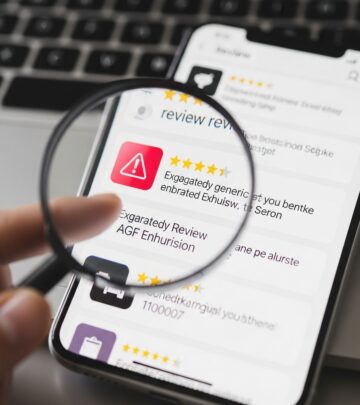
Companies are getting savvier about creating fake reviews, and we're all paying the price. Here are five ways to tell if an Amazon review is fake.
If you’ve come to rely on the convenience of one-click shopping, you probably rely on Amazon reviews to make a lot of purchasing decisions. But with companies increasingly using sophisticated methods to generate fake reviews, distinguishing genuine feedback from paid hype has become crucial for savvy shoppers.
The rise of fake reviews poses a real risk: customers waste money on subpar or unsafe products, while honest sellers struggle to compete. According to a 2021 research paper, about one-third of detected fake reviews linger on Amazon for over 100 days before removal, allowing plenty of time for misguided purchases.
How Fake Reviews Are Created Today
Companies have evolved beyond obvious bot-generated text or poorly written reviews from non-English speakers, which Amazon’s algorithms now easily detect. Instead, they recruit reviewers through private Facebook groups, offering full PayPal refunds after a verified purchase in exchange for glowing five-star feedback—often requiring photos or videos for authenticity. Roughly 15% sweeten the deal with commissions.
These ‘review clubs’ ensure ‘Verified Purchase’ tags, making fakes harder to spot. Services even sell batches of reviews, complicating Amazon’s detection since purchases are real. This undermines trust: one analysis estimates up to 42% of Amazon reviews may be fake. Legally, undisclosed incentivized reviews violate FTC guidelines requiring transparency.
While Amazon removes many fakes eventually, the lag—over 100 days on average—means shoppers must arm themselves with detection strategies. There’s no perfect method, but combining these five tactics dramatically improves your odds.
How to Tell if Amazon Reviews Are Fake
These proven methods help cut through the noise. Start with tools, then scrutinize patterns in ratings, language, and timing.
1. Use a Review Analysis Tool Like Fakespot
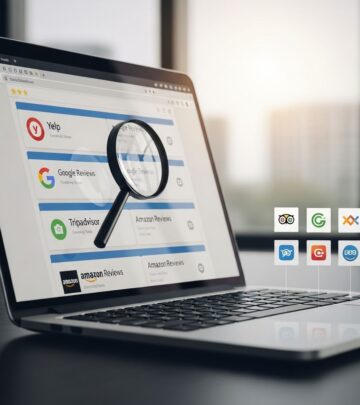
The smartest first step is leveraging free tools like Fakespot, which analyzes reviews across Amazon, eBay, Walmart, and more using AI to detect patterns of deception. It assigns a letter grade (A-F) to review reliability, not product quality—so an ‘A’ means trustworthy feedback, while ‘F’ signals heavy faking.
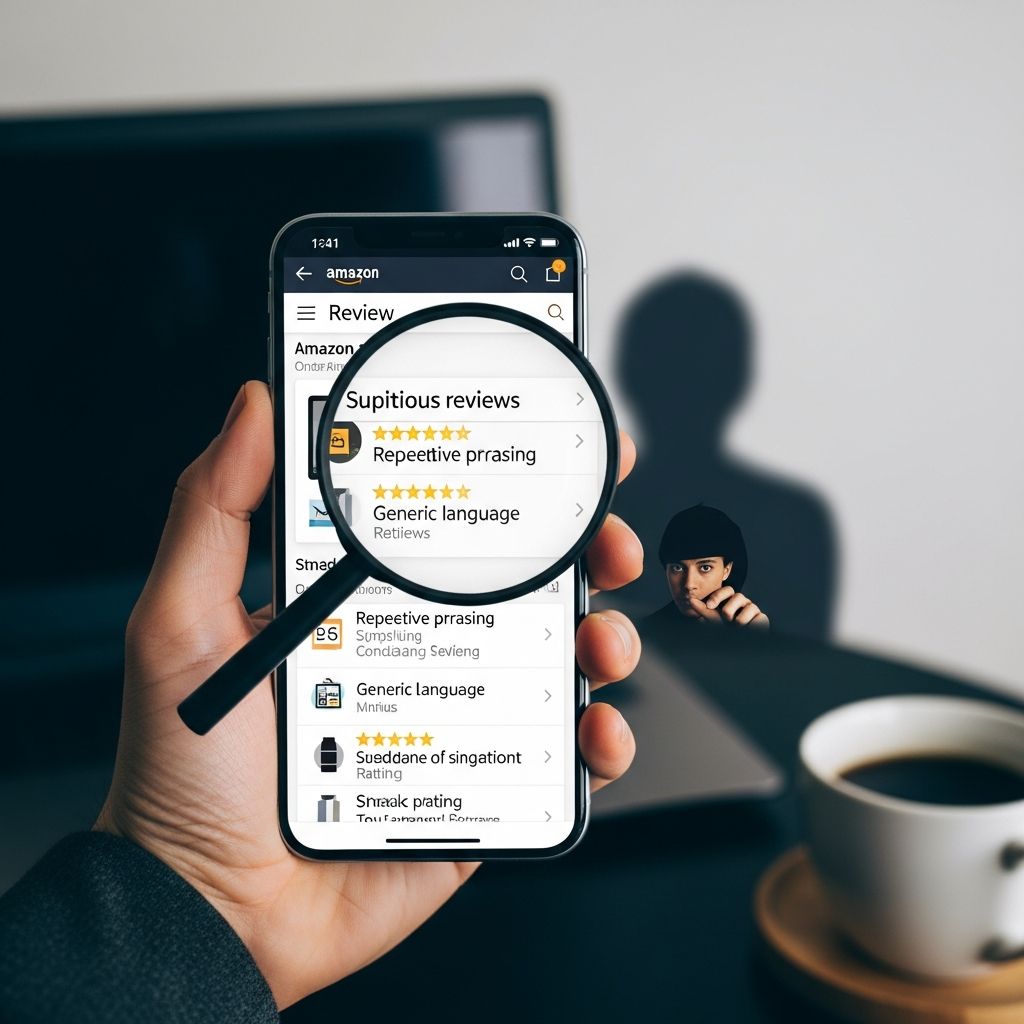
Paste the product URL into Fakespot.com; it scans for repetitive phrasing, reviewer overlap, or unnatural positivity. For example, if 80% of reviews share suspiciously similar wording, the grade tanks. Studies back this: network analysis reveals fake review networks by tracing reviewer connections.
- Pro Tip: Cross-check with ReviewMeta.com for a second opinion; both flag ‘suspicious’ reviews deleted by Amazon.
- Why It Works: Algorithms spot human subtleties bots miss, like coordinated posting.
2. Look for Product Reviews With 2, 3 or 4 Stars
Paid campaigns target extremes: five-stars to boost, one-stars to sabotage rivals. Genuine nuance lives in 2-4 star reviews, offering balanced pros/cons from real users.
Skip all-five-star products; seek detailed middling feedback. If negatives are sparse amid hype, dig deeper—those might be the truthful gems.
| Star Rating Pattern | Red Flag? | Why |
|---|---|---|
| Mostly 5-stars + few 1-stars | Yes | Paid positives, real negatives from disappointed buyers |
| Balanced 2-4 stars with details | No | Authentic user experiences |
| Sudden 5-star flood | Yes | Coordinated campaign |
Don’t over-rely on averages: a 4.9-star vitamin with 5,000 reviews caused side effects for multiple users, hidden in rare negatives.
3. Read Reviews for Specific, Helpful Details
Real reviews describe unique experiences; fakes are generic: “Great product! 5 stars.” or “Love it!” Look for specifics like fit, durability, or usage scenarios.
Short, vague positives scream paid. Legit ones explain why—e.g., “Battery lasted 8 hours during camping, but charging is slow.” Photos/videos add credibility, now often faked but still rarer in scams.
- Green flags: Measurements, comparisons, personal anecdotes.
- Red flags: Repetitive phrases, identical images, or ‘bought for review’ slips.
4. Check Reviewer History and Patterns
Dig into profiles: New accounts with only 5-star reviews on unrelated items? Suspicious. Seasoned reviewers mixing 1-5 stars across categories are trustworthy.
Pattern-spot: Reviewers hitting multiple similar products simultaneously suggests groups. Tools like Fakespot quantify this ‘reviewer reliability’ score.
5. Use the Timestamp Filter
Switch to ‘Most Recent’ or sort by date: Fake bursts hit in days/weeks as groups activate. Compare to product launch—pre-release raves? Impossible.
A Wall Street Journal probe found pre-launch hype for unreleased gadgets. Floods of 5/1-stars in tight windows confirm coordination.
Additional Tips to Avoid Fake Review Traps
Beyond the core five:
- Prime Eligibility: Newer, non-Prime products often have inflated reviews from campaigns.
- Price Spikes: Cheap items with thousands of reviews? Likely farmed.
- Amazon’s Own Badges: ‘Top Reviewed’ can still hide fakes; verify manually.
- Vine Program: Amazon’s legit free-product reviewers disclose; avoid undisclosed ‘freebie’ claims.
For sellers, bulk negatives signal ‘review bombing’—report via Seller Central. Consumers, report suspects via Amazon’s ‘Report Abuse’ button.
Frequently Asked Questions (FAQs)
What percentage of Amazon reviews are fake?
Estimates vary, but one analysis pegs it at 42%; sophisticated methods evade quick detection.
Is ‘Verified Purchase’ reliable?
No—fakers buy legitimately, often refunded post-review.
Can I get free stuff for Amazon reviews?
Amazon Vine offers free products for honest reviews with disclosure. Avoid shady clubs violating FTC rules.
How does Amazon combat fakes?
AI deletes ~33%, but 100+ day lags persist. They ban offenders, but underground groups adapt.
Are fake reviews illegal?
Undisclosed paid reviews breach FTC endorsement guidelines and platform policies. Platforms like the US/UK/EU regulate deceptive advertising.
Why This Matters: Protect Your Wallet
Fake reviews cost billions yearly in bad buys. A Rochester researcher returned a hyped 4.9-star vitamin after side effects echoed in honest lows. By applying these tactics, you reclaim control, ensuring purchases match reality.
Stay vigilant—review integrity affects us all. Tools evolve, but human skepticism remains key.
References
- 5 Sneaky Ways to Spot a Fake Amazon Review — The Penny Hoarder. 2021-01 (approx.). https://www.thepennyhoarder.com/save-money/how-to-tell-if-amazon-reviews-are-fake/
- How Fake Amazon Reviews REALLY Work – I Tried — YouTube (Seller Labs). 2020 (approx.). https://www.youtube.com/watch?v=Z56RpdPsQGU
- Fake reviews on online platforms: perspectives from the US, UK and Australia — PMC/NCBI (peer-reviewed). 2021-07-16. https://pmc.ncbi.nlm.nih.gov/articles/PMC8294234/
Similar Articles








Read full bio of Sneha Tete