How to Switch Car Insurance: Complete Guide
Master the art of switching car insurance with our comprehensive step-by-step guide to save money and get better coverage.
How to Switch Car Insurance: A Complete Guide
Switching car insurance can seem daunting, but it doesn’t have to be complicated. Whether you’re looking to save money, get better coverage, or simply improve your customer experience, switching insurance providers is a straightforward process when you follow the right steps. This comprehensive guide will walk you through everything you need to know about changing car insurance companies, ensuring you maintain continuous coverage and find the best rates for your situation.
Why You Should Consider Switching Car Insurance
Many drivers stay with the same insurance company for years without realizing they could be paying significantly less elsewhere. Insurance companies frequently offer better rates to new customers, and your current insurer may not be providing the best value for your coverage needs. By switching, you have the opportunity to reassess your coverage, take advantage of available discounts, and potentially save hundreds of dollars annually.
Additionally, life changes such as purchasing a new vehicle, moving to a different location, adding a teen driver to your policy, or improving your driving record can make switching an ideal time to reevaluate your insurance needs and find better options that align with your current situation.
Step-by-Step Guide to Switching Car Insurance
Step 1: Evaluate Your Current Coverage and Needs
Before you start shopping for new insurance, take time to thoroughly review your current policy. Understand what coverage you have, including liability, collision, comprehensive, and any optional coverages. Check your deductibles, coverage limits, and premium costs. This foundation will help you make accurate comparisons when obtaining quotes from other providers.
Consider your driving habits, vehicle type, and any changes in your personal circumstances that might affect your coverage requirements. If you’ve improved your driving record, gotten married, or made other changes, these factors could influence your new rates and the coverage you need.
Step 2: Gather Necessary Information
To streamline the quote process, have the following information ready:
- Driver’s license
- Vehicle identification number (VIN)
- Current policy declarations page
- Driving history details (accidents, violations, mileage)
- Details about any additional drivers or vehicles
Having this information readily available will allow you to receive accurate quotes quickly from multiple insurance providers.
Step 3: Collect and Compare Quotes
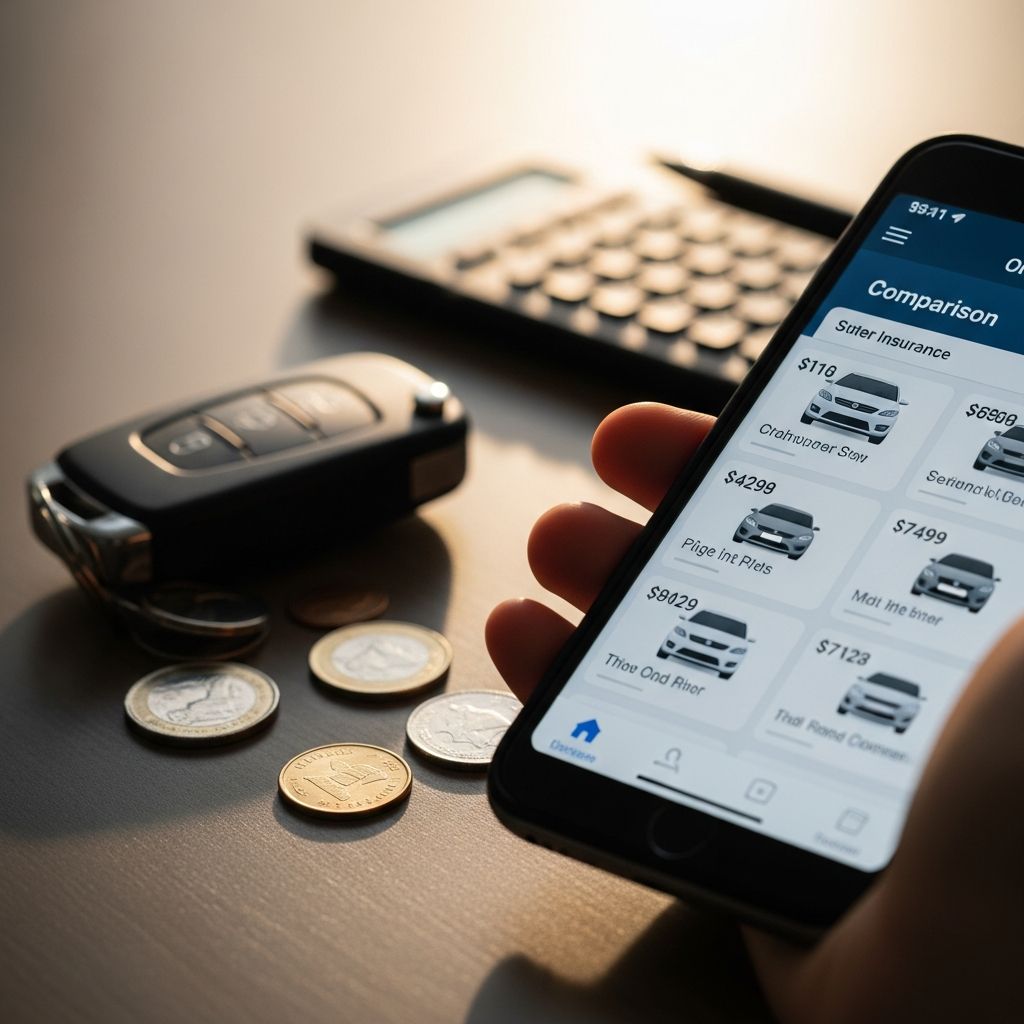
Shop around and collect quotes from at least three to five different insurance companies. When comparing quotes, don’t focus solely on the premium price. Instead, compare the coverage options, deductibles, coverage limits, and additional benefits like roadside assistance. Make sure you’re comparing the same coverage levels across all quotes to get a true picture of which company offers the best value for your needs.
Remember that the lowest premium doesn’t always mean the best deal. If one quote has higher coverage limits or lower deductibles, it may cost more but also provides better protection. Take time to balance cost with coverage.
Step 4: Research Insurance Companies
Before making your final decision, research the companies you’re considering. Read customer reviews focusing on claims handling, processing speed, reputation, and customer service quality. Check the National Association of Insurance Commissioners (NAIC) website for any complaints or regulatory issues. Choosing a reliable company ensures that when you need to file a claim, the process goes smoothly.
Step 5: Look for Available Discounts
Many insurers offer various discounts that can significantly reduce your premiums. Common discounts include:
- Safe driving discounts
- Bundle discounts (combining auto with home or other policies)
- Loyalty discounts
- Good student discounts
- Safety feature discounts
- Low mileage discounts
Ask about these discounts when getting quotes, as they can make a substantial difference in your final cost.
Step 6: Contact Your Current Insurer
Before you finalize your switch, consider contacting your current insurance company. Let them know you’re considering moving to another provider. Many companies will make a counteroffer or match competitors’ rates to retain your business. This could result in better rates without switching.
Step 7: Time Your Switch Carefully
Timing is crucial when switching car insurance. The key is ensuring your new policy starts before your old policy ends to avoid any gaps in coverage. Schedule your new insurance to begin on the same day your current policy ends, or even a day before if possible. Any lapse in coverage can result in serious consequences, including driving without insurance, which could lead to license suspension, fines, or difficulty obtaining insurance in the future.
Step 8: Purchase Your New Policy
Once you’ve decided on an insurance company and start date, purchase your new policy. Review the quote carefully and confirm all the coverage details before finalizing. Obtain proof of insurance immediately and verify that your declarations page shows all the requested coverages correctly.
Step 9: Cancel Your Old Policy Properly
After your new policy is active, notify your current insurance company in writing to cancel your existing policy. Specify the exact cancellation date and request confirmation in writing. Ask about any cancellation fees and whether you’ll receive a refund for unused premiums. Keep this confirmation to avoid unexpected automatic renewals or additional charges.
Step 10: Update Your Insurance Information
Download your new digital ID card immediately and keep it accessible on your phone. If you financed or leased your vehicle, notify your lender and send them proof of your new insurance. If your state requires it, update your information with the Department of Motor Vehicles. Review your new policy regularly to stay on top of renewal dates and any special conditions or fees.
Things to Consider Before You Switch
Understand Your Current Coverage
Review your existing policy’s terms carefully to understand what’s included in your coverage. Most policies include liability coverage, collision coverage, comprehensive coverage, and various optional coverages. Knowing what you have ensures you don’t accidentally reduce your protection when switching to a new provider.
Compare Benefits and Costs
The cheapest option isn’t always the best choice. Compare deductibles, coverage limits, roadside assistance, and other features across different quotes. Matching coverages across quotes gives you a clear picture of which company offers the best option for your specific needs and budget.
Check for Early Cancellation Fees
Review your current policy for any early cancellation fees. Some insurers charge a fee if you cancel before your policy term ends. However, even with a cancellation fee, you might still save money by switching to a cheaper provider.
Review Your Driving Record
Your driving record significantly impacts your insurance rates. Before switching, check your driving record for any errors or outdated information. If you’ve had a recent accident or violation, know that this will affect your new quotes. However, as violations age, they have less impact on your rates.
When Is the Best Time to Switch Car Insurance?
At Renewal Time
The easiest time to switch is at your policy renewal date. At renewal, you typically won’t face cancellation fees since you’re not ending your policy early. This is the most convenient time to shop around and make the switch.
After Major Life Events
Significant life changes are excellent opportunities to reevaluate your insurance needs. These events include:
- Purchasing a new vehicle
- Moving to a different location
- Adding a teen driver to your policy
- Getting married or divorced
- Improving your driving record
- Retirement or changes in mileage
Anytime You Want
In most states, you can switch car insurance at any time, even mid-policy. However, be sure to weigh the benefits against possible penalties, such as cancellation fees. Visit your state insurance commissioner’s website through the National Association of Insurance Commissioners (NAIC) for state-specific information about switching policies.
Avoiding Coverage Gaps During the Switch
One of the most critical aspects of switching car insurance is ensuring continuous coverage. A gap in coverage means you’re driving without insurance, which is illegal in most states and can result in serious consequences. To avoid gaps:
- Always purchase your new policy before canceling the old one
- Schedule your new policy to start on the same day your current policy ends
- Keep documentation of both policies during the transition
- Verify that your new coverage is active before your old policy ends
- Update your proof of insurance immediately
Special Considerations for Financed or Leased Vehicles
If you finance or lease your vehicle, your lender has a financial interest in protecting the asset. Your lender likely requires you to maintain specific coverage types and limits. When switching insurance, notify your lender about the change and provide proof of your new insurance coverage. Some lenders may require that you add them as an interested party to your policy. Failing to maintain the required coverage could result in forced insurance placement, where the lender purchases insurance on your behalf at a much higher cost.
Frequently Asked Questions About Switching Car Insurance
Can you switch car insurance at any time?
Yes, you can usually switch car insurance at any time, whether your policy is brand new or several months old. However, be aware that canceling mid-policy may result in a cancellation fee, depending on your insurer and state regulations. The fee is usually minimal, and you might still save money by switching to a cheaper provider.
Will I lose coverage during the switch?
No, as long as you schedule your new policy to begin before your old one ends, you’ll maintain continuous coverage. Proper timing is essential to avoid any gaps in protection.
Will switching affect my premium?
Switching can affect your premium, but typically in a positive way. Different insurers use different rating factors, so you may get lower premiums or access to better discounts with a new company. Always compare coverage carefully to ensure you’re not sacrificing important protections for a lower price.
Do all insurance companies charge cancellation fees?
Not all insurers charge cancellation fees. Some companies waive these fees entirely, while others may charge a small administrative fee. Check your current policy terms or contact your insurer directly to find out what you’ll owe if you cancel early.
What documents do I need when switching?
You’ll need your driver’s license, vehicle identification number (VIN), current policy declarations page, and details about your driving history. Having your lender’s information is also helpful if you finance or lease your vehicle.
Should I cancel my old policy before getting a new one?
Never cancel your old policy before purchasing a new one. Always ensure your new policy is active and in effect first. This guarantees continuous coverage and protects you legally.
How long does the switching process take?
The process can be completed in a few hours to a few days, depending on how quickly you gather information, obtain quotes, and make your decision. Once you purchase your new policy, the activation is typically immediate or can be scheduled for a specific date.
Money-Saving Tips When Switching Insurance
Beyond finding a cheaper premium, there are several ways to maximize savings when switching car insurance. Bundle your auto insurance with home or other policies for significant discounts. Take advantage of usage-based insurance programs that monitor your driving habits and reward safe driving. Ask about low-mileage discounts if you don’t drive frequently, and maintain a clean driving record to qualify for safe driver discounts. Review your coverage annually to ensure you’re not paying for unnecessary protection.
Conclusion
Switching car insurance doesn’t have to be stressful or complicated. By following these steps, evaluating your options carefully, and ensuring continuous coverage, you can find better rates and more suitable coverage for your needs. Remember to compare quotes from multiple providers, research company reputations, time your switch properly, and maintain documentation throughout the process. Whether you’re motivated by saving money, getting better customer service, or adjusting your coverage after life changes, switching car insurance is a manageable process that could result in significant savings and improved protection.
References
- How to Switch Car Insurance: A Step-by-Step Guide — Farmers Insurance. 2024. https://www.farmers.com/learn/insurance-questions/switch-car-insurance/
- How to Switch Car Insurance Without Gaps — FFG Insurance. 2024. https://ffginsure.com/blog/how-to-switch-car-insurance-guide/
- How To Switch Car Insurance Companies In 9 Easy Steps — Fred Loya Insurance. 2024. https://www.fredloya.com/switch-car-insurance/
- How to Switch Car Insurance — GEICO. 2024. https://www.geico.com/information/aboutinsurance/auto/how-to-switch-car-insurance/
- How to Switch Car Insurance Companies — Progressive. 2024. https://www.progressive.com/answers/changing-car-insurance-companies/
Similar Articles








Read full bio of medha deb