How to Survive the 5 Most Common Emergency Situations
Master survival strategies for frostbite, power outages, floods, home fires, and car breakdowns with practical prevention and response tips.
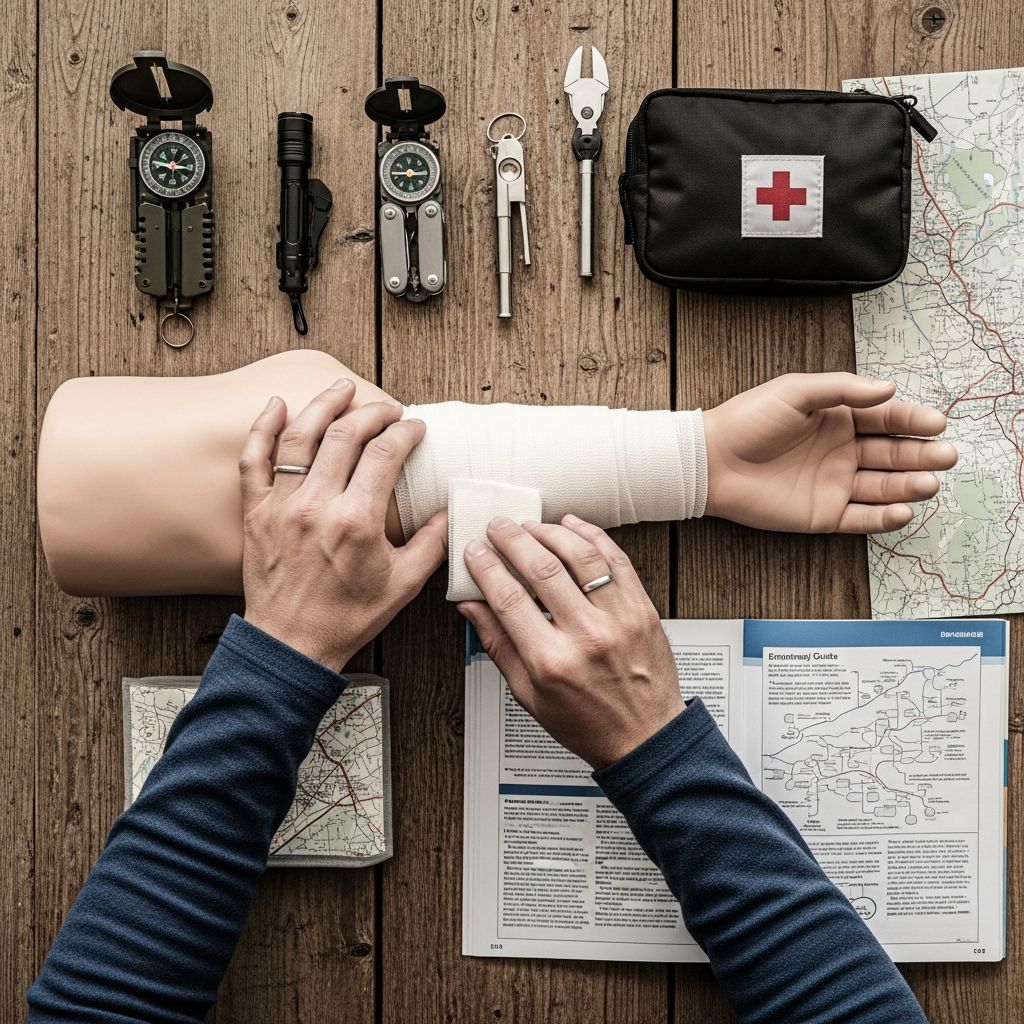
Emergencies strike without warning, but preparation turns potential disasters into manageable situations. This guide covers the five most frequent crises—frostbite, power outages, floods, home fires, and car breakdowns—with prevention tips, immediate response steps, and long-term readiness advice. Building an emergency kit, family communication plan, and basic skills ensures survival.
1. A Bad Case of Frostbite
Frostbite occurs when skin and underlying tissues freeze due to extreme cold exposure, often during winter storms or outdoor activities. Superficial frostbite affects skin; deep cases damage muscles and bones. Early signs include numbness, white or grayish skin, and a waxy texture.
Prevention Tips
- Dress in layers: Use moisture-wicking base layers, insulating mid-layers, and windproof outer shells. Cover extremities with wool socks, insulated gloves, hats, and scarves.
- Stay dry: Wet clothing accelerates heat loss. Change into dry clothes immediately if damp.
- Limit exposure: Follow wind chill warnings from the National Weather Service. Avoid alcohol, which dilates blood vessels and increases frostbite risk.
- Buddy system: Check each other for early symptoms during cold-weather outings.
What to Do If Frostbite Occurs
- Get indoors: Move to a warm environment immediately.
- Remove wet clothing: Gently unwrap constrictive items without rubbing the skin.
- Warm affected areas: Immerse in 104–108°F (40–42°C) water for 15–30 minutes until pink. Use skin-to-skin contact (e.g., armpits) if water unavailable.
- Do not: Rub skin, use direct heat (hot water bottles), or thaw-refreeze cycles, as these worsen damage.
- Seek medical help: For blisters, severe pain, or deep frostbite. Protect with loose bandages.
According to the CDC, frostbite prevention saves limbs; mild cases resolve with home care, but severe ones require hospitalization.
2. Power Outage
Power outages disrupt daily life, from food spoilage to heating loss, often caused by storms, accidents, or grid failures. They can last minutes to days, affecting 80 million U.S. homes annually per FEMA data.
Preparation Essentials
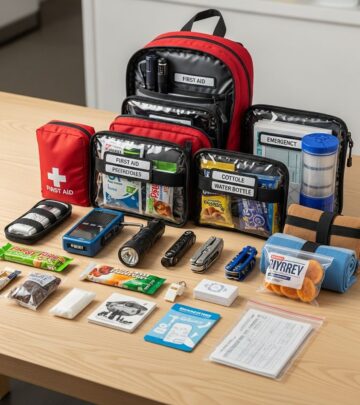
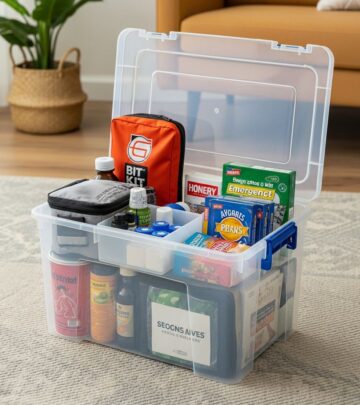
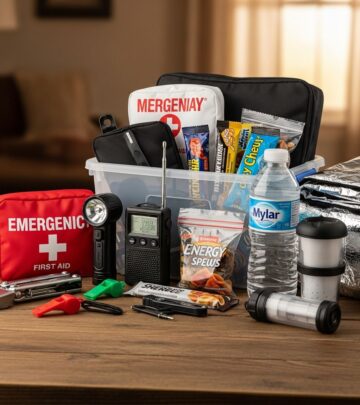
Stock a 72-hour kit per Ready.gov guidelines: 1 gallon water/person/day, non-perishable food, flashlight, batteries, first-aid kit, medications, and manual can opener.
| Item | Purpose | Quantity (3 Days, 4 People) |
|---|---|---|
| Water | Hydration/Cooking | 12 gallons |
| Food | Nutrition | Ready-to-eat cans, bars |
| Batteries/Flashlight | Light | Extra sets |
| Radio (Hand-Crank) | Updates | 1 |
| Blankets/Space Blanket | Warmth | 1/person |
During the Outage
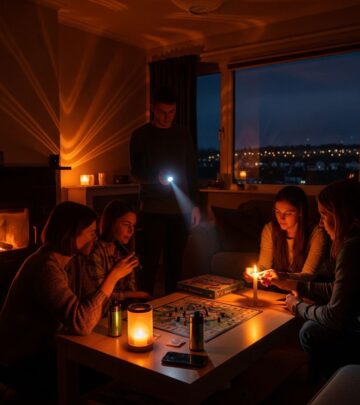
- Stay warm: Use blankets, space blankets, or hand warmers. Seal rooms with towels under doors.
- Conserve power: Unplug appliances to avoid surges. Use LED lanterns.
- Food safety: Eat perishables first; discard if temperature exceeds 40°F for over 4 hours.
- Communication: Battery radio for NOAA Weather Radio updates. Charge phones via car or solar chargers.
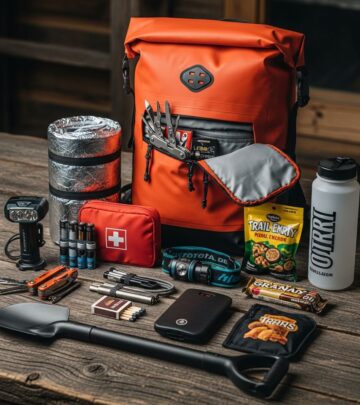
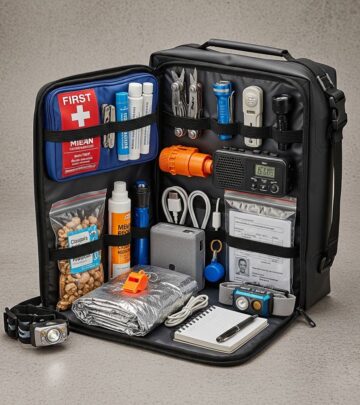
Multiple kits—one home, one car—cover scenarios. Add items like disposable lighters, multi-tools, and ziplock bags for versatility.
3. Flood
Floods are the most common U.S. natural disaster, causing billions in damage yearly. Flash floods from heavy rain strike fastest; riverine floods build slowly. Never drive through water—12 inches can sweep away vehicles.
Prevention and Evacuation
- Know your risk: Check FEMA flood maps. Elevate utilities and valuables.
- Evacuate early: Follow local alerts. Turn off gas/electricity; secure home.
- Avoid flooded roads: “Turn around, don’t drown.”
Safe Response
- Move to higher ground: Avoid basements/ground floors.
- Wait for clear: Do not return until authorities say safe. Boil water post-flood.
- Health hazards: Beware contaminated water, mold, mosquitoes. Wear protective gear cleaning up.
FEMA reports 90% of disasters involve flooding; insurance covers basics, but preparation prevents loss.
4. Home Fire
Home fires kill 2,500+ Americans yearly, per NFPA. Smoke detectors and escape plans save lives—practice twice yearly.
Prevention
- Install alarms: Smoke/CO detectors on every level, tested monthly.
- Kitchen safety: Never leave cooking unattended; keep flammables away.
- Electrical checks: Avoid overloaded outlets; space heaters 3 feet from items.
Escape Plan
Create two exits per room. Crawl low under smoke. Feel doors for heat before opening. Meet at a safe spot outside; call 911 from neighbor’s phone.
- If trapped: Seal door gaps with towels; signal from window.
- Stop, drop, roll: For clothing fires.
Working extinguishers (ABC type) help small fires; evacuate first if unsure.
5. Car Breakdown
Stranded vehicles happen daily from flats, dead batteries, or overheating. Rural breakdowns risk isolation.
Car Kit Must-Haves
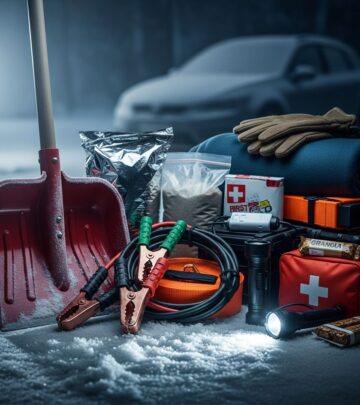
- Tools: Jumper cables, tire gauge, jack, lug wrench, tow strap, shovel.
- Comfort: Water, snacks, blankets, first-aid, flares/reflectors.
- Communication: Charged phone, charger, two-way radios, printed maps.
- Extras: Gloves, multi-tool, cash, medications.
Steps to Safety
- Pull over safely: Hazard lights on; triangle behind.
- Assess: Check basics (oil, coolant, battery).
- Call help: AAA or roadside service. Stay in vehicle if hot/cold.
- Self-rescue: Jump-start if safe; change tire with proper jack use.
Hand warmers and electrolytes aid extended waits.
Building Your Emergency Kit and Plan
Customize kits for family needs: infants, pets, medical conditions. Include sanitation (wipes, bags), cash, IDs copies. Practice plans quarterly. Ready.gov recommends 72-hour self-sufficiency minimum.
Frequently Asked Questions (FAQs)
Q: How long should my emergency kit sustain me?
A: At least 72 hours per person, per FEMA guidelines. Extend to 2 weeks for high-risk areas.
Q: What’s the first step in frostbite treatment?
A: Move to warmth and remove wet clothing without rubbing the skin.
Q: Can I drink floodwater?
A: No—filter, purify, or boil first to avoid contamination.
Q: How do I escape a home fire?
A: Use practiced escape routes, stay low, and call 911 once safe outside.
Q: Essential car breakdown items?
A: Jumper cables, water, flares, phone charger, and tools.
References
- Basic Disaster Supplies Kit — FEMA/Ready.gov. 2023-10-01. https://www.ready.gov/kit
- Winter Weather – Frostbite — Centers for Disease Control and Prevention (CDC). 2024-11-15. https://www.cdc.gov/disasters/winter/stay-safe.html
- 6 Items You Might Have Forgotten in Your Emergency Kit — Wise Bread. 2015-03-12. https://www.wisebread.com/6-items-you-might-have-forgot-in-your-emergency-kit
- How to Survive the 5 Most Common Emergency Situations — Wise Bread. 2010-01-20. https://www.wisebread.com/how-to-survive-the-5-most-common-emergency-situations
- NFPA Home Fire Safety — National Fire Protection Association. 2025-01-10. https://www.nfpa.org/education-and-research/home-fire-safety
Similar Articles








Read full bio of medha deb