How to Survive a Road Trip
Essential tips and strategies to make your next road trip safe, enjoyable, and stress-free for everyone involved.
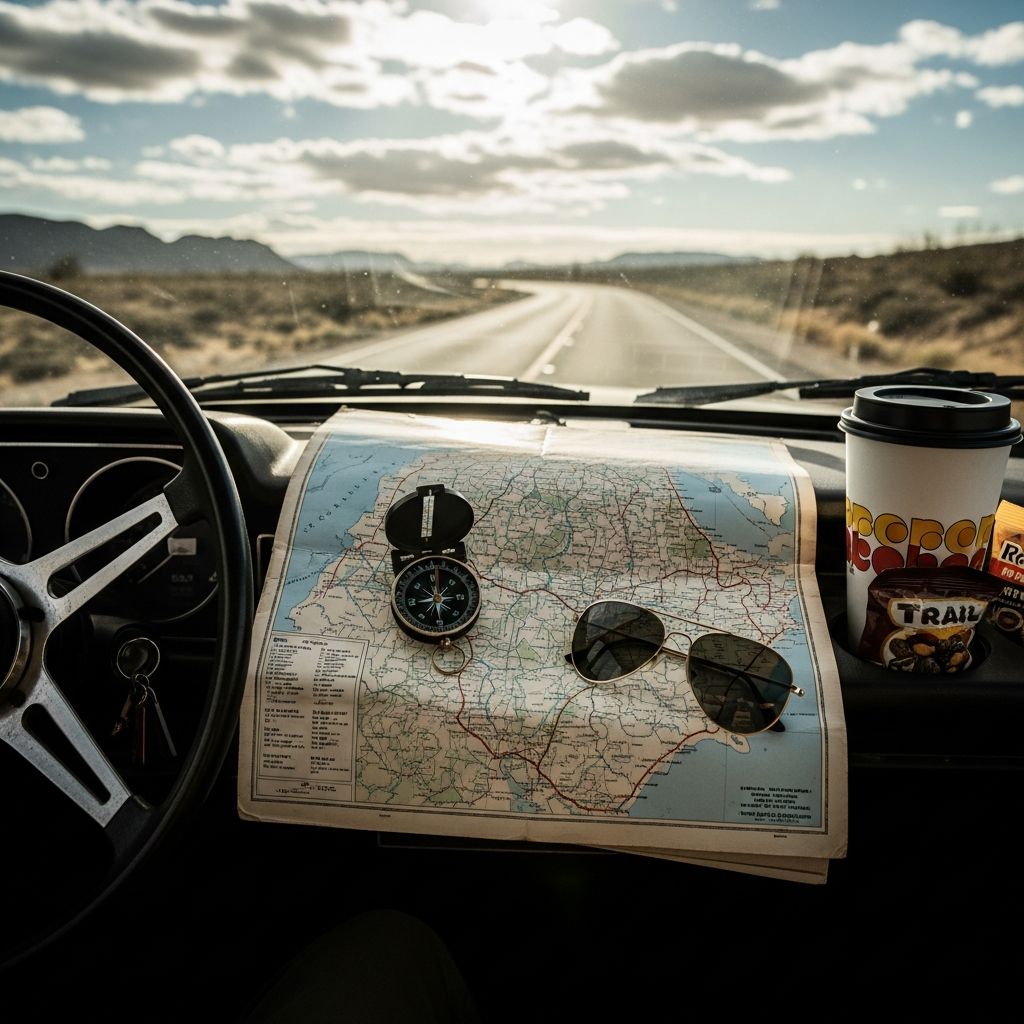
Road trips offer the freedom of the open road, scenic views, and quality time with loved ones, but they can quickly turn chaotic without proper planning. Whether traveling solo, with friends, or as a family, surviving a long drive requires preparation in vehicle maintenance, packing, entertainment, safety, and budgeting. This guide covers all essential aspects to ensure your journey is safe, enjoyable, and memorable.
Prepare Your Vehicle
Before hitting the road, thorough vehicle maintenance is non-negotiable to avoid breakdowns and ensure safety. Start with a full service check: change the oil if due, top off all fluids including coolant, brake fluid, transmission fluid, and windshield washer. Inflate tires to the manufacturer’s recommended pressure, typically found on the driver’s door sticker, and inspect tire tread depth using the penny test—Lincoln’s head should not be fully visible.
Check brakes, battery, belts, and hoses for wear. Test lights, signals, wipers, and the horn. Pack an emergency kit with jumper cables, spare tire, jack, lug wrench, flashlight, flares, first-aid supplies, and basic tools. According to the National Highway Traffic Safety Administration (NHTSA), proper maintenance reduces accident risk by up to 20%. For long trips, consider a pre-trip inspection at a trusted mechanic.
- Oil and filter change
- Fluid levels check
- Tire pressure and rotation
- Brake inspection
- Emergency roadside kit
Plan Your Route and Stops
Mapping your route in advance saves time and stress. Use apps like Google Maps or Waze for real-time traffic, but download offline maps for remote areas. Plan stops every 2-3 hours for rest, fuel, and meals—fatigue causes 13% of road fatalities per NHTSA data. Identify rest areas, gas stations, and attractions along the way.
Factor in drive times realistically, adding buffers for traffic or detours. For families, align stops with kid-friendly spots like parks or diners. Budget for tolls using tools like TollGuru. Share your itinerary with someone not traveling for safety.
| Route Planning Checklist | Details |
|---|---|
| Primary Route | Main highways, avoid construction |
| Alternate Route | Backup for traffic/closures |
| Fuel Stops | Every 200-300 miles |
| Rest Stops | Every 2 hours |
| Overnight Stays | Hotels/motels booked |
Pack Smart and Efficiently
Packing efficiently maximizes space and comfort. Use a checklist categorized by person and purpose: clothes, toiletries, snacks, entertainment. Opt for versatile clothing layers for varying weather. Roll clothes to save space and reduce wrinkles.
Essentials include reusable water bottles, cooler for perishables, trash bags, wet wipes, hand sanitizer, and sunscreen. For electronics, pack chargers, power banks, and car adapters. Distribute weight evenly in the vehicle for better handling. Avoid overloading—check your car’s manual for payload limits.
- Documents: ID, insurance, registration, roadside assistance card
- Health: Medications, first-aid kit, motion sickness remedies
- Comfort: Pillows, blankets, neck supports
- Food: Non-perishables, healthy snacks, cooler
Keep Everyone Entertained
Boredom is the enemy on long drives, especially with kids. Create a rotation of activities: audiobooks, podcasts, music playlists, car games like I Spy, 20 Questions, or license plate bingo. Tablets or portable DVD players with downloaded content work wonders—preload movies, games, and books.
Pack travel games, coloring books, magnetic puzzles for children. For adults, discuss trip highlights or play trivia. Sing-alongs boost morale. Limit screen time to prevent motion sickness, encouraging window gazing and storytelling.
Car Games for All Ages
- I Spy: Spot objects by color/shape
- License Plate Game: Collect states
- Story Chain: Build a tale round-robin
- Would You Rather: Fun dilemmas
- Road Sign Bingo: Printable cards
Stay Safe on the Road
Safety first: obey speed limits, keep distance in traffic, avoid distractions like phones—use hands-free. Take driver shifts every 2 hours to combat drowsiness; pull over if tired. Wear seatbelts always; secure kids in proper car seats per age/weight.
Watch for wildlife, weather changes—monitor forecasts and have chains if needed. Never leave kids/pets in a hot car. The AAA Foundation reports distracted driving causes 25% of accidents. Enable emergency alerts on your phone.
- No texting while driving
- Regular vehicle checks en route
- Hydrate and snack healthily
- Emergency contacts programmed
Budget Wisely
Road trips can be economical, but poor planning leads to overspending. Calculate total costs: gas (use Fuelly app), food, lodging, attractions. Gas prices fluctuate; fill up at cheaper stations via apps like GasBuddy. Pack meals to cut dining costs—picnics are fun and cheap.
Set a daily budget, track expenses with apps like Mint. Look for free attractions, use national park passes. Loyalty programs for hotels/gas save money. Per U.S. Department of Transportation, average road trip costs $250/day for a family of four.
| Expense Category | Estimated Cost (Family of 4, 1000 miles) |
|---|---|
| Gas | $150-250 |
| Food | $200-400 |
| Lodging | $300-600 |
| Attractions | $100-300 |
| Total | $750-1550 |
Handle Emergencies
Be prepared for flats, breakdowns, illness. Join AAA or similar for towing/lockout service. Know how to change a tire safely: park on shoulder, hazards on, block wheels. For medical issues, locate nearest hospitals via GPS.
Carry cash for remote areas. Practice basic first aid. If stranded, stay with vehicle unless unsafe, signal for help with flares/phone. FMCSA guidelines emphasize visible vests and triangles.
Health and Comfort Tips
Maintain hygiene with wipes/sanitizer; stretch legs at stops to prevent cramps. Eat balanced snacks to stabilize energy—avoid heavy meals causing drowsiness. Stay hydrated; caffeine in moderation. Use eye masks/earplugs for rest during passenger time.
For kids, frequent potty breaks. Manage motion sickness with ginger or bands. Good ventilation prevents stuffiness.
Frequently Asked Questions (FAQs)
Q: How often should I stop on a road trip?
A: Every 2-3 hours or 100-150 miles to rest, refuel, and stretch, reducing fatigue risks.
Q: What snacks are best for road trips?
A: Nuts, fruit, granola bars, veggies—healthy, non-messy options that sustain energy.
Q: How do I keep kids happy in the car?
A: Mix games, audiobooks, snacks, and stops; rotate activities to maintain engagement.
Q: What’s the most important vehicle check?
A: Tires, brakes, and fluids—critical for safety and preventing roadside issues.
Q: How can I save money on gas?
A: Maintain steady speeds, proper tire pressure, light loads, and use gas apps.
References
- National Highway Traffic Safety Administration: Road Safety Facts — NHTSA. 2024-10-15. https://www.nhtsa.gov/risky-driving/drowsy-driving
- AAA Foundation for Traffic Safety: Distracted Driving Report — AAA. 2025-03-20. https://aaafoundation.org/distracted-driving/
- Bureau of Transportation Statistics: Household Travel Survey — U.S. DOT. 2024-07-01. https://www.bts.gov/data-spotlight/household-travel-costs
- Federal Motor Carrier Safety Administration: Emergency Equipment — FMCSA. 2023-11-10. https://www.fmcsa.dot.gov/regulations/cargo-securement/emergency-equipment
- American Automobile Association: Road Trip Preparation Guide — AAA. 2025-01-05. https://www.aaa.com/travel/resources/road-trips
Similar Articles








Read full bio of Sneha Tete