How to Stop the Takeout Meal Cycle and Save
Break free from expensive takeout habits with practical strategies for meal planning, smart shopping, and home cooking to save money and reduce waste.
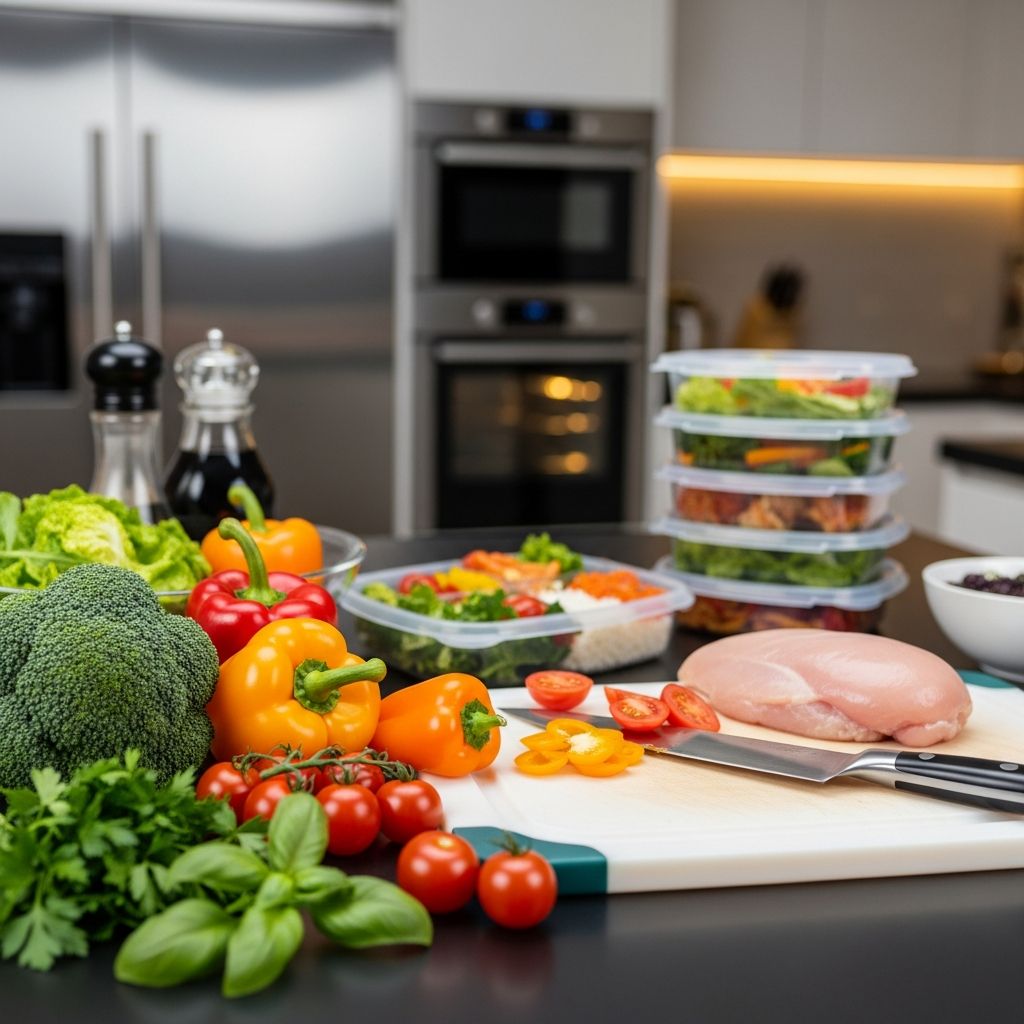
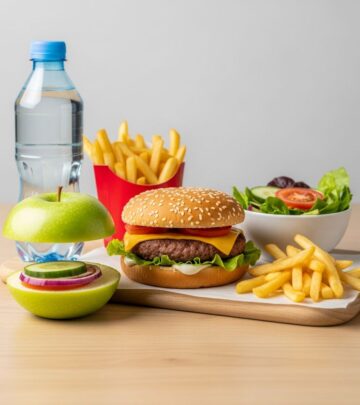
Whether you’re aiming to tighten your budget or improve your health, excessive takeout and dining out can derail both goals. The average dinner at a non-chain restaurant packs around 1,200 calories, often at a high cost. By shifting to home-cooked meals, families can save substantially— one household reported conserving about $75 weekly, with $50 from skipping restaurants and $25 from optimized grocery spending, while feeding three people three meals a day.
This guide outlines proven steps to break the cycle: examining habits, embracing planning, shopping smart, starting small, and resisting temptation. These strategies reduce waste, lower costs, and turn cooking into enjoyable frugal entertainment.
Examine Your Habits
The first step is honest self-assessment. Many fall into takeout traps due to poor planning, leading to high grocery bills and waste. One family noticed tossing rotten produce, expired yogurt, and stale items weekly, pushing their bill from $80–$100 to over $125 for three people—yet dinner ideas remained scarce.
Common pitfalls include:
- Impulsive weekday takeout when pantries run low.
- Overbuying groceries without a plan, causing spoilage.
- Relying on convenience over creativity, inflating costs.
Track a week’s spending and waste to reveal patterns. This awareness highlights how takeout seems easier but costs more long-term. The U.S. Department of Agriculture notes households waste about 30% of food, equating to $1,500 annually per family of four, much preventable through better habits. Adjusting shopping days—like moving to Fridays—ensures fresh supplies for weekends, curbing takeout urges.
Embrace the Plan
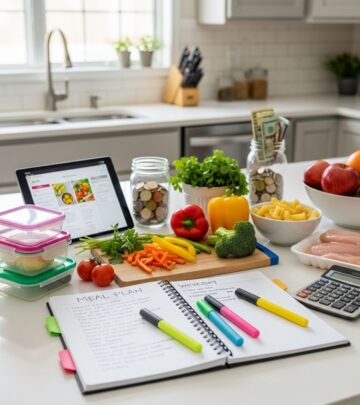
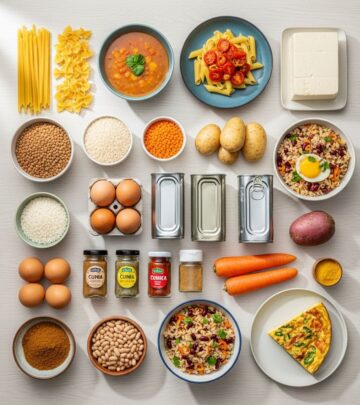
Meal planning is transformative, requiring just 5–10 minutes weekly. Start by inventorying fridge, freezer, and pantry to use existing items first. Tools like Supercook spark ideas from on-hand ingredients.
Build a weekly framework:
- Breakfasts: Simple options like oatmeal, fruit, yogurt, or cereal.
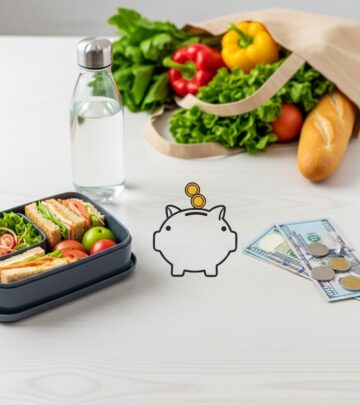
- Lunches: Bulk-prep sandwiches, salads, or leftovers.
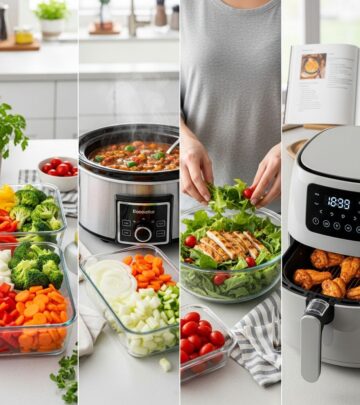
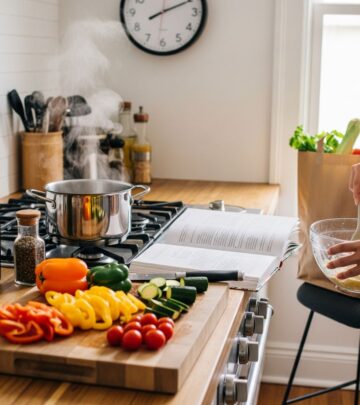
- Dinners: Slow cooker meals, bulk cooking (e.g., freezer veggie burgers), or favorites.
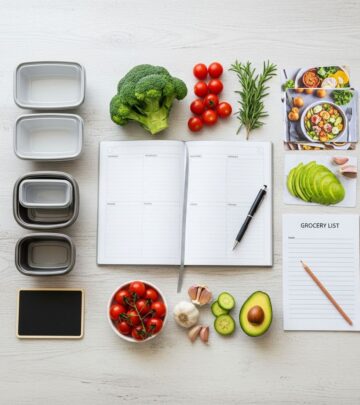
After using leftovers, plan remaining meals and create a precise grocery list. This prevents impulse buys and waste. The result? A near-empty fridge by week’s end, satisfaction from efficiency, and family bonding over meals. According to a USDA study, planned meals reduce waste by 25% and save up to 20% on groceries.
| Meal Type | Example Plan | Prep Time | Savings Tip |
|---|---|---|---|
| Breakfast | Oatmeal with fruit | 5 min | Use pantry staples |
| Lunch | Turkey sandwiches | 10 min (bulk) | Leftovers from dinner |
| Dinner | Slow cooker chili | 15 min active | Freezes well |
Experiment with bulk cooking for busy nights, turning planning into a creative, cost-saving ritual.
Shop Smart
With a plan in hand, shopping becomes targeted. Stick strictly to the list—no extras. Change timing to Friday nights for stocked weekends, avoiding mid-week slumps.
- Inventory first to avoid duplicates.
- Buy versatile, long-lasting produce (e.g., apples, carrots).
- Opt for sales and bulk for staples.
This slashed one family’s grocery bill while providing ample meals. The Consumer Financial Protection Bureau emphasizes list-based shopping cuts overspending by 15–30%. Focus on nutrient-dense, affordable items to mimic takeout satisfaction at home.
Start Small
Full commitment overwhelming? Begin modestly. Replace one takeout meal weekly—pack lunch instead of buying, or brew coffee at home versus drive-thru.
Gradual wins build momentum:
- Week 1: Home lunch daily.
- Week 2: Add one dinner.
- Week 3: Breakfast overhaul.
High kitchen tolerance helps, but anyone succeeds incrementally. Bulk-prep simplifies sustainability. Federal Reserve data shows small habit changes yield $500+ yearly food savings.
Resist Temptation
Social pressures challenge progress. When friends suggest spontaneous dining, communicate goals honestly: “We’re prioritizing budget savings and home cooking this year.” Invite them over instead.
Strategies include:
- Pre-planned alternatives ready.
- Remind of savings goals.
- Treat takeout as rare occasions only.
One family navigated visits by cooking together, strengthening bonds. Limit to special events for sustainability.
Frequently Asked Questions (FAQs)
Q: How much can I realistically save by quitting takeout?
A: Savings vary by habits and location, but $50–$75 weekly is common for families ditching restaurant meals and optimizing groceries. USDA estimates average household food spending drops 20% with planning.
Q: What if I lack time for cooking?
A: Start with slow cookers, bulk prep, or 15-minute recipes. Tools like freezer meals handle busy nights.
Q: How do I reduce food waste?
A: Inventory weekly, plan around leftovers, shop with lists. This can cut waste by 30%.
Q: Are home meals healthier than takeout?
A: Yes, controlling ingredients avoids excess calories (e.g., 1,200 in average restaurant dinner).
Q: Best tools for meal ideas?
A: Supercook for ingredient-based recipes; apps for planning.
Long-Term Benefits and Tips
Beyond savings, home cooking fosters health, reduces environmental impact, and creates memories. Track progress monthly to stay motivated. Experiment with themes (Meatless Monday) for variety.
Challenges like holidays? Stock versatile staples. Involve family for buy-in. Per BLS Consumer Expenditure Survey, eating out averages $3,000 yearly per household—reclaim that for debt payoff or fun.
Sustain by celebrating milestones, like a monthly treat fund from savings. This cycle breaks dependency, empowering financial freedom.
References
- How to Stop the Takeout Meal Cycle and Save — Wise Bread. 2016. https://www.wisebread.com/how-to-stop-the-takeout-meal-cycle-and-save
- Consumer Expenditures in 2022 — U.S. Bureau of Labor Statistics. 2023-09-27. https://www.bls.gov/news.release/cesan.nr0.htm
- Household Food Waste Facts — USDA Economic Research Service. 2024-02-15. https://www.ers.usda.gov/data-products/chart-gallery/chart-detail?chartId=99598
- Meal Planning Tips for Busy Families — Consumer Financial Protection Bureau. 2023-11-10. https://www.consumerfinance.gov/consumer-tools/food-budget/
Similar Articles








Read full bio of Sneha Tete