Stop Overspending: 7 Practical Ways To Save In 2026
Master your finances in 2026 with proven strategies to curb overspending, build savings, and achieve your money goals effortlessly.
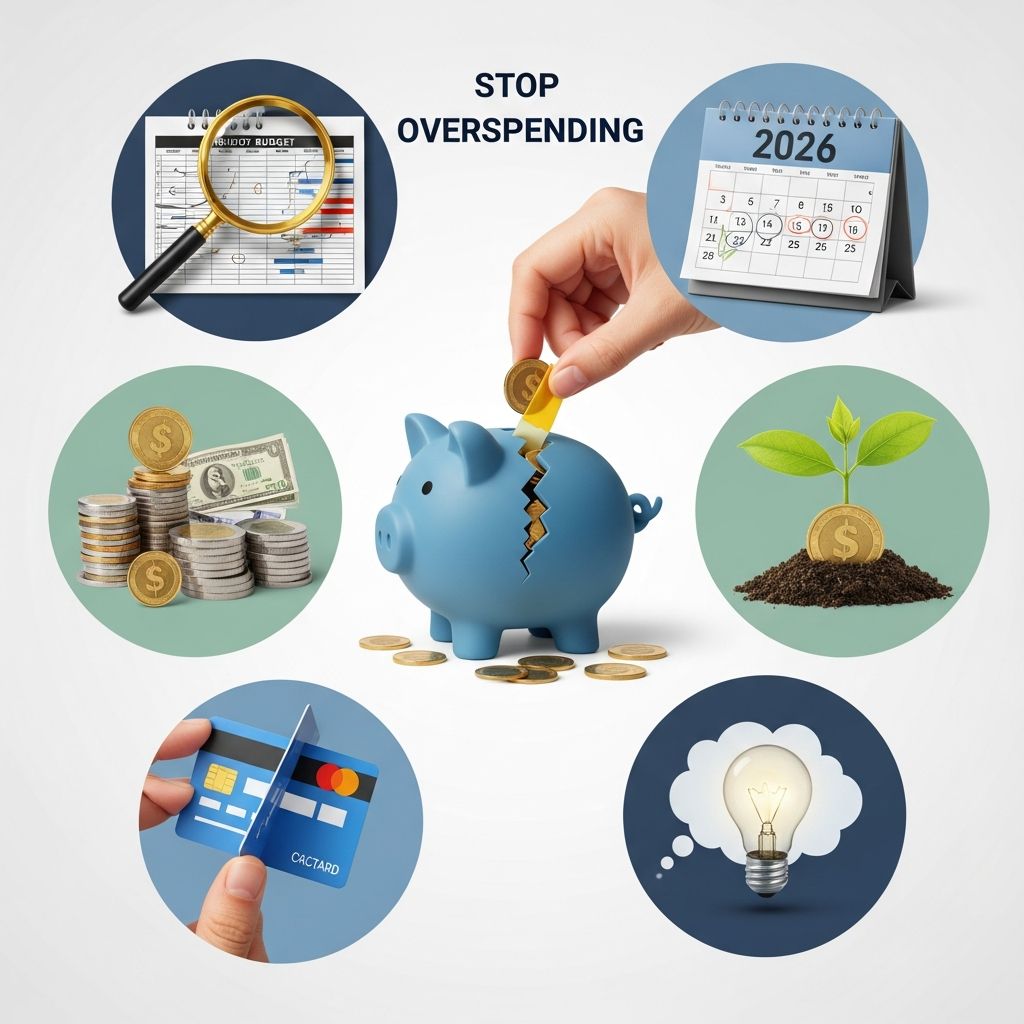
Part of reaching any financial goal is recognizing when you’re off track – and then finding better habits that can help you stay focused and spend money with intention. Spending money isn’t necessarily a bad thing, but it can take a toll on your budget if you’re doing too much of it. Finding ways to save money instead may be just what you need to get back to reaching your financial goals. If you want to get in the habit of saving more money and cutting down on the amount of money you spend, read on for inspiration and seven tips that can help.
In today’s economy, with inflation lingering and consumer debt on the rise, mastering your spending is more crucial than ever. According to recent financial analyses, households that track and adjust their spending habits can save up to 20-30% more annually. These strategies aren’t about deprivation; they’re about intentional choices that align with your long-term wealth-building objectives. Whether you’re preparing for retirement, building an emergency fund, or simply wanting financial peace, these methods provide a roadmap to transform impulsive spending into purposeful saving.
1. Get to Know Your Spending Triggers
It’s easy to spend money without thinking about it; but if you want to save money instead, it can be helpful to also take a closer look at the “why” behind your spending habits. Several factors can determine what you do or don’t buy and whether you spend a lot of money or a little.
Spending triggers are emotional or environmental cues that prompt unplanned purchases. Common triggers include stress, boredom, social pressure, or even targeted advertising. For instance, retail therapy after a tough day at work or scrolling social media during downtime can lead to impulse buys. To identify yours, start by keeping a spending journal for two weeks. Note every purchase, the time, location, and your emotional state at the moment.
- Emotional triggers: Anxiety, loneliness, or celebration moods often lead to comfort buys like snacks or gadgets.
- Environmental triggers: Walking past a mall, seeing sale signs, or receiving promotional emails.
- Social triggers: Keeping up with friends’ lifestyles or peer pressure during outings.
Once identified, counteract them with alternatives. Replace shopping with free activities like walking, reading, or calling a friend. Studies from financial behavior experts show that awareness alone reduces impulsive spending by 25%. Apps like Mint or YNAB can automate tracking, categorizing expenses into needs vs. wants, helping you visualize patterns over time.
Reflect on past regrets: Did that coffee run or online order truly add value? By understanding triggers, you shift from reactive spending to proactive saving, paving the way for habits that support your financial independence.
2. Clear Out Your Inbox
One of the simplest ways to reduce the amount of money you spend so you can save money is by eliminating the emails that hit your inbox. For example, you may have signed up to receive emails about the latest promotions and deals from your favorite stores. But that just perpetuates the temptation to spend a lot of money on things you don’t necessarily need, simply because they’re on sale or the store is offering a digital coupon.
Promotional emails are designed to exploit FOMO (fear of missing out), creating urgency with phrases like “limited time” or “exclusive deal.” Unsubscribing from these can drastically cut temptation. Start by searching your inbox for terms like “sale,” “coupon,” or store names, then mass unsubscribe. Tools like Clean Email or Unroll.Me streamline this process, saving hours and reducing daily distractions.
Beyond emails, declutter social media by unfollowing shopping influencers and muting ads. Delete shopping apps from your phone to add friction to purchases—making it harder to buy on impulse. This digital detox not only saves money but also frees mental space. Users report saving $50-200 monthly after clearing inboxes, as the absence of deals prevents the mental justification for unnecessary buys.
Pro tip: Set up email filters to route remaining promotions directly to a “Temptations” folder you review weekly, turning potential pitfalls into informed decisions.
3. Create and Stick to a Budget
A solid budget is the foundation of financial control, yet many overlook it when tackling overspending. Track your income against expenses to set realistic limits. Analyze fixed costs like rent and utilities first, then allocate for variables like groceries and entertainment.
| Category | Monthly Budget Example | % of Income |
|---|---|---|
| Housing | $1,200 | 30% |
| Food | $400 | 10% |
| Transportation | $300 | 8% |
| Entertainment | $150 | 4% |
| Savings/Debt | $500+ | 20%+ |
Use the 50/30/20 rule: 50% needs, 30% wants, 20% savings/debt. Review weekly and adjust. Budgeting apps provide real-time alerts, preventing overruns.
4. Consider Going Cash-Only for a Month
Credit cards are convenient, and earning miles, points, or cash back on purchases is a nice perk. But it’s possible that you could become too dependent on credit cards for spending money and end up with a mountain of debt. When your card has a high interest rate, carrying a balance can make purchases that much more expensive.
If you don’t want to quit using your credit card altogether, consider taking a temporary break from using it for one month. During that month, commit to spending money with your debit card, checks, or cash instead. At the end of the month, review your purchases and budget to see how much you spent. Then, compare that to a typical month of spending with your credit card. (You can use a previous credit card statement for this part.)
Cash makes spending tangible—watching bills disappear hurts more than swiping a card. Experts note debit or cash-only curbs spending by 12-18% monthly. Withdraw your budgeted “fun money” weekly in cash envelopes labeled by category. This gamifies control and builds discipline, often leading to permanent habit shifts.
5. Implement the 48-Hour Rule
Imposing a 48-hour rule on new purchases can give you time to think a purchase over to decide if it’s really something on which you want to spend your money. If you determine after the 48 hours is up that it’s something you truly need, then go ahead and purchase it.
When imposing a 48-hour rule on new purchases, consider setting some guidelines. For example, you could set a dollar amount that would trigger the rule, such as $50 or $100. That way, you’re not having to go through a waiting period for every purchase. Ask: “Will this improve my life in 30 days?” This pauses emotional buys, saving hundreds annually.
Add it to your calendar or use a notes app for reminders. Over time, many items lose appeal, revealing true needs.
6. Try a Longer Spending Fast
A spending fast, also called a spending diet, can help you accelerate your efforts to save money. The idea behind a spending fast is that you commit not to spend money, beyond basic living expenses, for a certain period of time. You can do a no-spend challenge for a week, a month – even an entire year. During this time you would spend money on things like rent, utilities and basic food items at the grocery store. But you cut out unnecessary extras such as shopping, recreation, travel, and takeout meals.
A spending fast can help you jumpstart your savings and give you perspective on where you’ve been spending money. It can also help you get in tune with what constitutes a “want” and a “need” in your budget. The money you don’t spend is money you can use to pay down debt or add to your emergency savings fund. Trying a spending diet can also help you avoid blowing your budget during the holiday season. A no-spend November, for example, can be a great way to minimize the temptation to overspend or make impulse purchases when retailers are rolling out the Black Friday and holiday sales.
Start small: one week per month. Track savings and redirect to high-yield accounts. No-buy challenges reset habits, with participants reporting clarity on true essentials.
7. Cancel Unnecessary Subscriptions and Review Recurring Charges
Review all subscriptions: streaming, apps, gym, etc. Cancel unused ones and seek cheaper alternatives like family plans. This effortless step recovers forgotten leaks, often $100+ monthly.
- Audit bank/credit statements for auto-payments.
- Switch to annual billing for discounts.
- Share services with family.
Combine with finding your “why”—a clear financial goal like debt freedom motivates adherence.
Frequently Asked Questions (FAQs)
Q: How do I start tracking my spending?
A: Use pen/paper, spreadsheets, or apps like Mint/YNAB to log every expense and categorize them daily.
Q: What’s the best length for a spending fast?
A: Begin with one week; extend to a month for bigger impact, focusing on essentials only.
Q: Can cash-only really reduce spending?
A: Yes, it makes money feel real, cutting spending by 12-18% vs. cards.
Q: How do I stick to a budget?
A: Review weekly, use 50/30/20 rule, and prioritize needs over wants.
Q: What if I relapse into old habits?
A: Forgive yourself, analyze the trigger, and restart—consistency builds over time.
References
- 7 Ways to Stop Overspending In 2026 — MoneyRates. 2025. https://www.moneyrates.com/personal-finance/how-to-stop-spending-money.htm
- How to Stop Spending Money: Tips to Stay in Control — Allen Carr. 2023-10-15. https://www.allencarr.com/en-us/how-to-get-out-of-debt/how-to-stop-spending-money/
- I Asked ChatGPT How To Spend Less in 2026 — GOBankingRates. 2025-12-20. https://www.gobankingrates.com/saving-money/savings-advice/asked-chatgpt-how-spend-less-2026-what-it-said/
- Help! My Spouse Won’t Stop Spending — MoneyRates. 2024. https://www.moneyrates.com/personal-finance/spouse-wont-stop-spending.htm
- Economic Concerns Have Some Americans Setting A ‘No-buy’ Rule — Bankrate. 2025. https://www.bankrate.com/banking/no-buy-challenges-in-2025/
Similar Articles








Read full bio of Sneha Tete