How to Stop Dog Nail Bleeding: Quick & Effective Methods
Learn quick and effective methods to stop your dog's nail bleeding at home or when to seek veterinary care.
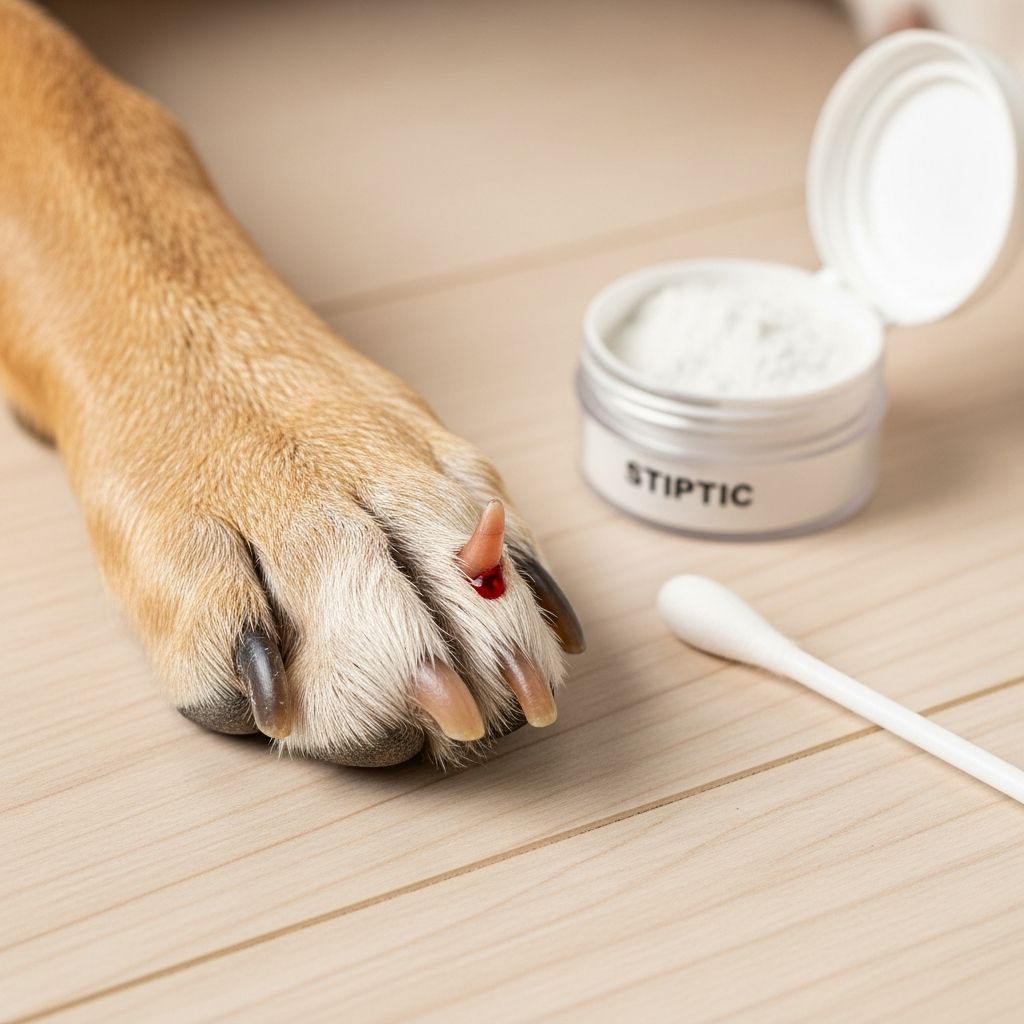
Dog nail bleeding can be alarming for pet owners, but it’s a common occurrence during nail trimming or accidental injuries. Whether you’ve trimmed your dog’s nail too short or your pup has injured their nail during play, knowing how to respond quickly and calmly is essential. This comprehensive guide explores proven methods to stop nail bleeding, from professional solutions to emergency home remedies, along with prevention strategies and guidance on when veterinary care is necessary.
Understanding Dog Nail Bleeding
Dog nails consist of a hard outer shell and a sensitive inner portion called the quick, which contains blood vessels and nerves. When you cut the nail too short or your dog injures their nail, the quick can bleed. The bleeding is usually minor and manageable at home, but understanding the anatomy helps you know how to respond effectively. Dogs have either clear or dark nails, making it easier or harder to see where the quick ends. With clear nails, you can see a pink center, while dark nails require careful estimation based on the angle and your dog’s behavior.
Essential First Aid Steps for Bleeding Dog Nails
The moment you notice bleeding, staying calm is crucial. Your dog will pick up on your anxiety, which could make the situation more challenging. Here’s what to do immediately:
- Apply direct pressure with a clean cloth or paper towel
- Keep your dog still and calm
- Have your bleeding control supplies ready nearby
- Restrict movement to prevent disrupting clot formation
- Never wipe away blood before applying treatment, as it aids coagulation
Taking a few deep breaths and reassuring your dog with a calm voice will help them remain steady during the process. Your composed demeanor is instrumental in preventing panic and ensuring your dog cooperates with treatment.
Professional Solutions for Stopping Nail Bleeding
Styptic Powder Method
Styptic powder is the gold standard for stopping dog nail bleeding. This professional-grade solution contains ferric subsulfate, which quickly constricts blood vessels and forms a seal over the bleeding area. Styptic powder is readily available at most pet stores and pharmacies under brand names like Kwik-Stop and Remedy + Recovery.
To apply styptic powder effectively:
- Pour a small amount into the powder container cap or cup your hand
- Take a pea-sized amount of powder between your thumb and forefinger
- Gently dip the bleeding nail directly into the powder or press it firmly into the nail tip
- Apply gentle but firm pressure for 15 seconds to 2 minutes
- Reapply if bleeding continues after the initial treatment
The styptic powder adheres naturally to the moisture from the blood, creating an effective seal. Be prepared that styptic powder may cause an initial sting, so hold your dog firmly and reassure them. Using a cotton swab or Q-tip can provide a less invasive application method if your dog is sensitive to direct contact.
Using a Styptic Pencil
A styptic pencil offers a more precise application method for dog nail bleeding. This tool is commonly used for human shaving cuts and works similarly on dog nails.
- Moisten the tip slightly with water
- Press it directly against the bleeding nail
- Hold for 30 seconds to one minute
- Repeat if necessary
Styptic pencils are convenient for quick application and provide controlled dosing of the clotting agent. They’re particularly useful for pet owners who prefer not to get powder residue on their hands.
Styptic Gel Swabs
Pre-packaged styptic gel swabs offer convenience and consistency. These ready-to-use applicators eliminate the need for measuring and mixing, making them ideal for pet owners who want a quick solution. Simply apply the swab directly to the bleeding nail and hold for the recommended time, typically 15 to 30 seconds.
Effective Home Remedies
If you don’t have styptic powder on hand, several household items can effectively help stop the bleeding. While home remedies may take slightly longer than professional products, they are safe and work by promoting natural blood clotting.
Cornstarch Method
Cornstarch is one of the most readily available and effective home remedies for dog nail bleeding.
- Pack the cornstarch powder against the nail tip firmly
- Hold pressure for 1 to 2 minutes
- Add more cornstarch if blood seeps through
- Keep the dog calm and restrict movement
Cornstarch works by absorbing moisture and promoting clot formation. The key is applying firm, consistent pressure while keeping the nail still.
Flour Alternative
Flour is another common household item that can stop dog nail bleeding effectively. Use all-purpose flour or any flour you have available.
- Dip the bleeding nail directly into flour or pack flour against the nail tip
- Apply firm pressure for one to two minutes
- Reapply if bleeding continues
Flour acts similarly to cornstarch, creating an absorbent barrier that helps blood clot naturally. This method is particularly useful when styptic powder isn’t available.
Baking Soda Solution
Creating a paste with baking soda and water provides another effective alternative.
- Mix baking soda with a small amount of water to create a thick paste
- Apply the paste directly to the bleeding nail
- Hold in place with a cloth or gauze for one to two minutes
- Reapply as needed until bleeding stops
A mixture of cornstarch and baking soda together can be even more effective than either ingredient alone, providing both absorbency and clotting properties.
Soap and Tea Bag Methods
Two additional household remedies can help stop minor nail bleeding:
- Rub a clean bar of unscented, preferably antibacterial soap across the nail tip
- Apply a moistened tea bag to the bleeding area and hold for one to two minutes
The tannins in tea bags have mild astringent properties that can aid in clotting, while soap creates a temporary seal over the wound.
Post-Treatment Care and Prevention
Immediate Aftercare
Once bleeding stops, continue to care for your dog’s injured nail:
- Gently clean the affected nail with lukewarm water
- Apply a bandage to prevent licking and infection
- Keep your dog off their feet for at least 30 minutes
- Monitor the nail for signs of infection or renewed bleeding
- Avoid allowing your dog to lick the injured paw
Keeping the area clean and protected reduces the risk of infection and ensures proper healing. Distract your dog with toys or treats to prevent them from licking the wound.
Preventing Future Nail Bleeding
Prevention is always better than treatment. Follow these strategies to avoid nail bleeding in the future:
- Use sharp pet nail trimmers specifically designed for dog nails
- Avoid dull trimmers, which crush nails and cause pain
- Have styptic powder on hand before beginning any nail trim
- Trim nails regularly to maintain proper length
- For dogs with mixed nail colors, use clear nails as a guide for dark nails
- Cut at a 45-degree angle rather than straight across
- Never cut into the quick; trim only the visible curved portion
Regular grooming and maintenance significantly reduce the likelihood of accidental bleeding and keep your dog’s nails healthy and comfortable.
When to Seek Veterinary Care
While most nail bleeding stops within a few minutes with home treatment, certain situations require professional veterinary attention.
Signs You Should Visit a Veterinarian
- Bleeding that doesn’t stop after 5 to 10 minutes of continuous pressure and treatment
- Heavy bleeding that won’t slow down despite multiple applications
- Signs of infection such as swelling, discharge, or warmth around the nail
- Your dog showing signs of pain or limping persistently
- A nail that is cracked, split, or hanging by a thread
- Recurrent bleeding from the same nail
Professional Veterinary Treatment Options
Depending on the severity of the nail injury, your veterinarian may recommend:
- Clipping or Trimming: If part of the nail is hanging or severely damaged, the vet may carefully remove the damaged portion to prevent further injury and infection.
- Antiseptic Cleaning: The wound will be thoroughly cleaned and disinfected to prevent bacterial infection and promote healing.
- Bandaging: In some cases, professional bandaging provides better protection during the healing process.
- Antibiotics or Pain Relievers: If infection is present or your dog is in significant pain, the vet may prescribe oral or topical medications.
- Long-Term Care Advice: If your dog has recurring nail issues, the veterinarian will provide personalized guidance on nail maintenance and lifestyle adjustments.
Preparation and Prevention Strategy
Being prepared for nail bleeding significantly reduces stress and ensures you can respond quickly. Create a nail care kit and keep it in an easily accessible location.
Essential Nail Care Kit Items
- Styptic powder (your primary choice)
- Cornstarch and baking soda (backup options)
- Clean cloths, paper towels, or gauze
- Adhesive bandages for post-treatment care
- Sharp pet nail trimmers or grinder
- Cotton swabs or Q-tips for application
- Treats to reward your dog during and after nail trimming
Having these supplies organized and ready ensures you can address nail bleeding immediately without scrambling to find materials. This preparation mindset also reduces the likelihood of hitting the quick, as Murphy’s Law suggests that being prepared prevents problems.
Frequently Asked Questions
Q: How do I stop my dog’s nail from bleeding if I cut it too short?
A: Apply styptic powder or a household alternative like cornstarch immediately, maintaining firm pressure for 30 seconds to 2 minutes until bleeding stops. Dip the nail into the powder or press the powder directly into the nail tip. If you don’t have styptic powder, use cornstarch, flour, baking soda, or soap as alternatives.
Q: What are the best home remedies for dog nail bleeding if I don’t have styptic powder?
A: Cornstarch, flour, and baking soda are all effective alternatives. You can also use a mixture of cornstarch and baking soda together for enhanced effectiveness. Rubbing the nail on an unscented soap bar or applying a moistened tea bag also works for minor bleeding. Pack the powder against the nail and hold firm pressure until clotting occurs.
Q: How long does it typically take for a dog’s nail to stop bleeding after applying styptic powder?
A: With proper application of styptic powder, bleeding usually stops within 15 seconds to 2 minutes. Most cases resolve within 30 to 60 seconds. If bleeding continues after applying styptic powder, reapply the product and maintain pressure for another minute or two. Heavy bleeding may require longer treatment times.
Q: Can I use cornstarch or baking soda to safely stop a dog’s nail from bleeding?
A: Yes, both cornstarch and baking soda are completely safe and effective alternatives to styptic powder. They work by helping blood clot naturally and are household staples most pet owners have available. For best results, use firm pressure and keep your dog calm and still during treatment.
Q: How can I prevent my dog’s nails from bleeding during trimming?
A: Use sharp pet nail clippers specifically designed for dogs, and avoid dull trimmers that crush nails. Have styptic powder on hand before trimming. Trim only the visible curved portion of the nail, avoiding the quick. For dogs with dark nails, use their clear nails as a guide for proper cutting depth. Regular grooming prevents overgrowth and makes trimming safer.
Q: What should I do if the bleeding doesn’t stop after 10 minutes of home treatment?
A: If bleeding persists beyond 5 to 10 minutes despite continuous pressure and repeated applications of styptic powder or home remedies, contact your veterinarian. Excessive bleeding may indicate a more serious issue requiring professional evaluation and treatment.
Q: Can I bandage my dog’s nail immediately after stopping the bleeding?
A: Yes, after the bleeding has stopped, you can apply a bandage to protect the area and prevent your dog from licking the wound. Clean the nail gently with lukewarm water first, then apply the bandage. Keep the bandage clean and dry, and monitor for signs of infection such as swelling or discharge.
References
- Stop Dog Nail Bleeding: Quick & Effective Methods — PetsCare.com. 2024. https://www.petscare.com/news/post/stop-dog-nail-bleeding
- How to Stop a Dog’s Nail From Bleeding — PetMD. 2024. https://www.petmd.com/dog/grooming/how-stop-dogs-nail-bleeding
- How to Stop Dog Nail Bleeding During Trimming — Wahl USA. 2024. https://wahlusa.com/expert-advice/grooming-pets/how-treat-dog-nail-bleeding-during-trimming
- Dog Nail Bleeding: What To Do and How To Stop It — Chewy Education. 2024. https://www.chewy.com/education/dog/health-and-wellness/dog-nail-bleeding
- Why a Vet Visit is Needed if Your Dog’s Toenail is Bleeding — Parrish Veterinary Clinic. 2024. https://parrishvetclinic.com/blog/dogs-toenail-is-bleeding/
- Cut Your Dog’s Nail Too Short? How to Stop a Dog’s Nail From Bleeding — Toe Grips. 2024. https://toegrips.com/how-to-stop-a-dogs-nail-from-bleeding/
Similar Articles








Read full bio of Sneha Tete