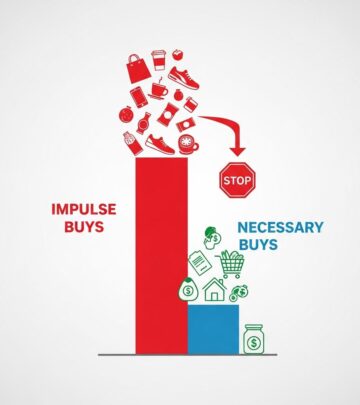
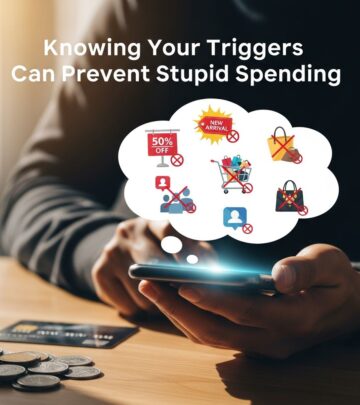
How To Stop An Impulse Purchase: 8 Practical Strategies
Learn what drives impulse purchases and proven, practical strategies to stop them before they drain your bank account.

Impulse purchases might feel harmless in the moment, but over time they can quietly drain your savings, delay your financial goals, and create stress around money. The good news is that impulse buying is a habit you can understand, manage, and change with the right strategies.
This guide explains what an impulse purchase is, why it happens, how it affects your money, and the practical steps you can start using today to stop impulsive spending.
What is an impulse purchase?
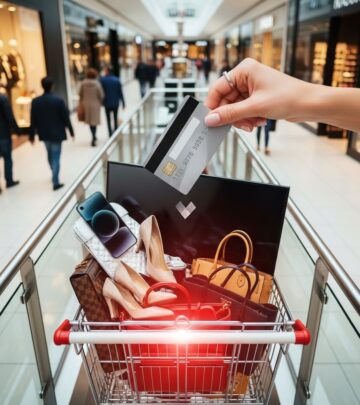
An impulse purchase is an unplanned decision to buy something right before or at the point of purchase, driven more by emotion or external cues than by genuine need or careful thought.
Common examples include:
- Adding extra items at the checkout line because they are on sale
- Clicking “buy now” on an ad that appears while scrolling social media
- Ordering takeout even though you planned and budgeted to cook at home
- Buying clothes or gadgets because of limited-time discounts or flash sales
Research on consumer behavior consistently finds that a large portion of purchases are unplanned, especially in environments designed to trigger quick decisions such as supermarkets, malls, and online platforms.
How impulse purchases affect your finances
One impulse buy may not derail your budget, but repeated unplanned purchases add up quickly. Over a year, these “little treats” can total hundreds or even thousands of dollars that could have gone toward savings, debt payoff, or investments.
Impulse purchases can impact you in several ways:
- Budget overload: Small, frequent extras can make you overshoot your planned spending categories.
- Increased debt: When impulse buys are charged to credit cards or paid with installment plans, they can lead to interest charges and long-term repayment.
- Delayed financial goals: Money spent impulsively is money that is no longer available for building an emergency fund, retirement, or other priorities.
- Emotional stress: Regret and guilt after buying on impulse can cause anxiety and a sense of losing control over money.
Impulse buying vs. compulsive buying
It is helpful to distinguish impulse buying from compulsive buying because they have different underlying causes and may require different types of support.
| Feature | Impulse buying | Compulsive buying |
|---|---|---|
| Planning | Unplanned purchases made in the moment | Repeated, often planned episodes of buying as a way to cope |
| Frequency | Occasional or situational | Chronic and hard to control |
| Emotional role | Often linked to mood or temptation | Used as a primary way of managing distress or emotions |
| Level of distress | May cause regret but usually manageable | Causes significant distress, guilt, and financial harm |
| Support needed | Can often be addressed with budgeting and habit changes | May require mental health treatment and professional help |
Most people experience impulse buying from time to time. If your spending feels out of control or is severely affecting your life, it may be closer to compulsive buying, in which case talking to a licensed mental health professional or financial counselor can be helpful.
Why do we make impulse purchases?
Impulse purchases are not only about lack of discipline. They are often the result of a mix of emotional, psychological, and environmental factors.
Emotional triggers
Many people shop impulsively in response to how they feel rather than what they need. Common emotional triggers include:
- Stress and anxiety: Buying can offer a short-lived sense of relief or control.
- Boredom: Shopping—especially online—feels like entertainment or a way to pass time.
- Loneliness or sadness: Purchases can temporarily boost mood or provide a sense of reward.
- Celebration: Using spending as a default way to reward yourself for success or milestones.
Studies in consumer psychology show that negative emotions can increase impulsive buying as people seek quick mood repair.
Marketing and digital design
Retailers and online platforms are deliberately structured to encourage impulse buying. Techniques include:
- Limited-time offers and countdown timers
- One-click checkout and saved payment methods
- Personalized recommendations (“You might also like”)
- Strategic placement of products at checkout or on homepages
- “Buy now, pay later” options that reduce the perceived cost today
These tactics reduce friction, make buying feel easy, and trigger fear of missing out (FOMO), all of which push you toward fast decisions.
Social pressure and comparison
Social media, influencers, and even friends and family can create subtle pressure to spend. Seeing other people’s purchases or lifestyles can make you feel behind or motivate you to “keep up,” which can fuel impulse spending.
Signs your impulse buying is a problem
Almost everyone buys impulsively sometimes. It becomes a problem when it consistently harms your finances or emotional well-being. Warning signs include:
- Frequently buying things not on your list when you shop
- Using credit cards or installment plans for wants, not needs
- Feeling guilt, shame, or regret after many purchases
- Not remembering everything you ordered until it arrives
- Hiding purchases or downplaying spending to others
- Struggling to pay bills or save because of unplanned spending
How to stop an impulse purchase: Key strategies
Stopping impulse purchases is less about willpower and more about designing your environment and routines so it becomes easier to stick to your intentions. The following strategies are practical and can be combined for better results.
Avoid temptation zones
The simplest way to stop an impulse purchase is to avoid the places and situations that trigger you to spend.
- Limit trips to stores where you tend to overspend.
- Avoid browsing your favorite shopping apps or sites “for fun.”
- Stay away from “just looking” in malls or boutiques when you are bored or stressed.
- Delete shopping apps that tempt you to scroll and buy impulsively.
By reducing how often you are exposed to tempting offers, you cut down the number of times you need to say no.
Unsubscribe, unfollow, and declutter your feeds
Much impulse spending starts with a message: an email, a notification, or a social media post advertising a sale or a new product.
- Unsubscribe from store newsletters that constantly promote discounts.
- Turn off push notifications from shopping apps.
- Unfollow influencers or accounts that make you feel pressured to buy or compare.
- Be intentional about what content you consume online, choosing more educational or value-based sources instead of constant ads.
Use a waiting period rule
A powerful way to disrupt impulse buying is to delay the purchase long enough for the emotional intensity to pass.
- For smaller wants, use a 24-hour rule: wait at least one full day before buying.
- For larger purchases, use a 7–30 day rule depending on the cost.
- Write the item down in a “want list” with the date; revisit it after the waiting period.
Often, once the waiting period ends, the urge has faded, or you realize the item is not truly important.
Shop with a plan and a list
Planning ahead is one of the most effective ways to reduce impulsive spending.
- Make a detailed shopping list before going to the store or shopping online.
- Set a maximum spending amount for each trip or category.
- Stick to your list—if something new comes up, add it to a future list instead of buying immediately.
- Use meal planning to reduce last-minute takeout orders.
Having a clear plan gives you a standard to check against when temptation shows up.
Pay with cash or debit when possible
Paying with cash or a debit card can increase your awareness of what you are spending, while credit cards and “buy now, pay later” options can make purchases feel less real in the moment.
- Try a cash envelope method for discretionary spending categories such as dining out, clothing, or entertainment.
- Leave credit cards at home for routine shopping trips.
- Turn off stored payment details in shopping apps to add friction.
When the money visibly leaves your wallet or account, you may pause and reconsider whether the purchase is worth it.
Protect yourself from “buy now, pay later” traps
“Buy now, pay later” (BNPL) services split purchases into small installments, making items appear more affordable than they truly are. While they can be useful in limited cases, they also encourage overspending and can lead to fees or late charges if not managed well.
- Treat BNPL as debt, not as “free money.”
- Avoid BNPL for non-essential or impulse items.
- Before agreeing, calculate the total you will pay and ensure it fits your budget.
- If you already use BNPL, track all active plans to avoid missed payments.
Regulators and consumer protection agencies have raised concerns about BNPL increasing financial vulnerability for some users, especially when they take on multiple concurrent plans.
Channel your energy into alternative rewards
If you often shop when you are bored, stressed, or seeking a reward, build a toolbox of alternative activities that give you a similar sense of comfort or pleasure without the financial cost.
- Start a hobby that keeps your hands and mind busy (reading, crafting, exercising).
- Call or message a friend instead of opening a shopping app.
- Use a “treat list” of low-cost or free rewards such as a walk, a movie at home, or a special homemade dessert.
- Celebrate wins by adding extra money to a savings goal instead of buying something new.
Track your spending and review your habits
Awareness is essential for change. By tracking your spending, you can spot patterns, triggers, and problem areas.
- Use a notebook, spreadsheet, or budgeting app to record purchases.
- Review your transactions weekly to identify impulse buys.
- Highlight purchases that did not align with your plan or values.
- Estimate how much you spent on impulse purchases over the last month; use this as motivation to change.
Turning avoided impulse purchases into progress
To reinforce your new habits, redirect the money you do not spend on impulse buys toward your financial goals. This makes saying no feel like a win rather than a sacrifice.
- Transfer saved amounts into a separate high-yield savings account earmarked for a goal.
- Increase payments on high-interest debt with the money you would have spent impulsively.
- Set up automatic transfers that align with your paydays so saved money does not sit idle in checking.
Even small, consistent amounts can build momentum, and seeing your savings or debt balances change over time strengthens your motivation to resist future impulse purchases.
Frequently Asked Questions (FAQs)
Q: Is it ever okay to make an impulse purchase?
Occasional small impulse purchases that fit within your budget and do not derail your goals are normal. The problem arises when they are frequent, cause financial strain, or are used as a primary coping mechanism for emotions.
Q: How do I know if I should return an impulse purchase?
If you bought something you did not plan for and quickly feel regret, ask whether it supports your priorities, fits your budget, and will genuinely be used. If the answer is no, and returning it is possible without penalty, returning the item is often the best choice.
Q: What if my friends encourage me to spend?
You can set clear boundaries by sharing your financial goals and suggesting lower-cost alternatives. For example, propose a coffee at home instead of shopping or a free activity instead of an expensive outing. Supportive friends will respect your goals.
Q: Can budgeting alone stop impulse buying?
A budget is a critical tool, but on its own it may not solve emotional or environmental triggers. Combining budgeting with strategies like waiting periods, avoiding temptation, and addressing emotional drivers works more effectively.
Q: When should I seek professional help?
If you feel unable to control your spending, are accumulating significant debt, or find that shopping is your main way of dealing with distress, consider speaking with a licensed mental health professional or certified financial counselor. They can help you address both emotional and practical aspects of your situation.
References
- Compulsive Vs Impulsive Shopping: How To Tackle Both — Clever Girl Finance. 2023-08-10. https://www.clevergirlfinance.com/compulsive-vs-impulsive/
- Buying-Shopping Disorder in Adults — American Psychiatric Association. 2022-05-01. https://www.psychiatry.org/patients-families/buying-shopping-disorder
- The Emotional Shopper: Assessing the Role of Emotions on Consumers’ Tendency to Buy Impulsively — Journal of Consumer Research (Oxford University Press). 2014-02-01. https://academic.oup.com/jcr/article/40/5/000/1879050
- Buy Now, Pay Later: Market Trends and Consumer Impacts — Consumer Financial Protection Bureau. 2022-09-15. https://www.consumerfinance.gov/data-research/research-reports/buy-now-pay-later-market-trends-and-consumer-impacts/
- Credit Card Interest and Other Charges — Federal Trade Commission. 2023-03-10. https://www.consumer.ftc.gov/articles/credit-card-interest-and-other-charges
- Consumer Credit: Understanding the Cost of Borrowing — Federal Reserve Board. 2023-06-30. https://www.federalreserve.gov/creditcard/
Similar Articles








Read full bio of medha deb