How To Stay Safe In Public Pools: Essential Safety Checklist
Essential tips to protect your family from drowning, injuries, and illnesses while enjoying public pools this summer.
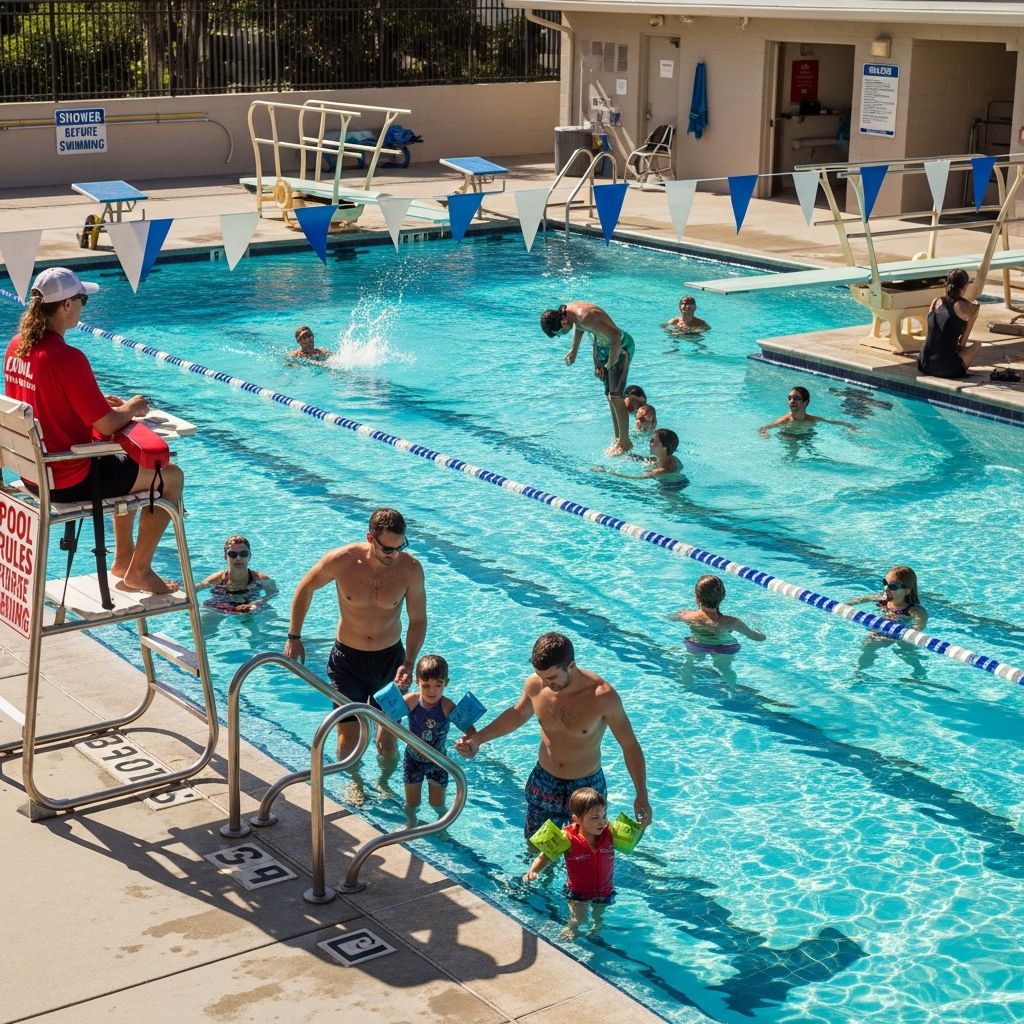
Public pools offer refreshing fun during hot summer days, but they also present risks like drowning, injuries, and infections if precautions aren’t taken. According to the CDC, proper supervision, hygiene, and awareness of hazards can drastically reduce these dangers. This guide covers comprehensive safety measures drawn from authoritative health and safety organizations to ensure enjoyable, incident-free swims for families and individuals.
Prevent Drowning: The Top Priority
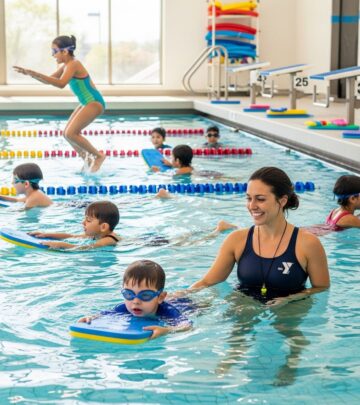
Drowning is a leading cause of death for young children, often happening silently and quickly in public pools. Continuous supervision is non-negotiable, even with lifeguards present.
- Designate a Water Watcher: Assign one sober adult to actively supervise children without distractions like phones or books. Rotate this role every 15-30 minutes to maintain focus.
- Arm’s Length Rule for Young Swimmers: Keep infants, toddlers, and beginners within arm’s reach in the water. For stronger swimmers, enforce the buddy system where pairs watch each other.
- Learn Swimming Skills: Ensure everyone, especially kids, has basic swim lessons. The CDC recommends U.S. Coast Guard-approved life jackets for non-swimmers, used correctly.
- Check-Ins and Family Rules: Set specific times to gather and assess everyone’s condition. Teach kids to recognize distress signals and respond to lifeguard whistles by stopping, looking, and listening.
Never rely solely on lifeguards; they manage crowds, not babysit. Parents must stay vigilant.
Supervise Closely and Avoid Distractions
Lifeguards are trained experts in CPR and emergency response, but they can’t monitor every individual. Public pools see high traffic, amplifying risks.
- Adults should enter the pool with young children for immediate rescue capability.
- Avoid alcohol, which impairs judgment—designate non-drinking supervisors.
- If a child is missing, check the pool first; drowning victims often slip underwater unnoticed.
- Use family signals or whistles for quick accountability during busy times.
Hotels and community pools may have lax enforcement; always verify safety features like fences and gates before allowing kids near the water.
Follow Pool Rules to Prevent Injuries
Pool rules exist to avert slips, dives into shallow water, and equipment misuse. Ignoring them leads to head injuries and spinal damage.
| Hazard | Rule | Why It Matters |
|---|---|---|
| Running/Slipping | No running on wet decks | Slippery surfaces cause falls and concussions |
| Diving | Only in marked deep ends; no headers in shallow areas | Prevents broken necks and paralysis |
| Slides/Boards | Match to skill level; wait turns | Avoids collisions and overuse injuries |
| Horseplay | No pushing or dunking | Reduces panic and accidental inhalation |
Report hazards like broken tiles, loose drains, or missing signs to lifeguards immediately. Swim tests for deep ends ensure kids’ abilities match the area.
Steer Clear of Drain Dangers
Pool drains use powerful suction that can entrap hair, limbs, or clothing, leading to drowning or severe injury. The Pool and Spa Safety Act mandates compliant covers on public pools.
- Keep Away: Teach children never to play near drains, pipes, or suction fittings, especially in spas or shallow ends where force is strongest.
- Inspect and Report: Avoid pools with loose, broken, or missing covers. Notify staff immediately if spotted.
- Anti-Entrapment Tech: Modern public pools have safety vacuum release systems or dual drains to mitigate risks.
Entrapment is rare but fatal; vigilance saves lives.
Maintain Hygiene to Stay Healthy
Public pools harbor germs from bodily fluids, thriving when chlorine binds to contaminants instead of killing bacteria.
- Pre-Swim Shower: Rinse for at least one minute to remove sweat, lotions, and dirt, preserving chlorine efficacy.
- Bathroom Habits: Stay out if you have diarrhea. No peeing or pooping in water; take hourly breaks, especially for kids. Change diapers poolside-away.
- No Swallowing: Drink from bottles, not the pool. Dry ears post-swim to prevent infections.
These steps cut recreational water illnesses like cryptosporidium outbreaks.
Practice Sun Safety and Hydration
Extended pool time exposes skin to UV rays and dehydration risks.
- Apply broad-spectrum SPF 30+ sunscreen 15 minutes before swimming; reapply every two hours or after toweling.
- Seek shade during peak hours (10 AM-4 PM); use hats and rash guards.
- Hydrate frequently with water, not sugary pool drinks. Watch for heat exhaustion signs like dizziness.
Plan breaks in shaded areas and monitor vulnerable groups like kids and seniors.
Handle Equipment and Features Safely
Diving boards, slides, and ladders require caution matching user ability.
- One at a time on boards/slides; feet-first entries for young kids.
- Use ladders properly; no crowding.
- Remove toys post-swim to prevent slips or choking hazards.
Enforce from the first visit for lifelong habits.
Know Emergency Responses
Learn CPR, AED use, and distress recognition. Keep phones charged nearby.
- Recognize active (struggling) vs. passive (submerged) drowning.
- Share safety info with caregivers and neighbors.
Public pools often have rescue gear; know locations.
Frequently Asked Questions (FAQs)
Q: Can lifeguards fully supervise my child?
A: No, lifeguards manage the pool but parents must provide close supervision, staying within arm’s reach of young swimmers.
Q: How do I prevent swimmer’s ear or infections?
A: Shower before swimming, avoid swallowing water, and dry ears thoroughly afterward.
Q: What if I spot a broken drain cover?
A: Notify lifeguards immediately and keep everyone away until fixed.
Q: Is sunscreen enough for sun protection?
A: Combine with shade, clothing, and hydration; reapply often.
Q: Should non-swimmers use public pools?
A: Yes, with life jackets and constant supervision in shallow areas.
Q: How effective are swim lessons?
A: They teach critical skills, reducing drowning risk by up to 88% for kids aged 1-4.
Implementing these tips transforms public pool visits from risky outings to safe family traditions. Prioritize prevention for worry-free splashes.
References
- Guidelines for Keeping Your Pool Safe and Healthy — Centers for Disease Control and Prevention (CDC). 2023-05-15. https://www.cdc.gov/healthy-swimming/safety/what-you-can-do-to-stay-healthy-in-swimming-pools.html
- Public Pool Safety — Nationwide Children’s Hospital. 2022-07-12. https://www.nationwidechildrens.org/family-resources-education/700childrens/2022/07/public-pool-safety
- Steps for Safety Around the Pool (PoolSafely Consumer Brochure) — PoolSafely.gov (U.S. Consumer Product Safety Commission). 2016-06-01. https://www.poolsafely.gov/wp-content/uploads/2016/06/PoolSafely_ConsumerEducationalBrochure_ENG.pdf
- Top 10 Pool Safety Tips — Texas Swim Academy. Accessed 2026. https://texasswimacademy.com/top-10-pool-safety-tips/
- 5 Swimming Pool Safety Tips — Beach Kids Pediatrics. Accessed 2026. https://beachkidspediatrics.com/swimming-pool-safety-tips/
Similar Articles








Read full bio of medha deb